Find the Best Gas Line Plumbing Companies for Your Business
No obligation • Fast responses • Nationwide coverage

Why you can trust Search a Plumber
Search a Plumber is a leading United States resource for finding and evaluating professional plumbing services. Our team researches licensing, experience, and customer feedback to create unbiased, fact-driven overviews. Companies cannot pay to change ratings or placement, ensuring homeowners get trustworthy information.
Search providers near you
Top Gas Line Plumbing Companies in Simi Valley, California Ranked
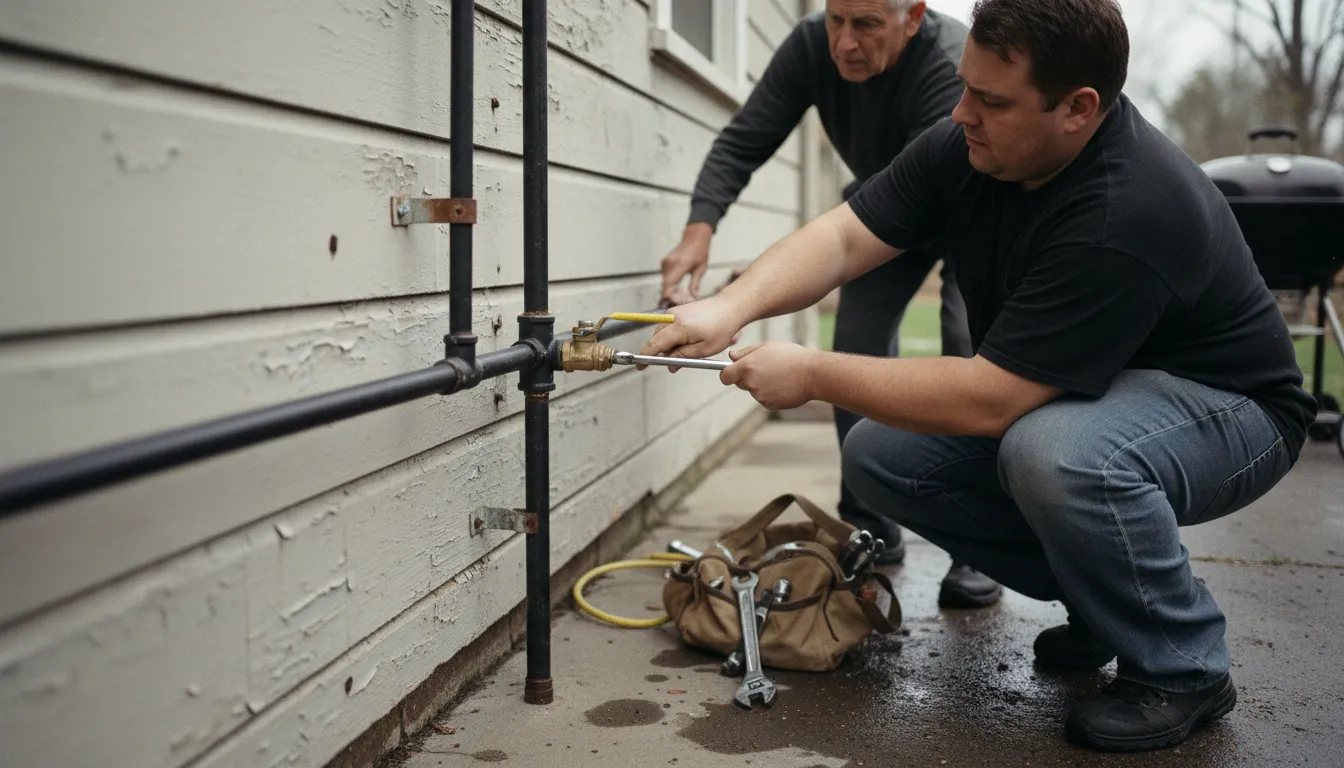
Installing or repairing a gas line is a critical project that directly impacts the safety and functionality of your Simi Valley home. Proper natural gas piping work ensures your appliances-from water heaters and stoves to outdoor fire pits-receive fuel reliably and without dangerous leaks. This guide explains the essential steps, local regulations, and what to expect when you need professional gas line services, helping you connect with qualified local experts who can complete the job safely and to code.
DX Plumbing and Hydro Jetting Inc🔧
10940 Wilshire Blvd Ste 1600-PMB #818, Los Angeles, CA 90024
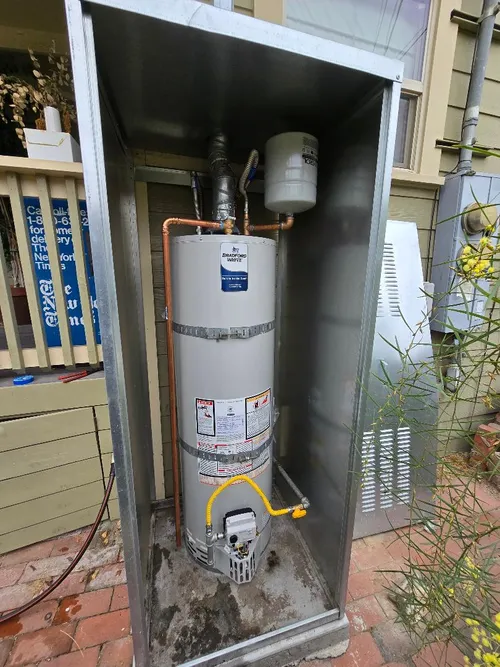
DX Plumbing and Hydro Jetting Inc is a family-owned plumbing company serving Los Angeles, CA. They offer a range of services including water heater repair and installation, drain cleaning, hydro jetting, and gas line installation. The company uses advanced technology for drain inspections and focuses on quality and attention to detail in every job. With over a decade of experience, DX Plumbing emphasizes honesty and professionalism in addressing plumbing issues from minor repairs to major pipe replacements.
Local Plumbers, Inc.
14967 Oswald St, Los Angeles, CA 91342
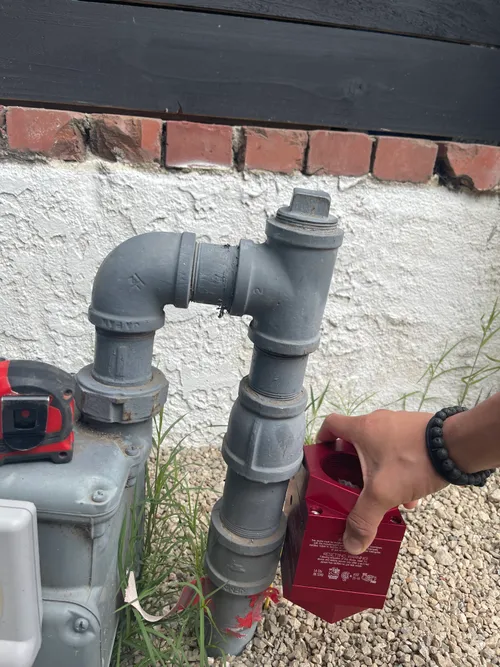
Local Plumbers, Inc. is a plumbing service provider based in Santa Clarita, CA. They offer a range of services including water heater repair, drain cleaning, sewer line repair, leak detection, repiping, gas line installation, toilet repair, and garbage disposal repair. The company is known for its ability to respond quickly to urgent issues such as sewer pipe repairs and leak detection. Customers have noted the professionalism and clear communication of the team. Local Plumbers, Inc. serves the Santa Clarita area with a focus on thorough diagnostics and effective repairs.

Sewer Inspection Pros
Santa Clarita, CA
Sewer Inspection Pros is a plumbing company serving Santa Clarita, CA, with over 12 years of experience. They provide a wide range of services including sewer camera inspections, water heater repair and installation, drain cleaning, leak detection, trenchless sewer repair, and gas line installation. Their trenchless sewer repair minimizes yard disruption, and they also install energy-efficient tankless water heaters. Established in 2012, Sewer Inspection Pros offers 24/7 emergency plumbing services to address urgent needs at any time.
Richards Rooter and Plumbing
1131 Alta Loma Rd #429, West Hollywood, CA 90069
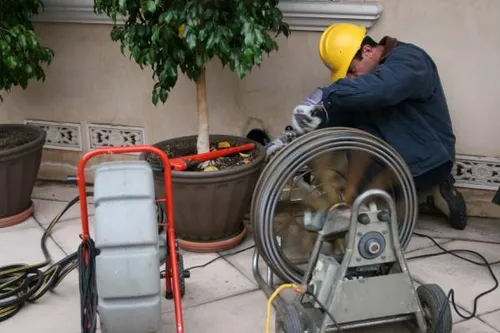
Richards Rooter and Plumbing is a licensed plumbing contractor serving Los Angeles, CA, and surrounding areas since 1994. They provide a wide range of plumbing services including sewer camera inspections, water heater repair and installation (including tankless systems), drain cleaning, sewer line repair, leak detection, gas line installation, and toilet repair. The company offers 24/7 emergency plumbing services, addressing urgent issues such as burst pipes, gas leaks, and sewer backups with specialized tools and experienced technicians. With over 30 years of experience, Richards Rooter and Plumbing is equipped to handle both residential and commercial plumbing needs across multiple neighborhoods in Los Angeles.
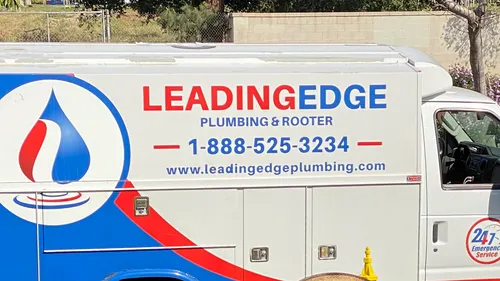
LeadingEdge Plumbing & Rooter, Inc.
12300 Foothill Blvd, Sylmar, CA 91342
LeadingEdge Plumbing & Rooter, Inc. is a family-owned plumbing company serving Santa Clarita, CA, with a focus on residential and commercial plumbing needs. Their services include sewer camera inspections, water heater repair and installation, water softener installation, drain cleaning, hydro jetting, sewer line repair, leak detection, and gas line installation. They use advanced equipment such as video camera inspections and hydro jetting to diagnose and resolve plumbing issues effectively. The company has built a reputation over years of serving the local community and offers same-day service to handle emergencies outside regular business hours.
Understanding Gas Line Services
Gas line work encompasses a range of services, from running a new line for a backyard barbecue to repairing a leak in an existing pipe or rerouting lines for a kitchen remodel. In Simi Valley, all such work falls under strict California plumbing and building codes designed to prevent fires, explosions, and carbon monoxide poisoning. Whether you're dealing with a gas line installation, repair, or replacement, the process involves specialized knowledge of approved materials, pressure testing, and mandatory city inspections.
Hiring a licensed professional is not just a recommendation; it's a cornerstone of safety. Licensed C-36 Plumbing or C-20 Warm-Air Heating, Ventilating and Air-Conditioning contractors are trained to handle the complexities of gas systems, from obtaining the correct permits to performing the final pressure test. They ensure that every connection, valve, and pipe segment meets the rigorous standards required for your family's protection.
The Permit Process in Simi Valley
Is a permit required? Yes. The City of Simi Valley Building & Safety Division requires a permit for virtually all gas line work, including new installations, repairs, and modifications. This rule applies to both homeowners and contractors. The permit process exists to ensure the work is planned correctly, performed safely, and inspected by a city official before being put into use.
How to apply for a permit. The City of Simi Valley uses an online portal for permit submittal. A licensed professional will typically handle this process, submitting detailed plans of the proposed work. For homeowners considering a do-it-yourself approach, note that you must personally hold the appropriate state contractor's license to pull the permit yourself; otherwise, the work must be performed by a licensed pro.
What inspections are required? Once the permit is issued and work begins, city-mandated inspections are a critical step. An inspector will check the work at specific stages, most importantly after the new piping is installed but before it is buried or enclosed. This inspection often includes witnessing a pressure test on the line. Passing this inspection is required to get final approval and have the gas utility (like SoCalGas) restore or connect service.
Step-by-Step: A Professional Gas Line Project
A typical gas line installation or major repair follows a structured sequence to ensure safety and compliance.
-
Planning and Permitting: The project begins with a site assessment and design. The contractor determines the route, materials, and necessary fittings, then submits for the required permit from the City of Simi Valley 1.
-
Call 811 Before Digging: This is a non-negotiable safety and legal step. At least two business days before any excavation, you or your contractor must call 811 or visit digalert.org. This free service will have all underground utility lines-gas, water, electric, cable-marked on your property to prevent accidental strikes, which can be dangerous and costly.
-
Excavation and Trenching: For underground lines, a trench is dug. In Simi Valley, gas lines using traditional steel pipe are typically buried at a minimum depth of 18 inches to protect them from surface activity 2. The trench must be clear of sharp rocks that could damage the pipe.
-
Pipe Installation: Approved materials must be used. California code allows for specific types like black steel pipe, Corrugated Stainless Steel Tubing (CSST), or copper in certain applications. The pipe is laid in the trench with proper supports and protective sleeves where it passes through foundations or walls.
-
Pressure Testing: Before the trench is backfilled, the installer will conduct a pressure test. A common method is to pressurize the sealed line with air (e.g., to 10 psi) and monitor the gauge for 15 minutes. Any drop in pressure indicates a leak that must be found and repaired.
-
Inspection: A city inspector is called to review the installation, including the pressure test results. They verify the materials, depth, and workmanship comply with code 3.
-
Backfill and Final Connection: After passing inspection, the trench can be safely backfilled. Finally, the licensed professional makes the final connections to the gas meter and the appliance, ensuring all fittings are secure and leak-free 4.
Find the perfect gas line plumbing companies for your needs
Get personalized recommendations and expert advice
Critical Safety Practices and Local Codes
Adhering to local codes isn't about bureaucracy; it's about implementing proven safety practices.
- Always Call 811: This simple call is your first line of defense against causing a major gas leak, electrical outage, or service disruption. It's required by law and protects you from liability and repair costs 5.
- Mandatory Pressure Testing: Skipping a pressure test is an extreme risk. This test is the only way to confirm the integrity of the entire new piping system before gas is introduced.
- Material Compliance: Using unapproved or substandard piping or fittings can lead to corrosion, cracks, and leaks. A licensed professional will use materials that are certified for natural gas use in California 6.
- Professional Installation: Gas line work is not a typical DIY project. The risks of improper installation-including gas leaks, fire, and explosion-are too high. A licensed contractor carries the necessary insurance and guarantees their work meets code 7.
Understanding Costs for Gas Line Work
Pricing for gas services in Simi Valley varies significantly based on the project's scope, complexity, and length of pipe required.
- Simple Repairs: Fixing a small leak at a valve or fitting, including leak detection, often ranges from $200 to $600 or more, depending on accessibility 8 9.
- New Line for an Appliance: Running a new gas line for a backyard barbecue, fire pit, or pool heater can cost between $500 and $2,000+. The final price depends on the distance from the meter, trenching difficulty (e.g., through concrete or landscaping), and materials 10 11.
- Major Installations or Reroutes: Projects like installing a new gas line for a whole-home generator, moving a gas meter, or running lines for a new kitchen during a remodel are more complex. These often involve detailed planning, multiple inspections, and coordination with the gas utility (PG&E/SoCalGas), with costs typically reaching several thousand dollars 12.
Always get detailed, written estimates from multiple licensed contractors. The estimate should break down costs for labor, materials, and the permit fees.
Choosing the Right Professional in Simi Valley
Your choice of contractor is the most important decision you'll make. Look for a plumber or HVAC specialist who:
- Holds an active C-36 or C-20 California state contractor's license.
- Is familiar with Simi Valley's specific permit and inspection procedures.
- Provides proof of insurance and offers warranties on their work.
- Can clearly explain the project steps, timeline, and costs.
- Emphasizes safety protocols, including calling 811 and performing pressure tests.
A reputable professional will handle the entire process seamlessly, from the initial permit application to the final city sign-off, giving you peace of mind that your new gas line is safe and reliable.
Frequently asked questions
Sources
Footnotes
-
Online Permit Submittal Instructions | City of Simi Valley, CA - https://www.simivalley.org/departments/environmental-services/building-safety-division/online-permit-submittal-instructions ↩
-
How Deep Are Gas Lines Buried? - SoftDig - https://www.softdig.com/blog/how-deep-are-gas-lines-buried/ ↩
-
Inspection Procedures | City of Simi Valley, CA - SimiValley.org - https://www.simivalley.org/departments/environmental-services/building-safety-division/inspection-procedures ↩
-
Frequently Asked Questions - CivicPlus.CMS.FAQ - https://www.rpvca.gov/faq.aspx?TID=40 ↩
-
811 & Safety Tips for Contractors & Excavators - Socalgas - https://www.socalgas.com/safety/safety-and-prevention/digging-and-yard-safety/contractors ↩
-
Simi Valley, CA Plumbing Codes and Permits - https://www.gallegosplumbing.com/blog/2021/march/simi-valley-ca-plumbing-codes-and-permits/ ↩
-
Do You Need a Permit for Gas Line Work in California? Know the Laws - https://magnificentplumbing.com/do-you-need-permit-for-gas-line-work-california/ ↩
-
Simi Valley Gas Leak Detection & Repair - Dutton Plumbing - https://www.duttonplumbing.com/plumbing-services/gas-leak/ ↩
-
Gas Plumbing | Simi Valley - https://www.whrpplumbinginc.com/gas-line-repair ↩
-
Natural Gas Line Installation: Safety Tips and Permits in ... - https://www.aloha-plumbinghvac.com/natural-gas-line-installation/ ↩
-
New Gas Line Installation Cost: Natural Gas Piping Supplies & Custom Piping - https://www.superbrothers.com/new-gas-line-installation-cost-natural-gas-piping-supplies-custom-piping/ ↩
-
What are the steps to move the gas meter in Simi Valley? - https://www.facebook.com/groups/howtoadu/posts/2922448074577280/ ↩