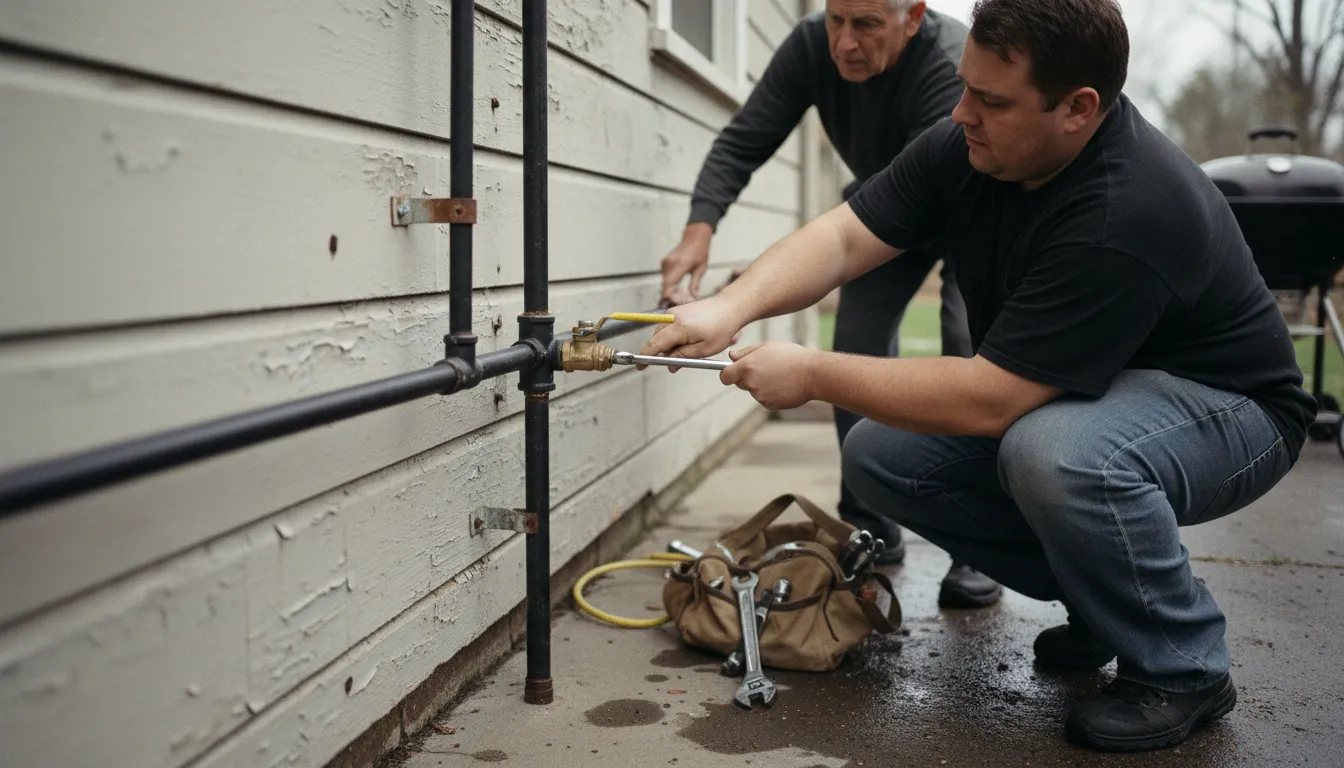
Find the Best Gas Line Plumbing Companies for Your Business
No obligation • Fast responses • Nationwide coverage

Why you can trust Search a Plumber
Search a Plumber is a leading United States resource for finding and evaluating professional plumbing services. Our team researches licensing, experience, and customer feedback to create unbiased, fact-driven overviews. Companies cannot pay to change ratings or placement, ensuring homeowners get trustworthy information.
Search providers near you
Top Gas Line Plumbing Companies in Santa Cruz, California Ranked
Whether you're adding a gas fireplace for cozy West Cliff evenings, installing a new range for your kitchen remodel, or addressing a leak, professional gas line work is a critical home service. Natural gas and propane systems provide efficient energy for heating, cooking, and outdoor living, but their installation and repair require specialized expertise due to the significant safety risks involved. This guide explains the key processes, local regulations, and safety considerations for gas piping projects in Santa Cruz, helping you understand what to expect when you need to hire a qualified professional.
JB Rooter and Plumbing Inc
2982 Mt Clare Dr, San Jose, CA 95148
JB Rooter and Plumbing Inc is a full-service plumbing company based in San Jose, CA, serving a wide area from San Carlos to Gilroy to Fremont. With over 20 years of experience, they provide a variety of plumbing services including sewer line repair, repiping, and gas line installation. Their team is skilled in handling both residential and commercial plumbing needs, focusing on safe and efficient gas plumbing and expert sewer repairs. JB Rooter and Plumbing Inc is licensed and insured, offering local expertise and competitive pricing to customers across the peninsula.

Gogo Rooter
326 Phelan Ave #B, San Jose, CA 95112
Gogo Rooter is a plumbing service provider based in San Jose, CA, offering a wide range of residential and commercial plumbing solutions. Their services include sewer camera inspections, water heater repair and installation, drain cleaning, leak detection, gas line installation, and toilet repair. They are equipped to handle emergency plumbing situations with 24/7 availability, ensuring prompt assistance whenever needed. Gogo Rooter uses advanced equipment for rooter repair and sewer video inspections, providing thorough diagnostics and effective solutions. The company emphasizes transparent pricing by charging per job rather than by the hour and offers a satisfaction guarantee on their workmanship.
Advanced Quality Plumbing & Rooter
7052 Santa Teresa Blvd #77, San Jose, CA 95139
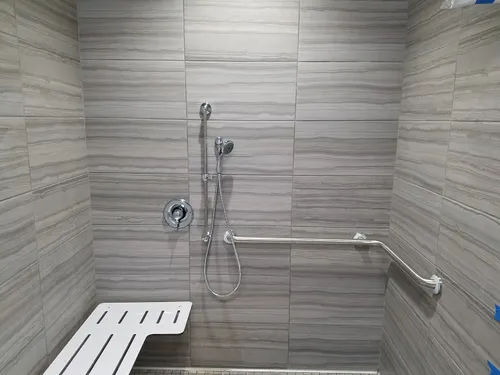
Advanced Quality Plumbing & Rooter is a plumbing service provider based in San Jose, CA. They offer a wide range of plumbing solutions including water heater repair and installation, sewer camera inspections, hydro jetting, drain cleaning, sump pump repair, leak detection, repiping, and gas line installation. Their capabilities include high-quality 4K video pipe inspections and high-pressure hydro jetting with advanced tip technology. The company emphasizes craftsmanship and staying updated with the latest plumbing technologies to ensure thorough and reliable service.
Moor Trenchless Plumbing Inc.
4170 Camden Ave, San Jose, CA 95124
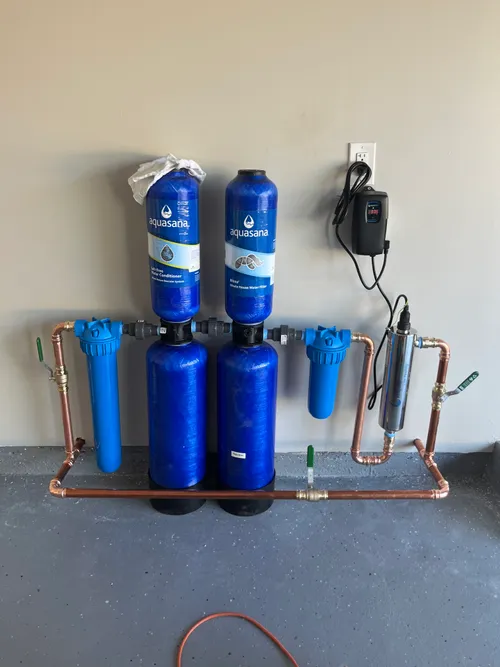
Moor Trenchless Plumbing Inc. is a plumbing contractor based in San Jose, CA, specializing in sewer camera inspections, sewer line repairs, trenchless sewer repair, leak detection, repiping, and gas line installations. They focus on trenchless techniques that minimize yard damage during water, gas, and sewer line replacements. With over 16 years of experience, Moor Trenchless Plumbing offers thorough inspections and full line replacements while preserving property aesthetics. Their services cover both residential and utility plumbing needs in the San Jose area.
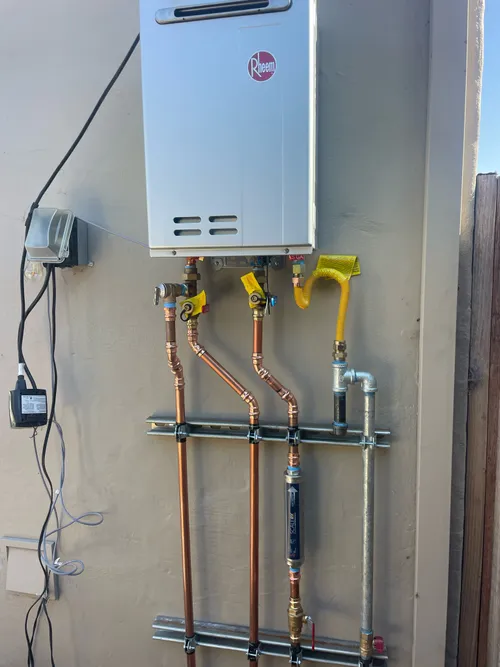
All Go Plumbing and Rooter
1033 Willow St, San Jose, CA 95125
All Go Plumbing and Rooter is a plumbing company serving San Jose, CA, and surrounding cities. They offer a wide range of services including sewer camera inspections, water heater repair and installation, drain cleaning, hydro jetting, sewer line repair, leak detection, repiping, gas line installation, toilet repair, and garbage disposal repair. The company is equipped to handle both small repairs and large projects such as whole house repiping and new gas line installations. They provide emergency plumbing services and are available 24/7 to assist with urgent plumbing issues. One notable capability is their use of plumbing video camera inspections to accurately diagnose pipe problems and plan effective repairs.
Understanding Gas Piping Systems and Local Requirements
Gas piping, or fuel gas systems, are networks of pipes that deliver natural gas or propane from the utility meter or tank to appliances like water heaters, furnaces, stoves, and fire pits. In Santa Cruz, all work on these systems is strictly regulated by the California Plumbing Code (CPC) and requires oversight from local building authorities. The primary reason for this stringent control is safety; a faulty installation can lead to gas leaks, fire, or explosion.
The jurisdiction for your project depends on your location: work within the City of Santa Cruz falls under the city's building department, while projects in the county (like Live Oak, Soquel, or Aptos) are managed by the Santa Cruz County Permit Center. Both require permits for nearly all gas line work, including new installations, repairs, replacements, and extensions 1 2.
The Permit and Inspection Process in Santa Cruz
Navigating the local permit process is the first and most crucial step for any gas line project. Skipping this step can result in failed inspections, fines, and unsafe conditions that could void your home insurance.
Applying for a Permit A plumbing permit is mandatory for most gas work. You or your licensed contractor will apply through the appropriate online portal-the county's EZ Permit system or the city's equivalent. The application typically requires detailed system diagrams showing the proposed pipe layout, sizes, and all connected appliances, as outlined in the city's specific Fuel Gas Line Diagram Requirements 3. These plans ensure the system is designed correctly for the required gas volume and pressure.
Key Inspections Once the permit is issued, the work will be subject to mandatory inspections at critical stages:
- Rough-In Inspection: This occurs after all new piping is installed, joints are connected, and the system is pressure-tested, but before walls or ceilings are closed up. The inspector verifies the pipe material, sizing, support, and that the system holds pressure without leaks.
- Final Inspection: After all work is complete, appliances are connected, and the trench (if any) is backfilled, a final inspection is scheduled. The inspector checks the entire system for code compliance, ensures proper appliance installation, and verifies the final pressure test 4 5.
The pressure test itself is a critical safety check, where the sealed system is pressurized (often to 10 psi for 15 minutes) to confirm there is no drop, indicating a leak-free installation 6.
Steps for a Typical Gas Line Installation or Repair
A professional gas fitter or plumber follows a meticulous process to ensure safety and code compliance. For underground lines-common for extending service to a detached garage, outdoor kitchen, or fire pit-the process is particularly involved.
- Planning and Call 811: The contractor will map the pipe route. Before any digging, they must call 811 to have underground utility lines marked. This free service prevents damaging electrical, water, or communication lines 7 8.
- Trenching: A trench is dug along the planned path. Code specifies minimum depth (e.g., at least 18 inches for steel pipe) and requires a horizontal separation of at least 3 feet from other utilities 9. The trench must be properly sloped and shored for safety.
- Pipe Installation: The gas pipe, often flexible corrugated stainless steel tubing (CSST) or rigid black iron pipe, is laid in the trench on a smooth bedding material. All joints are meticulously made using approved techniques and compounds.
- Pressure Testing: As mentioned, this is the definitive test for leaks. The contractor will isolate the new section, pressurize it, and monitor the gauge before calling for inspection 10.
- Backfill and Restoration: Once the rough-in inspection passes, the trench is carefully backfilled in layers to protect the pipe. The area is then restored as agreed upon in the project scope.
Find the perfect gas line plumbing companies for your needs
Get personalized recommendations and expert advice
Critical Safety Considerations for Santa Cruz Homeowners
The risks associated with gas line work cannot be overstated. Natural gas is flammable and explosive, and propane is heavier than air, allowing it to pool in low areas. For these reasons, gas line installation and repair is not a DIY project.
- Always Hire Licensed Professionals: In California, only licensed plumbing contractors or qualified gas fitters should perform this work. They carry the necessary insurance, bonding, and knowledge of the CPC.
- Recognize a Gas Leak: Be familiar with the smell of rotten eggs (the odorant added to gas). If you hear a hissing sound near a gas line or your gas appliance has a yellow, lazy flame instead of a blue, crisp one, you may have a leak.
- Immediate Action for Suspected Leaks: If you suspect a leak, evacuate the area immediately. Do not operate light switches or create any sparks. Call 911 from a safe distance and then contact your gas utility (PG&E) or a licensed emergency plumber 11.
Understanding Costs for Gas Piping Projects
Pricing for gas line services in Santa Cruz varies widely based on several factors: the length and diameter of the new pipe, the material used, accessibility (e.g., digging through hard soil or under a concrete slab), the type of appliance being connected, and current labor rates 12.
To provide a general idea, here are some example cost ranges, though you should always get specific quotes:
- Simple Appliance Hookup or Reroute: Moving a gas line for a new stove or dryer might range from $250 to $800+.
- New Line for an Outdoor Feature: Running a new line to a fire pit or outdoor kitchen could cost between $400 and $1,000+.
- Major Reroute or Full Replacement: Re-piping a section of your home's system or addressing a complex leak repair can range from $1,000 to $5,000 or more 13 14.
The most reliable way to budget is to contact licensed Santa Cruz plumbing professionals for detailed, free estimates that consider your specific project parameters and permit fees.
Frequently asked questions
Sources
Footnotes
-
When is a Plumbing Permit Required? - Santa Cruz County - https://cdi.santacruzcountyca.gov/UPC/BuildingPermitsSafety/BuildingPermitsIndex/FrequentlyAskedQuestionsAboutBuildingPermits/WhenisaPlumbingPermitRequired.aspx ↩
-
Do You Need a Permit for Gas Line Work in California? - https://magnificentplumbing.com/do-you-need-permit-for-gas-line-work-california/ ↩
-
FUEL GAS LINE DIAGRAM REQUIREMENTS | City of Santa Cruz - https://www.santacruzca.gov/files/assets/city/v/2/pl/documents/building-amp-safety/fuel-gas-diagram-requirements.pdf ↩
-
Typical Inspections - Santa Cruz County - https://cdi.santacruzcountyca.gov/UPC/BuildingPermitsSafety/ManageYourProject/Inspections/TypicalInspections.aspx ↩
-
Inspection Procedures for "As-Built" Structures - Santa Cruz County - https://cdi.santacruzcountyca.gov/UPC/BuildingPermitsSafety/ManageYourProject/Inspections/InspectionProceduresforAs-BuiltStructures.aspx ↩
-
Overview of the Inspection Process - Santa Cruz County - https://cdi.santacruzcountyca.gov/UPC/BuildingPermitsSafety/ManageYourProject/Inspections/OverviewoftheInspectionProcess.aspx ↩
-
Project Resources - PG&E - https://www.pge.com/en/account/service-requests/building-and-renovation/project-resources.html ↩
-
Frequently Asked Questions - CivicPlus.CMS.FAQ - https://www.rpvca.gov/faq.aspx?TID=40 ↩
-
How to Install Natural Gas Lines Safely and Correctly - https://bluegasexpress.com/how-to-install-natural-gas-lines/ ↩
-
Essentials of Gas Piping: Installation and Safety Guidelines - https://tulsafintube.com/essentials-of-gas-piping-installation-and-safety-guidelines/ ↩
-
Monterey & Santa Cruz Gas Line Repair - https://www.chriswilsonplumbing.com/services/gas-lines/ ↩
-
Gas Line Installation and Repair - Santa Cruz Plumbing Inc. - https://www.santacruzplumbinginc.com/gas-line-installation-repair-and-replacement.html ↩
-
Gas Line Installation Cost: 2023 Guide - Super Brothers - https://www.superbrothers.com/gas-line-installation-cost-2023-guide/ ↩
-
Gas Line Repair in Monterey, Santa Cruz & Carmel Counties - https://www.poesplumbingandbackflow.com/gas-line-repair/ ↩