Find the Best Gas Line Plumbing Companies for Your Business
No obligation • Fast responses • Nationwide coverage

Why you can trust Search a Plumber
Search a Plumber is a leading United States resource for finding and evaluating professional plumbing services. Our team researches licensing, experience, and customer feedback to create unbiased, fact-driven overviews. Companies cannot pay to change ratings or placement, ensuring homeowners get trustworthy information.
Search providers near you
Top Gas Line Plumbing Companies in San Leandro, California Ranked
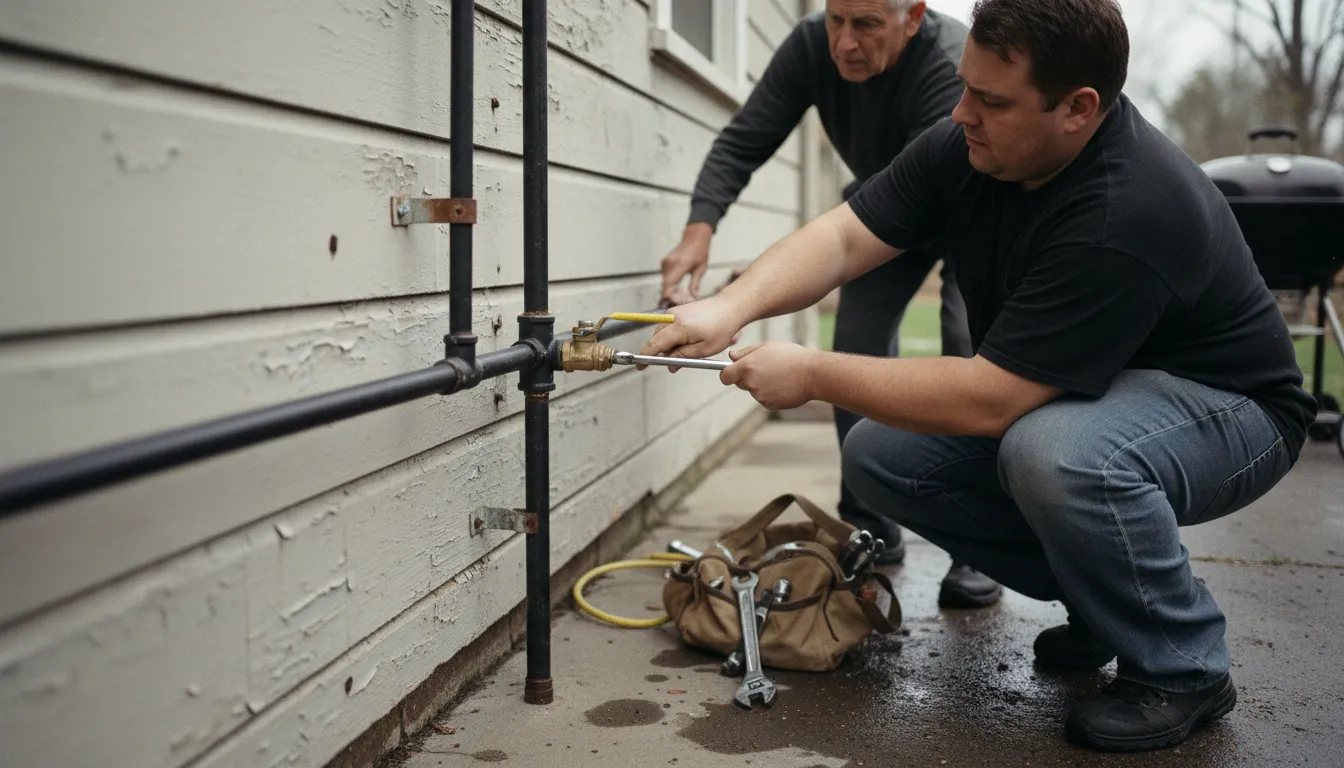
Whether you're connecting a new outdoor kitchen, upgrading an appliance, or addressing a potential leak, working with natural gas lines is a serious undertaking that requires professional expertise and strict adherence to local codes. Gas line services are critical for the safe and efficient operation of your home's furnace, water heater, stove, and other gas-fueled appliances. This guide will help you understand the process, regulations, and key considerations for finding qualified professionals in San Leandro to handle your gas piping needs safely and effectively.
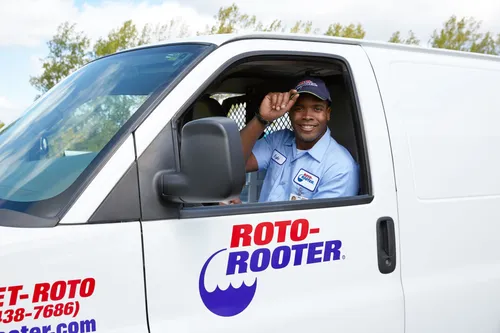
Roto-Rooter Plumbing & Water Cleanup
1780 Whipple Rd Ste 203G, Union City, CA 94587
Roto-Rooter Plumbing & Water Cleanup provides comprehensive plumbing services in San Jose, CA, specializing in residential and commercial plumbing solutions. Their offerings include sewer and drain cleaning, water heater repair and installation, leak detection, gas line installation, and trenchless sewer repair. The company is equipped to handle emergency plumbing situations with 24/7 availability, ensuring prompt response to issues like burst pipes and sewer backups. With extensive experience and advanced technology, Roto-Rooter addresses complex plumbing challenges efficiently. They also offer floodwater cleanup and mold remediation services, supporting property restoration after water damage. Serving the San Jose area and nearby communities, Roto-Rooter is a licensed and insured provider known for its broad range of plumbing capabilities and emergency service availability.
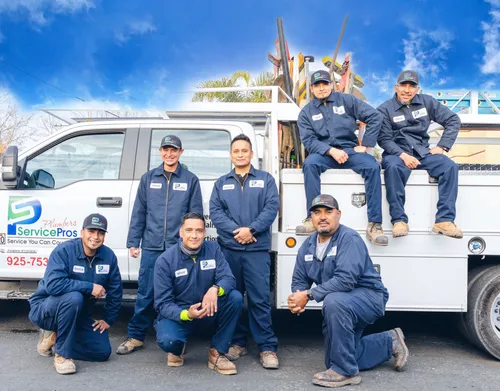
Service Pros Plumbers, Inc.
1320 Willow Pass Rd, Concord, CA 94520
Service Pros Plumbers, Inc. is a family-owned plumbing company serving Oakland, CA, with over 25 years of experience. They provide a wide range of plumbing services for residential and commercial customers, including water heater repair and installation, drain cleaning, sewer line replacement with trenchless options, leak detection, and gas line installation. Their licensed plumbers also offer whole-house repiping to improve water pressure and system efficiency. Service Pros Plumbers offers 24/7 emergency plumbing services to address urgent issues such as burst pipes and clogged drains promptly.
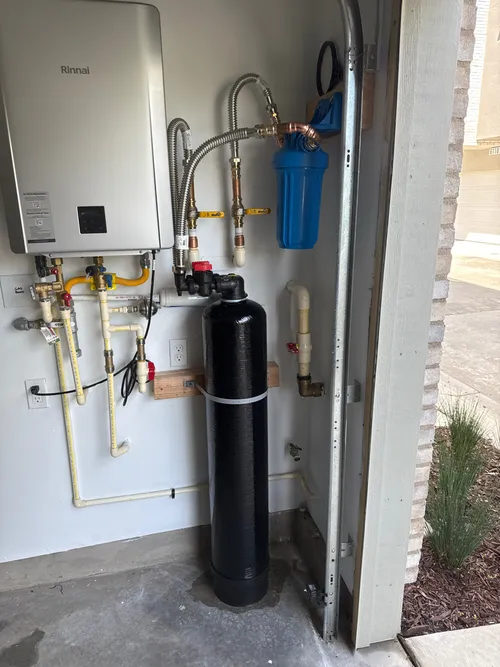
Polis Plumbing Inc
Oakland, CA
Polis Plumbing Inc is a licensed and insured plumbing company serving Oakland, CA. They provide residential and commercial plumbing services, including water heater installation and repair, tankless water heater services, water softener and filtration system installation, and gas line installation and repair. The company focuses on delivering customized plumbing solutions and maintaining trusted relationships with customers. Polis Plumbing Inc is equipped to handle a wide range of plumbing needs with a commitment to accuracy and efficiency.
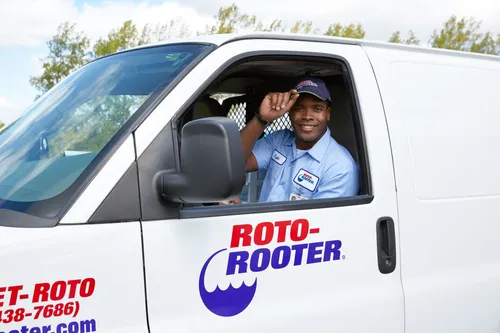
Roto-Rooter Plumbing & Water Cleanup
1070 Marina Village Pkwy UNIT 202, Alameda, CA 94501
Roto-Rooter Plumbing & Water Cleanup provides comprehensive plumbing services in San Francisco, CA, specializing in residential and commercial plumbing solutions. Their offerings include sewer and drain cleaning, water heater repair and installation, leak detection, sewer line repair using trenchless methods, and emergency flood cleanup. The company uses advanced equipment like hydro-jetting to address complex plumbing issues efficiently. Serving Alameda and nearby counties, Roto-Rooter is available 24/7 for emergency plumbing needs, ensuring prompt response to urgent situations.
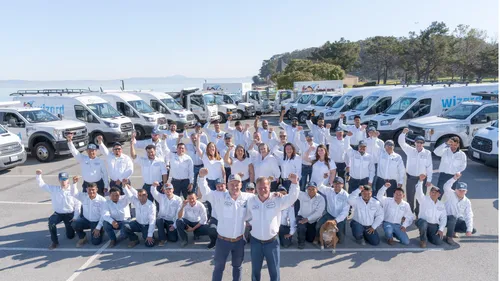
Caccia Home Services
1660 Gilbreth Rd, Burlingame, CA 94010
Caccia Home Services is a plumbing and home services provider based in Oakland, CA. They offer a wide range of plumbing solutions including water heater repair and installation, tankless water heaters, water softener installation, sump pump repair, hydro jetting, sewer line repair, trenchless sewer services, repiping, gas line installation, toilet and garbage disposal repairs. Their capabilities include advanced hydro jetting and trenchless sewer repair techniques. The company also provides emergency plumbing services and water treatment options.
Understanding Gas Line Services
Gas line installation and repair encompass a range of specialized plumbing and HVAC tasks. This work involves running new pipes from the main gas meter to an appliance, replacing old or corroded lines, adding branches for new fixtures, or repairing leaks in the existing system. Given the inherent dangers of natural gas-including fire, explosion, and carbon monoxide risks-this is not an area for DIY experimentation. All work must be performed by a licensed professional who understands the properties of gas, proper pipe sizing, pressure requirements, and, crucially, the local building codes enforced by the City of San Leandro.
The materials used have evolved over time. Older homes may have black iron pipe, while modern installations often use flexible corrugated stainless steel tubing (CSST) for indoor runs or yellow polyethylene (PE) plastic pipe for underground, exterior lines. Each material has specific installation protocols, fitting types, and code requirements that a licensed technician will follow.
The Permit Process in San Leandro
Before any work begins on your gas piping system, you must secure the proper permits. This is a non-negotiable step for safety and legal compliance.
Why Permits are Mandatory: The permit process ensures that the planned work is reviewed for safety and code compliance before it starts. It also triggers the essential final inspection, where a city official will verify that the installation is safe and properly tested. Using an unpermitted gas line can void your homeowner's insurance in the event of an incident and create serious hazards for your household.
How to Obtain a Permit: For many residential gas line projects, such as those for a new furnace or water heater, you can obtain an over-the-counter permit from the San Leandro Permit Center located at 835 E 14th Street 1. Your licensed contractor will typically handle this process. For more complex projects, a plan review may be required, where you or your pro must submit detailed diagrams of the proposed work for approval before the permit is issued 1.
Key Steps in a Professional Gas Line Project
A proper gas line installation or repair follows a meticulous sequence to ensure a safe, lasting result.
-
Assessment and Planning: A qualified technician will assess your needs, check the existing gas meter capacity, and plan the new pipe route. They will determine the correct pipe size (based on the appliance's BTU demand and pipe length) and select the appropriate materials for the application (indoor vs. outdoor, buried vs. exposed).
-
Trenching for Buried Lines: If the project involves running a new gas line to a detached garage, pool heater, or outdoor kitchen, trenching will be necessary. For plastic (PE) pipe, code typically requires a minimum depth of 18 inches. A critical and often code-mandated step is laying a tracer wire (usually yellow) alongside the buried plastic pipe. This wire allows future utility locators to easily find the buried gas line, preventing accidental strikes during digging.
-
Piping and Connection: The licensed professional will install the pipe, using code-approved fittings, supports, and joint-sealing compounds (like pipe dope or yellow Teflon tape for gas). They will ensure proper clearances from electrical sources and other utilities.
-
The Critical Pressure Test: This is the most important safety check. After the line is installed but before it is connected to the appliance, the technician will seal the system and pressurize it with air or an inert gas. The system must hold a specific pressure for a set duration (often 15-30 minutes) without any drop, confirming there are no leaks 2 3. A simple pressure test can cost between $75 and $150 2 4.
-
Leak Detection: Following the pressure test, a final leak check is performed on all joints and connections. A common and effective method professionals use is applying a soapy water solution to every fitting; the formation of bubbles indicates a leak that must be fixed.
-
Final City Inspection: Once the work passes the contractor's pressure and leak tests, you or your contractor must schedule a final inspection with the City of San Leandro. The inspector will verify the installation, likely witness a pressure test, and ensure everything meets code. Do not use the new gas line until the city inspector has granted final approval 5.
Find the perfect gas line plumbing companies for your needs
Get personalized recommendations and expert advice
Safety Considerations: Non-Negotiables for Gas Work
The consequences of improper gas line work can be catastrophic. Adhering to these safety principles is paramount.
- Always Use a Licensed Professional: California law requires gas line work to be performed by a licensed plumber or HVAC contractor. These professionals carry the necessary bonding and insurance to protect you and your property. They are trained to handle gas safely and know the local codes inside and out.
- Immediate Response to Leaks: If you smell gas (a distinctive rotten egg odor) or hear a hissing sound near a gas line, evacuate the area immediately and call 911 from a safe distance. Do not operate light switches, phones, or anything that could create a spark.
- Carbon Monoxide (CO) Awareness: Faulty gas appliances or poorly vented installations can lead to CO poisoning. Install UL-listed carbon monoxide detectors on every level of your home, especially near sleeping areas.
- Call Before You Dig: If you plan any excavation in your yard, even for landscaping, you must call 811 at least a few days in advance. This free service will have all public utilities marked. However, remember that 811 does not mark private lines, like the gas line from your meter to your barbecue-this is why the tracer wire is so important 6.
Cost Factors for Gas Line Projects
Costs for gas line services in San Leandro can vary widely based on the project's scope and complexity. Small repairs, such as fixing a leak at a valve, may cost a few hundred dollars. Installing a new line for a fireplace or appliance can range from several hundred to a few thousand dollars. Major projects, like running a new main line from the street or replacing all the gas piping in an older home, can cost several thousand dollars.
The final price is influenced by:
- Length and Diameter of Pipe Needed: More materials and labor increase cost.
- Labor Intensity: Running pipe through finished walls or under concrete slabs is more expensive than an exposed basement run.
- Trenching Requirements: Digging a long or deep trench significantly adds to the project cost.
- Permit and Inspection Fees: These are separate costs paid to the city.
- Material Type: CSST or black iron pipe have different material costs.
The only way to get an accurate price is to obtain detailed quotes from licensed, local professionals who can assess your specific situation.
Finding a Qualified Professional in San Leandro
Your safety depends on choosing the right contractor. Look for a plumber or HVAC company that:
- Holds a valid C-36 (Plumbing) or C-20 (Warm-Air Heating, Ventilating and Air-Conditioning) California contractor's license.
- Is specifically experienced in gas line installation and repair.
- Is familiar with San Leandro's permit and inspection process.
- Provides detailed, written estimates.
- Has positive reviews and a solid local reputation. Platforms like Yelp can list local specialists, such as Jazz Heating or Tyndall HVAC, who offer these services.
- Pulls the required city permit for the job as a standard part of their process.
Frequently asked questions
Sources
Footnotes
-
Permits / Plan Review | San Leandro, CA - https://www.sanleandro.org/240/Permits-Plan-Review ↩ ↩2
-
Gas Line Repair and Replacement Costs [2026 Data] | Angi - https://www.angi.com/articles/average-gas-line-repair-and-installation-costs.htm ↩ ↩2
-
Do You Need a Permit for Gas Line Work in California? - https://magnificentplumbing.com/do-you-need-permit-for-gas-line-work-california/ ↩
-
TOP 10 BEST Gas Line Services in San Leandro, CA - Yelp - https://m.yelp.com/search?find_desc=Gas+Line+Services&find_loc=San+Leandro%2C+CA ↩
-
Tip for finding a gas leak #plumbing #construction #youtubeshorts #diy - https://www.youtube.com/shorts/jDwcLUwUSO0 ↩
-
Frequently Asked Questions - CivicPlus.CMS.FAQ - https://www.rpvca.gov/faq.aspx?TID=40 ↩