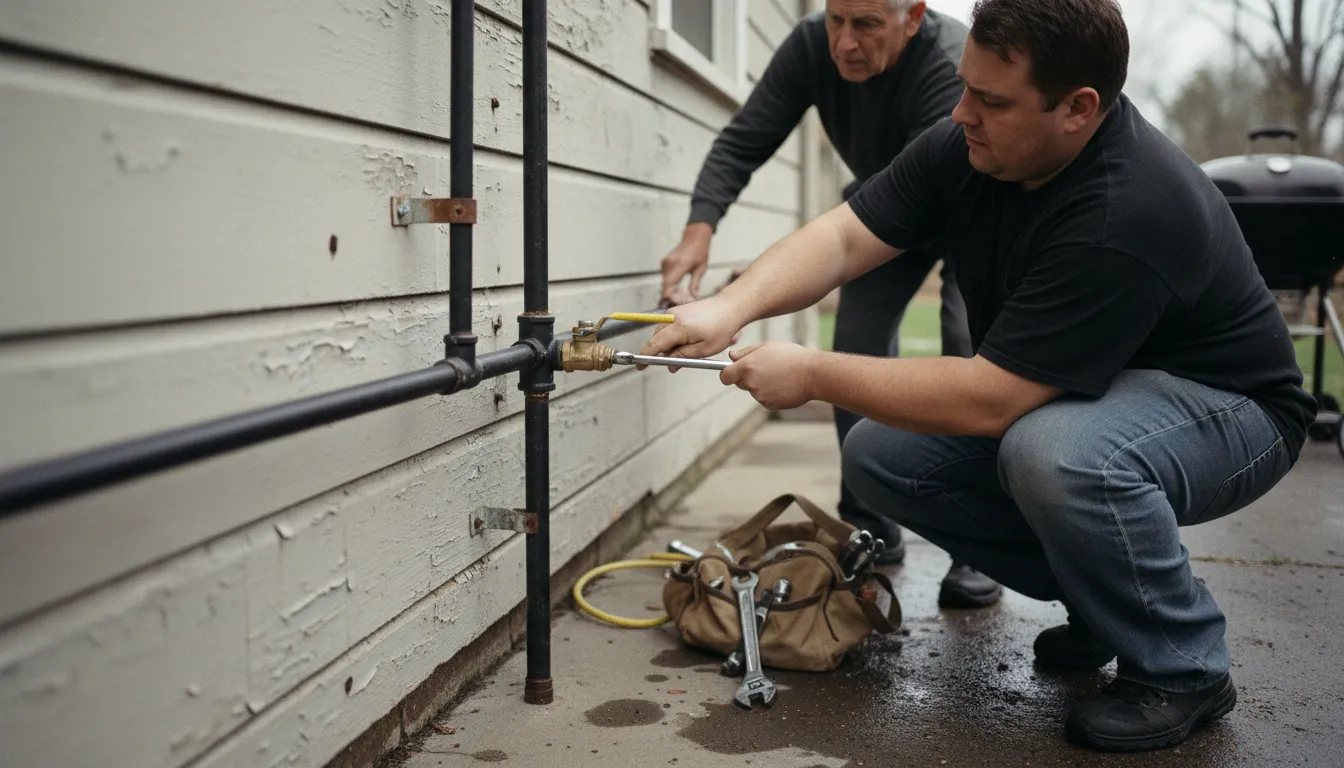
Find the Best Gas Line Plumbing Companies for Your Business
No obligation • Fast responses • Nationwide coverage

Why you can trust Search a Plumber
Search a Plumber is a leading United States resource for finding and evaluating professional plumbing services. Our team researches licensing, experience, and customer feedback to create unbiased, fact-driven overviews. Companies cannot pay to change ratings or placement, ensuring homeowners get trustworthy information.
Search providers near you
Top Gas Line Plumbing Companies in Roseville, California Ranked
Installing or repairing a gas line is a critical project that directly impacts the safety and functionality of your home or business. Proper gas piping work ensures reliable fuel delivery for appliances like furnaces, water heaters, stoves, and fireplaces while safeguarding your property from potential hazards. In Roseville, this work is governed by strict local and state codes, requiring permits, professional expertise, and specific safety protocols. This guide will help you understand the process, requirements, and key considerations for finding qualified professionals to handle your gas line project safely and effectively.
Top Rank Plumbing
Sacramento, CA
Top Rank Plumbing is a family-operated plumbing company serving Sacramento, CA. They provide a wide range of residential and commercial plumbing services including drain cleaning, hydro jetting, sewer camera inspections, water heater repair and installation, leak detection, repiping, gas line installation, and sewer line repair. Their licensed and insured technicians use advanced tools to deliver solutions tailored to each property. The company offers 24/7 emergency plumbing services and same-day scheduling to address urgent plumbing needs promptly.
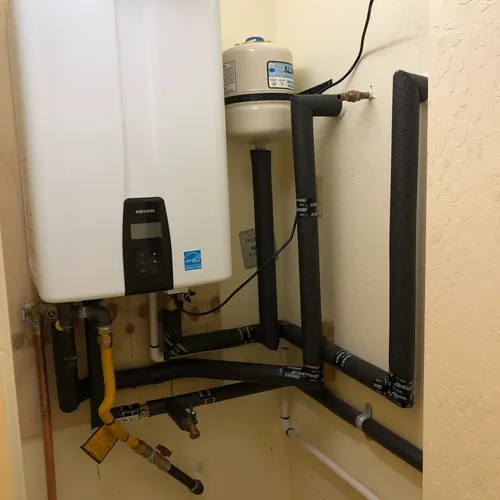
Roseville Plumbing Solutions
1210 Ross Ct, Roseville, CA 95678
Roseville Plumbing Solutions is a full-service plumbing company serving Sacramento, CA, and nearby communities. With over 35 years of experience, they offer a wide range of services including water heater installation and repair, tankless water heater maintenance, drain cleaning, and gas line installation. The company is equipped to handle both residential and commercial projects and provides 24/7 emergency plumbing services. Their skilled team uses advanced diagnostics and high-quality parts to ensure lasting results. They also specialize in kitchen and bathroom remodels, water tank cleaning, and water pump supply.
Paradise Plumbing Pros
4100 Wayside Ln # 100, Carmichael, CA 95608
Paradise Plumbing Pros is a plumbing service provider based in Sacramento, CA, offering a wide range of residential plumbing solutions. Their services include sewer camera inspections, water heater repair and installation, tankless water heater services, water softener installation, drain cleaning, hydro jetting, sewer line repair, leak detection, repiping, gas line installation, toilet repair, and garbage disposal repair. They are equipped to handle complex plumbing issues with expertise and advanced equipment, including hydro jetting to clear blockages and camera inspections to diagnose sewer line problems. Paradise Plumbing Pros provides 24/7 emergency plumbing services to ensure timely assistance whenever needed. The company is known for its skilled and certified plumbers who deliver comprehensive solutions with attention to detail and transparency.
Ducks Plumbing Heating Air
Sacramento, CA
Ducks Plumbing Heating Air provides plumbing, HVAC, and bathroom remodeling services in Sacramento, CA. They serve the greater Sacramento area including Elk Grove, Roseville, Citrus Heights, Davis, and Folsom. Their plumbing services cover sewer camera inspections, water heater repairs, water softener installations, drain cleaning, hydro jetting, sewer line repairs including trenchless methods, repiping, gas line installations, and repairs for toilets and garbage disposals. The company also offers heating and air conditioning installation and repair, as well as full bathroom remodels. Ducks Plumbing Heating Air emphasizes affordable services with attention to detail for homeowners throughout the region.
The Toilet Whisperer
819 L St, Davis, CA 95616
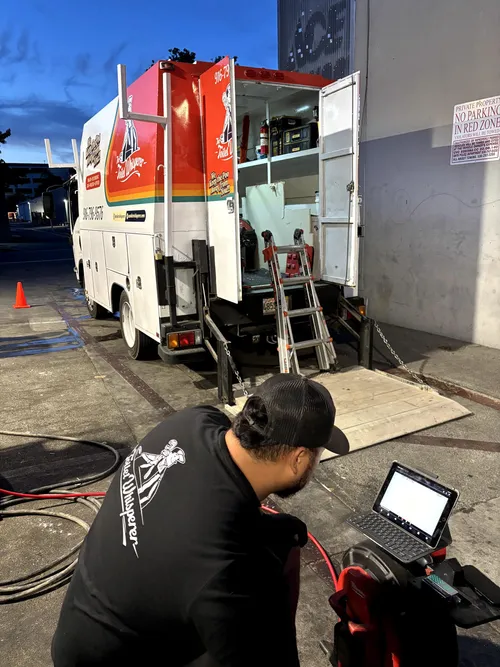
The Toilet Whisperer provides a wide range of plumbing services in Sacramento, CA, and the surrounding counties including Yolo, Solano, Placer, and Napa. Their offerings include sewer camera inspections, water heater repair and installation, drain cleaning, hydro jetting, sewer line repair with trenchless options, leak detection, gas line installation, and toilet repair. They have local expertise in building codes and environmental factors, which helps them deliver tailored plumbing solutions. The company offers 24/7 emergency plumbing services for urgent repairs and has years of experience serving the region.
Understanding Gas Line Services
Gas line installation involves running new piping from the main utility meter to an appliance or a new location on your property. This could be for a new outdoor kitchen, a fire pit, a backup generator, or relocating an appliance during a remodel. Gas line repair addresses issues like leaks, corrosion, or damage to existing piping. Given the inherent risks of working with natural gas or propane, these tasks are not DIY projects. They require the skills of a licensed professional who understands the properties of gas, pressure dynamics, and the precise installation techniques mandated by code.
In Roseville, common reasons for gas piping projects include:
- Home Additions & Renovations: Adding a gas fireplace, moving a laundry room, or installing a tankless water heater.
- Appliance Upgrades: Switching from electric to a gas range, dryer, or furnace.
- Outdoor Living Spaces: Installing fuel lines for barbecues, patio heaters, or fire features.
- Safety Repairs: Addressing a suspected leak, replacing corroded pipe sections, or upgrading old, unapproved materials.
The Critical Role of Permits and Inspections
One of the most important aspects of gas line work in Roseville is compliance with permitting and inspection regulations. This process exists solely for safety.
City of Roseville Permit: A building or plumbing permit is mandatory for any gas line installation or significant repair. You or your contractor must submit plans to the City's Development Services Department for review. This ensures your project's design meets all current building and plumbing codes before any work begins.
PG&E Approval: If your project involves connecting to or altering the service from the public natural gas main, you also need approval from Pacific Gas & Electric (PG&E). Your plans must receive their stamp of approval before the City permit is finalized and before any trenching or pipe installation starts 1.
The 811 Call: Before you or your contractor puts a shovel in the ground, you must call 811. This free service notifies all relevant utility companies, who will send locators to mark the approximate location of underground lines (electric, cable, water, sewer) on your property. This critical step prevents accidental strikes, service disruptions, injuries, and costly damages 2 3.
Step-by-Step: The Professional Installation Process
A professional gas line installation follows a meticulous sequence. Here's what you can expect when you hire a qualified contractor in Roseville:
- Planning & Permit Acquisition: Your contractor will draft plans detailing the pipe route, materials, and appliance connections. These plans are submitted to both the City of Roseville and PG&E for approval. Once approved, the official permit is issued 4.
- Utility Location (Call 811): With permits in hand, 811 is called to mark all public underground utilities. Your contractor will also need to identify any private lines.
- Trenching: For underground lines, a trench is dug. Code typically requires a minimum depth of 18 inches for steel pipe, and it may need to be deeper under driveways or in other specific situations.
- Pipe Installation: Approved materials like black steel pipe or Corrugated Stainless Steel Tubing (CSST) are cut, threaded, and assembled. All joints are meticulously sealed using approved compounds or fittings.
- Pressure Test (Rough-In Inspection): This is a vital safety checkpoint. The installer pressurizes the new line (often to 10 psi or more) and the pressure is monitored for a set period (e.g., 15 minutes). A stable pressure indicates no leaks. A city inspector must witness and approve this test before the trench is backfilled or walls are closed up 5.
- Backfill & Restoration: Once the rough-in passes, the trench is carefully backfilled, or wall cavities are sealed. For underground lines, special sand or clean backfill material may be required to protect the pipe 6.
- Final Connection & Inspection: The gas line is connected to the appliance, and all connections are checked. A final inspection is scheduled with the city to ensure the completed installation, including the appliance hookup, meets all codes and is safe for use 7.
Find the perfect gas line plumbing companies for your needs
Get personalized recommendations and expert advice
Safety Standards and Best Practices
Safety is the non-negotiable foundation of all gas piping work. Reputable professionals adhere to these core principles:
- Licensing is Mandatory: Always hire a contractor licensed by the California Contractors State License Board (CSLB) with the appropriate classification for plumbing or gas fitting. This ensures they have the required training, insurance, and knowledge of state and local codes.
- Approved Materials Only: Only specific materials are safe for gas. Black steel pipe and CSST are common. Older, unapproved materials like galvanized steel or certain plastics must be replaced. The correct material depends on the application (indoor vs. outdoor, underground).
- The Imperative Pressure Test: As outlined above, the pressure test is the definitive method for leak detection. Never allow a contractor to skip this step or cover pipes before an inspector has approved the test 8.
- Vigilance Against Corrosion: Gas lines, especially underground ones, are susceptible to corrosion. Installations should include protective coatings or wraps where needed. Existing pipes should be periodically inspected for signs of rust or damage, and any corrosion should be repaired immediately 9.
Cost Considerations for Gas Line Projects
The cost for gas line installation in Roseville can vary widely based on project scope. A simple, short run for a new stove might range from $500 to $1,500, while a long, complex run for an outdoor kitchen or a new service line could cost $2,000 or more 10 11.
Key factors influencing the price include:
- Length of Run: The primary cost driver; more pipe and more labor are required.
- Materials: CSST can be faster to install for complex runs but has different material costs than traditional steel pipe.
- Terrain and Accessibility: Digging through rocky soil, under driveways, or in tight crawl spaces adds time and complexity.
- Depth of Trench: Deeper trenches require more labor and excavation effort.
- Permit Fees: The City of Roseville and any PG&E review charges add to the project cost.
It's wise to get detailed, written estimates from multiple licensed contractors. The lowest price isn't always the best value; ensure the estimate includes all permit fees, materials, labor, and a clear description of the work to be performed.
Choosing the Right Professional in Roseville
Selecting the right contractor is your most important decision. Look for a professional who:
- Holds an active CSLB license and carries both liability insurance and workers' compensation.
- Is familiar with the specific permit processes for the City of Roseville and PG&E.
- Provides a detailed written estimate and contract.
- Can explain the process, including the 811 call, pressure testing, and inspection milestones.
- Has positive, verifiable reviews from past clients for similar gas line projects. Taking the time to find a qualified expert ensures your gas piping project is completed safely, to code, and will provide reliable service for years to come.
Frequently asked questions
Sources
Footnotes
-
Project Resources - PG&E - https://www.pge.com/en/account/service-requests/building-and-renovation/project-resources.html ↩
-
Natural Gas Line Installation: Safety Tips and Permits in ... - https://www.aloha-plumbinghvac.com/natural-gas-line-installation/ ↩
-
Placer County, CA NATURAL GAS FACILITIES - eCode360 - https://ecode360.com/43588462 ↩
-
Building Permits - City of Roseville - https://www.roseville.ca.us/government/departments/development_services/building/building_permits ↩
-
Frequently Asked Questions - CivicPlus.CMS.FAQ - https://www.rpvca.gov/faq.aspx?TID=40 ↩
-
Underground Gas Line - GasGuys.ca Inc. - https://www.gasguys.ca/underground-gas-lines/ ↩
-
Do You Need a Permit for Gas Line Work in California? - https://magnificentplumbing.com/do-you-need-permit-for-gas-line-work-california/ ↩
-
BUILDING INSPECTION REQUIREMENTS - Contra Costa County - https://www.contracosta.ca.gov/DocumentCenter/View/44633/RESIDENTIAL-GAS-PIPING ↩
-
Essential Guide to Gas Line Installation: Tips and Safety Precautions - https://gaeberly.com/gas-line-installation/ ↩
-
Gas Line Installation Cost: Factors, Estimates, And Comparisons - https://www.superbrothers.com/gas-line-installation-cost-factors-estimates-and-comparisons/ ↩
-
New Gas Line Installation Cost: Natural Gas Piping Supplies & ... - https://www.superbrothers.com/new-gas-line-installation-cost-natural-gas-piping-supplies-custom-piping/ ↩