Find the Best Gas Line Plumbing Companies for Your Business
No obligation • Fast responses • Nationwide coverage

Why you can trust Search a Plumber
Search a Plumber is a leading United States resource for finding and evaluating professional plumbing services. Our team researches licensing, experience, and customer feedback to create unbiased, fact-driven overviews. Companies cannot pay to change ratings or placement, ensuring homeowners get trustworthy information.
Search providers near you
Top Gas Line Plumbing Companies in Rosemead, California Ranked
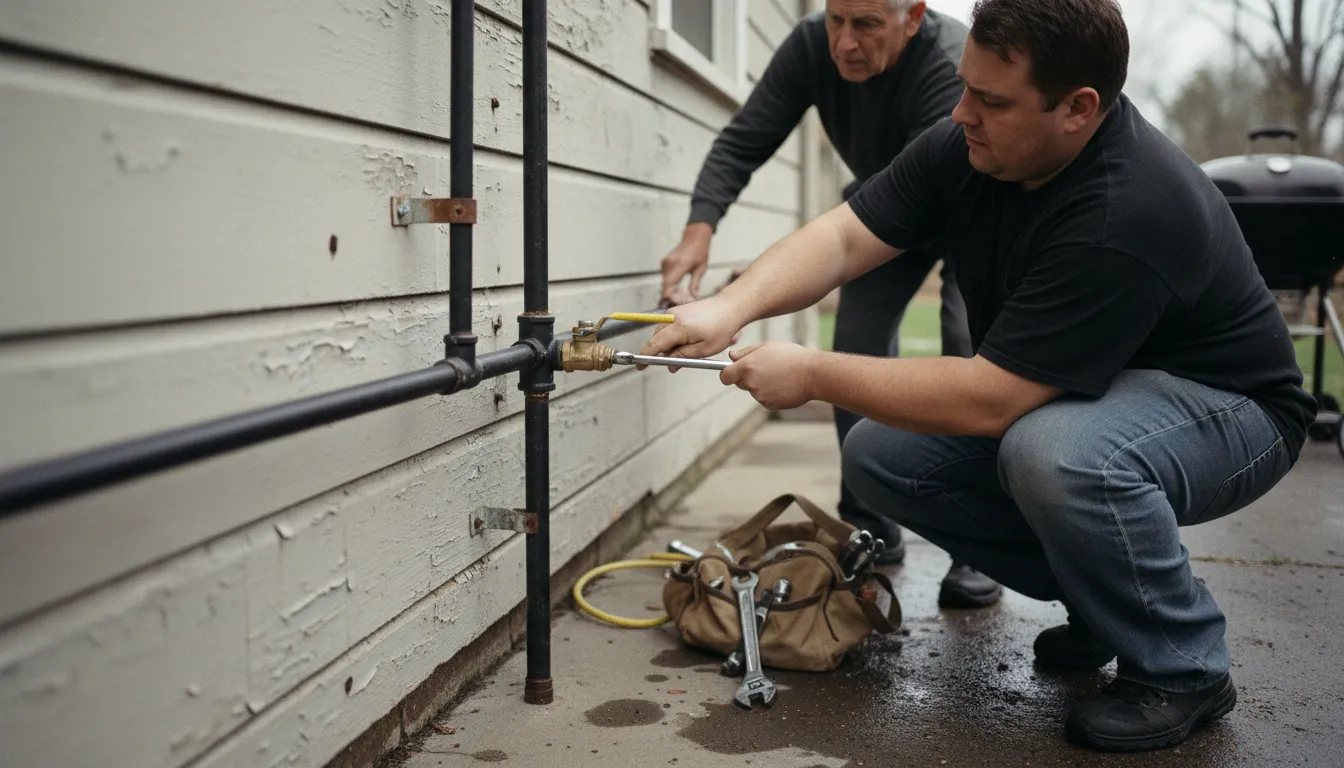
Installing or repairing a gas line is a critical home improvement project that directly impacts the safety and functionality of your property. Whether you're adding a gas stove, dryer, or outdoor fire pit, proper gas line work requires adherence to strict local codes and safety protocols. This guide explains the essential steps, regulations, and considerations for gas line projects in Rosemead, helping you understand the process and connect with qualified local professionals.
Carlson Plumbing Pros
17150 Newhope St Suite 301-302, Fountain Valley, CA 92708
Carlson Plumbing Pros is a licensed plumbing company serving Santa Ana, CA, and the broader Orange County area. They offer a wide range of plumbing services including water heater repair, water softener installation, drain cleaning, sewer line repair, leak detection, repiping, and gas line installation. With over 20 years of experience, they provide skilled plumbing solutions and are equipped to handle emergencies with 24/7 availability.
DX Plumbing and Hydro Jetting Inc🔧
10940 Wilshire Blvd Ste 1600-PMB #818, Los Angeles, CA 90024
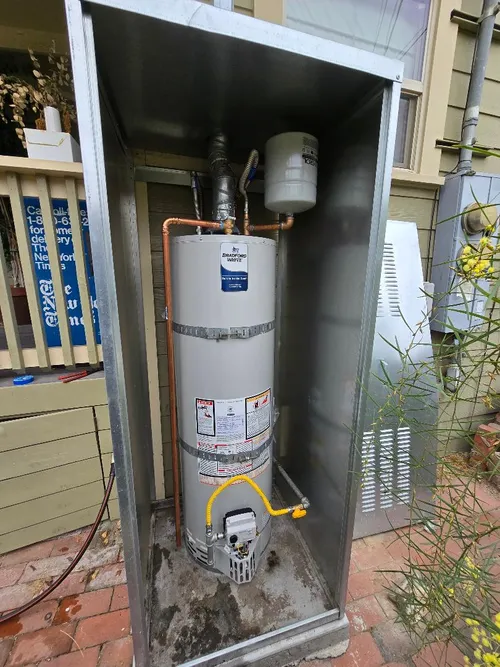
DX Plumbing and Hydro Jetting Inc is a family-owned plumbing company serving Los Angeles, CA. They offer a range of services including water heater repair and installation, drain cleaning, hydro jetting, and gas line installation. The company uses advanced technology for drain inspections and focuses on quality and attention to detail in every job. With over a decade of experience, DX Plumbing emphasizes honesty and professionalism in addressing plumbing issues from minor repairs to major pipe replacements.
SoCal Plumbing & Rooter Inc.
420 W Lambert Rd suite f, Brea, CA 92821
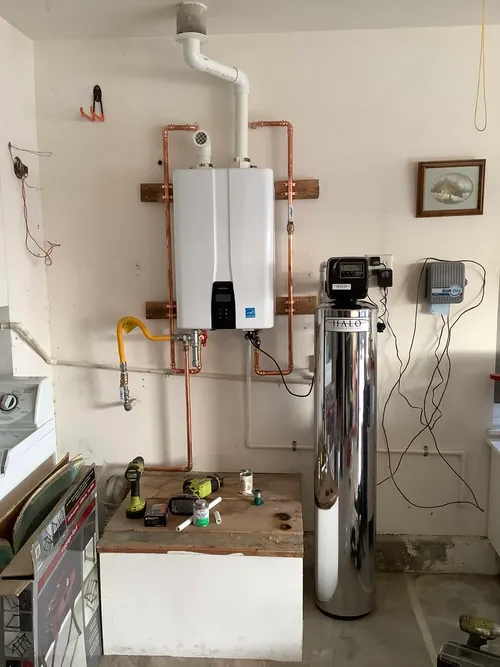
SoCal Plumbing & Rooter Inc. is a full-service plumbing company serving Anaheim, CA, and the surrounding Orange County area. They provide a wide range of plumbing services including sewer camera inspections, water heater repair and installation, drain cleaning, hydro jetting, leak detection, repiping, gas line installation, and sewer line repair with trenchless methods. The company offers 24/7 emergency plumbing services to address urgent issues such as burst pipes, overflowing toilets, and sewer backups. Their expertise includes advanced leak detection and hydro jetting to clear stubborn clogs and maintain plumbing system efficiency. SoCal Plumbing & Rooter Inc. is fully licensed and insured, committed to meeting industry standards and local codes.
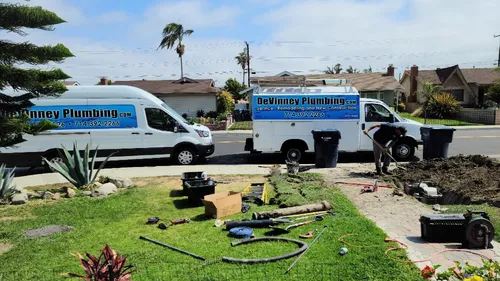
DeVinney Plumbing, Inc.
7501 Slater Ave L, Huntington Beach, CA 92647
DeVinney Plumbing, Inc. is a family-owned plumbing company serving Santa Ana, CA, and the surrounding Orange County area. With 40 years of experience, they provide a wide range of residential and commercial plumbing services including water heater installation and repair, tankless water heaters, water softener installation, drain cleaning, sewer line repair, leak detection, and gas line installation. They specialize in challenging issues like underground water leaks, gas leaks, and slab leaks. Their advanced electronic leak detection helps locate hidden leaks efficiently, minimizing damage and repair costs.
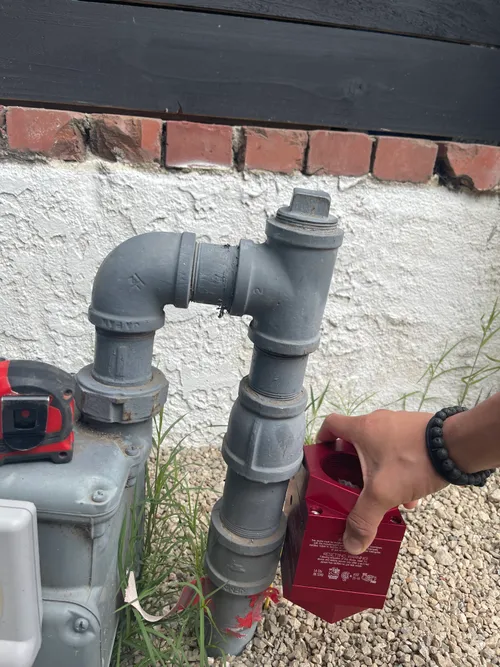
Local Plumbers, Inc.
14967 Oswald St, Los Angeles, CA 91342
Local Plumbers, Inc. is a plumbing service provider based in Santa Clarita, CA. They offer a range of services including water heater repair, drain cleaning, sewer line repair, leak detection, repiping, gas line installation, toilet repair, and garbage disposal repair. The company is known for its ability to respond quickly to urgent issues such as sewer pipe repairs and leak detection. Customers have noted the professionalism and clear communication of the team. Local Plumbers, Inc. serves the Santa Clarita area with a focus on thorough diagnostics and effective repairs.
Understanding Local Gas Line Regulations
In Rosemead, all gas line installation and repair work is governed by the California Building Code and local amendments enforced by the City of Rosemead's Building & Safety Department 1. The most important rule to know is that a permit is mandatory for virtually any gas line work, from a simple appliance hookup to running a new line across your property. This isn't just bureaucratic red tape; it's a vital safety measure. The permit process triggers required inspections and pressure tests designed to prevent dangerous leaks, fires, or explosions.
The responsibility for pulling this permit typically falls to the licensed contractor you hire. In California, only licensed C-36 Plumbing or C-20 HVAC contractors are legally authorized to perform gas line work. While homeowners can technically pull a permit for DIY work, this is strongly discouraged due to the extreme hazards involved with natural gas. Using a licensed professional ensures the job meets all code requirements for materials, depth, and connection integrity.
The Step-by-Step Process for Gas Line Projects
A successful gas line project follows a clear sequence. Skipping steps can lead to failed inspections, costly rework, or serious safety issues.
1. Planning and Permitting
Before any digging or pipe work begins, your licensed contractor will submit plans and apply for a permit with the City of Rosemead. This application details the scope of work, the materials to be used, and the project location. Once the permit is issued, work can commence.
2. Calling 811 for Utility Locates
This is a non-negotiable first step for any project involving digging. You must call 811 at least two business days before you dig. This free service dispatches utility companies to mark the approximate locations of all underground lines-not just gas, but also water, sewer, electricity, and communications 2. Knowing where these lines are prevents catastrophic strikes, service interruptions, and potential liability.
3. Installation with Approved Materials
A professional will install the gas piping using materials approved by code. In Rosemead, common approved materials include:
- Black Iron Steel Pipe: The traditional, highly durable choice for both indoor and underground applications.
- CSST (Corrugated Stainless Steel Tubing): A flexible, yellow-jacketed tubing often used for running lines through walls and attics or to appliances.
For underground lines, trenching depth is critical. While codes can vary, a common minimum depth for steel gas lines is 18 inches, but local Rosemead requirements must be verified 3. The contractor will run the pipe at the proper depth, ensuring secure, leak-free connections at all fittings and valves.
4. Mandatory Inspections and Pressure Testing
The city will conduct inspections at key stages. After the line is run but before it's connected to an appliance or buried (the "rough-in"), an inspector will visit. A core part of this inspection is the mandatory pressure test 4 5 6. The sealed gas line is pressurized with air (typically to 1.5 times its normal operating pressure) and must hold that pressure without any drop for a minimum of 15 minutes. This test definitively proves the integrity of the entire installation. A final inspection occurs after the line is connected to the appliance.
Find the perfect gas line plumbing companies for your needs
Get personalized recommendations and expert advice
Why Professional Installation is Non-Negotiable
Gas line work is one of the most dangerous DIY projects a homeowner could consider. Natural gas is highly combustible, and even a small leak can lead to a buildup that may cause a devastating explosion or fire 7. Licensed professionals bring essential expertise:
- Code Knowledge: They know the specific depth, material, and support requirements for Rosemead.
- Proper Tools and Techniques: Making gas-tight connections requires specific skills and tools like pipe threaders and leak detection solution.
- Safety Protocols: Professionals understand how to safely purge air from lines, check for leaks at every connection, and ensure proper appliance venting.
- Liability and Insurance: A licensed contractor carries insurance that protects you if something goes wrong. DIY mistakes may void your homeowner's insurance in the event of a gas-related incident.
Investing in professional gas line installation and repair is an investment in your property's and family's safety. It ensures the work is done correctly the first time, passes all inspections, and provides peace of mind for years to come.
Cost Considerations for Gas Line Work in Rosemead
The cost of gas line projects varies significantly based on scope, materials, and site difficulty. Below are general price ranges, but always get detailed quotes from licensed local contractors 8 9.
- Running a New Gas Line to an Appliance: For example, extending a line from an existing point to a new kitchen stove or laundry dryer typically ranges from $500 to $1,500 or more. The final price depends on the length of the run, whether walls or floors need to be opened, and the material used.
- New Line with Appliance Installation: Bundling the gas line work with the hookup of a new stove, dryer, or water heater often ranges from $1,000 to $2,500+, factoring in both the plumbing and appliance installation labor.
- Outdoor Gas Lines: Installing a line for a fire pit, outdoor kitchen, or patio heater is often more complex due to trenching. These projects commonly range from $1,500 to $4,000+. The cost is driven by the distance from the house, soil conditions, and the need to saw-cut and repair concrete (like a patio or sidewalk).
Key factors influencing cost include:
- Permit Fees: The City of Rosemead charges fees for permits and inspections, which your contractor will usually include in the quote.
- Trenching Difficulty: Rocky soil, tree roots, or long distances increase labor and equipment time.
- Material Choice: CSST can be faster to install in certain scenarios, while black iron may have different material and labor costs.
- Contractor Rates: Established, highly-rated professionals may charge more for their expertise and insurance coverage.
Recognizing When You Need Gas Line Repair
Gas lines are built to last, but they can corrode, be damaged by excavation, or develop faulty connections over time. Signs you may need gas line repair include:
- The smell of rotten eggs (odorant added to natural gas) inside or outside your home.
- Hissing sounds near a gas line.
- Dead or discolored vegetation in an otherwise healthy lawn along the path of an underground line.
- Higher-than-normal gas bills without increased usage, which can indicate a leak.
- Difficulty lighting appliances or pilot lights that frequently go out.
If you suspect a gas leak, leave the area immediately and call 911 or your gas utility company from a safe distance. Do not operate light switches or anything that could create a spark.
Repair vs. Replacement: For older homes with original steel lines, a section repair might be possible. However, if corrosion is widespread or the line is made of outdated, unsafe materials, a full replacement from the meter to the appliances may be the safer, more cost-effective long-term solution 10.
Frequently asked questions
Sources
Footnotes
-
2022-26 - Addendum No. 2 - IIS Windows Server - City of Rosemead - https://www3.cityofrosemead.org/WebLink/DocView.aspx?id=59696&dbid=1&repo=Rosemead ↩
-
Frequently Asked Questions - CivicPlus.CMS.FAQ - https://www.rpvca.gov/faq.aspx?TID=40 ↩
-
How Deep Are Gas Lines Buried? - J.D. Power - https://www.jdpower.com/cars/shopping-guides/how-deep-are-gas-lines-buried ↩
-
Natural Gas Line Installation: Safety Tips and Permits in ... - https://www.aloha-plumbinghvac.com/natural-gas-line-installation/ ↩
-
Do You Need a Permit for Gas Line Work in California? Know the Laws - https://magnificentplumbing.com/do-you-need-permit-for-gas-line-work-california/ ↩
-
Gas Line Repair - Discount Plumbing San Diego - https://www.discountplumbingsandiego.com/services/gas-line-repair/ ↩
-
Should You Install Gas Lines Yourself? - Leahy's Fuels - https://www.leahys.com/blog/should-you-install-gas-lines/ ↩
-
How Much Does It Cost to Replace a Gas Line? | ConsumerAffairs® - https://www.consumeraffairs.com/homeowners/how-much-does-it-cost-to-replace-gas-lines.html ↩
-
How Much Do Gas Line Installation or Repairs Cost? [2026 Data] | Angi - https://www.angi.com/articles/what-average-cost-85-run-natural-gas-line.htm ↩
-
Should I Repair or Replace My Gas Line? - https://redcapnow.com/help-guides/repair-or-replace-gas-line ↩