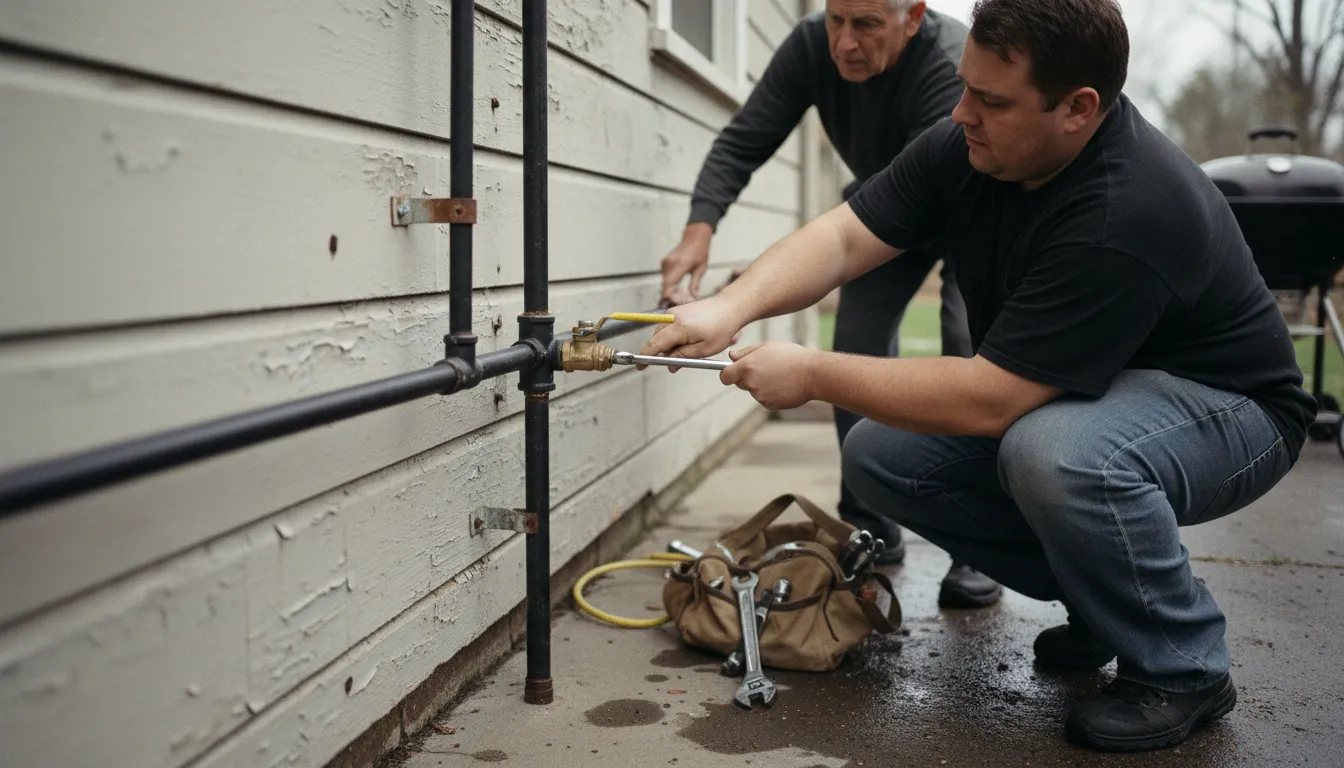
Find the Best Gas Line Plumbing Companies for Your Business
No obligation • Fast responses • Nationwide coverage

Why you can trust Search a Plumber
Search a Plumber is a leading United States resource for finding and evaluating professional plumbing services. Our team researches licensing, experience, and customer feedback to create unbiased, fact-driven overviews. Companies cannot pay to change ratings or placement, ensuring homeowners get trustworthy information.
Search providers near you
Top Gas Line Plumbing Companies in Rancho Cucamonga, California Ranked
Ensuring your home or business has a safe and reliable gas supply is a critical task that requires professional expertise. Gas line installation and repair involves running new piping from the main utility line to your appliances or fixing existing lines that may be leaking or damaged. This work is essential for powering furnaces, water heaters, stoves, and fireplaces, but it carries significant risks if not performed correctly. In Rancho Cucamonga, this process is governed by strict local and state codes to protect your property and family. This guide will help you understand the key steps, regulations, and considerations for finding qualified professionals to handle your gas piping needs.
Jim & Sons Plumbing & Rooter
9345 Narnia Dr, Riverside, CA 92503
Jim & Sons Plumbing & Rooter is a family-owned plumbing company serving Riverside, CA, and the surrounding Inland Empire region. Since 1983, they have provided residential and commercial plumbing services including water heater repair and installation, drain cleaning, sewer line repair, leak detection, repiping, gas line installation, and garbage disposal repair. They specialize in trenchless sewer repair techniques such as pipe bursting and cured-in-place lining, which allow sewer line renewal without excavation, preserving landscaping and minimizing environmental impact. The company offers same-day service and is fully licensed and insured.
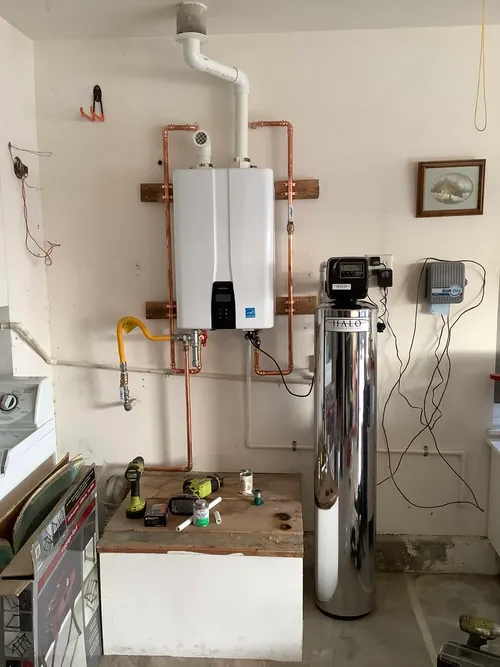
SoCal Plumbing & Rooter Inc.
420 W Lambert Rd suite f, Brea, CA 92821
SoCal Plumbing & Rooter Inc. is a full-service plumbing company serving Anaheim, CA, and the surrounding Orange County area. They provide a wide range of plumbing services including sewer camera inspections, water heater repair and installation, drain cleaning, hydro jetting, leak detection, repiping, gas line installation, and sewer line repair with trenchless methods. The company offers 24/7 emergency plumbing services to address urgent issues such as burst pipes, overflowing toilets, and sewer backups. Their expertise includes advanced leak detection and hydro jetting to clear stubborn clogs and maintain plumbing system efficiency. SoCal Plumbing & Rooter Inc. is fully licensed and insured, committed to meeting industry standards and local codes.
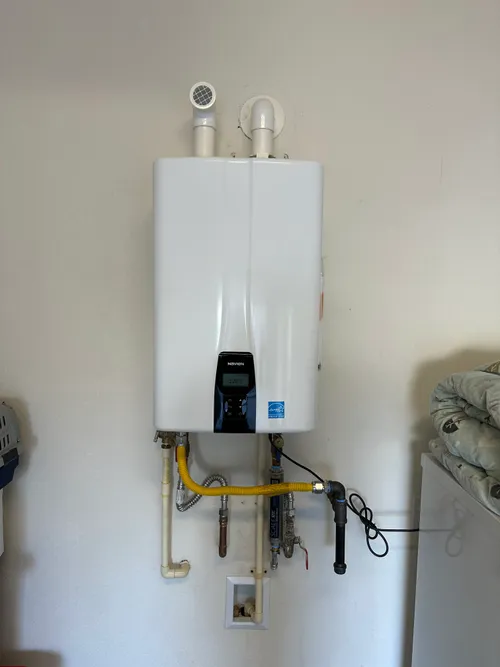
Dependable Plumber Inc
22980 Brompton St, Moreno Valley, CA 92553
Dependable Plumber Inc provides a wide range of plumbing services in Riverside, CA, including water heater repair and installation, water softener installation, sump pump and sewer line repair, drain cleaning, leak detection, gas line installation, and garbage disposal repair. They serve both residential and commercial clients throughout Riverside and San Bernardino County. The company offers 24/7 emergency plumbing services to address urgent issues such as burst pipes and major clogs. Dependable Plumber Inc is known for transparent pricing and a commitment to completing jobs correctly the first time.
A-1 Total Service Plumbing
1061 S Cypress St, La Habra, CA 90631
A-1 Total Service Plumbing is a licensed, bonded, and insured plumbing company serving Anaheim, CA, and the surrounding areas of Los Angeles and Orange County. They provide a wide range of plumbing services including water heater repair and installation, drain cleaning, hydro jetting, sewer line repair, trenchless pipe repair, leak detection, repiping, and gas line installation. The company specializes in trenchless pipe relining, using cured-in-place piping techniques to restore pipes efficiently while minimizing disruption to property. With decades of experience, A-1 Total Service Plumbing handles residential, commercial, and municipal plumbing projects and is known for managing complex infrastructure repairs. They also offer military promotions and have expertise in large-scale commercial and municipal projects.
Top Tier Plumbing & Air LLC
12210 Michigan St Unit 2, Grand Terrace, CA 92313
Top Tier Plumbing & Air LLC is a plumbing company serving Riverside, CA, and surrounding areas. They offer a range of residential plumbing services including water heater repair and installation, tankless water heater services, drain cleaning, sewer line repair, trenchless sewer repair, leak detection, gas line installation, and toilet repair. The company specializes in trenchless sewer replacement and hydro jetting, providing modern solutions for sewer and drain issues. Established in 2010, Top Tier Plumbing & Air LLC brings over a decade of experience to their work. They also provide 24/7 emergency plumbing services to address urgent needs promptly.
Understanding Gas Line Services
Gas line work encompasses a variety of services, all focused on the safe conveyance of natural gas or propane. New gas line installation is common for home additions, outdoor kitchens, or when adding a new appliance like a pool heater. Gas line repair addresses issues like leaks, corrosion, or damage from excavation. Gas line replacement may be necessary for older homes with outdated or unsafe materials. Regardless of the specific job, the core principles remain the same: safety, code compliance, and professional execution. Using a licensed specialist for this utility work is non-negotiable, as improper installation can lead to gas leaks, fire hazards, and health risks.
The Permit Process in Rancho Cucamonga
Before any work begins, the first and most crucial step is obtaining the proper permit. In Rancho Cucamonga, all gas line installation, repair, or replacement requires a permit from the City's Building & Safety Department. This is not merely a formality; it's a vital safety checkpoint.
- Why Permits are Mandatory: The permit process ensures that your project plans are reviewed for compliance with the California Plumbing Code and other safety standards. It also triggers the required inspections, which are your final assurance that the work was done safely and correctly. Skipping this step can result in fines, invalidated home insurance, and serious safety hazards.
- How to Apply: Typically, your licensed contractor will handle the permit application. It involves submitting detailed plans and diagrams of the proposed gas piping work to the city 1. Many municipalities, including Rancho Cucamonga, may offer online submission options to streamline the process.
- The Inspection Phase: Once the work is complete, the city will schedule an inspection. A key part of passing inspection is the pressure test, where the new or repaired line is pressurized with air to check for any leaks before the gas is turned on. Only after a city inspector approves the work is the project officially complete and safe to use.
Step-by-Step: The Installation & Repair Process
A professional gas line project follows a meticulous sequence. Here's what you can expect when you hire a qualified expert in Rancho Cucamonga.
1. Planning and Calling 811
The process starts with a detailed site plan. Then, before any digging occurs, the contractor must call 811, the national "Call Before You Dig" hotline 2 3 4. This free service dispatches utility companies to mark the location of all underground lines (gas, water, electric, cable) on your property. Striking an unmarked line is dangerous and can incur massive repair costs and liability.
2. Excavation and Trenching
For underground lines, the next step is digging a trench. Depth is critical for safety and code compliance. Generally, gas lines must be buried at least 18 to 24 inches deep, with requirements going even deeper (24 inches or more) under driveways or areas with heavy traffic 5. The trench provides a protected pathway for the new piping.
3. Material Selection and Installation
Not all pipes are suitable for gas. Approved materials include:
- Black Steel Pipe: The traditional, durable choice for both indoor and outdoor applications.
- CSST (Corrugated Stainless Steel Tubing): A flexible, easier-to-install tubing often used for running lines through walls and attics.
- Copper: Used in some specific applications, though local codes will dictate its acceptability.
The chosen material is carefully laid in the trench or routed through the structure. A critical safety step for non-metallic pipes is the installation of a yellow tracer wire alongside the pipe, allowing future locators to find the line easily 6.
4. Pressure Testing and Final Connection
After the pipe is installed and connected, the system undergoes a rigorous pressure test. The line is sealed and pressurized with air, and the pressure is monitored for drops that would indicate a leak. This test is usually performed before the city inspection. Once the system passes all tests and inspections, the utility company or your contractor will make the final connection to the meter, and your appliances can be safely commissioned.
Find the perfect gas line plumbing companies for your needs
Get personalized recommendations and expert advice
Safety, Licensing, and Why Professionals Are Essential
Gas line work is one of the most regulated trades in construction for a very good reason. The potential consequences of a mistake are severe.
- Licensing is Paramount: Always hire a contractor licensed specifically for plumbing and gas fitting in California. A license is proof that the professional has the required training, knowledge, and insurance to perform the job legally and safely 7. They understand the nuances of the California Building Code as it applies to fuel gas piping.
- Code Compliance Protects You: Adherence to code isn't about red tape; it's about a proven set of rules designed to prevent explosions, fires, and carbon monoxide poisoning. Professional installation ensures proper venting, secure connections, correct material use, and adequate support for all piping.
- Insurance and Home Value: Unpermitted, DIY, or unlicensed gas work can void your homeowner's insurance policy. If a leak occurs, you could be fully liable for all damages. Furthermore, unpermitted work can cause major issues during a home sale, requiring costly retroactive inspections and repairs.
Cost and Time Considerations
The investment for gas line services in Rancho Cucamonga varies based on project scope. For a simple repair or a short extension for a grill, you might expect costs starting around $500 to $1,000 8 9. A full new line installation from the meter to an appliance, especially one requiring long trenching, can easily range from $1,500 to $2,000 or more 8 9. Complexity, distance, soil conditions, and permit fees all influence the final price.
Timeline is also project-dependent. A straightforward above-ground repair might be completed in a day. A comprehensive underground installation for a new construction project will take longer-often several days-when accounting for the 811 waiting period, excavation, installation, testing, and the scheduling of city inspections. A reputable professional will provide a clear estimate and timeline upfront, factoring in all these steps.
Maintaining Your Gas System
After a professional installation, ongoing vigilance is key. Be aware of the signs of a potential gas leak: the distinctive rotten egg smell (odorant added to gas), a hissing sound near a line, dead vegetation in an otherwise healthy area over a buried line, or unexplained physical symptoms like dizziness or nausea. If you suspect a leak, leave the area immediately and call 911 or the utility company from a safe distance. Schedule regular inspections of your gas appliances and the visible portions of your gas lines, especially if your home is older. Ensuring proper ventilation for all gas-burning appliances is also crucial to prevent carbon monoxide buildup.
Frequently asked questions
Sources
Footnotes
-
Building & Safety | City of Rancho Cucamonga - https://www.cityofrc.us/community-development/building-safety ↩
-
Natural Gas Line Installation: Safety Tips and Permits in ... - https://www.aloha-plumbinghvac.com/natural-gas-line-installation/ ↩
-
Frequently Asked Questions - CivicPlus.CMS.FAQ - https://www.rpvca.gov/faq.aspx?TID=40 ↩
-
811 & Safety Tips for Contractors & Excavators - Socalgas - https://www.socalgas.com/safety/safety-and-prevention/digging-and-yard-safety/contractors ↩
-
How Deep Are Gas Lines Buried? - J.D. Power - https://www.jdpower.com/cars/shopping-guides/how-deep-are-gas-lines-buried ↩
-
Underground Gas Line - GasGuys.ca Inc. - https://www.gasguys.ca/underground-gas-lines/ ↩
-
Do You Need a Permit for Gas Line Work in California? Know the Laws - https://magnificentplumbing.com/do-you-need-permit-for-gas-line-work-california/ ↩
-
Gas Line Installation in Rancho Cucamonga - https://www.allcityplumbing4u.com/plumbing/gas-line-repair-installation/ ↩ ↩2
-
Gas Line Installation Cost: Calculator - https://developmentandengineering.com/gas-line-installation-cost-calculator/ ↩ ↩2