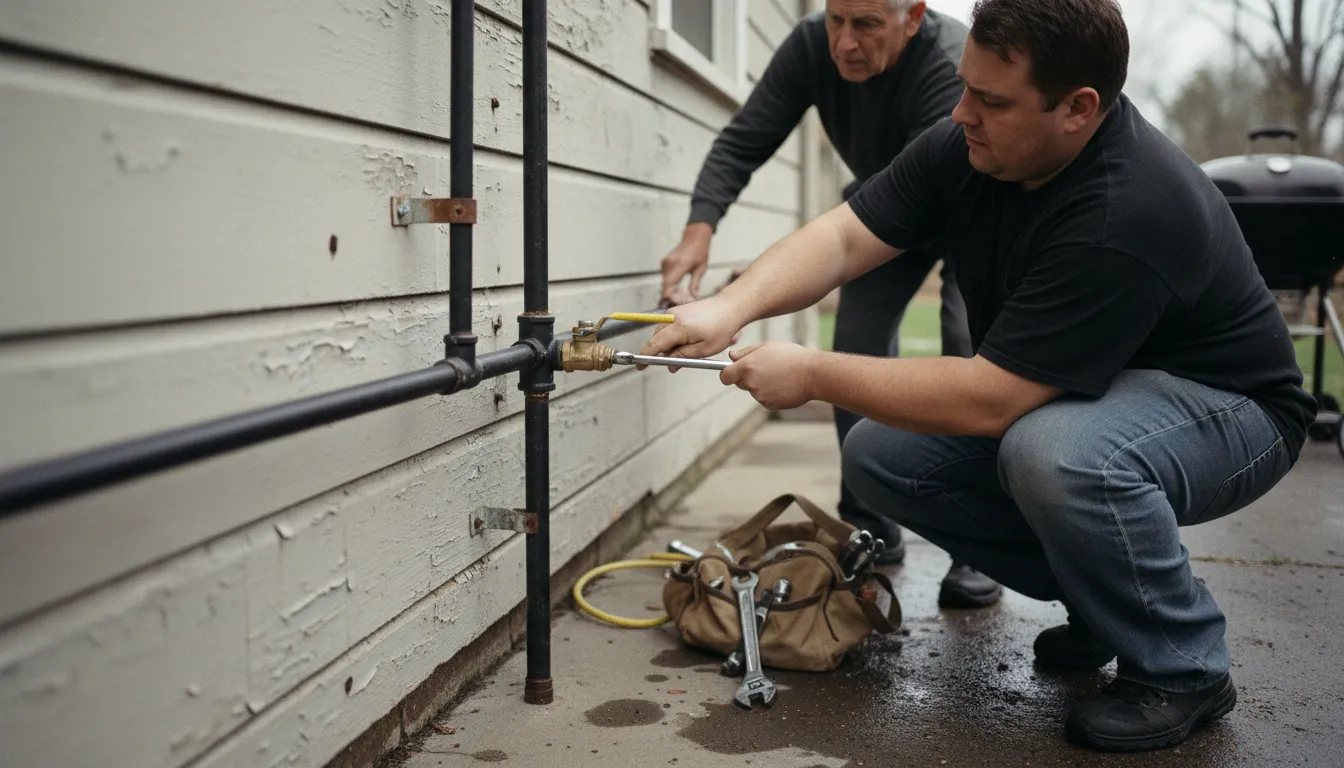
Find the Best Gas Line Plumbing Companies for Your Business
No obligation • Fast responses • Nationwide coverage

Why you can trust Search a Plumber
Search a Plumber is a leading United States resource for finding and evaluating professional plumbing services. Our team researches licensing, experience, and customer feedback to create unbiased, fact-driven overviews. Companies cannot pay to change ratings or placement, ensuring homeowners get trustworthy information.
Search providers near you
Top Gas Line Plumbing Companies in Rancho Cordova, California Ranked
Installing or repairing a gas line is a critical project that directly impacts the safety and functionality of your home. Whether you're adding a gas stove, fireplace, or outdoor kitchen, proper gas piping ensures reliable fuel delivery and prevents dangerous leaks. In Rancho Cordova, this work is governed by strict state and local codes to protect residents and property. This guide will help you understand the process, requirements, and how to find qualified local professionals for your gas system needs.
Top Rank Plumbing
Sacramento, CA
Top Rank Plumbing is a family-operated plumbing company serving Sacramento, CA. They provide a wide range of residential and commercial plumbing services including drain cleaning, hydro jetting, sewer camera inspections, water heater repair and installation, leak detection, repiping, gas line installation, and sewer line repair. Their licensed and insured technicians use advanced tools to deliver solutions tailored to each property. The company offers 24/7 emergency plumbing services and same-day scheduling to address urgent plumbing needs promptly.
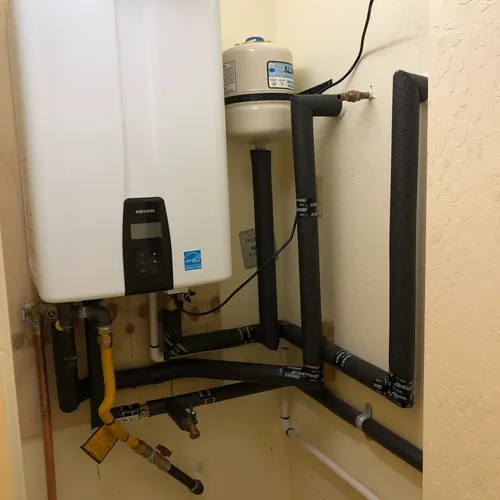
Roseville Plumbing Solutions
1210 Ross Ct, Roseville, CA 95678
Roseville Plumbing Solutions is a full-service plumbing company serving Sacramento, CA, and nearby communities. With over 35 years of experience, they offer a wide range of services including water heater installation and repair, tankless water heater maintenance, drain cleaning, and gas line installation. The company is equipped to handle both residential and commercial projects and provides 24/7 emergency plumbing services. Their skilled team uses advanced diagnostics and high-quality parts to ensure lasting results. They also specialize in kitchen and bathroom remodels, water tank cleaning, and water pump supply.
Paradise Plumbing Pros
4100 Wayside Ln # 100, Carmichael, CA 95608
Paradise Plumbing Pros is a plumbing service provider based in Sacramento, CA, offering a wide range of residential plumbing solutions. Their services include sewer camera inspections, water heater repair and installation, tankless water heater services, water softener installation, drain cleaning, hydro jetting, sewer line repair, leak detection, repiping, gas line installation, toilet repair, and garbage disposal repair. They are equipped to handle complex plumbing issues with expertise and advanced equipment, including hydro jetting to clear blockages and camera inspections to diagnose sewer line problems. Paradise Plumbing Pros provides 24/7 emergency plumbing services to ensure timely assistance whenever needed. The company is known for its skilled and certified plumbers who deliver comprehensive solutions with attention to detail and transparency.
Ducks Plumbing Heating Air
Sacramento, CA
Ducks Plumbing Heating Air provides plumbing, HVAC, and bathroom remodeling services in Sacramento, CA. They serve the greater Sacramento area including Elk Grove, Roseville, Citrus Heights, Davis, and Folsom. Their plumbing services cover sewer camera inspections, water heater repairs, water softener installations, drain cleaning, hydro jetting, sewer line repairs including trenchless methods, repiping, gas line installations, and repairs for toilets and garbage disposals. The company also offers heating and air conditioning installation and repair, as well as full bathroom remodels. Ducks Plumbing Heating Air emphasizes affordable services with attention to detail for homeowners throughout the region.
The Toilet Whisperer
819 L St, Davis, CA 95616
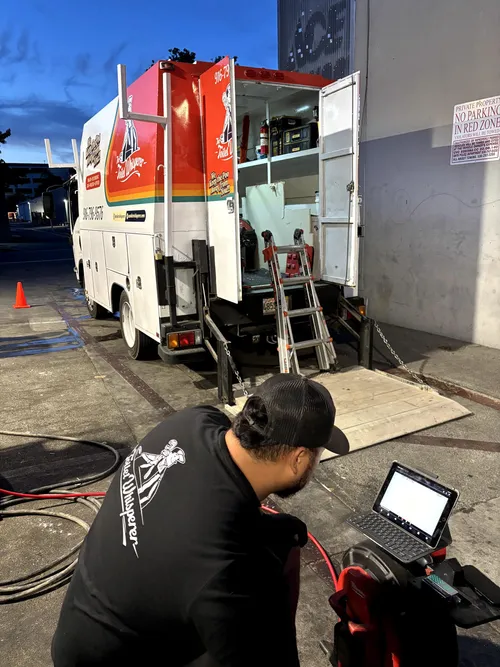
The Toilet Whisperer provides a wide range of plumbing services in Sacramento, CA, and the surrounding counties including Yolo, Solano, Placer, and Napa. Their offerings include sewer camera inspections, water heater repair and installation, drain cleaning, hydro jetting, sewer line repair with trenchless options, leak detection, gas line installation, and toilet repair. They have local expertise in building codes and environmental factors, which helps them deliver tailored plumbing solutions. The company offers 24/7 emergency plumbing services for urgent repairs and has years of experience serving the region.
Understanding Gas Line Services
Gas line work encompasses more than just running a pipe. It includes the installation of new fuel lines for appliances, the repair of existing leaking pipes, and the replacement of outdated or non-compliant materials. For homeowners in Rancho Cordova, common projects involve extending a line to a new patio for a barbecue, connecting a tankless water heater, or upgrading old steel pipes to modern, safer materials. Commercial projects might involve larger-scale piping for restaurant kitchens or heating systems. The core principle across all these services is safety through code-compliant installation and rigorous testing.
Why Permits and Professionals Are Non-Negotiable
In California, and specifically in Rancho Cordova, a permit is mandatory for nearly all gas line installation and repair work. This isn't bureaucratic red tape; it's a vital safety checkpoint. The permit process ensures your project is reviewed for code compliance, and more importantly, it triggers required inspections by the City's Building & Safety Division.
This is why hiring a licensed professional is not just recommended-it's essential. Licensed plumbers or gas fitters understand the California Plumbing Code (CPC) and local amendments. They know how to pull the correct permits, use approved materials, and perform the mandatory pressure tests. Attempting gas piping as a DIY project is illegal for most work and poses severe risks of fire, explosion, or carbon monoxide poisoning.
The Rancho Cordova Permit Process
The process typically starts with your contractor. They will apply for the permit through the City of Rancho Cordova's Building & Safety Division, often using their online portal for application, payment, and inspection scheduling. The permit details the scope of work and the inspections required, which usually include a rough-in inspection of the installed piping before it's covered and a final inspection after pressure testing.
The Step-by-Step Installation Process
A professional gas line installation follows a meticulous sequence designed for safety and longevity.
- Planning and Permitting: The contractor assesses the route from the gas meter or main line to the new appliance, plans the trench path, and secures the necessary permit.
- Call 811: Before any digging, the contractor (or homeowner) must call 811, the national "Call Before You Dig" service. This free service alerts all local utility companies, who will come to your property and mark the locations of their underground lines (water, electric, cable, etc.) with paint or flags. This critical step prevents costly and dangerous utility strikes 1 2.
- Trenching and Pipe Installation: A trench is dug for underground lines. Gas lines are typically buried at a depth of 18 to 24 inches, but must be placed deeper-often at least 24 inches-under driveways or other areas with vehicle traffic 3. The approved pipe (like black steel or Corrugated Stainless Steel Tubing - CSST) is laid in the trench and connected.
- Pressure Testing: This is the most critical safety step. The installer seals the system and pressurizes it with air (e.g., to 10 psi) for a set period (e.g., 15 minutes). The pressure gauge is monitored for any drop, which would indicate a leak. All leaks must be found and repaired at this stage before the project proceeds.
- Backfilling and Inspection: Once the pressure test passes, the trench can be carefully backfilled and compacted. The city inspector then visits to verify the installation, check the pressure test results, and ensure everything meets code before granting final approval.
- Appliance Connection: Only after final inspection can the new gas line be connected to the appliance by a qualified technician.
Find the perfect gas line plumbing companies for your needs
Get personalized recommendations and expert advice
Approved Materials for Gas Piping
Not all pipes can safely carry natural gas or propane. The California Building Code specifies approved materials, and your contractor will select the best type for your project:
- Black Steel Pipe: The traditional, highly durable choice. It's strong and resistant to corrosion, but requires more labor to install due to threading and fitting.
- Corrugated Stainless Steel Tubing (CSST): A flexible, yellow-jacketed tubing that has become very popular. It's easier and faster to install through walls and around obstacles than rigid steel pipe, but it must be properly bonded and grounded to prevent electrical damage 4.
- Copper Tubing: Sometimes used in certain applications, but its use is limited by code and it is not allowed for underground use in many jurisdictions.
Your licensed professional will know which material is appropriate for your specific application, whether it's an underground line to a fire pit or a new branch line in your garage for a heater.
Cost Considerations for Gas Line Projects
The cost of gas line work in Rancho Cordova is not a flat fee; it varies based on several factors. Understanding these can help you interpret estimates from contractors.
- Permit Fees: The City of Rancho Cordova charges fees for the permit application and inspections, which will be part of your total project cost 5 6.
- Labor: This is a significant portion of the cost, based on the project's complexity and the time required. Running a line 5 feet from an existing pipe is far less labor-intensive than trenching 50 feet across a yard.
- Materials: The type and amount of pipe, along with fittings, valves, and connectors, affect the price. CSST material costs differ from black steel.
- Excavation: Trenching costs can increase if the soil is rocky, if roots are in the way, or if the line must go under a concrete driveway or patio (which may require specialized tunneling equipment) 7 8.
- Scope of Work: A simple repair of a small leak may cost significantly less than a full new installation. Repair costs can range from $500 to over $3,000 depending on the leak's location and accessibility 9 10 11. New installation projects often start higher.
Always get detailed, written estimates from multiple licensed contractors. The lowest price may not include all necessary permits or testing, so ensure you are comparing comprehensive, code-compliant proposals.
Safety First: The Non-Negotiables
When dealing with gas, cutting corners is never an option. Adhere to these absolute rules:
- Never DIY Gas Lines: The risks of fire, explosion, and legal liability are far too high. This is work for trained and licensed experts only.
- Always Call 811: It's free, it's the law, and it protects you from causing a major (and expensive) utility outage or injury.
- Insist on Pressure Testing: A proper pressure test is the only way to confirm the integrity of the entire system before it is put into service. Do not let a contractor skip this step 12.
- Use Your Nose: If you ever smell the distinctive "rotten egg" odor of natural gas (added as a safety measure), leave the area immediately and call 911 or your gas company from a safe distance.
Maintaining Your Gas System
Once your new gas line is installed, periodic maintenance is minimal but important. Keep the area around your gas meter and appliance connectors clear of debris, vegetation, and flammable materials. Be aware of any signs of a problem, such as:
- The smell of gas (inside or outside).
- A hissing sound near a gas line.
- Dead or discolored vegetation in an otherwise green area above a buried gas line.
- Unusually high gas bills without increased usage.
If you suspect a leak, evacuate and call for help immediately. For routine checks, a licensed plumber can perform a gas safety inspection during your annual home maintenance.
Frequently asked questions
Sources
Footnotes
-
Natural Gas Line Installation: Safety Tips and Permits in ... - https://www.aloha-plumbinghvac.com/natural-gas-line-installation/ ↩
-
Frequently Asked Questions - CivicPlus.CMS.FAQ - https://www.rpvca.gov/faq.aspx?TID=40 ↩
-
How Deep Are Gas Lines Buried? - J.D. Power - https://www.jdpower.com/cars/shopping-guides/how-deep-are-gas-lines-buried ↩
-
Underground Gas Line - GasGuys.ca Inc. - https://www.gasguys.ca/underground-gas-lines/ ↩
-
Building and Safety | City of Rancho Cordova - https://www.cityofranchocordova.org/departments/community-development/building-and-safety ↩
-
Gas Line Installation Cost: 2023 Guide - Super Brothers - https://www.superbrothers.com/gas-line-installation-cost-2023-guide/ ↩
-
Gas Piping Rancho Cordova CA | Gas Line Installation | Repiping - https://crystalblueplumbing.com/gas-piping-rancho-cordova-ca/ ↩
-
Understanding the Costs of Installing New Gas Lines - Browns Plumbing - HVAC, Plumbing Heating, and Cooling Experts - https://brownsplumbing.ca/understanding-the-costs-of-installing-new-gas-lines/ ↩
-
Essential Guide to Gas Line Installation: Tips and Safety ... - https://gaeberly.com/gas-line-installation/ ↩
-
Gas Line Installation and Repair Service - https://dbhplumbingservice.com/plumbing-services/gas-line-installation-and-repair-service/ ↩
-
Gas Line Installation in Rancho Cordova, CA - Murray Plumbing - https://www.murrayplumbing.net/services/gas-line-installation/rancho-cordova-ca/ ↩
-
Do You Need a Permit for Gas Line Work in California? - https://magnificentplumbing.com/do-you-need-permit-for-gas-line-work-california/ ↩