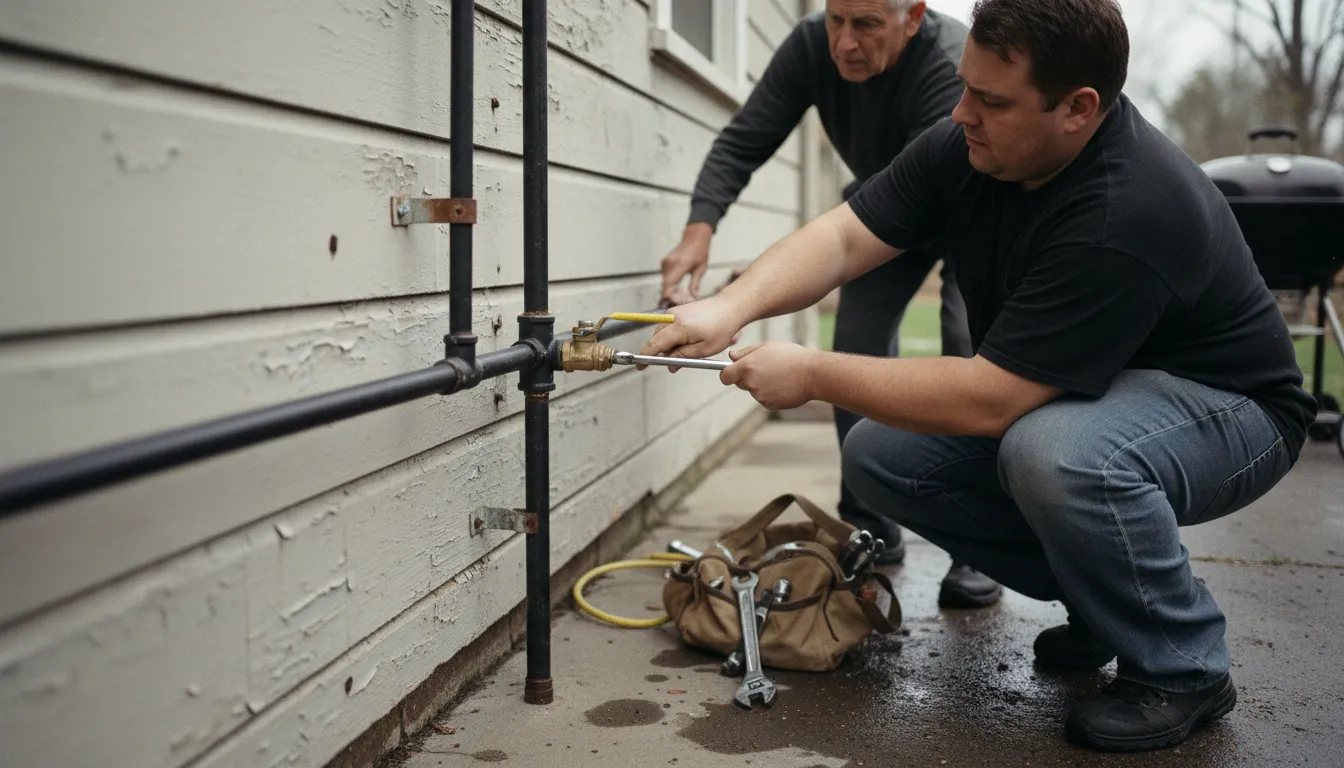
Find the Best Gas Line Plumbing Companies for Your Business
No obligation • Fast responses • Nationwide coverage

Why you can trust Search a Plumber
Search a Plumber is a leading United States resource for finding and evaluating professional plumbing services. Our team researches licensing, experience, and customer feedback to create unbiased, fact-driven overviews. Companies cannot pay to change ratings or placement, ensuring homeowners get trustworthy information.
Search providers near you
Top Gas Line Plumbing Companies in Poway, California Ranked
Connecting your home or business to natural gas requires specialized knowledge and strict adherence to safety codes. Gas line installation and repair involves running pipes from the main utility line to your appliances, ensuring a safe, reliable fuel supply for heating, cooking, and more. This work is critical for safety and performance, and in Poway, it must be performed in compliance with San Diego County and SDG&E regulations. This guide will help you understand the process, requirements, and how to find qualified local professionals for your gas piping project.
All American Plumbing Inc.
14260 Garden Rd unit A601, Poway, CA 92064
All American Plumbing Inc. provides a wide range of plumbing services in San Diego, CA. Their offerings include sewer camera inspections, water heater repair and installation, drain cleaning, leak detection, gas line installation, and garbage disposal repair. The company is equipped to handle emergency plumbing situations with 24-hour availability. They emphasize employing highly trained and safety-certified plumbers to deliver reliable service. All American Plumbing is recognized locally for quality work and is considered a leading trade employer in the area.
Courtesy Plumbing Inc.
7950 Silverton Ave UNIT 113, San Diego, CA 92126
Courtesy Plumbing Inc. provides a wide range of plumbing services for residential and commercial clients in San Diego, CA. Their offerings include water heater installation and repair, tankless water heater services, gas leak repair, repiping, garbage disposal installation, drain cleaning, and leak detection. The company operates a fully equipped fleet and employs licensed, bonded, and insured technicians. With many years of experience, Courtesy Plumbing Inc. is committed to delivering work that meets industry standards.
Remedy Rooter
208 Greenfield Dr suite k, El Cajon, CA 92020
Remedy Rooter is a veteran-owned plumbing company serving San Diego, CA, with over 21 years of experience. They provide both commercial and residential plumbing services including water heater installation, drain cleaning, sewer line repair, leak detection, and gas line installation. Remedy Rooter is equipped with hydro jetting technology to effectively clear drains and remove clogs without harsh chemicals. Their team offers 24/7 emergency service, ensuring prompt assistance for urgent plumbing issues in the San Diego County area.
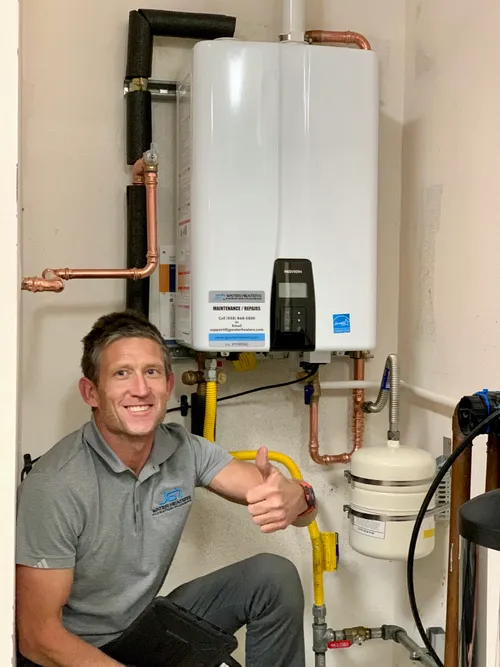
JG Water Heaters, Filtration and Plumbing
7933 Silverton Ave Suite# 712, San Diego, CA 92126
JG Water Heaters, Filtration and Plumbing is a plumbing company based in San Diego, CA, specializing in water heater repair, installation, and leak detection. They provide services for traditional and tankless water heaters, as well as gas line installation and water filtration. The team is capable of installing per-code gas lines and replacing water pressure regulators, ensuring safe and efficient water heating systems. Customers appreciate their thorough approach and quality workmanship.
HomePro Plumbing and Drains
8910 Activity Rd Suite C, San Diego, CA 92126
HomePro Plumbing and Drains is a licensed and insured plumbing company serving San Diego, CA. They provide a wide range of plumbing services including sewer camera inspection, water heater repair and installation, drain cleaning, hydro jetting, trenchless sewer repair, leak detection, repiping, and gas line installation. The company uses advanced tools and technologies such as Viega Propress and smart water shutoff systems to deliver efficient solutions. With decades of industry experience, HomePro Plumbing and Drains offers 24/7 emergency support to both residential and commercial clients in the area.
Understanding Gas Line Services
Gas line work encompasses more than just running a pipe. It's a comprehensive service that includes planning, obtaining permits, precise installation, rigorous testing, and final inspections. Whether you're adding a gas stove, installing a tankless water heater, or repairing an existing line, the process is governed by strict safety standards. In Poway, this work falls under the jurisdiction of the County of San Diego's Building Department, and coordination with SDG&E is required for meter placement and final service activation.
Common projects include:
- New Gas Line Installation: Running a new line from the meter to a new appliance or outdoor living feature like a fire pit or barbecue.
- Gas Line Repair: Fixing leaks, corrosion, or damage to existing piping.
- Gas Line Replacement: Upgrading old, potentially unsafe piping (like CSST without proper bonding) with modern materials.
- Appliance Hookups: Safely connecting new gas ranges, dryers, furnaces, or pool heaters.
- Service Line Extension: Extending the gas supply to a new addition, like an ADU (Accessory Dwelling Unit) or garage conversion.
The Step-by-Step Process in Poway
A successful gas line project follows a clear sequence. Skipping steps can lead to failed inspections, safety hazards, and costly rework.
1. Planning and Permitting
Before any digging begins, proper planning is essential. A licensed contractor will assess your property, determine the best route for the new gas piping, and calculate the required pipe size (load calculation) for your appliances.
The Permit: A permit is mandatory for most gas line work in Poway. It must be pulled by a licensed contractor (holding a C-36 Plumbing or C-20 HVAC license) or, in rare cases, by a homeowner performing their own work. Applications are submitted to the County of San Diego Building Department with detailed plans.
Call 811: This is a non-negotiable first step. At least two business days before excavation, you or your contractor must call 811 (Underground Service Alert). This free service notifies all relevant utilities (gas, electric, water, cable) to come and mark the location of their underground lines on your property with paint or flags. You must hand dig with care within a certain distance of these marks.
2. Excavation and Installation
Once permits are secured and lines are marked, the physical work begins.
Trenching: A trench is dug for the new pipe. For steel pipe, the trench typically needs to be at least 18 inches deep, though depth requirements can vary based on local code and the type of pipe used 1. The trench bottom should be level and free of sharp rocks.
Pipe Installation: The new gas pipe is laid in the trench. Modern installations often use flexible, yellow polyethylene (PE) pipe for its durability and corrosion resistance. The pipe must be installed with the correct fittings and slope. Crucially, a continuous warning tape (usually bright yellow with a printed warning) must be buried several inches above the pipe to alert future excavators 2 3.
Valve Installation: New shut-off valves are installed at key points, providing a quick way to isolate gas flow for safety or maintenance.
3. Inspection, Testing, and Activation
This phase ensures everything is safe and up to code.
Initial Inspection: Before the trench is backfilled, a County inspector will visit to verify the pipe material, depth, bedding, and warning tape installation.
Pressure Test: After the pipe is connected (but before gas is introduced), a critical pressure test is performed. The system is sealed and pressurized with air (typically to 10 PSI) and must hold that pressure steadily for a minimum of 15 minutes. This test confirms there are no leaks in the entire new run of piping 4.
Final Inspections: After the pressure test passes and the trench is carefully backfilled, a final county inspection is scheduled. Once the county signs off, SDG&E is notified. They will conduct their own final inspection before installing or activating the gas meter and turning on the service 5.
Find the perfect gas line plumbing companies for your needs
Get personalized recommendations and expert advice
Why Professional Installation is Non-Negotiable
Gas line work is not a DIY project. The risks of improper installation-including gas leaks, fire, and explosion-are far too great. Hiring a licensed professional is a legal requirement for most work and is crucial for your safety.
- Code Compliance: Licensed pros know the latest California Plumbing Code (CPC) and San Diego County amendments. They ensure the pipe size, material, and installation method meet all standards.
- Safety Assurance: Professionals use proper techniques for joining pipes, installing valves, and conducting the mandatory pressure test. They also know how to properly bond CSST (corrugated stainless steel tubing) to prevent lightning strike hazards.
- Permit Navigation: They handle the entire permit application and inspection scheduling process, saving you significant time and hassle.
- Utility Coordination: Experienced contractors know how to work seamlessly with SDG&E, ensuring the meter installation and service activation happen smoothly after county approval.
Key Safety Protocols and Best Practices
Beyond hiring a pro, several safety protocols are integral to the process.
- 811 is the Law: Hitting an underground utility line can cause injury, service outages, and hefty fines. Always call 811 before you dig, even for a small project 6.
- Leak Detection: After the gas is turned on, the installer should use a gas leak detection solution (soapy water) on all fittings to check for bubbles, indicating a leak. Never use a flame to check for leaks.
- Proper Materials: Only use pipes, fittings, and valves approved for natural gas or LP gas service. Using the wrong materials can lead to failure.
- Clearance and Ventilation: Gas appliances must be installed with proper clearances from combustible materials and with adequate ventilation, as specified by the manufacturer and code.
Understanding Costs for Gas Line Projects in Poway
The cost of gas line work is highly variable, depending on the project's scope and complexity. It's best to get multiple detailed estimates from licensed contractors.
Primary Cost Factors:
- Project Length & Complexity: The single biggest factor. A simple 20-foot run to a backyard grill will cost less than a 100-foot run through rocky soil or under a concrete driveway.
- Materials: The type and diameter of the pipe (copper, steel, PE), along with fittings and valves, affect material costs.
- Labor & Excavation: Labor costs for trenching, especially if it requires specialized equipment for tough terrain or demolition.
- Permits & Fees: San Diego County permit fees and any associated SDG&E charges for a new meter or service activation add to the total cost 7.
General Price Ranges: While every job is unique, you can expect material costs in the range of $15 to $25 or more per linear foot for the pipe itself. When factoring in labor, permits, and other fees, a typical residential gas line project in Poway often falls between $500 and $2,000, with more complex installations exceeding that range 8 9 10.
Frequently asked questions
Sources
Footnotes
-
Trench and Ducting Guide - National Gas - https://www.nationalgas.com/sites/default/files/documents/24763-General,%20Pre-excavation%20and%20Ducting%20Guide.pdf ↩
-
Gas Line Installation & Replacement in San Diego, CA - https://almcoplumbing.com/gas-line-services/ ↩
-
Frequently Asked Questions - CivicPlus.CMS.FAQ - https://www.rpvca.gov/faq.aspx?TID=40 ↩
-
New Construction Gas Line Trenching in San Diego - https://11mcqueengasinspectionservices.com/new-construction-gas-line-trenching-in-san-diego-a-complete-guide/ ↩
-
Do You Need a Permit for Gas Line Work in California? Know the Laws - https://magnificentplumbing.com/do-you-need-permit-for-gas-line-work-california/ ↩
-
811 & Safety Tips for Contractors & Excavators - Socalgas - https://www.socalgas.com/safety/safety-and-prevention/digging-and-yard-safety/contractors ↩
-
Working with SDG&E On Your Building Project: New Gas ... - https://www.sdge.com/sites/default/files/NewGasService.pdf ↩
-
Natural Gas Line Installation: Safety Tips and Permits in California - https://www.aloha-plumbinghvac.com/natural-gas-line-installation/ ↩
-
How to Install Natural Gas Lines Safely and Correctly - https://bluegasexpress.com/how-to-install-natural-gas-lines/ ↩
-
Gas Line Installation Cost: 2023 Guide - Super Brothers - https://www.superbrothers.com/gas-line-installation-cost-2023-guide/ ↩