Find the Best Gas Line Plumbing Companies for Your Business
No obligation • Fast responses • Nationwide coverage

Why you can trust Search a Plumber
Search a Plumber is a leading United States resource for finding and evaluating professional plumbing services. Our team researches licensing, experience, and customer feedback to create unbiased, fact-driven overviews. Companies cannot pay to change ratings or placement, ensuring homeowners get trustworthy information.
Search providers near you
Top Gas Line Plumbing Companies in Pomona, California Ranked
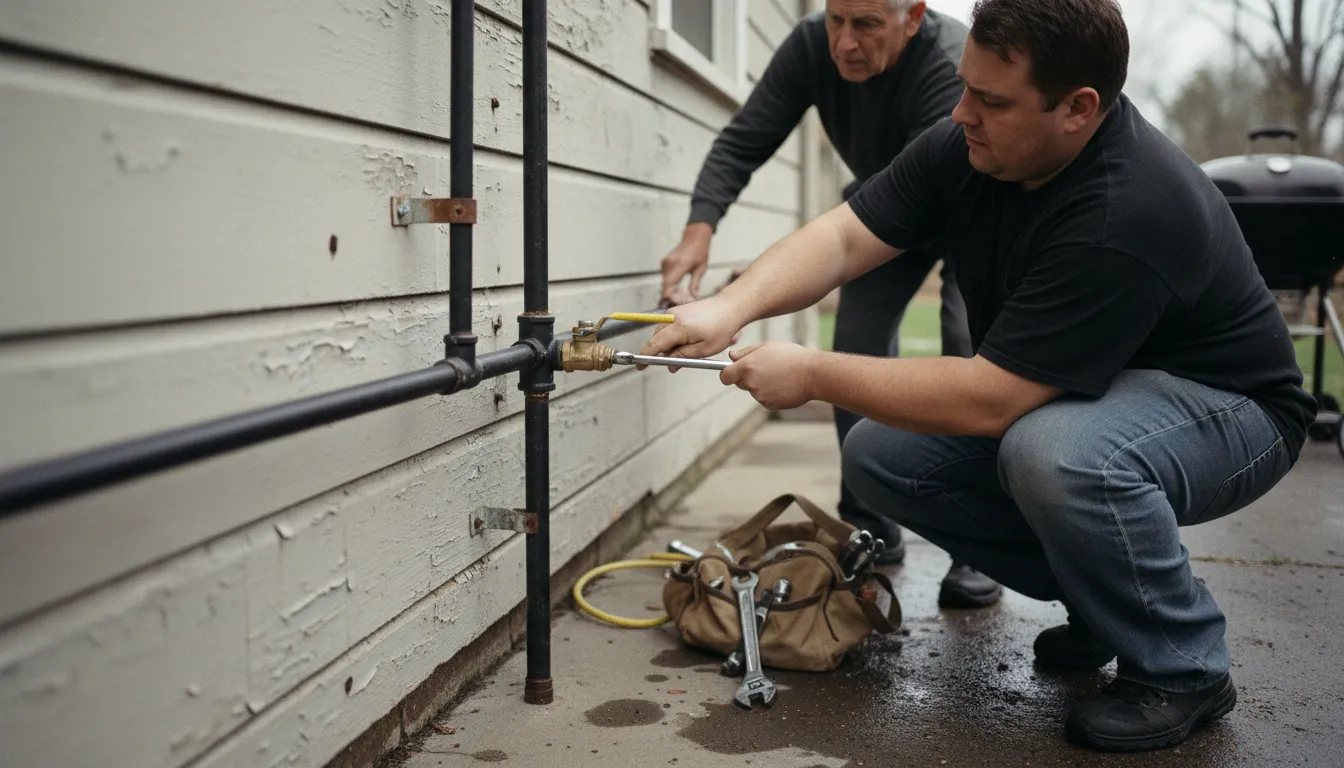
Installing or repairing a gas line is a critical home improvement project that requires precision, safety, and strict adherence to local codes. Whether you're adding a gas fireplace, upgrading an outdoor kitchen, or fixing a leak, proper gas piping work ensures the safe and efficient delivery of natural gas to your appliances. For Pomona homeowners, navigating the permit process, material choices, and contractor selection is essential. This guide provides the local insights you need to understand the process, costs, and key safety considerations for gas line projects in your community.
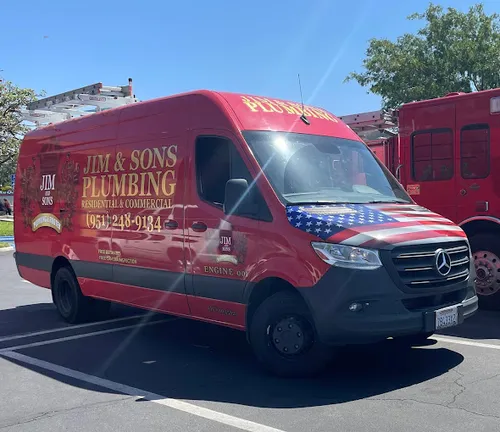
Jim & Sons Plumbing & Rooter
9345 Narnia Dr, Riverside, CA 92503
Jim & Sons Plumbing & Rooter is a family-owned plumbing company serving Riverside, CA, and the surrounding Inland Empire region. Since 1983, they have provided residential and commercial plumbing services including water heater repair and installation, drain cleaning, sewer line repair, leak detection, repiping, gas line installation, and garbage disposal repair. They specialize in trenchless sewer repair techniques such as pipe bursting and cured-in-place lining, which allow sewer line renewal without excavation, preserving landscaping and minimizing environmental impact. The company offers same-day service and is fully licensed and insured.
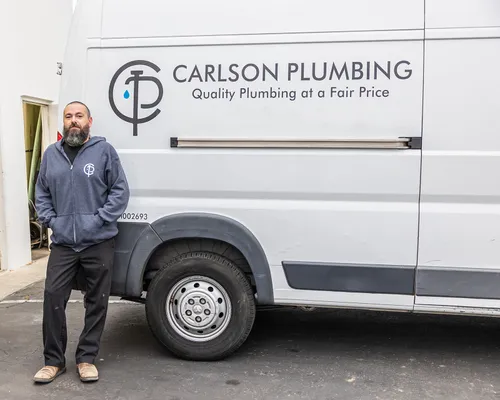
Carlson Plumbing Pros
17150 Newhope St Suite 301-302, Fountain Valley, CA 92708
Carlson Plumbing Pros is a licensed plumbing company serving Santa Ana, CA, and the broader Orange County area. They offer a wide range of plumbing services including water heater repair, water softener installation, drain cleaning, sewer line repair, leak detection, repiping, and gas line installation. With over 20 years of experience, they provide skilled plumbing solutions and are equipped to handle emergencies with 24/7 availability.
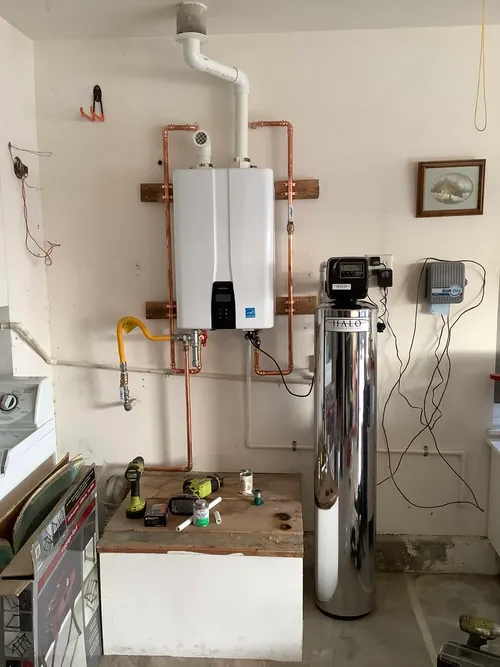
SoCal Plumbing & Rooter Inc.
420 W Lambert Rd suite f, Brea, CA 92821
SoCal Plumbing & Rooter Inc. is a full-service plumbing company serving Anaheim, CA, and the surrounding Orange County area. They provide a wide range of plumbing services including sewer camera inspections, water heater repair and installation, drain cleaning, hydro jetting, leak detection, repiping, gas line installation, and sewer line repair with trenchless methods. The company offers 24/7 emergency plumbing services to address urgent issues such as burst pipes, overflowing toilets, and sewer backups. Their expertise includes advanced leak detection and hydro jetting to clear stubborn clogs and maintain plumbing system efficiency. SoCal Plumbing & Rooter Inc. is fully licensed and insured, committed to meeting industry standards and local codes.
DeVinney Plumbing, Inc.
7501 Slater Ave L, Huntington Beach, CA 92647
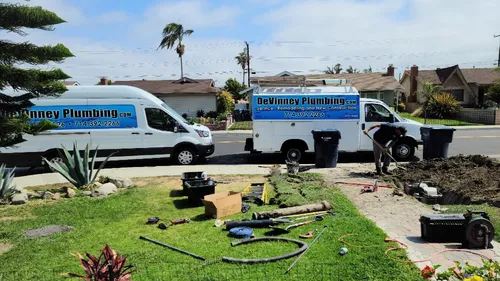
DeVinney Plumbing, Inc. is a family-owned plumbing company serving Santa Ana, CA, and the surrounding Orange County area. With 40 years of experience, they provide a wide range of residential and commercial plumbing services including water heater installation and repair, tankless water heaters, water softener installation, drain cleaning, sewer line repair, leak detection, and gas line installation. They specialize in challenging issues like underground water leaks, gas leaks, and slab leaks. Their advanced electronic leak detection helps locate hidden leaks efficiently, minimizing damage and repair costs.
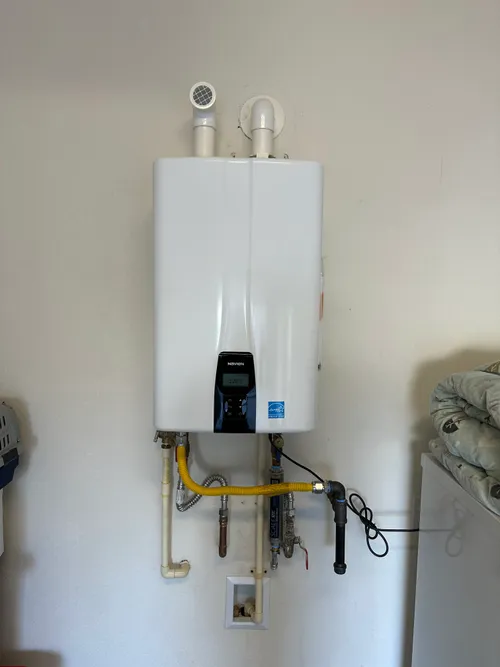
Dependable Plumber Inc
22980 Brompton St, Moreno Valley, CA 92553
Dependable Plumber Inc provides a wide range of plumbing services in Riverside, CA, including water heater repair and installation, water softener installation, sump pump and sewer line repair, drain cleaning, leak detection, gas line installation, and garbage disposal repair. They serve both residential and commercial clients throughout Riverside and San Bernardino County. The company offers 24/7 emergency plumbing services to address urgent issues such as burst pipes and major clogs. Dependable Plumber Inc is known for transparent pricing and a commitment to completing jobs correctly the first time.
Understanding Gas Line Work in Pomona
Gas line installation and gas piping repair involve running new pipes from your main gas meter to an appliance or fixing existing lines. In Pomona, this work is governed by the California Plumbing Code and local amendments enforced by the City of Pomona Building Department. All work, from a simple extension for a grill to a full home repipe, requires a permit and must be performed by a licensed professional. The primary goal is to create a sealed, durable system that safely contains gas under pressure, preventing leaks that could lead to fire, explosion, or health hazards.
The Pomona Gas Line Project Process
A successful gas line project follows a structured sequence. Skipping steps or cutting corners can lead to failed inspections, unsafe conditions, and costly rework.
1. Planning and Design
A licensed plumber or gas fitter will first assess your needs. This includes calculating the total BTU (British Thermal Unit) demand of the new and existing appliances to ensure the gas meter and main line can supply adequate volume. They will map the proposed route from the meter to the new appliance, considering the shortest practical path, obstacles like foundations, and required burial depths.
2. Securing Permits
You must obtain a permit from the City of Pomona Building Department before any work begins 1. Your contractor typically handles this, submitting detailed plans of the proposed work. The permit fee is part of the project cost and funds the mandatory city inspections that verify the work meets code. Starting work without a permit can result in fines, having to tear out completed work, and complications when selling your home.
3. Calling 811 for Utility Marking
This is a non-negotiable safety and legal step. Before any digging, you or your contractor must call 811 at least two working days prior to excavation. This free service alerts all local utility companies (gas, electric, water, cable) to send locators to your property to mark the approximate location of their underground lines with paint or flags. Striking an unmarked gas line is extremely dangerous and can result in service outages, injury, and significant repair liabilities.
4. Excavation and Trenching
For underground lines, a trench must be dug. In Pomona and throughout California, residential gas lines are typically buried 18 to 24 inches deep 2. The trench must be properly sloped if needed for stability and barricaded if near pedestrian or vehicle traffic. The soil type in your area can affect trenching difficulty and cost.
5. Pipe Installation and Connection
The plumber will install the approved gas piping material. Common choices include:
- Black Iron Pipe: Traditional, rigid steel pipe. Highly durable and often required for exposed sections or certain commercial applications. It is more labor-intensive to install due to threading and fitting requirements.
- CSST (Corrugated Stainless Steel Tubing): Flexible, yellow-jacketed tubing that is easier to route through walls and tight spaces, often reducing installation time. The pipe is laid in the trench with proper bedding, ensuring it maintains the required depth and clearance from other utilities. Connections are made using approved fittings and pipe dope or sealant designed for gas.
6. Pressure Testing
This is the critical quality check. After the new line is connected but before the trench is backfilled, the contractor performs a mandatory pressure test (air test) 3. The system is sealed and pressurized with air, and the pressure is monitored for a set period. Any drop indicates a leak that must be found and repaired. This test is a prerequisite for the city inspection.
7. City Inspection
Once the pressure test is passed, your contractor will schedule an inspection with the Pomona Building Department. The inspector will verify the materials, installation methods, burial depth, and the results of the pressure test. Only after passing this inspection can the trench be permanently backfilled and the system put into service.
8. Final Backfill and Restoration
After inspection approval, the trench is carefully backfilled in layers (or "lifts") and compacted to prevent future settling. Any disrupted landscaping, concrete, or hardscaping is then restored.
Find the perfect gas line plumbing companies for your needs
Get personalized recommendations and expert advice
Key Safety and Compliance Considerations
Safety is paramount in any gas fitting project. Adhering to these principles protects your property and family.
- Always Hire a Licensed Professional: Gas line work is not a DIY project. California law requires a licensed C-36 Plumbing contractor or a licensed gas fitter to perform this work. They carry the necessary insurance, understand local codes, and have the tools to perform pressure tests correctly.
- Use Only Approved Materials: Pomona follows the California Plumbing Code, which specifies approved materials like black iron and CSST. Using unapproved materials like galvanized pipe or certain plastics is illegal and dangerous 4 5.
- Never Skip the Pressure Test: The air pressure test is the best way to confirm the integrity of the entire system. A "soap bubble" test at fittings is not a substitute for the full-system pressure test required for inspection.
- Respect the 811 Call: Assuming you know where lines are buried is a grave mistake. Utility lines can be shallow and shift over time. Calling 811 is free, easy, and legally required 6.
- Ensure Trench Safety: Open trenches pose a collapse hazard. Proper sloping or shoring and the use of barriers are essential for safety on the worksite 7.
Cost Factors for Gas Line Projects in Pomona
Costs for gas piping installation and repair can vary widely based on project scope and site conditions. For basic line extensions in Pomona, homeowners might see averages in the $500 to $1,000 range, but complex runs or repairs can increase significantly 8.
Key factors influencing the final price include:
- Materials: Black iron pipe costs approximately $5-$10 per linear foot for materials, while CSST tubing ranges from $2-$10 per foot 9. Fittings, valves, and connectors add to the cost.
- Labor: This is a major component, covering the skilled work of planning, installation, testing, and coordinating inspections. Labor rates vary by contractor.
- Excavation & Restoration: The cost of digging the trench (especially through concrete, asphalt, or rocky soil) and restoring the landscape afterward can be substantial.
- Permit Fees: The City of Pomona charges fees for gas line permits, which are typically included in the contractor's quote.
- Repair Complexity: Fixing a leak can range from a $500 simple fitting replacement to $3,000+ if it requires extensive excavation to locate and repair a damaged section of buried line 10 11.
It's crucial to get detailed, written estimates from multiple licensed contractors that break down these costs.
Frequently asked questions
Sources
Footnotes
-
Do You Need a Permit for Gas Line Work in California? - https://magnificentplumbing.com/do-you-need-permit-for-gas-line-work-california/ ↩
-
How Deep Are Gas Lines Buried? - UtiliSource - http://utilisource.us/how-deep-are-gas-lines-buried/ ↩
-
Essential Guide to Gas Line Installation: Tips and Safety ... - https://gaeberly.com/gas-line-installation/ ↩
-
Project Resources - PG&E - https://www.pge.com/en/account/service-requests/building-and-renovation/project-resources.html ↩
-
New Gas Line Installation Cost: Natural Gas Piping Supplies & ... - https://www.superbrothers.com/new-gas-line-installation-cost-natural-gas-piping-supplies-custom-piping/ ↩
-
811 & Safety Tips for Contractors & Excavators - Socalgas - https://www.socalgas.com/safety/safety-and-prevention/digging-and-yard-safety/contractors ↩
-
How Deep Are Gas Lines Buried? - J.D. Power - https://www.jdpower.com/cars/shopping-guides/how-deep-are-gas-lines-buried ↩
-
Natural Gas Line Installation: Safety Tips and Permits in ... - https://www.aloha-plumbinghvac.com/natural-gas-line-installation/ ↩
-
How Much Does Gas Line Installation Cost? (2026) - HomeGuide - https://homeguide.com/costs/gas-line-installation-cost ↩
-
How Much Does It Cost to Install a Gas Line? [2025 Data] - https://www.homeadvisor.com/cost/plumbing/install-or-repair-gas-pipes/ ↩
-
Gas Line Installation and Repair Service - https://dbhplumbingservice.com/plumbing-services/gas-line-installation-and-repair-service/ ↩