Find the Best Gas Line Plumbing Companies for Your Business
No obligation • Fast responses • Nationwide coverage

Why you can trust Search a Plumber
Search a Plumber is a leading United States resource for finding and evaluating professional plumbing services. Our team researches licensing, experience, and customer feedback to create unbiased, fact-driven overviews. Companies cannot pay to change ratings or placement, ensuring homeowners get trustworthy information.
Search providers near you
Top Gas Line Plumbing Companies in Palmdale, California Ranked
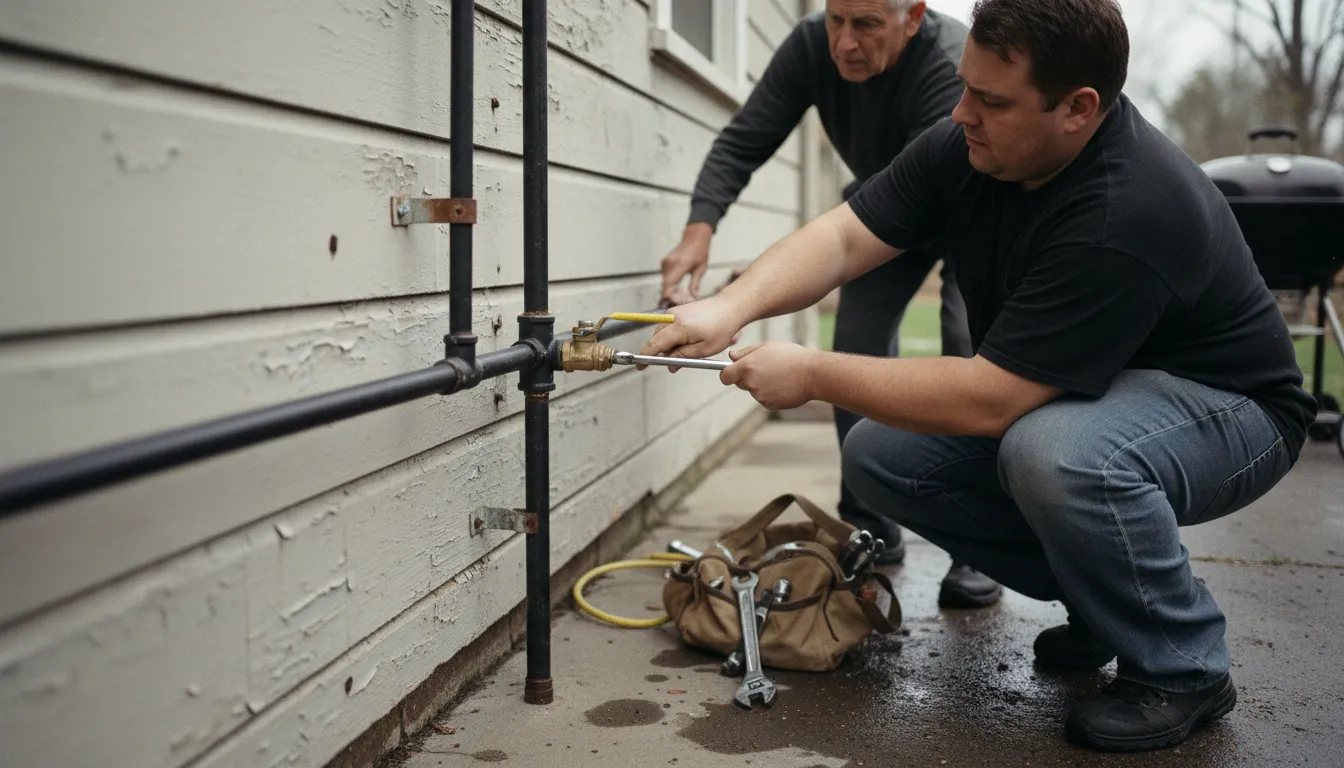
Ensuring your home or business has a safe and reliable gas supply is a critical task that requires professional expertise. Gas line installation and repair involves running new piping or fixing existing lines to connect appliances like water heaters, stoves, and furnaces to the natural gas supply. This work is essential for both functionality and safety, as improper handling can lead to dangerous leaks. For Palmdale residents, navigating the specific local codes, permit requirements, and safety protocols is key to a successful project. This guide will help you understand the process and connect with qualified local specialists for your gas piping needs.
Local Plumbers, Inc.
14967 Oswald St, Los Angeles, CA 91342
Local Plumbers, Inc. is a plumbing service provider based in Santa Clarita, CA. They offer a range of services including water heater repair, drain cleaning, sewer line repair, leak detection, repiping, gas line installation, toilet repair, and garbage disposal repair. The company is known for its ability to respond quickly to urgent issues such as sewer pipe repairs and leak detection. Customers have noted the professionalism and clear communication of the team. Local Plumbers, Inc. serves the Santa Clarita area with a focus on thorough diagnostics and effective repairs.

Sewer Inspection Pros
Santa Clarita, CA
Sewer Inspection Pros is a plumbing company serving Santa Clarita, CA, with over 12 years of experience. They provide a wide range of services including sewer camera inspections, water heater repair and installation, drain cleaning, leak detection, trenchless sewer repair, and gas line installation. Their trenchless sewer repair minimizes yard disruption, and they also install energy-efficient tankless water heaters. Established in 2012, Sewer Inspection Pros offers 24/7 emergency plumbing services to address urgent needs at any time.
LeadingEdge Plumbing & Rooter, Inc.
12300 Foothill Blvd, Sylmar, CA 91342
LeadingEdge Plumbing & Rooter, Inc. is a family-owned plumbing company serving Santa Clarita, CA, with a focus on residential and commercial plumbing needs. Their services include sewer camera inspections, water heater repair and installation, water softener installation, drain cleaning, hydro jetting, sewer line repair, leak detection, and gas line installation. They use advanced equipment such as video camera inspections and hydro jetting to diagnose and resolve plumbing issues effectively. The company has built a reputation over years of serving the local community and offers same-day service to handle emergencies outside regular business hours.
Shellback Plumbing & Drain
Santa Clarita, CA
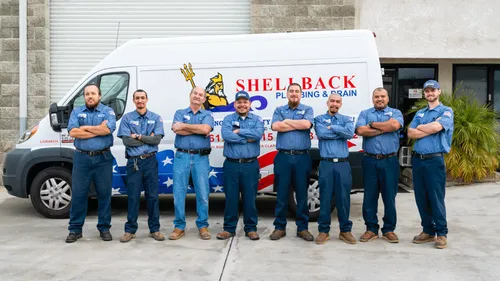
Shellback Plumbing & Drain is a veteran-owned plumbing company based in Santa Clarita, CA, serving the local community and the broader Los Angeles County area. They offer a wide range of plumbing services including drain cleaning, water heater installation and repair, leak detection, sewer line repair, repiping, and gas line installation. The company is known for providing upfront pricing and a satisfaction guarantee, aiming to handle both residential and commercial plumbing needs efficiently. Their team is equipped to perform sewer camera inspections and respond to plumbing emergencies with same-day appointments often available.
Roto-Rooter Plumbing & Water Cleanup
241 E Colorado Blvd #202, Pasadena, CA 91101
Roto-Rooter Plumbing & Water Cleanup provides comprehensive residential and commercial plumbing services in Los Angeles, CA. The company offers a wide range of solutions including sewer line inspections and repairs, water heater installation and maintenance, drain cleaning, leak detection, and gas line installation. They specialize in trenchless sewer repair and hydro jetting, using advanced equipment to address plumbing issues efficiently. Roto-Rooter is available 24/7, 365 days a year, for emergency plumbing services and water damage cleanup. Serving Pasadena and surrounding communities, they bring local expertise to every job.
Understanding Gas Piping Systems
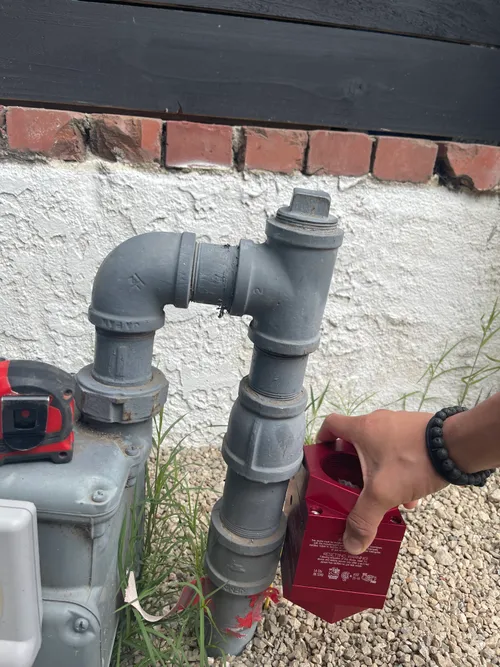
A gas piping system is a network of pipes that delivers natural gas from the utility meter to the appliances in your home. In Palmdale, these systems must be designed and installed to withstand the high pressure of the gas supply while preventing leaks. The work encompasses everything from running a new line for a backyard barbecue to repiping an entire house or addressing a suspected leak.
Common reasons for gas line work include:
- Appliance Upgrades: Installing a new gas range, dryer, or tankless water heater.
- New Construction: Running gas lines in a newly built home or addition.
- Safety Repairs: Addressing leaks, corrosion, or damage to existing pipes.
- System Expansion: Adding an outdoor kitchen, fire pit, or pool heater.
Given the inherent risks, this is not a typical DIY project. Working with natural gas requires specialized knowledge, tools, and certification. A licensed professional ensures the job meets all safety standards and local building codes.
Palmdale's Permit and Inspection Process
One of the most important aspects of gas line work in Palmdale is compliance with local regulations. Almost all gas piping projects require a permit from the city's Building & Safety Department.
Why Permits are Mandatory
The permit process exists for your safety. It ensures that the planned work is reviewed for code compliance before it begins and that the finished installation is inspected by a qualified city official. This oversight helps prevent faulty installations that could lead to gas leaks, fires, or explosions.
How to Obtain a Permit
Typically, your licensed plumbing contractor will pull the necessary permit on your behalf. The process involves submitting detailed diagrams of the proposed gas line route, specifying the materials to be used, and paying a fee. In many cases for Palmdale, permits are handled through the Los Angeles County Public Works system 1. Your contractor will be familiar with whether to apply through the county or the city's own portal.
The Critical Inspection
After the new pipes are installed but before they are buried or concealed behind walls, a city inspector must visit the site. The most crucial part of this inspection is the pressure test. The inspector will require the system to be pressurized to at least 10 pounds per square inch (psi) and hold that pressure without any drop for a minimum of 15 minutes. This test definitively proves the integrity of the new piping and all connections. Only after passing this inspection can the trenches be backfilled or walls closed up, and can the utility company be called for the final connection.
Step-by-Step: A Professional Gas Line Installation
Understanding the steps involved can help you know what to expect from a professional gas fitter or plumber in Palmdale.
- Planning and Design: A technician will assess your needs, determine the correct pipe size (based on appliance BTU demands), and plan the most efficient and code-compliant route from the meter to the appliance(s).
- Call 811: This is a non-negotiable first step. Before any digging, your contractor must call 811 to have all underground utilities (like water, electric, and cable lines) marked on your property. This prevents dangerous and costly strikes 2.
- Excavation (Trenching): For underground lines, a trench is dug. City code typically requires a minimum depth of 18 inches for buried steel pipe to protect it from damage 3.
- Pipe Installation: Approved materials are installed. For underground use, this is often factory-coated steel pipe or specially rated Corrugated Stainless Steel Tubing (CSST). Above ground, black steel pipe or CSST secured with proper hangers is used.
- Connection and Testing: All fittings are tightened, and the system is connected to the meter (though the gas remains off). The rigorous 10 psi pressure test is then performed for the inspector 4 5.
- Backfill and Final Hookup: Once the inspection passes, the trench is carefully backfilled and compacted. Finally, the utility company (SoCalGas) is contacted to perform the final meter hookup and introduce gas into the new line 6.
Find the perfect gas line plumbing companies for your needs
Get personalized recommendations and expert advice
Approved Materials and Safety Standards
Using the correct materials is a cornerstone of gas line safety. Palmdale adheres to strict codes that dictate what can be used.
- Black Steel Pipe: The traditional, highly durable choice for both indoor and outdoor applications. It requires threaded connections.
- CSST (Corrugated Stainless Steel Tubing): A flexible, yellow-jacketed tubing that is easier to install in tight spaces. It must be specifically listed for natural gas and properly bonded to prevent electrical arcing.
- Factory-Coated Steel: Required for any piping that will be buried underground to prevent corrosion.
What's Not Allowed: Homeowners should be aware that using materials like galvanized steel, copper, or plastic (unless specifically listed for gas) is prohibited for natural gas lines, as they can corrode or degrade when exposed to gas.
Recognizing and Responding to Gas Line Problems
Even with a proper installation, issues can arise over time. Knowing the signs of a problem can prevent an emergency.
Common signs of a gas leak include:
- The distinct, sulfuric odor of "rotten eggs" (odorant added to natural gas).
- A hissing or whistling sound near a gas line.
- Dead or discolored vegetation in an otherwise healthy area over a buried line.
- Unusually high gas bills without increased usage.
If you suspect a leak:
- Evacuate the area immediately.
- Do not operate light switches, phones, or anything that could create a spark.
- Call 911 and SoCalGas from a safe distance away from the property.
For non-emergency issues like a pilot light that frequently goes out or a appliance that won't ignite, contact a licensed plumber for diagnosis. They can perform a safe leak check using a soapy water solution-bubbles will form at the site of any leak 7 8.
Cost Considerations for Gas Line Projects
The cost of gas line installation or repair in Palmdale is not a fixed number; it depends heavily on the project's scope. Simple jobs, like running a short line for a stove replacement, may start in the range of a few hundred dollars. More complex work, such as installing a new line to a distant backyard or repiping an entire home, can cost a couple thousand dollars or more 9.
Key factors influencing cost:
- Project Length & Complexity: The distance from the meter to the appliance is the primary driver. Longer runs require more materials and labor.
- Materials: The type and diameter of pipe used will affect material costs.
- Labor & Accessibility: Difficult routes (through concrete, under decks) or hard soil increase labor time.
- Permits & Inspections: The required city permit and inspection fees are an additional cost to factor in 10 11.
While cost is a consideration, it should never come at the expense of proper permits and licensed work. Unpermitted or substandard gas work can be extremely dangerous and may lead to fines, failed home inspections during sale, or costly repairs to bring it up to code 12.
The Importance of Carbon Monoxide Safety
A properly installed and maintained gas line is safe. However, incomplete combustion from any gas appliance can produce carbon monoxide (CO), a deadly, odorless gas. As a critical safety backup, California state law requires the installation of carbon monoxide detectors in all single-family homes with fossil-fuel burning appliances or attached garages 13. Ensure you have working CO detectors installed on every level of your home and near sleeping areas. This is an essential complement to any gas line work.
Frequently asked questions
Sources
Footnotes
-
Construction permits - Los Angeles County Building and Safety - https://pw.lacounty.gov/building-and-safety/permits/ ↩
-
DIRECT GAS PIPING RESIDENTIAL - https://cms2.revize.com/revize/agourahillsca/Documents/Government/Departments/Community%20Development/Permit%20Center/Guides%20and%20Handouts/IH15GAS%20PIPING%20RESIDENTIAL.pdf ↩
-
TABLE OF CONTENTS - Palmdale City - https://www.cityofpalmdaleca.gov/DocumentCenter/View/414/Section-6-Landscaping-and-Irrigation-PDF ↩
-
Frequently Asked Questions - CivicPlus.CMS.FAQ - https://www.rpvca.gov/faq.aspx?TID=40 ↩
-
Gas Piping Information - https://cdnsm5-hosted.civiclive.com/UserFiles/Servers/Server_7964838/File/Government/Departments/Development%20Services/Building/Applications,%20Forms%20&%20Handouts/Handouts/Gas%20Piping%20Information%20Sheet.pdf ↩
-
Natural Gas Service Guidebook - Socalgas - https://www.socalgas.com/documents/construction/GasServiceGuidebook.pdf?_ga=2.196390636.1546684087.1721667536-1070557308.1671065368 ↩
-
Gas Line Installation: What You Need to Know - https://www.pasoroblesheating.com/gas-line-installation-what-you-need-to-know-before-starting-your-project/ ↩
-
Essential Guide to Gas Line Installation: Tips and Safety ... - https://gaeberly.com/gas-line-installation/ ↩
-
Gas Line Installation and Repair Service - https://dbhplumbingservice.com/plumbing-services/gas-line-installation-and-repair-service/ ↩
-
Natural Gas Line Installation: Safety Tips and Permits in ... - https://www.aloha-plumbinghvac.com/natural-gas-line-installation/ ↩
-
New Gas Line Installation Cost: Natural Gas Piping Supplies & ... - https://www.superbrothers.com/new-gas-line-installation-cost-natural-gas-piping-supplies-custom-piping/ ↩
-
Do You Need a Permit for Gas Line Work in California? - https://magnificentplumbing.com/do-you-need-permit-for-gas-line-work-california/ ↩
-
How to Install Natural Gas Lines Safely and Correctly - https://bluegasexpress.com/how-to-install-natural-gas-lines/ ↩