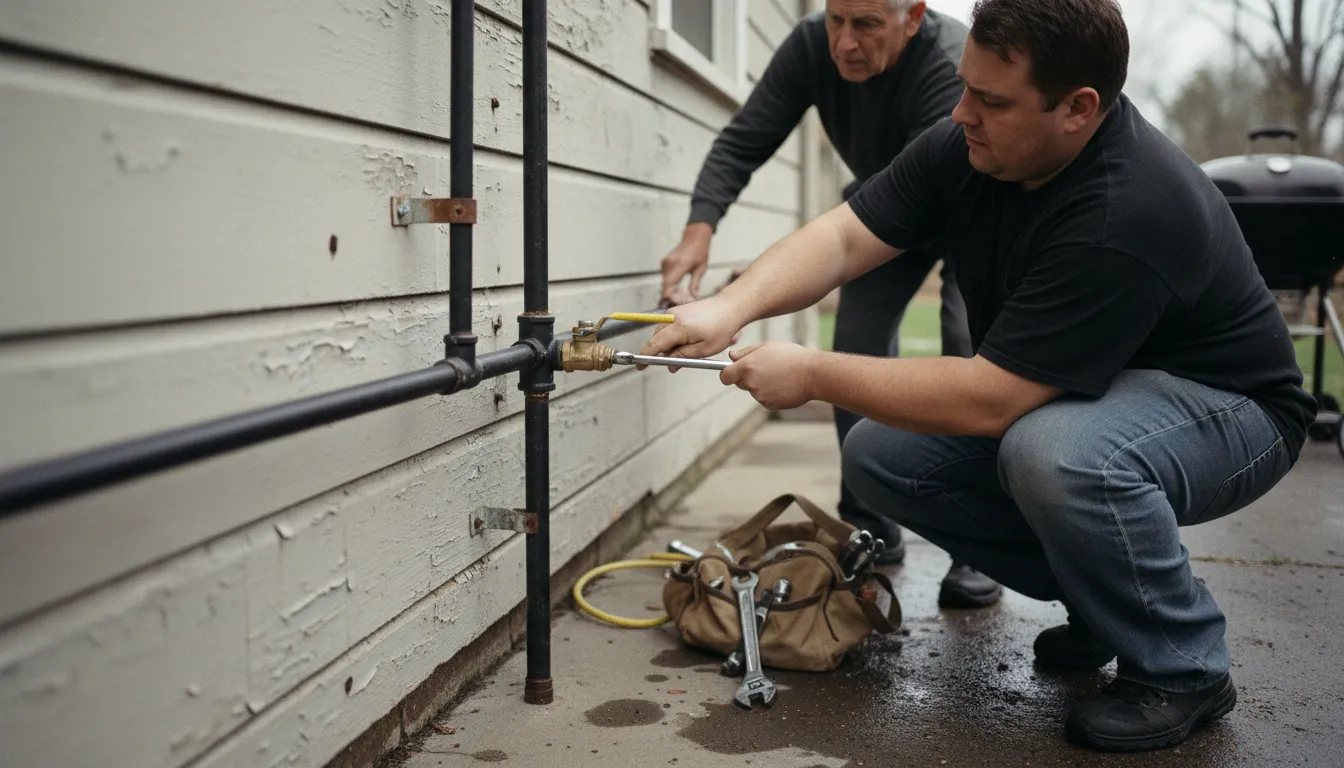
Find the Best Gas Line Plumbing Companies for Your Business
No obligation • Fast responses • Nationwide coverage

Why you can trust Search a Plumber
Search a Plumber is a leading United States resource for finding and evaluating professional plumbing services. Our team researches licensing, experience, and customer feedback to create unbiased, fact-driven overviews. Companies cannot pay to change ratings or placement, ensuring homeowners get trustworthy information.
Search providers near you
Top Gas Line Plumbing Companies in Oceanside, California Ranked
Installing or repairing a gas line is a critical project that directly impacts the safety and functionality of your Oceanside home. Whether you're connecting a new gas range, installing a tankless water heater, or addressing a leak, this work involves high-pressure natural gas systems that require strict adherence to local codes and safety protocols. This resource explains the process, regulations, and key considerations for gas piping projects in Oceanside, helping you understand what's involved so you can engage qualified local professionals with confidence.

All American Plumbing Inc.
14260 Garden Rd unit A601, Poway, CA 92064
All American Plumbing Inc. provides a wide range of plumbing services in San Diego, CA. Their offerings include sewer camera inspections, water heater repair and installation, drain cleaning, leak detection, gas line installation, and garbage disposal repair. The company is equipped to handle emergency plumbing situations with 24-hour availability. They emphasize employing highly trained and safety-certified plumbers to deliver reliable service. All American Plumbing is recognized locally for quality work and is considered a leading trade employer in the area.
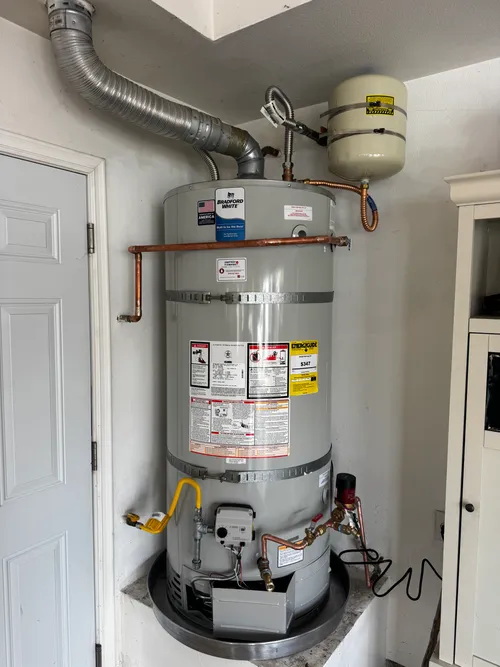
Courtesy Plumbing Inc.
7950 Silverton Ave UNIT 113, San Diego, CA 92126
Courtesy Plumbing Inc. provides a wide range of plumbing services for residential and commercial clients in San Diego, CA. Their offerings include water heater installation and repair, tankless water heater services, gas leak repair, repiping, garbage disposal installation, drain cleaning, and leak detection. The company operates a fully equipped fleet and employs licensed, bonded, and insured technicians. With many years of experience, Courtesy Plumbing Inc. is committed to delivering work that meets industry standards.
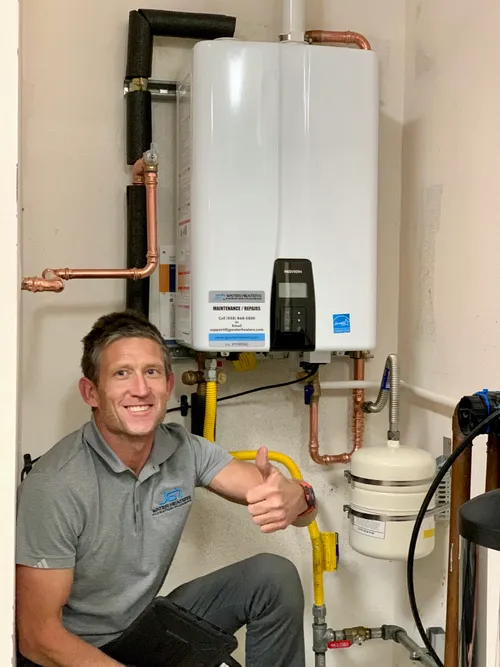
JG Water Heaters, Filtration and Plumbing
7933 Silverton Ave Suite# 712, San Diego, CA 92126
JG Water Heaters, Filtration and Plumbing is a plumbing company based in San Diego, CA, specializing in water heater repair, installation, and leak detection. They provide services for traditional and tankless water heaters, as well as gas line installation and water filtration. The team is capable of installing per-code gas lines and replacing water pressure regulators, ensuring safe and efficient water heating systems. Customers appreciate their thorough approach and quality workmanship.
HomePro Plumbing and Drains
8910 Activity Rd Suite C, San Diego, CA 92126
HomePro Plumbing and Drains is a licensed and insured plumbing company serving San Diego, CA. They provide a wide range of plumbing services including sewer camera inspection, water heater repair and installation, drain cleaning, hydro jetting, trenchless sewer repair, leak detection, repiping, and gas line installation. The company uses advanced tools and technologies such as Viega Propress and smart water shutoff systems to deliver efficient solutions. With decades of industry experience, HomePro Plumbing and Drains offers 24/7 emergency support to both residential and commercial clients in the area.
United Plumbing Heating Air & Electric
6767 Nancy Ridge Dr Unit C, San Diego, CA 92121
United Plumbing Heating Air & Electric is a licensed and insured company serving San Diego, CA, since 1976. They provide a wide range of plumbing, electrical, and HVAC services including sewer camera inspections, water heater repair and installation, sump pump repair, drain cleaning, sewer line repair, leak detection, gas line installation, toilet repair, and garbage disposal repair. Their team is equipped to handle emergency plumbing needs with 24/7 availability and offers same-day service. With decades of experience, they focus on diagnosing problems accurately and delivering lasting solutions to residential and commercial customers in the San Diego area.
Understanding Gas Line Work in Oceanside
Natural gas is a common and efficient energy source for heating, cooking, and drying in Oceanside homes. However, working with gas supply lines is not a typical DIY project. It involves specialized knowledge of materials, pressure testing, and, most importantly, navigating the required permits and inspections from the City of Oceanside and San Diego Gas & Electric (SDG&E). The process is designed to prevent leaks, explosions, and carbon monoxide poisoning, ensuring the safety of your household and community.
Professional gas fitters are trained to handle everything from running a new line for an outdoor kitchen to repairing a faulty connection on a furnace. They understand the specific requirements for trenching depth, pipe material, and joint sealing that comply with the California Plumbing Code as enforced locally.
The Mandatory Permit and Inspection Process
One of the most crucial steps for any gas piping project in Oceanside is obtaining the proper permits. A permit from the City of Oceanside Building Division is mandatory for nearly all gas line work 1. Skipping this step can result in significant fines, voided homeowners insurance, and create a serious safety hazard that may not be discovered until it's too late 1.
The permit process ensures your project is reviewed and inspected by qualified professionals. Here's a typical sequence:
- Permit Application: Your licensed contractor will submit plans (if required) and apply for the permit with the City.
- Utility Coordination: Before work begins, SDG&E must be contacted (1-800-411-SDGE) to schedule a temporary disconnect of your gas meter.
- Rough-In Inspection: After the new pipes are installed but before walls are closed or trenches are backfilled, a city building inspector will check the installation for code compliance 2.
- Pressure Test: This is a critical safety check. The inspector will verify that the gas line can hold a test pressure of 10 psi for 15 minutes with no drop, confirming there are no leaks.
- Final Inspection: Once everything passes, the city provides final approval and notifies SDG&E, who will then reconnect your gas meter 3 4.
Key Steps in a Gas Line Project
1. Call 811 Before You Dig
This is a non-negotiable first step for any project involving excavation, such as running a new underground gas line to a patio or pool heater. By calling 811 or visiting California811.org at least two business days before digging, you initiate a free service that has all public utility lines marked on your property 5 6. This prevents accidentally striking an electrical, water, or communications line, which can be dangerous and costly.
2. Trenching and Installation
For underground steel pipe, Oceanside codes typically require a minimum burial depth of 18 inches. The trench must have a level base free of sharp rocks to prevent damage to the pipe coating. Approved materials for gas lines include black steel pipe, copper (where allowed), and Corrugated Stainless Steel Tubing (CSST), which is a flexible, often easier-to-install option.
3. Pressure Testing and Backfill
The pressure test, witnessed by the inspector, is the definitive proof of a safe installation. Only after this test is passed should the trench be backfilled with suitable material and compacted according to code, or the walls be closed up around interior piping 7 8.
Find the perfect gas line plumbing companies for your needs
Get personalized recommendations and expert advice
Safety Considerations: Why Professional Installation is Critical
Gas line work carries inherent risks that make professional expertise essential. Using incorrect or substandard materials can lead to premature corrosion and leaks 9. Improperly sealed joints are a common failure point. Furthermore, only a professional will ensure the entire system is properly bonded and grounded (especially important for CSST) to prevent damage from electrical surges.
Perhaps the most significant risk is an undetected leak, which can lead to fire, explosion, or carbon monoxide buildup from improperly burning appliances. The rigorous permit, inspection, and pressure testing process exists solely to mitigate these risks. A qualified Oceanside gas line specialist brings the necessary training, tools, and knowledge of local amendments to the state code to ensure your system is safe and reliable for years to come 10.
Understanding Project Costs
The cost for gas line services in Oceanside varies widely based on the project's complexity, length of pipe needed, and difficulty of excavation. It's important to view quotes in light of the required steps and safety checks. Here is a general breakdown of potential costs based on local data:
- Permit & Inspection Fees: These administrative and safety costs typically range from $100 to $300.
- Trenching: Excavation for underground lines can cost approximately $10 to $20 per linear foot.
- Pressure Testing: A professional pressure test may cost between $100 and $200.
- Overall Project Examples: Minor repairs might start around $375, while repairing a significant leak could range from $1,100 to $2,800. Replacing a 30-foot section of underground line could be a more substantial project, with costs potentially ranging from $4,800 to $6,300 11 12.
Always ensure any quote includes all necessary permits, inspections, and coordination with SDG&E.
Frequently asked questions
Sources
Footnotes
-
Do You Need a Permit for Gas Line Work in California? Know the Laws - https://magnificentplumbing.com/do-you-need-permit-for-gas-line-work-california/ ↩ ↩2
-
Inspections | Oceanside, CA - https://www.ci.oceanside.ca.us/government/development-services/building/inspection ↩
-
Working with SDG&E On Your Building Project: New Gas ... - https://www.sdge.com/sites/default/files/NewGasService.pdf ↩
-
FAQs | Oceanside, CA - https://www.ci.oceanside.ca.us/government/development-services/building/faqs ↩
-
Natural Gas Service Guidebook - Socalgas - https://www.socalgas.com/documents/construction/GasServiceGuidebook.pdf?_ga=2.196390636.1546684087.1721667536-1070557308.1671065368 ↩
-
Natural Gas Line Installation: Safety Tips and Permits in ... - https://www.aloha-plumbinghvac.com/natural-gas-line-installation/ ↩
-
Frequently Asked Questions - CivicPlus.CMS.FAQ - https://www.rpvca.gov/faq.aspx?TID=40 ↩
-
Trench and Ducting Guide - National Gas - https://www.nationalgas.com/sites/default/files/documents/24763-General,%20Pre-excavation%20and%20Ducting%20Guide.pdf ↩
-
Gas Line Services in Oceanside, CA - Waterfront Plumbing - https://waterfront-plumbing.com/gas-lines-in-oceanside-ca/ ↩
-
Plumbing Code Compliance and Safety Guide in Oceanside, Ca - https://mrrogersplumbing.com/plumbing-code-compliance-and-safety-guide/ ↩
-
Gas Line Installation & Replacement in San Diego, CA - https://almcoplumbing.com/gas-line-services/ ↩
-
Cost of Natural Gas Line Installation in Oceanside, CA - https://oceansidegaslineservice.com/cost-of/natural-gas-line-installation ↩