Find the Best Gas Line Plumbing Companies for Your Business
No obligation • Fast responses • Nationwide coverage

Why you can trust Search a Plumber
Search a Plumber is a leading United States resource for finding and evaluating professional plumbing services. Our team researches licensing, experience, and customer feedback to create unbiased, fact-driven overviews. Companies cannot pay to change ratings or placement, ensuring homeowners get trustworthy information.
Search providers near you
Top Gas Line Plumbing Companies in Moreno Valley, California Ranked
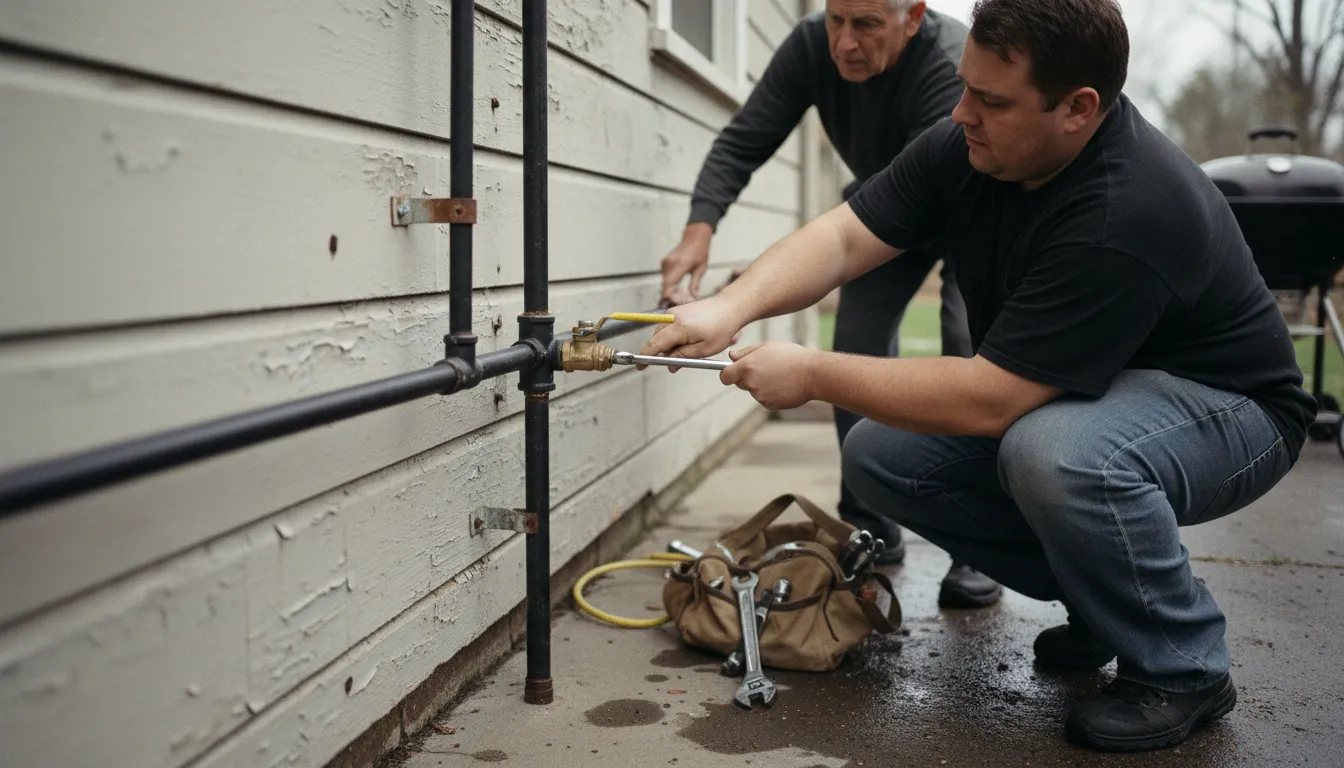
Installing or repairing a gas line is a critical project that directly impacts the safety and functionality of your home. Whether you're adding a gas fireplace, connecting a new stove, or addressing a leak, this work involves high-pressure systems that must adhere to strict local and state codes. In Moreno Valley, all gas piping projects require permits and inspections to ensure they are completed safely. This guide will help you understand the process, requirements, and how to find qualified local professionals for your gas line service needs.
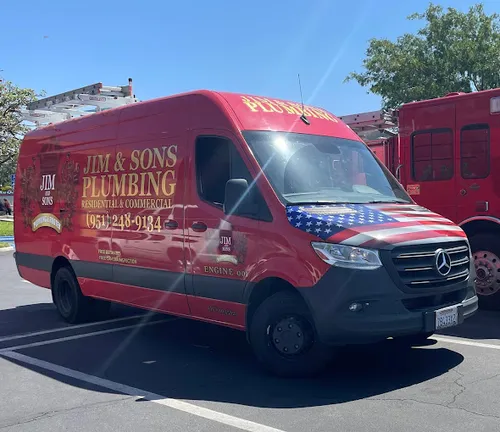
Jim & Sons Plumbing & Rooter
9345 Narnia Dr, Riverside, CA 92503
Jim & Sons Plumbing & Rooter is a family-owned plumbing company serving Riverside, CA, and the surrounding Inland Empire region. Since 1983, they have provided residential and commercial plumbing services including water heater repair and installation, drain cleaning, sewer line repair, leak detection, repiping, gas line installation, and garbage disposal repair. They specialize in trenchless sewer repair techniques such as pipe bursting and cured-in-place lining, which allow sewer line renewal without excavation, preserving landscaping and minimizing environmental impact. The company offers same-day service and is fully licensed and insured.
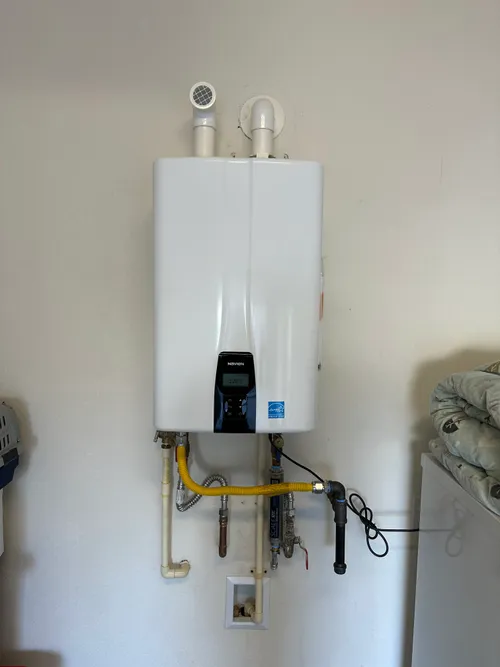
Dependable Plumber Inc
22980 Brompton St, Moreno Valley, CA 92553
Dependable Plumber Inc provides a wide range of plumbing services in Riverside, CA, including water heater repair and installation, water softener installation, sump pump and sewer line repair, drain cleaning, leak detection, gas line installation, and garbage disposal repair. They serve both residential and commercial clients throughout Riverside and San Bernardino County. The company offers 24/7 emergency plumbing services to address urgent issues such as burst pipes and major clogs. Dependable Plumber Inc is known for transparent pricing and a commitment to completing jobs correctly the first time.
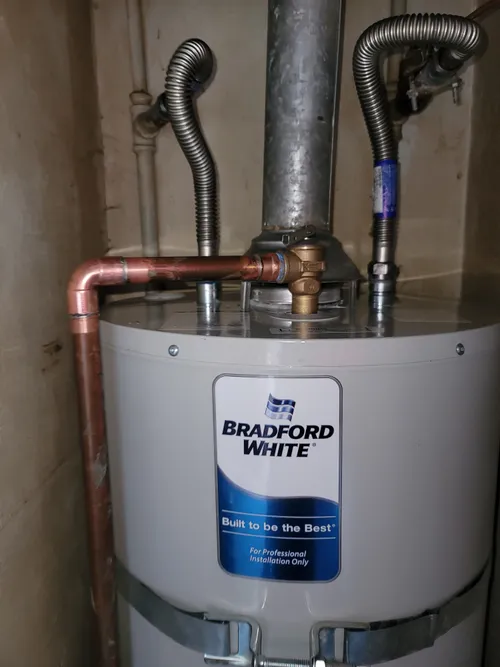
Imperial Plumbing Inc.
34084 County Line Rd Ste 238, Yucaipa, CA 92399
Imperial Plumbing Inc. is a family-owned plumbing company serving Riverside, CA, and nearby areas with over 18 years of experience. They offer a wide range of services including drain cleaning, water heater repair and installation for both tank and tankless models, sewer camera inspections, hydro jetting, leak detection, gas line installation, and toilet and garbage disposal repairs. The company is known for its honest and transparent approach, providing code-compliant work and respecting customers' homes. Imperial Plumbing also offers after-hours service Monday through Thursday and Saturday availability for emergencies and urgent plumbing needs.
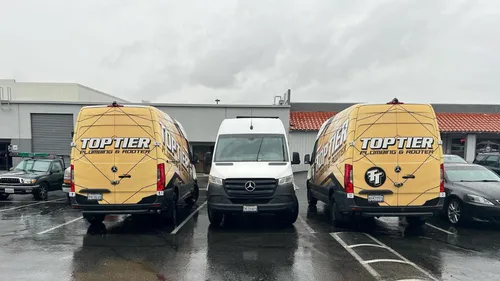
Top Tier Plumbing & Air LLC
12210 Michigan St Unit 2, Grand Terrace, CA 92313
Top Tier Plumbing & Air LLC is a plumbing company serving Riverside, CA, and surrounding areas. They offer a range of residential plumbing services including water heater repair and installation, tankless water heater services, drain cleaning, sewer line repair, trenchless sewer repair, leak detection, gas line installation, and toilet repair. The company specializes in trenchless sewer replacement and hydro jetting, providing modern solutions for sewer and drain issues. Established in 2010, Top Tier Plumbing & Air LLC brings over a decade of experience to their work. They also provide 24/7 emergency plumbing services to address urgent needs promptly.
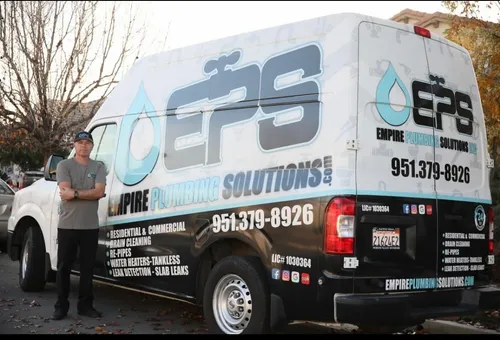
Empire Plumbing Solutions
Riverside, CA
Empire Plumbing Solutions is a plumbing company serving Riverside, CA, with over 25 years of experience. They provide a range of services including tankless water heater installation, leak detection, gas line installation, and toilet repair. The company emphasizes efficient and sustainable plumbing solutions and is known for addressing emergency repairs, including after-hours service. Their expertise includes gas line repairs and installations, supported by a long history of serving the local community.
Understanding Gas Line Work in Moreno Valley
Gas line installation and repair, often referred to as gas piping or fuel gas work, is a specialized trade. It involves running pipes from the main utility meter to various appliances in your home, such as water heaters, furnaces, ranges, and fireplaces. The system operates under pressure, making proper material selection, joint sealing, and pressure integrity paramount. In Moreno Valley, this work is governed by the California Plumbing Code (which incorporates the California Building Code) and enforced by the city's Building & Safety Division.
The consequences of improper gas line work can be severe, including gas leaks, fire hazards, and carbon monoxide poisoning. This is why the city mandates that only licensed professionals pull permits for this work. As a homeowner, you can apply for a permit, but you must demonstrate competency and the work will still be subject to the same rigorous inspections. For most, hiring a licensed plumbing contractor who is familiar with Moreno Valley's specific processes is the safest and most efficient path.
The Permit Process: A Mandatory First Step
Before any trench is dug or pipe is cut, you must secure a permit from the City of Moreno Valley. Permits are not just bureaucratic red tape; they are a vital safety check that ensures your project is designed and executed to code.
Why Permits are Non-Negotiable:
- Safety Verification: The plan review and inspection process catches potential design flaws before construction begins.
- Code Compliance: Ensures the materials and methods used meet current California safety standards.
- Legal Requirement: Performing unpermitted gas work can result in fines, require you to tear out completed work, and may void your homeowner's insurance in the event of an incident.
How to Apply for a Gas Line Permit: Moreno Valley uses an online portal called SimpliCITY for permit applications. The general steps are:
- Prepare Your Documents: You will need to submit PDF plans. These should include a site diagram showing the property address, the proposed route of the gas line, the location of the gas meter, and the appliances to be connected. Supporting documentation from a licensed contractor is typically required 1.
- Submit via SimpliCITY: Register for an account on the city's SimpliCITY portal and complete the application. You can also contact the permit counter directly via email at
permitcounter@moval.orgor by phone at 951-413-3350 for guidance 2. - Pay Fees: Permit fees are based on the valuation of the work. You can find the current fee schedule on the City of Moreno Valley's website to estimate this cost.
- Schedule Inspections: Once the permit is issued and work begins, you or your contractor will need to schedule the required inspections through the same portal.
Step-by-Step Guide to Gas Line Installation
A professional gas line project follows a meticulous sequence. Here's what you can expect from start to finish.
1. Planning and Design
A good plan is the foundation. Your contractor will calculate the total BTU load of all connected appliances to determine the correct pipe diameter. They will map the most efficient and code-compliant route from the meter to each appliance, noting obstacles like foundations, driveways, or existing utilities 3.
2. Call 811 Before You Dig
This is a critical and legally required safety step. At least two business days before any excavation, you or your contractor must call 811 or submit an online request. This free service will have all underground utility lines (gas, water, electric, cable) on your property marked with colored paint and flags. Never assume you know where these lines are buried 4.
3. Excavation and Trenching
For underground lines, a trench is dug along the planned route. In Moreno Valley and throughout California, the minimum burial depth for a steel gas line is typically 18 inches 5. The trench may need to be deeper (24 inches or more) if it runs under a driveway or other paved area. Special care is taken to avoid the utility markings from the 811 call.
4. Pipe Installation and Material Selection
Only approved materials can be used for natural gas lines:
- Black Steel Pipe: The traditional, robust choice for both underground and exposed runs.
- CSST (Corrugated Stainless Steel Tubing): Flexible, yellow-coated tubing that is easier to install in tight spaces but must be properly bonded to prevent electrical damage.
- Copper Tubing: Sometimes used in certain applications, but must be specifically approved for natural gas. The pipes are carefully laid in the trench, connected with proper fittings, and brought up through risers at appliance locations.
5. The Crucial Pressure Test
Before the trench is backfilled, the entire new section of piping must undergo a pressure test. This is a key inspection point. The system is sealed and pressurized with air (often to 10 psi or more) for a sustained period, usually 15 minutes or longer. A gauge is monitored for any pressure drop, which would indicate a leak. This test is non-negotiable and must be performed in the presence of the city inspector.
6. Final Inspection and Backfill
Once the pressure test passes inspection, the trench can be backfilled. The inspector will also check that the pipe is at the proper depth, has the correct protective coating if required, and that all above-ground connections at appliances are correctly made with approved shut-off valves 6.
7. Appliance Connection
Finally, the licensed professional will connect your gas appliances to the new lines, checking for leaks at each connection with a gas leak solution or electronic detector. They will ensure each appliance is properly vented and activated.
Find the perfect gas line plumbing companies for your needs
Get personalized recommendations and expert advice
Key Safety and Code Requirements
Adhering to these core principles is what separates a safe, lasting installation from a dangerous one.
- Use a Licensed Professional: California law requires that gas line work be performed by or under the direct supervision of a licensed C-36 Plumbing contractor. They carry the necessary bonding and insurance to protect you 7.
- Mandatory Pressure Testing: As outlined above, this is the definitive way to confirm the integrity of the entire system before it is energized with gas 8 9.
- Proper Material and Depth: Using unapproved materials (like some types of plastic pipe) or burying a line too shallow are common code violations that create serious long-term risks 10.
- Adequate Support and Protection: Above-ground pipes must be properly supported. Underground pipes must be protected from corrosion and physical damage.
Cost Considerations for Gas Line Projects
The cost of running a new gas line in Moreno Valley is rarely a flat rate; it's typically priced per linear foot. You can expect a range of $15 to $25 or more per foot for a standard underground installation, which includes both materials and labor 11 12.
Several factors influence the final price:
- Total Length: The distance from the meter to the appliance is the primary cost driver.
- Trenching Complexity: Digging through rocky soil, tree roots, or under concrete driveways and sidewalks adds significant labor and equipment time.
- Materials: The type and diameter of pipe selected will affect material costs.
- Permits and Inspections: Don't forget to factor in the city's permit fees, which are based on the job's valuation.
- Appliance Hookups: The final connection of multiple appliances adds to the labor total.
Always get detailed, written estimates from multiple licensed contractors that break down these costs.
Frequently asked questions
Sources
Footnotes
-
Plumbing Permits | LADBS - City of Los Angeles - http://dbs.lacity.gov/services/plan-review-permitting/plumbing-permits ↩
-
Table of Contents - Building & Safety Registration Instructions - https://moval.gov/city_hall/forms/building-safety/SimpliCITY-Help.pdf ↩
-
Essential Guide to Gas Line Installation: Tips and Safety ... - https://gaeberly.com/gas-line-installation/ ↩
-
811 & Safety Tips for Contractors & Excavators - Socalgas - https://www.socalgas.com/safety/safety-and-prevention/digging-and-yard-safety/contractors ↩
-
How Deep Are Gas Lines Buried? - SoftDig - https://www.softdig.com/blog/how-deep-are-gas-lines-buried/ ↩
-
Underground Gas Line - GasGuys.ca Inc. - https://www.gasguys.ca/underground-gas-lines/ ↩
-
Do You Need a Permit for Gas Line Work in California? Know the Laws - https://magnificentplumbing.com/do-you-need-permit-for-gas-line-work-california/ ↩
-
Natural Gas Line Installation: Safety Tips and Permits in ... - https://www.aloha-plumbinghvac.com/natural-gas-line-installation/ ↩
-
Frequently Asked Questions - CivicPlus.CMS.FAQ - https://www.rpvca.gov/faq.aspx?TID=40 ↩
-
BURIAL DEPTHS GAS PIPE SEWER PIPE - County of San Diego - https://www.sandiegocounty.gov/content/dam/sdc/pds/docs/pds438AB.pdf ↩
-
FY 25-26 Fee Schedule.xlsx - City of Moreno Valley - https://www.moval.org/departments/financial-mgmt-svcs/fin-pdf/FeeSchedule.pdf ↩
-
How to Install Natural Gas Lines Safely and Correctly - https://bluegasexpress.com/how-to-install-natural-gas-lines/ ↩