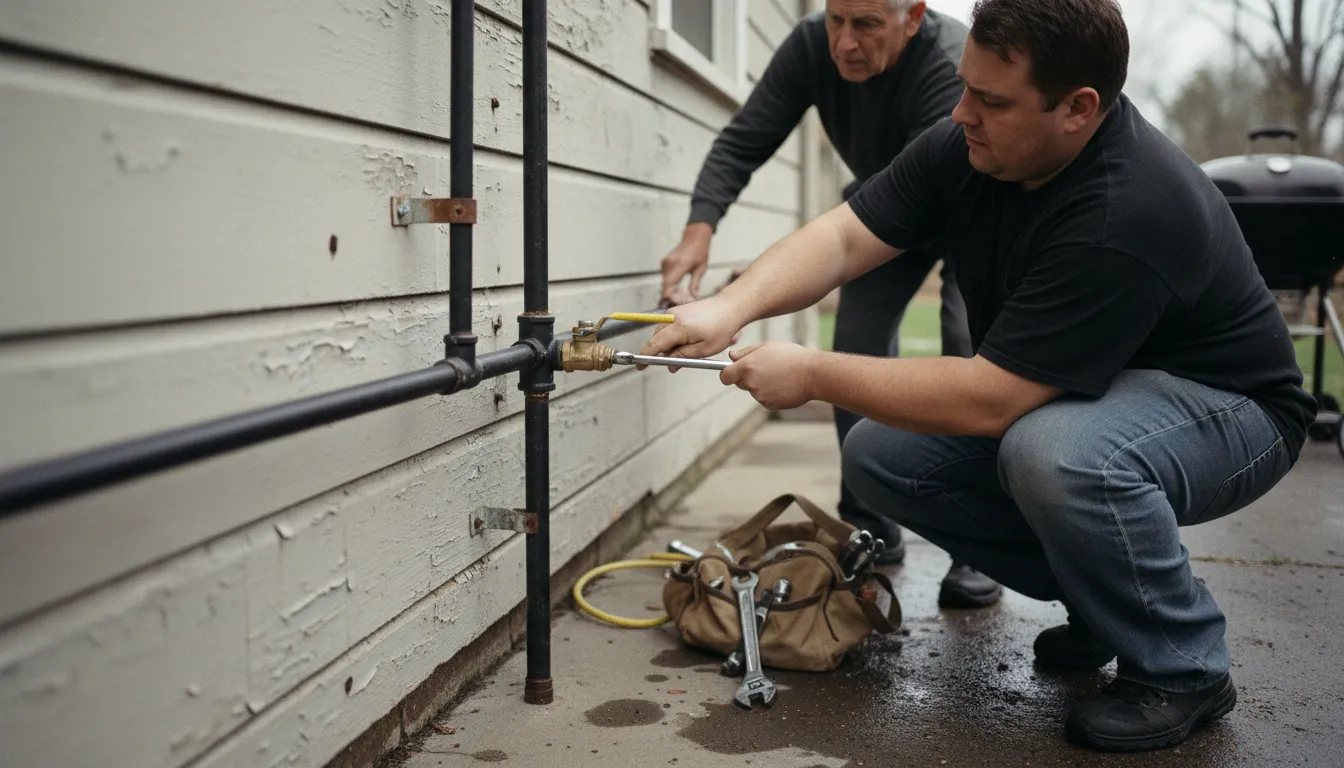
Find the Best Gas Line Plumbing Companies for Your Business
No obligation • Fast responses • Nationwide coverage

Why you can trust Search a Plumber
Search a Plumber is a leading United States resource for finding and evaluating professional plumbing services. Our team researches licensing, experience, and customer feedback to create unbiased, fact-driven overviews. Companies cannot pay to change ratings or placement, ensuring homeowners get trustworthy information.
Search providers near you
Top Gas Line Plumbing Companies in Modesto, California Ranked
Installing or repairing a gas line is a critical home improvement project that directly impacts the safety and functionality of your property. Whether you're adding a gas fireplace, upgrading an appliance, or fixing a leak, this work involves high-pressure systems that must adhere to strict local codes and safety protocols. This guide explains the essential steps, regulations, and considerations for gas line projects in Modesto, helping you understand the process so you can confidently engage with qualified local professionals to ensure the job is done safely and legally.
Roto-Rooter Plumbing & Water Cleanup
95 W 11th St #204A, Tracy, CA 95376
Roto-Rooter Plumbing & Water Cleanup offers a wide range of plumbing services in San Jose, CA, including sewer and drain cleaning, water heater repair and installation, sump pump services, and sewer line repair with trenchless options. The company serves both residential and commercial customers, providing specialized solutions such as hydro jetting and gas line installation. Founded in 1935, Roto-Rooter brings decades of experience and advanced technology to plumbing challenges. They also provide 24/7 emergency plumbing services for urgent needs like burst pipes and sewer backups.
Tony's Plumbing - Stockton
343 E Main St Suite 420, Stockton, CA 95202
Tony's Plumbing - Stockton provides a wide range of plumbing services in Stockton, CA, including water heater repair and installation, drain cleaning, sewer line repair with trenchless technology, leak detection, repiping, gas line installation, and toilet repair. They specialize in advanced sewer repair methods like pipe lining and pipe bursting to minimize property disruption. With 30 years of experience serving both residential and commercial customers, Tony's Plumbing offers expert solutions for plumbing emergencies and routine maintenance alike.
Superdrain Inc.
1221 W Fremont St, Stockton, CA 95203
SuperDrain Inc. is a plumbing company serving Stockton, CA, with over 30 years of experience. They provide a wide range of plumbing services including sewer camera inspections, water heater repair and installation, drain cleaning, sewer line repair, gas line installation, and toilet repair. The company offers 24/7 emergency plumbing services to address urgent plumbing issues at any time. Their team uses advanced technology and techniques to deliver precise and efficient solutions for both residential and commercial clients.
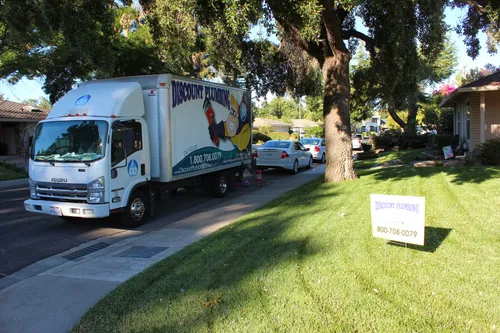
Discount Plumbing
787 Cottage Ave, Manteca, CA 95336
Discount Plumbing serves Stockton, CA, offering a wide range of plumbing services including sewer camera inspections, water heater repair and installation, drain cleaning, sewer line repair, repiping, gas line installation, toilet repair, and garbage disposal repair. Their team is licensed and insured, knowledgeable about local codes, and equipped with modern tools to handle plumbing challenges common in the area, such as issues caused by aging homes and local water quality. They provide 24-hour service to address urgent plumbing needs promptly.
Tony's Plumbing - Manteca
425 E Center St Suite 4, Manteca, CA 95336
Tony's Plumbing - Manteca provides a wide range of plumbing services in Stockton, CA, including water heater repair and installation, drain cleaning, sewer line repair, leak detection, repiping, and gas line installation. They specialize in trenchless sewer repair techniques such as pipe lining and pipe bursting, which minimize excavation and disruption. The company also offers emergency plumbing services available around the clock to address urgent issues promptly. Their expertise extends to maintaining and upgrading plumbing fixtures and appliances, as well as handling water and gas line installations and repairs.
Understanding Gas Line Work in Stanislaus County
Working with natural gas piping requires specialized knowledge. In Modesto, all gas line installation, replacement, and repair must comply with the California Plumbing Code, local amendments from the City of Modesto Building Department, and the standards set by Pacific Gas and Electric (PG&E), the local utility provider. This isn't a DIY project; the risks of gas leaks, fire, or explosion are too significant. Proper gas pipe work ensures safe, efficient fuel delivery to appliances like water heaters, furnaces, stoves, and fireplaces.
The process always begins with planning and permitting. A licensed professional will assess your needs, create a design that meets code, and pull the necessary permits before any work begins. The final step is a mandatory inspection and pressure test to certify the system's integrity.
The Non-Negotiable First Step: Permits and 811
Before a single shovel hits the ground, two critical administrative steps must be completed.
1. Pulling a Permit: For nearly all gas line work-including new installations, extensions, relocations, or major repairs-you must obtain a permit from the City of Modesto Building Department 1 2. Your contractor typically handles this. The permit process ensures the proposed work is reviewed for code compliance and that the city schedules the required inspections. Skipping this step is illegal and can result in fines, failed utility connections, and complications when selling your home.
2. Calling 811: This is a free and legally required service. At least two full business days before any excavation, you or your contractor must call 811 or submit an online request. This "Call Before You Dig" service will notify all relevant utility companies, who will send locators to mark the approximate location of underground public utility lines (like water, sewer, electric, and communications) in your work area with paint or flags 3. Striking an unmarked gas line is extremely dangerous and can lead to service disruptions, costly repairs, and severe liability.
The Step-by-Step Installation & Repair Process
A professional gas line project follows a meticulous sequence to guarantee safety.
1. Planning and Design: A contractor evaluates the gas demand (BTU load) of all appliances to determine the correct pipe size. They plan the most efficient and code-compliant route from the meter or source to the appliance(s).
2. Trenching and Path Creation: For underground lines, trenches are dug to the depth required by code (often a minimum of 18 inches) to protect the pipe from damage 4. The trench must be stable and free of sharp rocks that could damage the pipe coating.
3. Piping Installation: Only approved materials can be used. In Modesto, this is typically black steel pipe or Corrugated Stainless Steel Tubing (CSST). CSST is flexible and often used for running lines through walls and attics. Pipes are carefully cut, threaded (for steel), and joined using the correct fittings. Proper support and protection are crucial.
4. Valve and Appliance Connections: A dedicated shut-off valve must be installed at the inlet to each gas appliance, allowing you to isolate it for service or in an emergency. The final connection to the appliance uses an approved flexible appliance connector.
5. Pressure Testing: This is the most critical safety check. The entire new section of piping is sealed and pressurized with air (typically to 1.5 times its maximum operating pressure) and monitored with a gauge for a set period 5. Any drop in pressure indicates a leak that must be found and repaired before proceeding. This test is performed before the system is ever connected to gas.
6. Final Inspection: A city inspector and/or a PG&E representative will inspect the workmanship, materials, and the results of the pressure test 6 7. Only after they approve the installation can PG&E reconnect the meter or authorize the system to be turned on.
Find the perfect gas line plumbing companies for your needs
Get personalized recommendations and expert advice
Approved Materials and Key Safety Components
Using the right materials is not a suggestion-it's code. Black iron (steel) pipe is the traditional, robust choice for exposed or buried lines. CSST (often recognized by its yellow jacket) is a flexible tubing that simplifies runs through framed spaces but requires special fittings and must be properly bonded to prevent electrical arcing 8 9.
Key safety components include:
- Shut-off Valves: Required at the meter and for each appliance.
- Drip Legs (Sediment Traps): These T-shaped pipe sections catch debris and moisture before they can enter an appliance's gas valve, preventing malfunctions.
- Carbon Monoxide Detectors: While not part of the pipe itself, installing UL-listed CO detectors on every level of your home, especially near sleeping areas, is a vital, life-saving complement to any gas system 10.
Critical Safety Practices for Homeowners
Even when hiring a pro, homeowners should be aware of these safety rules:
- Leak Response: If you smell the distinctive rotten-egg odor of natural gas, hear a hissing sound, or see dead vegetation near a gas line, evacuate the area immediately. Do not use phones, light switches, or anything that could create a spark. Call 911 and PG&E from a safe distance away 11.
- Never Skip Testing: Insist on seeing the results of the pressure test. A reputable contractor will be transparent about this.
- Verify Licensing: Always hire a contractor licensed by the California Contractors State License Board (CSLB) with the appropriate classification for plumbing or gas fitting. Ask for their license number and verify it online.
Cost Considerations for Modesto Projects
The cost of gas line services in Modesto varies widely based on project scope. A simple repair, like fixing a leak at a valve behind your kitchen stove, may cost between $120 and $250. However, most projects are more complex.
For a new gas line installation, major factors include:
- Length and Route: The distance from the meter to the appliance is the primary cost driver. Runs through walls, under slabs, or across crawl spaces add labor.
- Excavation: Projects requiring trenching for underground pipes are significantly more expensive due to equipment and labor. Costs can escalate if landscaping, concrete, or other obstacles are in the way.
- Materials: Black steel is generally less expensive for materials than CSST, but CSST can sometimes reduce labor costs for complex runs.
- Permits and Inspections: Factor in city permit fees and any potential PG&E connection fees.
For extensive work involving excavation for buried lines, homeowners should budget anywhere from $1,500 to over $5,000, depending on the length and difficulty of the trenching 12. Always get detailed, written estimates from multiple licensed professionals.
Common Types of Gas Line Projects
- Appliance Hookups: Running a new line for a gas range, dryer, or tankless water heater.
- Fireplace or Fire Pit Conversions: Adding a gas line to convert a wood-burning fireplace or install an outdoor fire feature.
- Service Upgrades or Relocations: Moving your gas meter or upgrading the main supply line to accommodate a new addition or pool heater.
- Leak Repairs: Addressing leaks at fittings, valves, or along corroded sections of pipe. This often involves locating the leak, which can be costly if it's underground or hidden inside a wall.
Frequently asked questions
Sources
Footnotes
-
Gas Line Installation: What You Need to Know Before Starting Your Project - https://www.pasoroblesheating.com/gas-line-installation-what-you-need-to-know-before-starting-your-project/ ↩
-
Do You Need a Permit for Gas Line Work in California? Know the Laws - https://magnificentplumbing.com/do-you-need-permit-for-gas-line-work-california/ ↩
-
Underground Work | Modesto, CA - https://www.modestogov.com/1933/Underground-Work ↩
-
Essential Guide to Gas Line Installation: Tips and Safety Precautions - https://gaeberly.com/gas-line-installation/ ↩
-
How to Install Natural Gas Lines Safely and Correctly - https://bluegasexpress.com/how-to-install-natural-gas-lines/ ↩
-
Natural Gas Line Installation: Safety Tips and Permits in ... - https://www.aloha-plumbinghvac.com/natural-gas-line-installation/ ↩
-
Project Resources - PG&E - https://www.pge.com/en/account/service-requests/building-and-renovation/project-resources.html ↩
-
Gas Line Installation in Modesto - Mainline Plumbing Inc. - https://www.mainlineplumber.com/plumbing-services/gas-line/gas-line-installation/ ↩
-
New Gas Line Installation Cost: Natural Gas Piping Supplies & ... - https://www.superbrothers.com/new-gas-line-installation-cost-natural-gas-piping-supplies-custom-piping/ ↩
-
Gas Line in Modesto | Mainline Plumbing Inc. - https://www.mainlineplumber.com/plumbing-services/gas-line/ ↩
-
7 Essential Gas Pipe Installation Safety Tips To Follow [2025] - https://www.selectplumbingandheating.ca/gas-pipe-installation-safety-tips/ ↩
-
How Much Does It Cost to Install a Gas Line? [2025 Data] - https://www.homeadvisor.com/cost/plumbing/install-or-repair-gas-pipes/ ↩