Find the Best Gas Line Plumbing Companies for Your Business
No obligation • Fast responses • Nationwide coverage

Why you can trust Search a Plumber
Search a Plumber is a leading United States resource for finding and evaluating professional plumbing services. Our team researches licensing, experience, and customer feedback to create unbiased, fact-driven overviews. Companies cannot pay to change ratings or placement, ensuring homeowners get trustworthy information.
Search providers near you
Top Gas Line Plumbing Companies in Milpitas, California Ranked
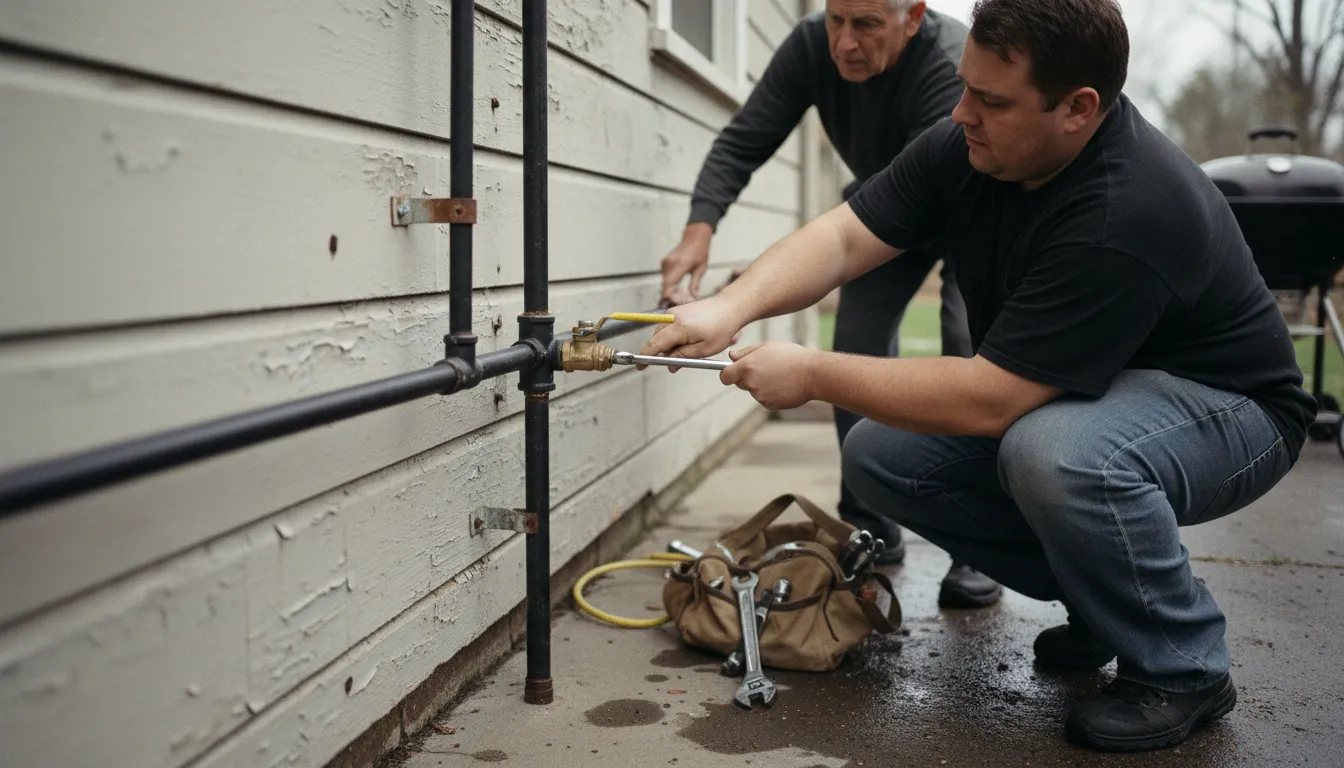
Installing or repairing a gas line is a critical home improvement project that directly impacts the safety and functionality of your property. Whether you're adding a gas stove, furnace, or outdoor fire pit, proper gas piping ensures reliable fuel delivery and protects your household from potential hazards. In Milpitas, this work is governed by strict state and local codes, requiring permits, licensed professionals, and specific safety protocols. This guide will help you understand the process, regulations, and key considerations for finding qualified local specialists for your gas system needs.
Roto-Rooter Plumbing & Water Cleanup
1780 Whipple Rd Ste 203G, Union City, CA 94587
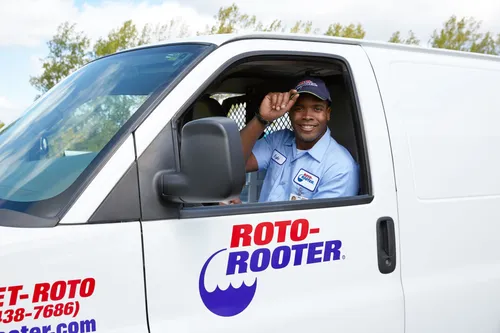
Roto-Rooter Plumbing & Water Cleanup provides comprehensive plumbing services in San Jose, CA, specializing in residential and commercial plumbing solutions. Their offerings include sewer and drain cleaning, water heater repair and installation, leak detection, gas line installation, and trenchless sewer repair. The company is equipped to handle emergency plumbing situations with 24/7 availability, ensuring prompt response to issues like burst pipes and sewer backups. With extensive experience and advanced technology, Roto-Rooter addresses complex plumbing challenges efficiently. They also offer floodwater cleanup and mold remediation services, supporting property restoration after water damage. Serving the San Jose area and nearby communities, Roto-Rooter is a licensed and insured provider known for its broad range of plumbing capabilities and emergency service availability.
Polis Plumbing Inc
Oakland, CA
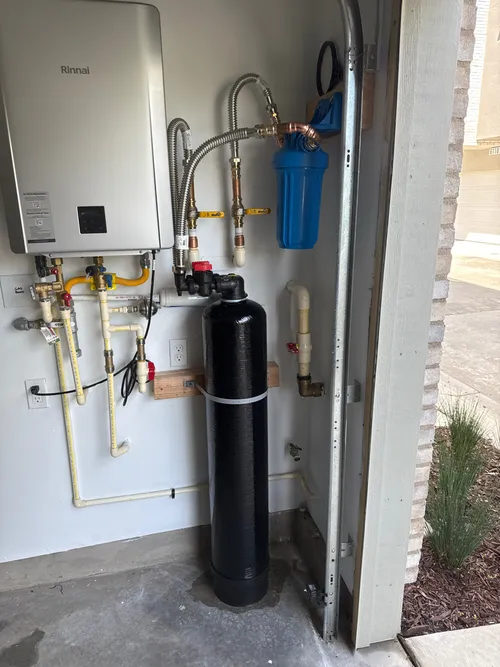
Polis Plumbing Inc is a licensed and insured plumbing company serving Oakland, CA. They provide residential and commercial plumbing services, including water heater installation and repair, tankless water heater services, water softener and filtration system installation, and gas line installation and repair. The company focuses on delivering customized plumbing solutions and maintaining trusted relationships with customers. Polis Plumbing Inc is equipped to handle a wide range of plumbing needs with a commitment to accuracy and efficiency.
Caccia Home Services
1660 Gilbreth Rd, Burlingame, CA 94010
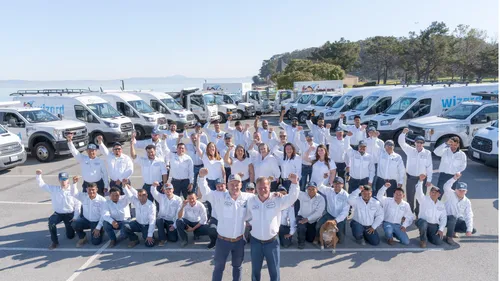
Caccia Home Services is a plumbing and home services provider based in Oakland, CA. They offer a wide range of plumbing solutions including water heater repair and installation, tankless water heaters, water softener installation, sump pump repair, hydro jetting, sewer line repair, trenchless sewer services, repiping, gas line installation, toilet and garbage disposal repairs. Their capabilities include advanced hydro jetting and trenchless sewer repair techniques. The company also provides emergency plumbing services and water treatment options.
JB Rooter and Plumbing Inc
2982 Mt Clare Dr, San Jose, CA 95148
JB Rooter and Plumbing Inc is a full-service plumbing company based in San Jose, CA, serving a wide area from San Carlos to Gilroy to Fremont. With over 20 years of experience, they provide a variety of plumbing services including sewer line repair, repiping, and gas line installation. Their team is skilled in handling both residential and commercial plumbing needs, focusing on safe and efficient gas plumbing and expert sewer repairs. JB Rooter and Plumbing Inc is licensed and insured, offering local expertise and competitive pricing to customers across the peninsula.
Bell Plumbing
611 Industrial Rd #8, San Carlos, CA 94070
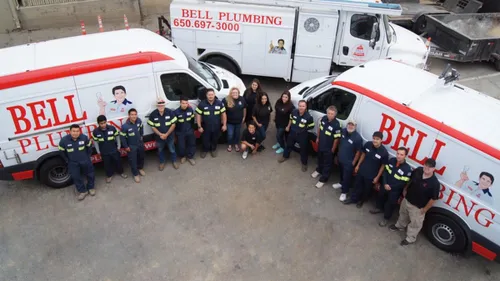
Bell Plumbing is a family-owned plumbing company serving Fremont, CA, and the surrounding Bay Area communities. With nearly 20 years of experience, they offer a wide range of plumbing services including sewer camera inspections, water heater repair and installation, drain cleaning, trenchless sewer repair, leak detection, repiping, gas line installation, toilet and garbage disposal repair. They hold an Underground Construction A License, enabling them to handle complex sewer and plumbing projects efficiently. Bell Plumbing is known for providing trenchless sewer repair options such as pipe bursting and pipe lining, which minimize disruption to properties. Their team is licensed, bonded, and insured, serving both residential and commercial clients across the Bay Area.
Understanding Gas Piping Work in Milpitas
Gas line projects encompass a range of services, from running a new line for an appliance to repairing a leak in an existing system. This work, often referred to as gas fitting or fuel gas piping, involves the installation of pipes, valves, and fittings that transport natural gas or propane from the utility meter to specific appliances like water heaters, dryers, and fireplaces. Given the inherent risks of working with combustible gas, all such projects in California must adhere to stringent safety standards outlined in the California Plumbing Code (CPC) and local amendments like the Milpitas Municipal Code (MMC) 1.
The city of Milpitas requires a formal permit for nearly all gas piping work, including new installations, extensions, and repairs. This permit process is not just bureaucratic red tape; it's a crucial safety checkpoint. The city's review ensures your project plans comply with code, and the subsequent inspection verifies the installation was done correctly before the line is concealed and put into use. Attempting this work without a permit or proper expertise is dangerous and can lead to severe penalties, failed home inspections, and most critically, gas leaks or fire hazards.
The Permit and Planning Process
Before any trench is dug or pipe is cut, proper planning and permitting are essential. Here's a breakdown of the key steps:
1. Pulling a Permit: A gas line permit must be obtained from the Milpitas Building Department. This permit can typically be pulled by a state-licensed plumbing contractor, the property owner, or an authorized designee. For most homeowners, hiring a licensed professional who routinely handles permits is the most efficient route, as they understand the specific requirements and paperwork.
2. Code Compliance: Your project must meet all relevant sections of the California Plumbing Code and any local Milpitas ordinances. One notable local requirement is the potential need for an automatic seismic gas shut-off device on new gas lines serving buildings2. These devices are designed to automatically stop the flow of gas during a significant earthquake, preventing fires from broken lines.
3. Calling 811: This is a non-negotiable first step for any project involving digging. At least two business days before you plan to excavate, you must call 811, the national "Call Before You Dig" hotline. This free service will notify all relevant utility companies, who will then send locators to mark the approximate location of underground lines (like water, sewer, and electrical) on your property3. Striking an unmarked line is extremely dangerous and can result in injury, service outages, and costly repairs.
Installation and Safety Procedures
A professional gas line installation follows a meticulous sequence to ensure long-term safety and reliability.
- Trenching and Depth: Gas lines must be buried at a minimum depth, typically at least 18 inches, to protect them from surface damage. In areas where this depth cannot be achieved, the pipe must be protected by a conduit or other approved means.
- Approved Materials: Only specific materials are approved for underground gas lines. Common options include coated steel pipe, copper (in certain applications), and Corrugated Stainless Steel Tubing (CSST). A licensed professional will select the correct material for your specific application and soil conditions.
- Pressure Testing: This is arguably the most critical safety step before a line is buried or enclosed. After installation, the entire new section of piping is pressurized with air (typically to 10 psi) and monitored for 15 minutes. Any drop in pressure indicates a leak that must be found and repaired before proceeding. This test is mandatory and will be verified during the city inspection.
- Final Inspection: Once the pressure test is passed and all connections are complete, your contractor will schedule a final inspection with the Milpitas Building Department. The inspector will check the work for code compliance, verify the pressure test, and ensure all safety devices (like shut-off valves) are properly installed. Only after passing this inspection should the trench be backfilled and the line connected to the gas meter.
Find the perfect gas line plumbing companies for your needs
Get personalized recommendations and expert advice
Cost Considerations for Gas Line Projects
The cost of gas piping work in Milpitas can vary widely based on the project's scope and complexity. It's important to view this as an investment in safety and property value, not just a utility upgrade.
- New Installation: Running a new gas line from the meter to an appliance like a stove, dryer, or fire feature can range from $500 to over $2,000 4. The primary cost factors include the distance the line must travel, the type of appliance being connected, and the difficulty of excavation (e.g., digging through concrete vs. soft soil).
- Repair Work: Repairing a leak or damaged section of pipe can cost between $500 and $3,000 or more, depending entirely on the severity and location of the issue5 6. A simple above-ground fitting repair will be on the lower end, while locating and repairing a leak deep under a concrete slab will be significantly more expensive.
- Trenchless Options: For certain repairs or replacements, trenchless technology may be an option. Methods like pipe bursting can minimize landscape disruption, though they may not be suitable for all situations and can affect project cost7.
Always get detailed, written estimates from multiple licensed contractors. The estimate should break down labor, materials, permit fees, and restoration (like patching concrete or replanting landscaping).
Why Professional Expertise is Non-Negotiable
The risks associated with improper gas work cannot be overstated. Hiring a state-licensed plumbing contractor specializing in gas lines provides multiple layers of protection:
- Safety Assurance: Professionals have the training to install systems that prevent leaks and ensure proper combustion for appliances.
- Code Knowledge: They are up-to-date on the latest CPC, MMC, and OSHA trench safety requirements8, ensuring your installation is legal and insurable.
- Permit Management: They handle the entire permit application and inspection scheduling process, saving you time and hassle.
- System Integrity: Proper techniques like pressure testing and using correct joint compounds are second nature to experienced pros, guaranteeing a secure system9 10.
- Liability: Licensed contractors carry insurance, protecting you from financial liability if an accident occurs during the project.
Maintaining Your Gas System
Once your new gas line is installed and approved, regular maintenance is key. Be aware of the signs of a potential gas leak: a distinctive "rotten egg" smell (odorant added to natural gas), a hissing sound near a gas line, or dead vegetation in an otherwise healthy lawn above a buried line. If you suspect a leak, leave the area immediately and call 911 or your gas utility from a safe distance. Have a licensed professional inspect your gas lines and appliances periodically, especially if your home is older or you've experienced seismic activity.
Frequently asked questions
Sources
Footnotes
-
Natural Gas Line Installation: Safety Tips and Permits in ... - https://www.aloha-plumbinghvac.com/natural-gas-line-installation/ ↩
-
Chapter 170 - GAS SHUT-OFF DEVICES | Milpitas, CA - https://library.municode.com/CA/milpitas/codes/code_of_ordinances?nodeId=TITIIBURE_CH170GASHFDE_S4EN_II-170-4.00EN ↩
-
RESIDENTIAL GAS PIPING - Milpitas.gov - https://www.milpitas.gov/DocumentCenter/View/1059/Gas-Line-PDF ↩
-
Gas Line Installation Cost: 2023 Guide - Super Brothers - https://www.superbrothers.com/gas-line-installation-cost-2023-guide/ ↩
-
Gas Line Installation Cost: Calculator - https://developmentandengineering.com/gas-line-installation-cost-calculator/ ↩
-
Gas Line Installation and Repair Service - https://dbhplumbingservice.com/plumbing-services/gas-line-installation-and-repair-service/ ↩
-
TrenchFree Milpitas | Trenchless Sewer, Water, Gas & Conduit - https://trenchfree.com/areas-served/milpitas-ca/ ↩
-
California Code of Regulations, Title 8, Section 536. Piping Standards. - https://www.dir.ca.gov/title8/536.html ↩
-
Gas Piping Information - https://cdnsm5-hosted.civiclive.com/UserFiles/Servers/Server_7964838/File/Government/Departments/Development%20Services/Building/Applications,%20Forms%20&%20Handouts/Handouts/Gas%20Piping%20Information%20Sheet.pdf ↩
-
Do You Need a Permit for Gas Line Work in California? - https://magnificentplumbing.com/do-you-need-permit-for-gas-line-work-california/ ↩