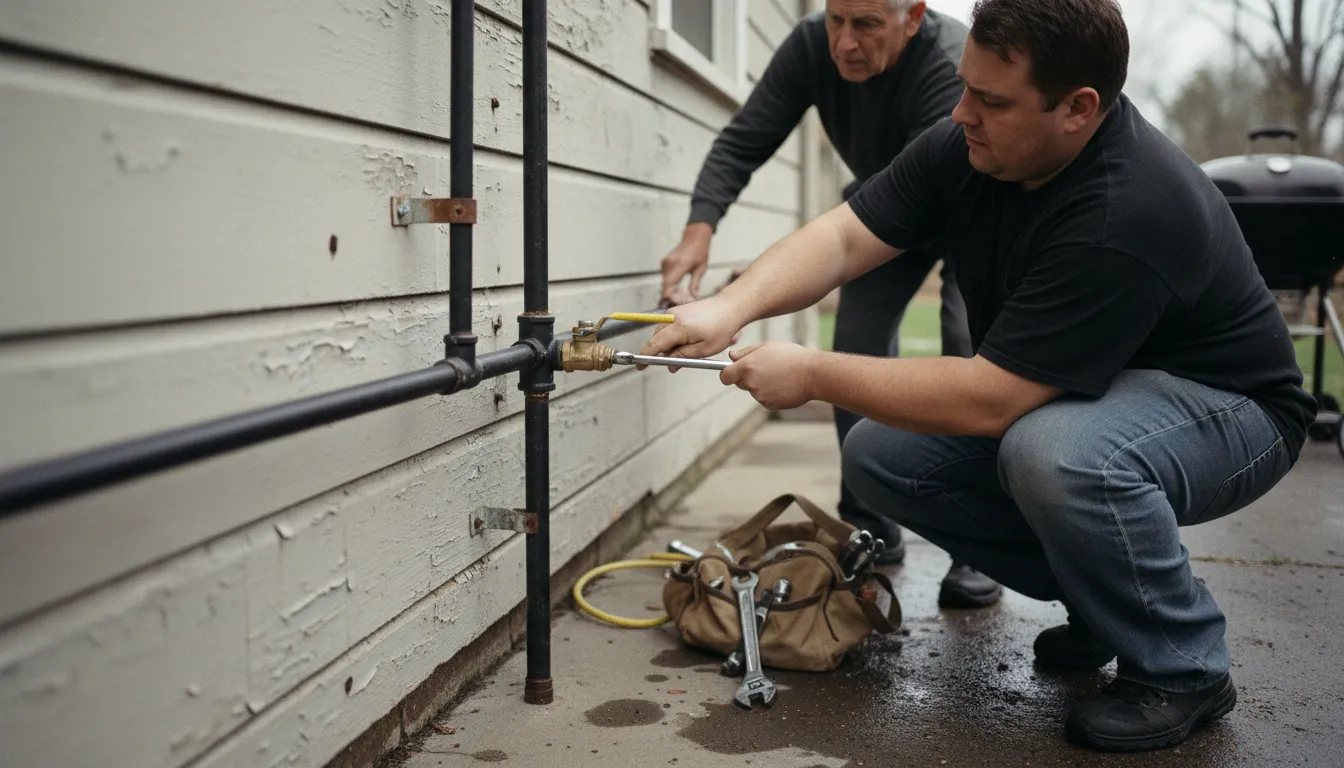
Find the Best Gas Line Plumbing Companies for Your Business
No obligation • Fast responses • Nationwide coverage

Why you can trust Search a Plumber
Search a Plumber is a leading United States resource for finding and evaluating professional plumbing services. Our team researches licensing, experience, and customer feedback to create unbiased, fact-driven overviews. Companies cannot pay to change ratings or placement, ensuring homeowners get trustworthy information.
Search providers near you
Top Gas Line Plumbing Companies in Laguna Niguel, California Ranked
Installing or repairing a gas line is a critical project that directly impacts the safety and functionality of your Laguna Niguel home. Proper gas line work ensures your appliances operate efficiently and, most importantly, prevents dangerous leaks. This guide explains the local requirements, process, and key considerations for gas line projects, helping you understand what to expect and how to connect with qualified, licensed professionals in the area.
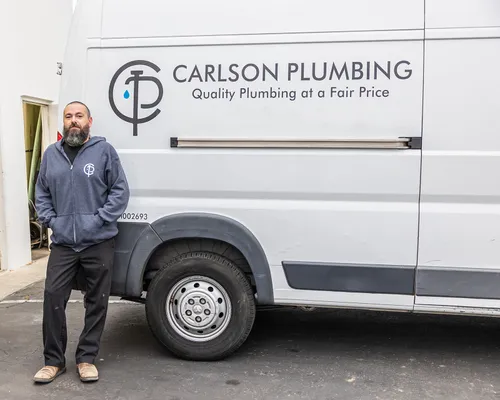
Carlson Plumbing Pros
17150 Newhope St Suite 301-302, Fountain Valley, CA 92708
Carlson Plumbing Pros is a licensed plumbing company serving Santa Ana, CA, and the broader Orange County area. They offer a wide range of plumbing services including water heater repair, water softener installation, drain cleaning, sewer line repair, leak detection, repiping, and gas line installation. With over 20 years of experience, they provide skilled plumbing solutions and are equipped to handle emergencies with 24/7 availability.
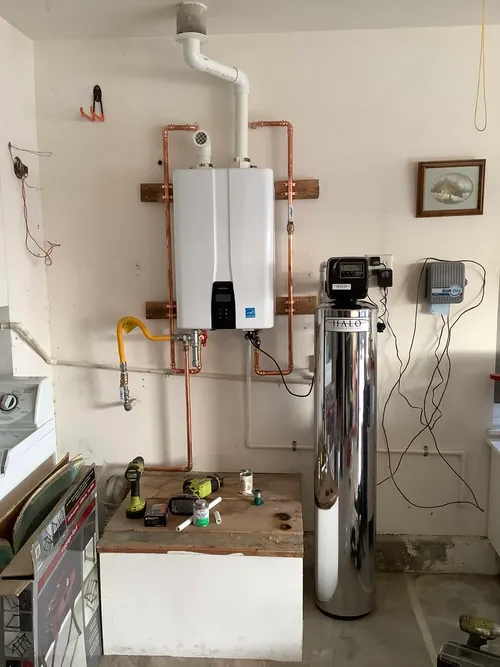
SoCal Plumbing & Rooter Inc.
420 W Lambert Rd suite f, Brea, CA 92821
SoCal Plumbing & Rooter Inc. is a full-service plumbing company serving Anaheim, CA, and the surrounding Orange County area. They provide a wide range of plumbing services including sewer camera inspections, water heater repair and installation, drain cleaning, hydro jetting, leak detection, repiping, gas line installation, and sewer line repair with trenchless methods. The company offers 24/7 emergency plumbing services to address urgent issues such as burst pipes, overflowing toilets, and sewer backups. Their expertise includes advanced leak detection and hydro jetting to clear stubborn clogs and maintain plumbing system efficiency. SoCal Plumbing & Rooter Inc. is fully licensed and insured, committed to meeting industry standards and local codes.
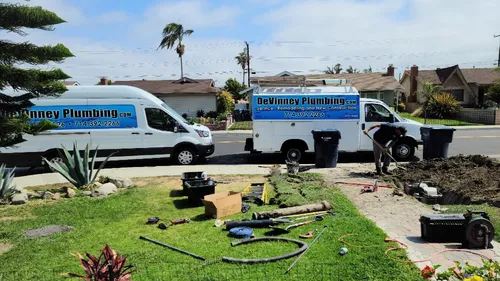
DeVinney Plumbing, Inc.
7501 Slater Ave L, Huntington Beach, CA 92647
DeVinney Plumbing, Inc. is a family-owned plumbing company serving Santa Ana, CA, and the surrounding Orange County area. With 40 years of experience, they provide a wide range of residential and commercial plumbing services including water heater installation and repair, tankless water heaters, water softener installation, drain cleaning, sewer line repair, leak detection, and gas line installation. They specialize in challenging issues like underground water leaks, gas leaks, and slab leaks. Their advanced electronic leak detection helps locate hidden leaks efficiently, minimizing damage and repair costs.
Sara's Best Plumbing
4454 W Cerritos Ave, Los Alamitos, CA 90720
Sara's Best Plumbing is a family-owned plumbing company serving Los Angeles, CA, and the surrounding Southern California communities. Established in 2022 with over 14 years of experience, they provide a wide range of plumbing services including sewer camera inspections, water heater repair and installation, drain cleaning, leak detection, repiping, gas line installation, and garbage disposal repair. The company is known for handling both emergency and planned plumbing projects with a focus on clear communication and customer care. They also offer specialized services such as water filtration system installation and gas line safety work. Sara's Best Plumbing operates with industry-leading warranties and offers 24/7 emergency services to ensure reliable support whenever needed.
Personal Plumbing, Heating & Air Conditioning
23881 Via Fabricante STE.524, Mission Viejo, CA 92691
Personal Plumbing, Heating & Air Conditioning serves Santa Ana, CA, providing a wide range of plumbing and HVAC services. Their offerings include water heater repair and installation, tankless water heater services, leak detection, repiping, gas line installation, and toilet repair. The company is equipped to handle both plumbing and HVAC needs, including water filtration and gas leak repairs. With over 20 years of experience, Personal Plumbing, Heating & Air Conditioning is a veteran-owned business that emphasizes skilled, licensed, and insured technicians. They also offer same-day service to address urgent plumbing and heating issues promptly.
Understanding Local Gas Line Requirements
In Laguna Niguel, all gas line installation and repair work is governed by strict California building codes and local ordinances. The primary goal of these regulations is safety. Natural gas is a reliable energy source for heating, cooking, and drying, but improper handling can lead to fire, explosion, or carbon monoxide poisoning. The city mandates that a licensed plumbing contractor must perform this work, and it must always be permitted and inspected.
The regulatory process involves multiple entities. You'll work with the City of Laguna Niguel's Building Division for permits and inspections, and with San Diego Gas & Electric (SDG&E), the local utility, for any work involving the service line or meter. Adhering to these protocols isn't just about compliance; it's a fundamental layer of protection for your property and family.
The Critical Role of Permits
A common question homeowners have is whether a permit is truly necessary. For gas piping, the answer is an unequivocal yes. Securing a plumbing permit from the City of Laguna Niguel is the first and most essential step before any work begins.
- Why Permits are Non-Negotiable: The permit process triggers the required city inspections. A certified inspector will check the materials, installation methods, and pressure integrity of your new gas line system before it is ever activated. This independent verification is your assurance that the work meets all safety standards. Unpermitted work carries significant risks, including substantial fines, voided homeowners insurance claims, and being forced to remove the non-compliant installation at your own expense 1.
- How to Get a Permit: Laguna Niguel manages permits through an online portal. As the homeowner, you or your licensed plumbing contractor will need to register on the city's Permit Center website to apply. The application will require details about the project scope, such as the type of appliance being connected, the length and size of the pipe, and the contractor's license information2.
The Step-by-Step Process for Gas Line Projects
Whether you're adding a line for a new outdoor kitchen or replacing old piping, the process follows a structured sequence. Here's what a typical gas line installation or repair project in Laguna Niguel entails.
1. Planning and Utility Location (Call 811)
Before a single shovel hits the ground, your contractor must call 811. This free national service notifies all underground utility operators, who will then come to your property to mark the approximate locations of their lines with paint or flags. In California, the service is managed by USA North3. This step is legally required and prevents catastrophic and costly damage to existing gas, water, electric, or communication lines4 5.
2. Trenching and Pipe Installation
Once utilities are marked, trenching can begin for underground lines. Codes specify minimum burial depths; for example, steel or plastic gas piping typically requires at least 18 inches of cover. The trench must be properly prepared with bedding material. Above-ground or indoor pipe runs must be securely supported and routed away from potential damage.
The pipe material itself must be approved for fuel gas use. Common approved materials include:
- Black Steel Pipe: Durable and traditional, often used for exposed runs.
- Corrugated Stainless Steel Tubing (CSST): Flexible, easier to install in tight spaces, and requires fewer fittings.
- Copper Tubing: Used in specific applications, must be type L or K.
Proper sizing of the gas line is crucial. A line that is too small will not deliver adequate gas volume to your appliance, causing poor performance. Your plumber will calculate the required pipe size based on the appliance's BTU demand, the length of the run, and the number of fittings6.
3. Coordination with SDG&E
If your project involves a new gas service to the property or moving the meter, you must coordinate with SDG&E. The utility is responsible for the service line that runs from the main in the street to your meter. Generally, your contractor must have the private houseline (the pipe from the meter into your home) installed and inspected before SDG&E will install their service pipe and set the meter.
4. Pressure Testing and Inspections
This is the most critical safety check. After the new piping is installed but before it is connected to the meter or appliance, your plumber will perform a mandatory air pressure test. A common test procedure involves pressurizing the system to 10 psi and monitoring the gauge for 15 minutes7. Any drop in pressure indicates a leak that must be found and repaired immediately.
Find the perfect gas line plumbing companies for your needs
Get personalized recommendations and expert advice
Only after a successful pressure test will the city inspector perform the final inspection. They will verify the test was passed, check the installation against code, and ensure SDG&E's work is complete. Once the city grants final approval, the utility can be contacted to activate the service.
Key Safety Considerations and Best Practices
Beyond the formal steps, several best practices ensure a safe and successful outcome for your gas line project.
- Hire a Licensed Professional: Gas work is not a DIY project. Always hire a plumbing contractor licensed by the State of California with specific experience in fuel gas systems. They understand the local codes, permit process, and proper installation techniques 8.
- Never Skip the Pressure Test: Consider this the non-negotiable proof of a leak-free system. A proper test is the only way to confirm the integrity of every joint and fitting.
- Use Only Approved Materials and Fittings: Substandard or incorrect materials can corrode or fail, leading to leaks. Your professional will use only code-listed pipes, valves, and connectors.
- Plan for the Future: Discuss your long-term needs with your contractor. If you might add another gas appliance later, installing a slightly larger pipe now can save considerable time and money down the road.
Understanding Project Costs
The cost of gas line work in Laguna Niguel varies based on the project's complexity, length of pipe run, and difficulty of excavation. While we cannot provide exact quotes, the cost structure typically includes:
- Professional Labor: This is the largest variable, covering the contractor's expertise, labor, and equipment. Complexity drives the price9.
- Permit Fees: The City of Laguna Niguel charges fees based on the project's valuation. Your contractor can often provide an estimate for this10.
- Pressure Testing: Some contractors include this in their quote, while others may charge a separate fee, typically in the range of $75-$150 for a standard test11.
- SDG&E Fees: The utility may charge for setting a new meter or establishing service. These fees can vary12.
- Materials: The cost of approved pipe, fittings, valves, and trenching supplies.
Always obtain detailed, written estimates from multiple licensed professionals. The lowest price may not reflect the quality of materials or thoroughness of the work, including critical steps like pressure testing and proper permitting.
Frequently asked questions
Sources
Footnotes
-
Do You Need a Permit for Gas Line Work in California? Know the Laws - https://magnificentplumbing.com/do-you-need-permit-for-gas-line-work-california/ ↩
-
City Permit System | the City of Laguna Niguel Website! - https://www.cityoflagunaniguel.org/1266/New-Permit-System ↩
-
811 & Safety Tips for Contractors & Excavators - Socalgas - https://www.socalgas.com/safety/safety-and-prevention/digging-and-yard-safety/contractors ↩
-
Frequently Asked Questions - CivicPlus.CMS.FAQ - https://www.rpvca.gov/faq.aspx?TID=40 ↩
-
What to Know About Utility Trenching in Northern California: Permits ... - https://www.eurekaearthworks.com/blog/blog-post-title-four-bg4ky-bg9ey ↩
-
City of Laguna Hills - https://www.lagunahillsca.gov/DocumentCenter/View/7816/Fuel-Gas-Pine-Sizing ↩
-
Natural Gas Line Installation: Safety Tips and Permits in ... - https://www.aloha-plumbinghvac.com/natural-gas-line-installation/ ↩
-
Best Gas Line Services near Laguna Niguel, CA 92677 - Yelp - https://m.yelp.com/search?find_desc=Gas+Line+Services&find_loc=Laguna+Niguel%2C+CA+92677 ↩
-
Laguna Niguel Gas Line Install Repair - https://americalplumbing.com/laguna-niguel-gas-line-install-repair/ ↩
-
Working with SDG&E On Your Building Project: New Gas ... - https://www.sdge.com/sites/default/files/NewGasService.pdf ↩
-
Gas Line Repair and Replacement Costs [2026 Data] | Angi - https://www.angi.com/articles/average-gas-line-repair-and-installation-costs.htm ↩
-
New service for electric & gas - https://www.sdge.com/sites/default/files/documents/2025-03/S2490018-BldrSrvsGuide-NewService-FS_R3_Share8_0.pdf?nid=27546 ↩