Find the Best Gas Line Plumbing Companies for Your Business
No obligation • Fast responses • Nationwide coverage

Why you can trust Search a Plumber
Search a Plumber is a leading United States resource for finding and evaluating professional plumbing services. Our team researches licensing, experience, and customer feedback to create unbiased, fact-driven overviews. Companies cannot pay to change ratings or placement, ensuring homeowners get trustworthy information.
Search providers near you
Top Gas Line Plumbing Companies in Gardena, California Ranked
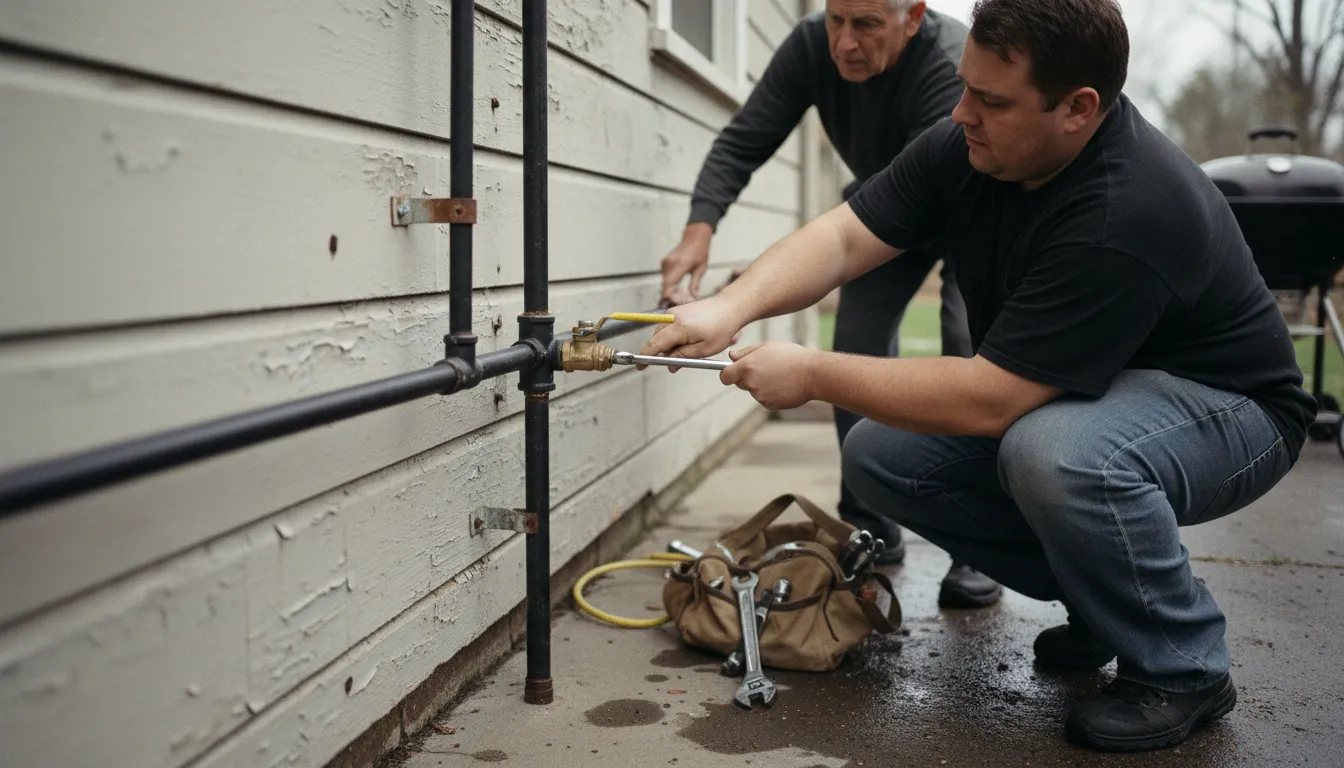
Installing or repairing a gas line is a critical home improvement project that directly impacts the safety and functionality of your property. Whether you're adding a gas stove, a fire pit, or need to repair an existing line, this work involves highly combustible natural gas and must be handled with precision and strict adherence to code. For homeowners and business owners in Gardena, navigating the local permit process, material requirements, and safety protocols is essential. This guide will help you understand the key steps, regulations, and considerations for finding qualified local professionals to complete your gas piping project safely and legally.
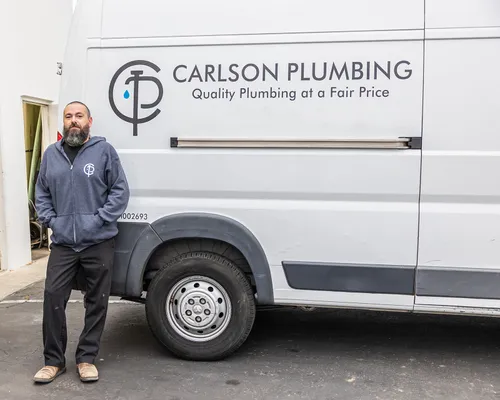
Carlson Plumbing Pros
17150 Newhope St Suite 301-302, Fountain Valley, CA 92708
Carlson Plumbing Pros is a licensed plumbing company serving Santa Ana, CA, and the broader Orange County area. They offer a wide range of plumbing services including water heater repair, water softener installation, drain cleaning, sewer line repair, leak detection, repiping, and gas line installation. With over 20 years of experience, they provide skilled plumbing solutions and are equipped to handle emergencies with 24/7 availability.
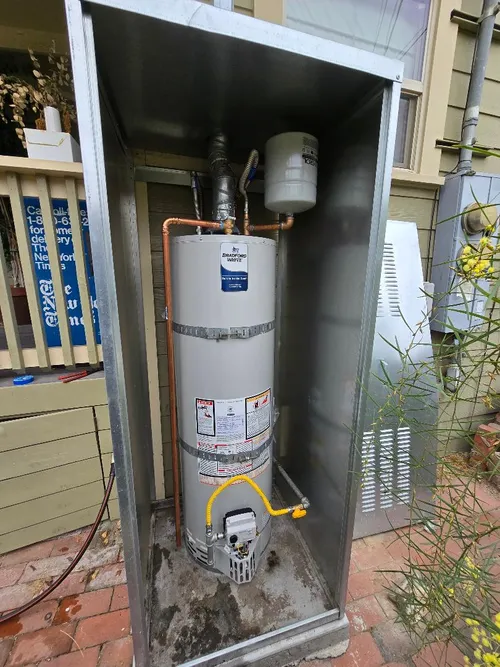
DX Plumbing and Hydro Jetting Inc🔧
10940 Wilshire Blvd Ste 1600-PMB #818, Los Angeles, CA 90024
DX Plumbing and Hydro Jetting Inc is a family-owned plumbing company serving Los Angeles, CA. They offer a range of services including water heater repair and installation, drain cleaning, hydro jetting, and gas line installation. The company uses advanced technology for drain inspections and focuses on quality and attention to detail in every job. With over a decade of experience, DX Plumbing emphasizes honesty and professionalism in addressing plumbing issues from minor repairs to major pipe replacements.
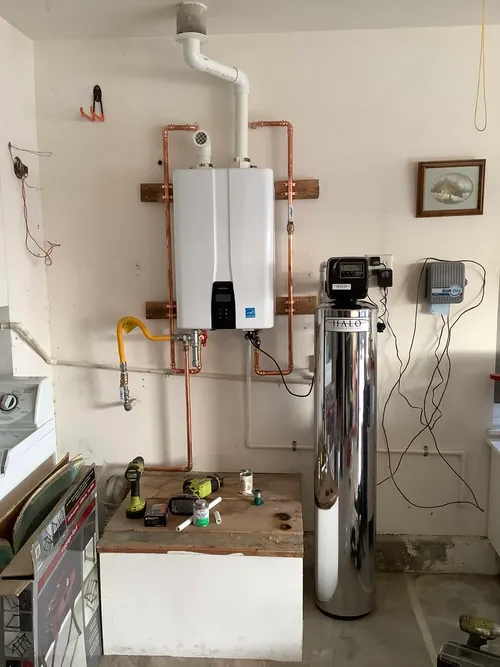
SoCal Plumbing & Rooter Inc.
420 W Lambert Rd suite f, Brea, CA 92821
SoCal Plumbing & Rooter Inc. is a full-service plumbing company serving Anaheim, CA, and the surrounding Orange County area. They provide a wide range of plumbing services including sewer camera inspections, water heater repair and installation, drain cleaning, hydro jetting, leak detection, repiping, gas line installation, and sewer line repair with trenchless methods. The company offers 24/7 emergency plumbing services to address urgent issues such as burst pipes, overflowing toilets, and sewer backups. Their expertise includes advanced leak detection and hydro jetting to clear stubborn clogs and maintain plumbing system efficiency. SoCal Plumbing & Rooter Inc. is fully licensed and insured, committed to meeting industry standards and local codes.
DeVinney Plumbing, Inc.
7501 Slater Ave L, Huntington Beach, CA 92647
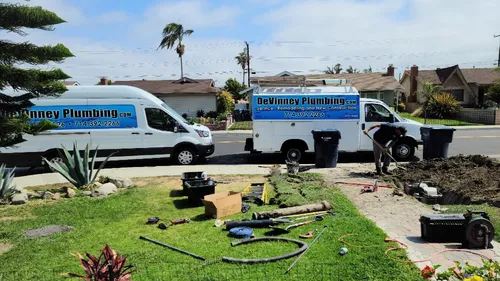
DeVinney Plumbing, Inc. is a family-owned plumbing company serving Santa Ana, CA, and the surrounding Orange County area. With 40 years of experience, they provide a wide range of residential and commercial plumbing services including water heater installation and repair, tankless water heaters, water softener installation, drain cleaning, sewer line repair, leak detection, and gas line installation. They specialize in challenging issues like underground water leaks, gas leaks, and slab leaks. Their advanced electronic leak detection helps locate hidden leaks efficiently, minimizing damage and repair costs.
Plumbing Service Solutions - Harbor City
25843 Frampton Ave, Harbor City, CA 90710
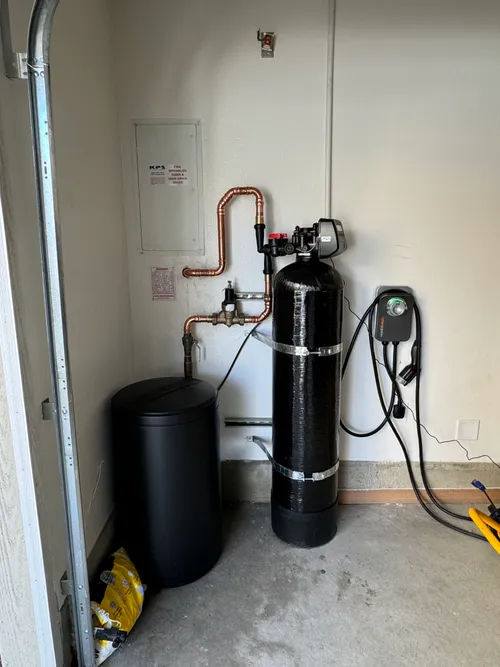
Plumbing Service Solutions - Harbor City offers a wide range of plumbing services in Long Beach, CA, including water heater repair and installation, sump pump repair, drain cleaning, sewer line repair, and gas line installation. They serve both residential and commercial customers in the South Bay Area with expertise in trenchless sewer repair and hydro jetting. The team uses modern tools and technology to deliver lasting plumbing solutions and is available 24/7 for emergencies.
Understanding Local Gas Line Regulations
In Gardena, all gas line work is strictly regulated to ensure public safety. The City of Gardena Building & Safety Division mandates that a permit is required for any installation, replacement, or significant repair of a gas line system. This isn't just a formality; it's a crucial step that triggers a plan review by city and county officials to verify your project meets all current California building and safety codes, including the rigorous standards set by the Public Utilities Commission (General Order 112-F). Attempting to bypass this process can result in failed inspections, fines, and most dangerously, an unsafe gas system in your home.
The permit process typically involves submitting detailed plans of the proposed gas piping work. These plans are reviewed by multiple departments, including Planning and Public Works, and may also require approval from the Los Angeles County Fire Department, depending on the project's scope. You should anticipate an initial plan check to take approximately 10 business days. It's standard practice for the licensed contractor you hire to pull this permit on your behalf, as they are familiar with the submission requirements and can ensure the plans are code-compliant from the start.
The Critical Role of Licensed Professionals
Given the inherent risks, only licensed professionals should perform gas fitting work. In California, the appropriate licenses are a C-36 (Plumbing) or a C-20 (Warm-Air Heating, Ventilating and Air-Conditioning) contractor's license. Hiring a licensed pro is non-negotiable for several reasons: they carry the required insurance, their work is held to state and local code standards, and they have the expertise to perform the mandatory pressure tests. Utility companies like Southern California Gas Company (SoCalGas) and Pacific Gas & Electric (PG&E) have strict standards for connecting gas service, and they will only work with or approve installations done by properly licensed individuals.
These experts do more than just run pipe. They handle the entire process, from securing the permit and calling for utility locates to selecting approved materials, performing the installation with proper techniques, and coordinating the final inspections. Their knowledge is your best guarantee that the new line for your outdoor kitchen or the repair to your existing furnace connection will be safe, reliable, and legally compliant.
Step-by-Step: From Planning to Inspection
A successful gas line project follows a defined sequence. Here's what you can expect when working with a qualified Gardena contractor:
- Project Planning & Permitting: Your contractor will assess the job, create necessary plans, and submit for the required permit from the City of Gardena.
- Call 811 Before Digging: This is a state law. At least two business days before any excavation, your contractor must call 811 to have all underground utility lines (gas, water, electric, telecom) marked on your property 1 2. This free service prevents dangerous and costly strikes.
- Trenching & Installation: The contractor will excavate a trench for the new gas pipe. In California, the minimum burial depth for residential gas lines is 18 inches. They will use approved materials-typically black steel pipe or Corrugated Stainless Steel Tubing (CSST)-and ensure proper bedding and backfill.
- Pressure Testing: Before the city inspector arrives, the contractor must perform a mandatory air pressure test. This involves sealing the system and pressurizing it with air to verify there are absolutely no leaks. A successful "hold" of the pressure is a prerequisite for passing inspection.
- Final Inspection: A city inspector will visit to verify the installation matches the approved plans, checks the depth and materials, and reviews the pressure test results. Only after this final approval is your system legally authorized to be connected and used.
Find the perfect gas line plumbing companies for your needs
Get personalized recommendations and expert advice
Approved Materials and Installation Methods
Not all pipes are suitable for natural gas. Local and state codes specify which materials can be used. The most common approved materials for gas lines are:
- Black Steel Pipe: The traditional, highly durable choice for both underground and exposed runs. It requires threaded connections and is known for its longevity.
- Corrugated Stainless Steel Tubing (CSST): A flexible, yellow-jacketed tubing that is easier to install in tight spaces and requires fewer fittings. It must be properly bonded and grounded to mitigate electrical shock risks.
- Copper Tubing: Its use is often restricted for gas lines in many jurisdictions, including parts of California, due to potential for corrosion from certain gas additives. Always confirm with your contractor and local code what is approved in Gardena.
The installation method is just as important as the material. Trenches must be deep enough to protect the pipe from surface damage and frost. The pipe must be laid on a stable bed, often sand, and covered with more sand or fine soil before final backfill to protect against rocks that could damage the pipe over time 3.
Understanding Project Costs
The cost of gas line services in Gardena varies widely and is difficult to state as a flat rate. It depends entirely on the project's scope. Key factors include:
- Project Type: A simple repair or running a short line to a new kitchen stove is less expensive than installing a long line to a backyard fire pit or a complex outdoor kitchen.
- Pipe Length and Diameter: Longer runs and larger diameter pipes (needed for high-BTU appliances) require more materials and labor.
- Labor and Complexity: Difficulty of trenching (e.g., through concrete, rocky soil, or landscaped areas) significantly impacts labor time and cost.
- Permit and Inspection Fees: These are separate costs set by the City of Gardena and are typically included in a contractor's quote 4 5.
For basic appliance hookups, you might expect costs ranging from a few hundred to over a thousand dollars. For extensive projects like full outdoor kitchen gas lines or whole-house repiping, costs can reach several thousand dollars 6 7 8. The only way to get an accurate price is to get detailed quotes from multiple licensed Gardena plumbing or HVAC contractors 9. Reputable professionals will provide free estimates that break down the expected costs for materials, labor, and permits.
Safety First: Why Compliance Isn't Optional
Gas line work is not a DIY project. The consequences of an error-a leak, improper pressure, or faulty connections-can be catastrophic, leading to fire, explosion, or carbon monoxide poisoning. The regulatory framework in Gardena is designed to prevent these outcomes. From the permit that ensures a plan review, to the 811 call that prevents utility strikes, to the final pressure test and inspection, every step is a critical safety checkpoint 10.
Using a licensed contractor is the cornerstone of safety. They understand how to size pipes correctly for appliance BTU loads, how to properly seal connections, and how to ensure adequate ventilation for gas appliances. Their work not only gets your gas flowing but, more importantly, keeps it safely contained within the system.
Frequently asked questions
Sources
Footnotes
-
Gas Line Trenching Los Angeles Commercial Excavation - https://www.lautilitytrenching.com/gas-line-trenching-los-angeles ↩
-
What to Know About Utility Trenching in Northern California: Permits ... - https://www.eurekaearthworks.com/blog/blog-post-title-four-bg4ky-bg9ey ↩
-
Building and Renovation Services Trenching - PG&E - https://www.pge.com/assets/pge/docs/account/service-requests/BRSC_Guide_Trenching.pdf ↩
-
Building Services | City of Gardena - https://cityofgardena.org/building-services/ ↩
-
Permit Information | City of Gardena - https://cityofgardena.org/permit-information-2/ ↩
-
Natural Gas Line Installation: Safety Tips and Permits in ... - https://www.aloha-plumbinghvac.com/natural-gas-line-installation/ ↩
-
Foot by Foot: Understanding Gas Line Installation Costs - https://jollyplumbing.com/gas-line-installation-cost-per-foot/ ↩
-
The Basics of Gas Line Installation or Replacement - https://jacobsheating.com/blog/gas-line-installation-replacement/ ↩
-
TOP 10 BEST Gas Line Services in Gardena, CA - Yelp - https://m.yelp.com/search?find_desc=Gas+Line+Services&find_loc=Gardena%2C+CA ↩
-
Do You Need a Permit for Gas Line Work in California? Know the Laws - https://magnificentplumbing.com/do-you-need-permit-for-gas-line-work-california/ ↩