Find the Best Gas Line Plumbing Companies for Your Business
No obligation • Fast responses • Nationwide coverage

Why you can trust Search a Plumber
Search a Plumber is a leading United States resource for finding and evaluating professional plumbing services. Our team researches licensing, experience, and customer feedback to create unbiased, fact-driven overviews. Companies cannot pay to change ratings or placement, ensuring homeowners get trustworthy information.
Search providers near you
Top Gas Line Plumbing Companies in Fullerton, California Ranked
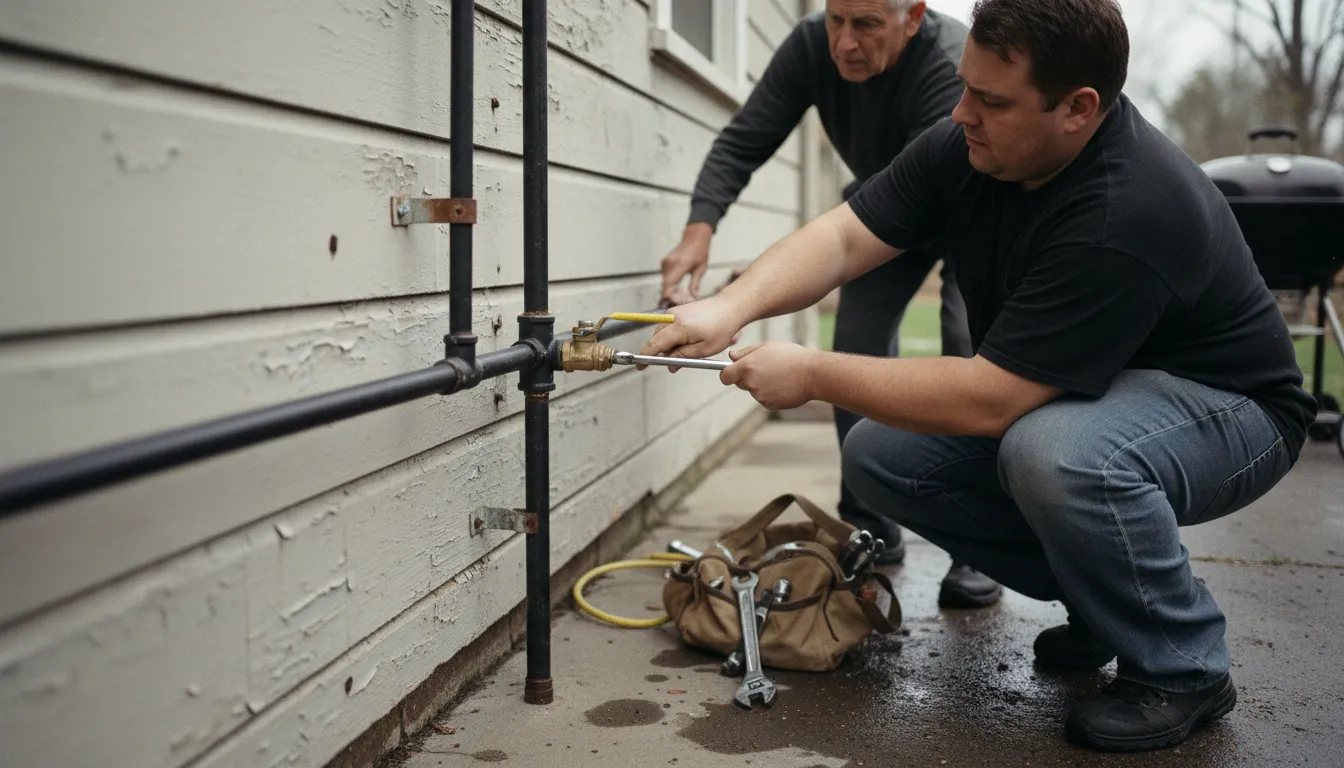
Ensuring your home or business has a safe and reliable gas supply is a critical task that requires professional expertise. Gas line installation and repair involves running new piping for appliances like stoves, fire pits, or furnaces, or fixing leaks and corrosion in existing systems. This work is governed by strict local and state safety codes to protect your property and community. For Fullerton residents, navigating permits, material choices, and proper installation techniques can be complex. This guide provides essential information to help you understand the process and connect with qualified local specialists for your gas piping needs.
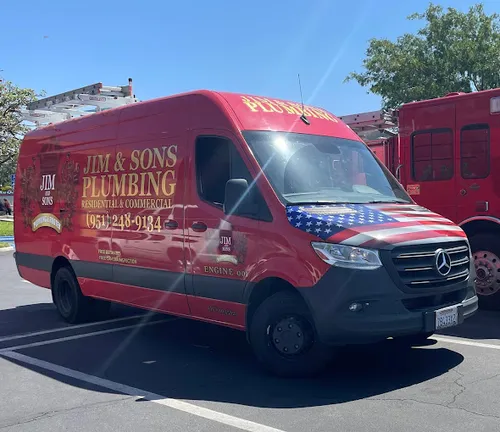
Jim & Sons Plumbing & Rooter
9345 Narnia Dr, Riverside, CA 92503
Jim & Sons Plumbing & Rooter is a family-owned plumbing company serving Riverside, CA, and the surrounding Inland Empire region. Since 1983, they have provided residential and commercial plumbing services including water heater repair and installation, drain cleaning, sewer line repair, leak detection, repiping, gas line installation, and garbage disposal repair. They specialize in trenchless sewer repair techniques such as pipe bursting and cured-in-place lining, which allow sewer line renewal without excavation, preserving landscaping and minimizing environmental impact. The company offers same-day service and is fully licensed and insured.
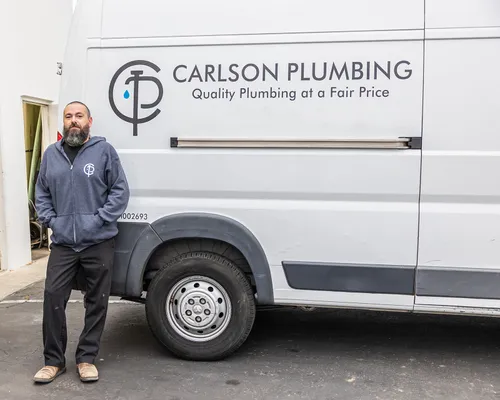
Carlson Plumbing Pros
17150 Newhope St Suite 301-302, Fountain Valley, CA 92708
Carlson Plumbing Pros is a licensed plumbing company serving Santa Ana, CA, and the broader Orange County area. They offer a wide range of plumbing services including water heater repair, water softener installation, drain cleaning, sewer line repair, leak detection, repiping, and gas line installation. With over 20 years of experience, they provide skilled plumbing solutions and are equipped to handle emergencies with 24/7 availability.
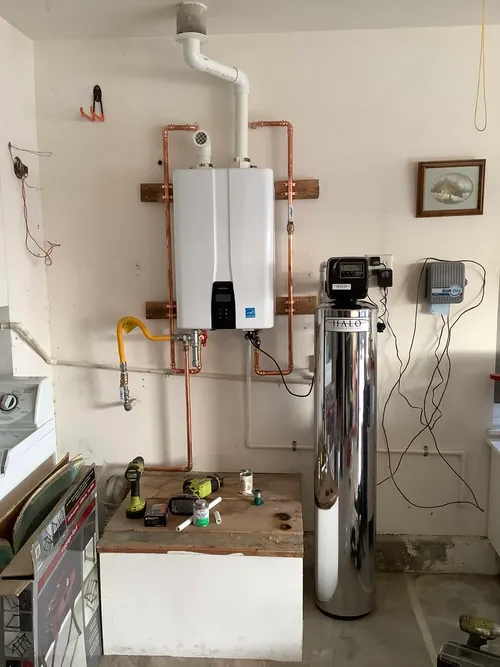
SoCal Plumbing & Rooter Inc.
420 W Lambert Rd suite f, Brea, CA 92821
SoCal Plumbing & Rooter Inc. is a full-service plumbing company serving Anaheim, CA, and the surrounding Orange County area. They provide a wide range of plumbing services including sewer camera inspections, water heater repair and installation, drain cleaning, hydro jetting, leak detection, repiping, gas line installation, and sewer line repair with trenchless methods. The company offers 24/7 emergency plumbing services to address urgent issues such as burst pipes, overflowing toilets, and sewer backups. Their expertise includes advanced leak detection and hydro jetting to clear stubborn clogs and maintain plumbing system efficiency. SoCal Plumbing & Rooter Inc. is fully licensed and insured, committed to meeting industry standards and local codes.
DeVinney Plumbing, Inc.
7501 Slater Ave L, Huntington Beach, CA 92647
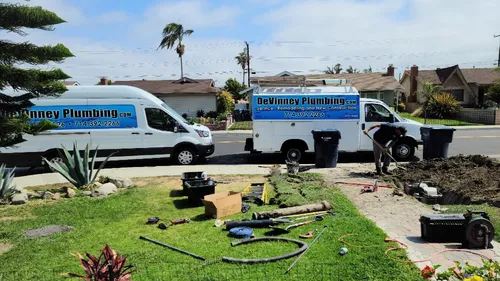
DeVinney Plumbing, Inc. is a family-owned plumbing company serving Santa Ana, CA, and the surrounding Orange County area. With 40 years of experience, they provide a wide range of residential and commercial plumbing services including water heater installation and repair, tankless water heaters, water softener installation, drain cleaning, sewer line repair, leak detection, and gas line installation. They specialize in challenging issues like underground water leaks, gas leaks, and slab leaks. Their advanced electronic leak detection helps locate hidden leaks efficiently, minimizing damage and repair costs.
Plumbing Service Solutions - Harbor City
25843 Frampton Ave, Harbor City, CA 90710
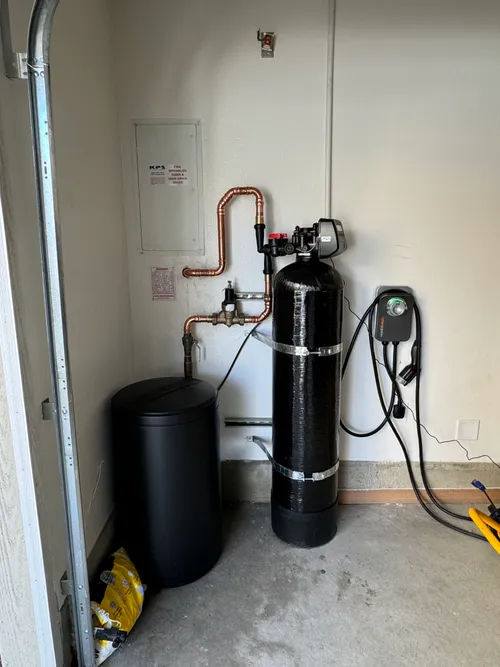
Plumbing Service Solutions - Harbor City offers a wide range of plumbing services in Long Beach, CA, including water heater repair and installation, sump pump repair, drain cleaning, sewer line repair, and gas line installation. They serve both residential and commercial customers in the South Bay Area with expertise in trenchless sewer repair and hydro jetting. The team uses modern tools and technology to deliver lasting plumbing solutions and is available 24/7 for emergencies.
Understanding Gas Line Work
Gas line services encompass any work on the pipes that deliver natural gas or propane from the utility main to your appliances. This includes new installations for outdoor kitchens, pool heaters, or interior appliance relocations, as well as critical repairs for suspected leaks or outdated piping. Given the inherent dangers of gas, this is not a typical DIY project. Professional gas fitters and plumbers have the training to handle combustible gases safely, ensuring connections are secure and systems are up to the rigorous standards set by the City of Fullerton and the State of California.
The consequences of improper work can be severe, ranging from gas leaks and fire hazards to health risks from carbon monoxide. Therefore, the entire process-from planning to final inspection-is designed with safety as the paramount concern. Whether you're building an addition, upgrading an old house, or simply moving your dryer, understanding the required steps will help you manage your project effectively and ensure it is completed legally and safely.
The Permit Process in Fullerton
Before any trench is dug or pipe is threaded, you must secure the proper approvals. A building permit is mandatory for installing or altering gas lines for stoves, fire pits, and other appliances in Fullerton 1. This rule applies to both residential and commercial properties and is enforced by the Fullerton Building & Safety Division.
The permit process serves as a formal check, ensuring your planned work complies with current safety codes. To apply, you or your contractor will typically need to submit detailed plans of the proposed gas line work. For smaller, standard jobs, the city may accept pre-approved "Standard Details." However, for more complex installations, the plans may need to be prepared and stamped by a licensed California architect or engineer. The permit fee is based on the estimated job valuation, and paying this fee initiates the official review process.
Skipping the permit is risky and illegal. Unpermitted work can lead to fines, complications when selling your home, and most importantly, may hide serious safety defects that could put your household in danger. A reputable gas line professional will always handle the permit application on your behalf, making this step seamless.
Step-by-Step: A Professional Gas Line Installation
A proper gas line installation follows a meticulous sequence. Here's what you can expect when you hire a qualified specialist in Fullerton:
- Plan and Permit: The process begins with designing the pipe route and obtaining the necessary building permit from Fullerton Building & Safety, as outlined above.
- Call 811: Before any digging commences, you are required by California law to call 811. This free service, "USA North," will notify all relevant utility companies, who will send locators to mark the approximate positions of underground gas, water, electric, and communication lines on your property. This critical step prevents catastrophic and dangerous hits to existing infrastructure.
- Excavation: Once lines are marked, careful excavation begins. The required burial depth for gas piping can vary based on the material and location, but it is often 18 to 24 inches deep for steel or Corrugated Stainless Steel Tubing (CSST) to provide adequate cover and protection 2 3.
- Pipe Installation: The installer will use code-approved materials. In Fullerton, common approved piping includes black steel, CSST, and in some specific applications, copper. The right choice depends on the application, local code amendments, and the installer's expertise.
- Pressure Testing: Before the trench is backfilled, the new line must be pressure tested. A common test involves pressurizing the system to 10 psi for 15 minutes to check for any drops that indicate a leak 4. This is a non-negotiable safety check.
- Backfill and Inspection: After a successful pressure test, the trench can be backfilled. Finally, a city inspector from Building & Safety will visit to verify the installation matches the permitted plans, the materials are correct, and the work is safe. Only after this final inspection is approved can the new gas line be connected to the utility meter and put into service 5.
Find the perfect gas line plumbing companies for your needs
Get personalized recommendations and expert advice
Why Hire a Gas Line Specialist?
While some plumbing tasks might be manageable for a skilled homeowner, gas line work is distinctly different. Hiring a specialist in gas piping minimizes risk and ensures code compliance. These professionals bring specific expertise in working with combustible gases, understanding the nuances of pressure, ventilation, and proper fitting techniques. They are also familiar with the Fullerton permit office, know which materials are approved, and can efficiently navigate the inspection process.
A qualified professional will also ensure the use of only code-approved piping and fittings, such as correctly graded steel or CSST, which are designed to safely contain gas under pressure 6. They own the specialized tools for threading pipe, making flare connections, and conducting sensitive leak detection. Perhaps most importantly, they carry the necessary liability and workers' compensation insurance, protecting you in the unlikely event that something goes wrong. Investing in a specialist is an investment in the long-term safety and reliability of your home's gas system.
Common Materials for Gas Piping
The type of pipe used in your installation is dictated by the California Plumbing Code and local amendments. Here are the most common materials used by professionals in Fullerton:
- Black Steel Pipe: This is the traditional, rugged choice for gas lines. It is extremely durable and offers excellent fire resistance. It requires threaded connections and is often used for exposed runs in basements, garages, or for the main supply line. Its rigidity makes it less ideal for complex, snaking routes.
- Corrugated Stainless Steel Tubing (CSST): This flexible, yellow-jacketed tubing has revolutionized many installations. It is easier and faster to install than rigid steel, as it can bend around obstacles. It requires special shielded fittings and must be properly bonded and grounded to mitigate the risk of lightning-induced damage, a crucial step a professional will handle.
- Copper Tubing: In certain applications and where specifically allowed by local code, type K or L soft copper tubing may be used for gas. It is corrosion-resistant and flexible but is generally more expensive than other options and its use may be restricted to specific sections of a system.
Your contractor will recommend the best material based on the job's scope, the run's length, and whether the pipe will be exposed or buried.
Understanding Costs and Pricing
Pricing for gas line services varies significantly based on the job's complexity, length of pipe needed, and difficulty of excavation 7 8. A simple repair of a small leak on an accessible line will cost far less than running a new line 50 feet across a landscaped yard to a new outdoor kitchen.
For minor repairs or short extensions, you might encounter estimates in the range of $500 to $3,000 9. However, for complex jobs involving extensive trenching, new main lines, or whole-house repiping, costs can rise into the thousands, reflecting the labor, materials, and permit fees 10 11. It's important to get detailed, written estimates from licensed professionals. These estimates should break down costs for labor, materials, and the permit fee. The lowest bid is not always the best value; prioritize contractors with strong local references, proper licensing, and a clear focus on gas line safety.
Safety First: Critical Reminders
Gas safety is a shared responsibility. Beyond hiring a professional, here are key reminders for Fullerton homeowners:
- Smell Gas? Act Immediately: Natural gas has a distinctive rotten egg odor added to it. If you smell gas inside or outside your home, leave the area immediately. Do not operate light switches, phones, or anything that could create a spark. Call 911 or your gas utility company from a safe distance away.
- Carbon Monoxide Detectors Are Essential: Any home with gas appliances must have working carbon monoxide (CO) detectors installed on every level and near sleeping areas. CO is a deadly, odorless gas produced by incomplete combustion.
- Keep Areas Clear: Ensure the areas around gas appliances like furnaces and water heaters are clear of clutter, dust, and flammable materials to allow for proper ventilation and reduce fire risk.
- Schedule Regular Appliance Maintenance: Have your gas-fired furnace, water heater, and fireplace inspected annually by a qualified technician to ensure they are operating safely and efficiently.
Frequently asked questions
Sources
Footnotes
-
Do You Need a Permit for Gas Line Work in California? - https://magnificentplumbing.com/do-you-need-permit-for-gas-line-work-california/ ↩
-
How Deep Are Gas Lines Buried? Dig Into the Requirements - Angi - https://www.angi.com/articles/how-deep-are-gas-lines-buried.htm ↩
-
How Deep Are Gas Lines Buried? - J.D. Power - https://www.jdpower.com/cars/shopping-guides/how-deep-are-gas-lines-buried ↩
-
Frequently Asked Questions - CivicPlus.CMS.FAQ - https://www.rpvca.gov/faq.aspx?TID=40 ↩
-
Permit Processing Info | Fullerton, CA - https://www.cityoffullerton.com/government/departments/community-and-economic-development/building-and-safety/permit-processing-info ↩
-
Natural gas pipeline safety - SMUD - https://www.smud.org/In-Our-Community/Safety-Tips/Gas-Pipeline-Safety ↩
-
Natural Gas Line Installation: Safety Tips and Permits in ... - https://www.aloha-plumbinghvac.com/natural-gas-line-installation/ ↩
-
Gas Line Installation and Repair Service - https://dbhplumbingservice.com/plumbing-services/gas-line-installation-and-repair-service/ ↩
-
Emergency Gas Line Repair in Fullerton, CA | High Speed Plumbing - https://www.highspeedplumbing.com/natural-gas-line-services-fullerton-ca ↩
-
Gas Line Installation | 714-696-1144 | Fullerton California - https://www.gaslineinstall.com/gas-line-installation-fullerton-california/ ↩
-
BURIAL DEPTHS GAS PIPE SEWER PIPE - County of San Diego - https://www.sandiegocounty.gov/content/dam/sdc/pds/docs/pds438AB.pdf ↩