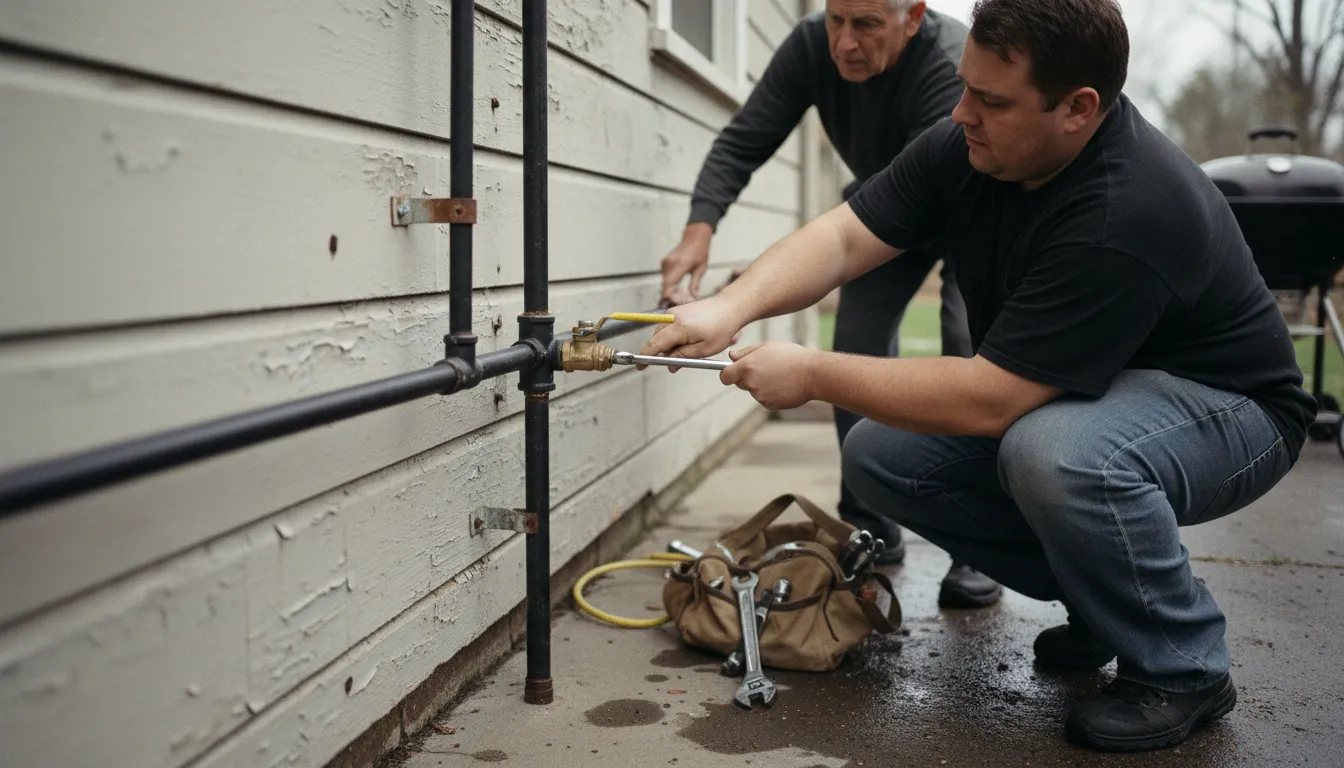
Find the Best Gas Line Plumbing Companies for Your Business
No obligation • Fast responses • Nationwide coverage

Why you can trust Search a Plumber
Search a Plumber is a leading United States resource for finding and evaluating professional plumbing services. Our team researches licensing, experience, and customer feedback to create unbiased, fact-driven overviews. Companies cannot pay to change ratings or placement, ensuring homeowners get trustworthy information.
Search providers near you
Top Gas Line Plumbing Companies in Fountain Valley, California Ranked
Adding or repairing a gas line in your Fountain Valley home is a significant project that directly impacts your safety and home's functionality. Whether you're installing a line for a new outdoor fire pit, upgrading a kitchen range, or addressing a leak, this work involves strict local regulations, specialized skills, and precise materials. This guide explains the critical steps, from securing the right permits to choosing a qualified contractor, to help you navigate the process for a safe and code-compliant gas piping installation.
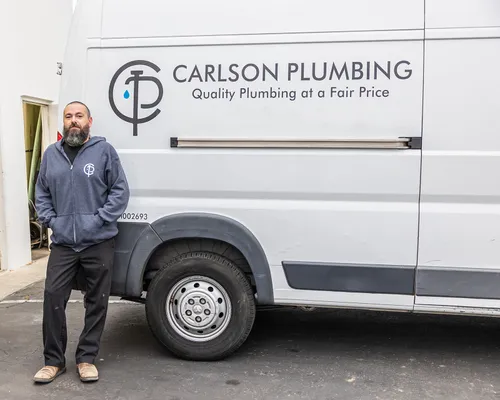
Carlson Plumbing Pros
17150 Newhope St Suite 301-302, Fountain Valley, CA 92708
Carlson Plumbing Pros is a licensed plumbing company serving Santa Ana, CA, and the broader Orange County area. They offer a wide range of plumbing services including water heater repair, water softener installation, drain cleaning, sewer line repair, leak detection, repiping, and gas line installation. With over 20 years of experience, they provide skilled plumbing solutions and are equipped to handle emergencies with 24/7 availability.
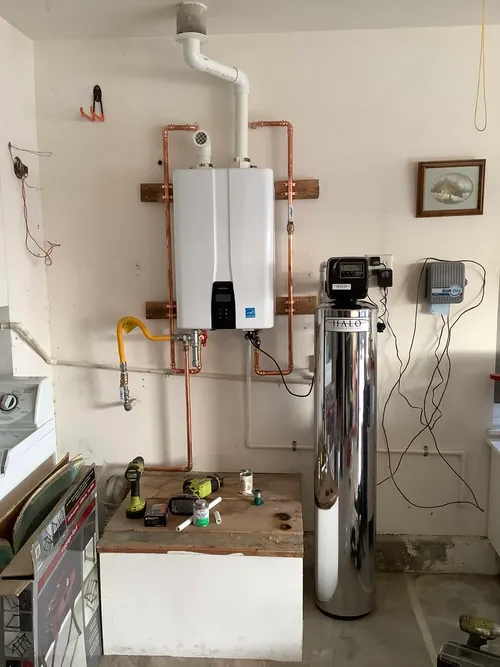
SoCal Plumbing & Rooter Inc.
420 W Lambert Rd suite f, Brea, CA 92821
SoCal Plumbing & Rooter Inc. is a full-service plumbing company serving Anaheim, CA, and the surrounding Orange County area. They provide a wide range of plumbing services including sewer camera inspections, water heater repair and installation, drain cleaning, hydro jetting, leak detection, repiping, gas line installation, and sewer line repair with trenchless methods. The company offers 24/7 emergency plumbing services to address urgent issues such as burst pipes, overflowing toilets, and sewer backups. Their expertise includes advanced leak detection and hydro jetting to clear stubborn clogs and maintain plumbing system efficiency. SoCal Plumbing & Rooter Inc. is fully licensed and insured, committed to meeting industry standards and local codes.
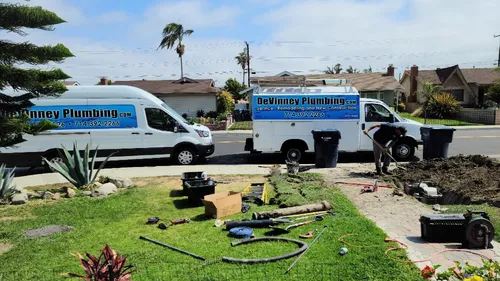
DeVinney Plumbing, Inc.
7501 Slater Ave L, Huntington Beach, CA 92647
DeVinney Plumbing, Inc. is a family-owned plumbing company serving Santa Ana, CA, and the surrounding Orange County area. With 40 years of experience, they provide a wide range of residential and commercial plumbing services including water heater installation and repair, tankless water heaters, water softener installation, drain cleaning, sewer line repair, leak detection, and gas line installation. They specialize in challenging issues like underground water leaks, gas leaks, and slab leaks. Their advanced electronic leak detection helps locate hidden leaks efficiently, minimizing damage and repair costs.
Plumbing Service Solutions - Harbor City
25843 Frampton Ave, Harbor City, CA 90710
Plumbing Service Solutions - Harbor City offers a wide range of plumbing services in Long Beach, CA, including water heater repair and installation, sump pump repair, drain cleaning, sewer line repair, and gas line installation. They serve both residential and commercial customers in the South Bay Area with expertise in trenchless sewer repair and hydro jetting. The team uses modern tools and technology to deliver lasting plumbing solutions and is available 24/7 for emergencies.
Plumbing Service Solutions - San Pedro Ca
222 W 6th St #400, San Pedro, CA 90731
Plumbing Service Solutions - San Pedro Ca offers a wide range of plumbing services in Long Beach, CA, including water heater repair and installation, sump pump repair, drain cleaning, sewer line repair, and gas line installation. They serve both residential and commercial customers with expertise in trenchless sewer repair and hydro jetting. The team uses modern tools and technology to deliver accurate and lasting repairs. Available 24/7, they provide timely assistance for plumbing emergencies and routine maintenance.
Understanding Local Permit Requirements
In Fountain Valley, and throughout California, gas line work is heavily regulated for safety. The most critical first step is understanding that a permit from the City of Fountain Valley Building Division is mandatory for any new gas line installation or alteration. This isn't just bureaucratic red tape; it's a vital safety checkpoint. The permit process ensures your project plans are reviewed for compliance with the California Plumbing Code and local amendments, and that the final installation is inspected by a city official.
Typically, only a state-licensed C-36 Plumbing contractor can pull this permit1. While homeowners may apply for a permit if they are doing the work themselves, this is generally not recommended due to the high stakes of gas work. The permit application will require detailed diagrams showing the planned route of the gas piping and the location of all connected appliances. After the work is complete, but before the line is connected to gas, the city will require an inspection that includes a pressure test to verify the system is leak-free 1.
The Step-by-Step Installation Process
A professional gas line installation follows a meticulous sequence to ensure safety and longevity.
1. Planning and Calling 811 Before a single shovel hits the ground, careful planning is essential. This includes finalizing the route from the gas meter to the appliance. Crucially, you must call 811 at least two business days before any digging. This free service will have all public utility lines (gas, water, electric, communications) marked on your property to prevent dangerous and costly strikes2.
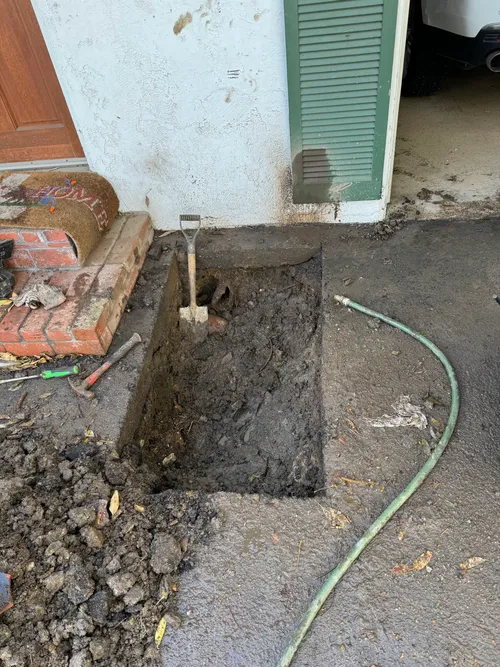
2. Trenching and Excavation For underground lines, a trench must be dug. Local codes specify minimum depth requirements-often at least 18 inches for steel pipe-to protect the line from surface damage. The trench must be clear of sharp rocks, and proper backfill material (like sand) is used to cushion the pipe.
3. Pipe Material and Installation Only approved materials can be used. The two most common are:
- Black Iron (Steel) Pipe: The traditional, durable choice for both indoor and outdoor runs.
- CSST (Corrugated Stainless Steel Tubing): A flexible, easier-to-install tubing often used for running lines through walls and attics.
Pipes must be properly supported, enter and exit the ground correctly, and all connections must be sealed with approved thread compound or fittings3. The line must include a readily accessible shut-off valve.
4. Pressure Testing and Inspection Once installed, the entire new section of piping is pressurized with air (not gas) and monitored for any drop in pressure, which would indicate a leak. This test is usually witnessed by the city inspector for final approval before the utility company reconnects the gas meter.
Why Professional Installation is Non-Negotiable
Gas line work is one of the most critical systems in your home where cutting corners can have catastrophic consequences. Hiring a licensed professional is an investment in safety.
- Code Compliance: Licensed plumbers are trained in the latest California and Fountain Valley codes. They know the required distances from electrical lines, proper venting for appliances, and correct sizing for pipe diameter based on BTU load.
- Safety Assurance: Professionals have the tools and expertise to perform flawless pressure tests, ensure proper grounding of CSST (to prevent lightning strike damage), and verify appliance connections are secure4.
- Liability and Insurance: A professional installation comes with insurance and warranties. If an issue arises, they are liable. DIY mistakes that lead to a leak or fire can void your homeowner's insurance and leave you financially responsible.
Find the perfect gas line plumbing companies for your needs
Get personalized recommendations and expert advice
Key Safety Codes and Material Standards
Adhering to code isn't just about passing inspection; it's about preventing hazards. Key standards for Fountain Valley gas line projects include:
- Pipe Sizing: Codes dictate the minimum pipe diameter (e.g., ¾-inch, 1-inch) based on the length of the run and the total BTU demand of all appliances on the line. Undersized piping can cause appliance malfunction and safety issues.
- CSST Bonding: Modern CSST must be bonded to your home's electrical grounding system to dissipate energy from a lightning strike, preventing it from arcing through the tubing and causing a leak or fire5.
- Trench Safety: Beyond depth, codes cover proper sloping for trenches in certain soils to prevent collapse, protecting workers during installation6.
- Appliance Clearances: The gas line termination and the appliance itself must maintain specific clearances from combustible materials, which your contractor will ensure.
Using unapproved materials or ignoring these standards significantly increases the risk of gas leaks, fires, or explosions7.
Cost Considerations for Your Project
The cost of gas line installation or repair in Fountain Valley varies widely based on several factors. It's important to view this not just as a purchase, but as an investment in long-term safety and property value.
Primary Cost Drivers:
- Project Scope & Distance: A simple line for a grill next to the meter costs far less than running a line 50 feet to a backyard fire pit or a new pool heater.
- Complexity: Running pipe through finished walls, under concrete slabs, or in cramped crawl spaces increases labor time.
- Materials: Black iron pipe and CSST have different price points. The cost of fittings, valves, and protective coatings also adds up.
- Permits and Inspections: The City of Fountain Valley charges fees for permit applications and inspections, which are a standard part of the project cost8 9.
- Labor: This is the most significant portion, reflecting the skill, insurance, and licensing of the professional.
For the most accurate budgeting, obtain detailed, written estimates from multiple licensed Fountain Valley plumbing contractors. These quotes should itemize labor, materials, and permit fees10. While online cost estimators can provide a very rough ballpark, they cannot account for your property's specific challenges or local permit costs.
Choosing a Qualified Fountain Valley Contractor
Selecting the right professional is paramount. Look for a contractor who:
- Holds an active C-36 Plumbing Contractor license from the California Contractors State License Board.
- Is familiar with Fountain Valley's specific permit process and has a history of pulling permits locally.
- Provides detailed, written estimates and is willing to explain the scope of work.
- Carries both liability insurance and workers' compensation.
- Can provide local references for similar gas piping projects.
A reputable professional will handle the entire process, from plan drawing and permit acquisition to the final inspection, giving you peace of mind that your new gas line is installed safely and to code.
Frequently asked questions
Sources
Footnotes
-
Do You Need a Permit for Gas Line Work in California? Know the Laws - https://magnificentplumbing.com/do-you-need-permit-for-gas-line-work-california/ ↩ ↩2
-
Frequently Asked Questions - CivicPlus.CMS.FAQ - https://www.rpvca.gov/faq.aspx?TID=40 ↩
-
1346.5404 SECTION 404 (IFGC) PIPING SYSTEM INSTALLATION ... - https://www.revisor.mn.gov/rules/pdf/1346.5404/2015-01-28%2011:31:12+00:00 ↩
-
Natural Gas Line Installation: Safety Tips and Permits in ... - https://www.aloha-plumbinghvac.com/natural-gas-line-installation/ ↩
-
Essential Guide to Gas Line Installation: Tips and Safety ... - https://gaeberly.com/gas-line-installation/ ↩
-
Trench and Ducting Guide - National Gas - https://www.nationalgas.com/sites/default/files/documents/24763-General,%20Pre-excavation%20and%20Ducting%20Guide.pdf ↩
-
Gas Line Trenching Los Angeles Commercial Excavation - https://www.lautilitytrenching.com/gas-line-trenching-los-angeles ↩
-
Building Permits | The City of Fountain Valley - https://www.fountainvalley.gov/397/Building-Permits ↩
-
Best Gas Line Services near Fountain Valley, CA - Yelp - https://m.yelp.com/search?find_desc=Gas+Line+Services&find_loc=Fountain+Valley%2C+CA ↩
-
New Gas Line Installation Cost: Natural Gas Piping Supplies & ... - https://www.superbrothers.com/new-gas-line-installation-cost-natural-gas-piping-supplies-custom-piping/ ↩