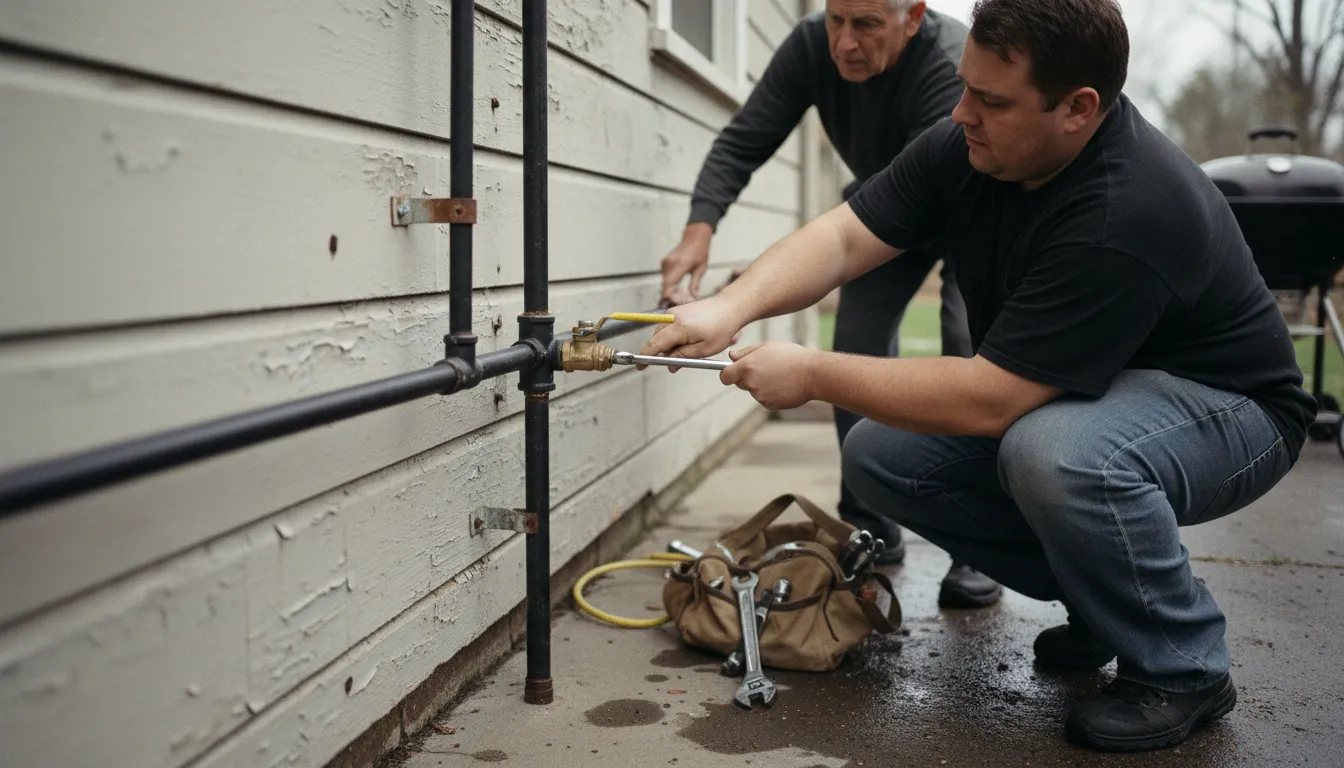
Find the Best Gas Line Plumbing Companies for Your Business
No obligation • Fast responses • Nationwide coverage

Why you can trust Search a Plumber
Search a Plumber is a leading United States resource for finding and evaluating professional plumbing services. Our team researches licensing, experience, and customer feedback to create unbiased, fact-driven overviews. Companies cannot pay to change ratings or placement, ensuring homeowners get trustworthy information.
Search providers near you
Top Gas Line Plumbing Companies in Encinitas, California Ranked
Installing or repairing a gas line is a critical home improvement project that directly impacts the safety and functionality of your property. Whether you're adding a gas fireplace, upgrading an outdoor kitchen, or addressing a leak, proper gas piping work requires strict adherence to local codes and safety protocols. This guide explains the key steps, regulations, and considerations for gas line projects in Encinitas, helping you understand the process and connect with qualified local professionals for your needs.
All American Plumbing Inc.
14260 Garden Rd unit A601, Poway, CA 92064
All American Plumbing Inc. provides a wide range of plumbing services in San Diego, CA. Their offerings include sewer camera inspections, water heater repair and installation, drain cleaning, leak detection, gas line installation, and garbage disposal repair. The company is equipped to handle emergency plumbing situations with 24-hour availability. They emphasize employing highly trained and safety-certified plumbers to deliver reliable service. All American Plumbing is recognized locally for quality work and is considered a leading trade employer in the area.
Courtesy Plumbing Inc.
7950 Silverton Ave UNIT 113, San Diego, CA 92126
Courtesy Plumbing Inc. provides a wide range of plumbing services for residential and commercial clients in San Diego, CA. Their offerings include water heater installation and repair, tankless water heater services, gas leak repair, repiping, garbage disposal installation, drain cleaning, and leak detection. The company operates a fully equipped fleet and employs licensed, bonded, and insured technicians. With many years of experience, Courtesy Plumbing Inc. is committed to delivering work that meets industry standards.
Remedy Rooter
208 Greenfield Dr suite k, El Cajon, CA 92020
Remedy Rooter is a veteran-owned plumbing company serving San Diego, CA, with over 21 years of experience. They provide both commercial and residential plumbing services including water heater installation, drain cleaning, sewer line repair, leak detection, and gas line installation. Remedy Rooter is equipped with hydro jetting technology to effectively clear drains and remove clogs without harsh chemicals. Their team offers 24/7 emergency service, ensuring prompt assistance for urgent plumbing issues in the San Diego County area.
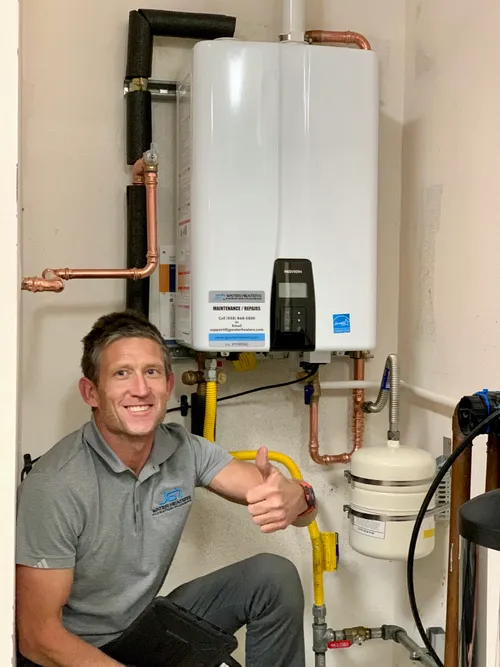
JG Water Heaters, Filtration and Plumbing
7933 Silverton Ave Suite# 712, San Diego, CA 92126
JG Water Heaters, Filtration and Plumbing is a plumbing company based in San Diego, CA, specializing in water heater repair, installation, and leak detection. They provide services for traditional and tankless water heaters, as well as gas line installation and water filtration. The team is capable of installing per-code gas lines and replacing water pressure regulators, ensuring safe and efficient water heating systems. Customers appreciate their thorough approach and quality workmanship.
HomePro Plumbing and Drains
8910 Activity Rd Suite C, San Diego, CA 92126
HomePro Plumbing and Drains is a licensed and insured plumbing company serving San Diego, CA. They provide a wide range of plumbing services including sewer camera inspection, water heater repair and installation, drain cleaning, hydro jetting, trenchless sewer repair, leak detection, repiping, and gas line installation. The company uses advanced tools and technologies such as Viega Propress and smart water shutoff systems to deliver efficient solutions. With decades of industry experience, HomePro Plumbing and Drains offers 24/7 emergency support to both residential and commercial clients in the area.
Understanding Gas Line Work in Encinitas
Gas line installation and repair, often referred to as gas piping or gas fitting, involves running pipes to safely deliver natural gas or propane to appliances like stoves, water heaters, dryers, and fire pits. In Encinitas, this work is governed by strict state and local building codes, primarily the California Plumbing Code and NFPA 54. These regulations exist to prevent gas leaks, fires, and explosions, making it imperative that any work is performed correctly. For homeowners, this means that even a seemingly simple project, like extending a line for a new barbecue, involves careful planning, proper materials, and often, city oversight.
The coastal environment of Encinitas also presents unique considerations. Soil conditions and seismic activity mean installation methods and materials must be chosen for durability and safety. Using a licensed professional who is familiar with Encinitas's specific permit process and inspection requirements is not just a recommendation-it's a fundamental requirement for a safe and lasting installation.
The Encinitas Permit Process: What You Need to Know
Before any trench is dug or pipe is fitted, understanding the local permit requirements is your first step. The City of Encinitas requires permits for most gas line projects, particularly new installations or significant modifications.
When is a Permit Required? A permit is typically required for:
- Running a new gas line from the meter to a new appliance.
- Extending an existing line to add an appliance (e.g., for an outdoor fire pit or kitchen).
- Replacing a large section of existing piping.
- Relocating a gas meter or appliance.
Minor repairs, such as fixing a small leak at a valve, may not require a permit if performed by a licensed plumber, but it is always best to verify with the city's Development Services Department first.
How to Obtain a Permit Encinitas uses a paperless online system called the CSS portal for permit applications 1. The general process involves:
- Application: Your licensed contractor will usually handle this, submitting plans and details of the proposed work through the CSS portal.
- Plan Review: City reviewers check the application for compliance with all applicable codes.
- Issuance: Once approved, the permit is issued.
- Inspections: Mandatory inspections are scheduled at critical stages of the project (e.g., after the trench is dug but before the pipe is covered). The work cannot be finalized until it passes these inspections 2.
Skipping the permit process can lead to failed inspections if you sell your home, voided insurance claims, and most importantly, can leave dangerous, substandard work undiscovered.
Step-by-Step: A Typical Gas Line Installation
A professional gas line installation follows a meticulous sequence to ensure safety and code compliance. Here's what you can expect when you hire a qualified technician for your Encinitas home.
1. Planning and Calling 811 The single most important safety step before any digging occurs is to call 811. This free service notifies all underground utility providers, who will come to your property to mark the locations of their lines (gas, water, electric, cable) with paint and flags 3. In California, you are legally required to make this call at least two working days before you dig. Striking an unmarked gas line is extremely dangerous and can result in massive fines and repair costs.
2. Trenching and Depth Requirements For underground lines, a trench must be dug from the source to the appliance location. In San Diego County, including Encinitas, the minimum burial depth for steel gas pipe is 18 inches4. The trench must be wide enough to allow for proper pipe installation and bedding.
3. Pipe Installation and Materials Only approved materials can be used. The two most common are:
- Black Iron Pipe: Traditional, rigid steel pipe known for its durability. It requires threaded connections.
- CSST (Corrugated Stainless Steel Tubing): A flexible, yellow-coated tubing that is often easier to install in tight spaces. It must be properly bonded to prevent electrical arcing 5. The choice of material depends on the application, local code, and the professional's assessment.
4. Pressure Testing This is a critical safety check. Before the trench is backfilled, the new gas line is sealed and pressurized with air (a common test is 10 psi on a 30 psi gauge). The pressure is monitored for at least 15 minutes. If the gauge needle does not drop, it confirms there are no leaks in the system 6. This test is usually witnessed by a city inspector.
5. Final Inspection and Backfill Once the pressure test passes inspection, the trench can be carefully backfilled. The system is then connected to the gas source and appliances, and the professional will perform a final operational check.
Find the perfect gas line plumbing companies for your needs
Get personalized recommendations and expert advice
Critical Safety Practices for Gas Piping
Beyond the basic steps, several best practices are non-negotiable for safe gas line work.
- Never Skip the 811 Call: This cannot be overstated. It protects you, your property, and the entire neighborhood.
- Insist on a Licensed Professional: Gas fitting is not a DIY project. A licensed, bonded, and insured plumber or gas fitter has the training to follow NFPA 54 and local codes, which drastically reduces the risk of future leaks or hazards.
- Use Only Approved Materials and Fittings: Substandard or incorrect fittings are a primary cause of leaks. A professional will use materials listed for gas service.
- Demand a Pressure Test: A visual inspection is not enough. A formal pressure test is the only way to verify the integrity of the entire system before gas is introduced7.
- Consider Seismic Safety: In California, using flexible appliance connectors can help absorb movement during an earthquake, preventing pipe breaks.
Cost Considerations for Gas Line Projects
The cost for gas line installation or repair in Encinitas varies significantly based on the project's scope and complexity8.
What Influences the Price?
- Project Scope: A short run to a nearby appliance costs far less than a long line to a backyard patio.
- Trenching Difficulty: Digging through rocky soil, under driveways, or around complex landscaping increases labor costs.
- Materials: The type and length of pipe needed will affect material costs.
- Permit Fees: The City of Encinitas charges fees for plan review and inspections, which are part of the project cost.
- Appliance Hookups: Connecting and testing the final appliance is part of the service.
While you might find a wide range of estimates, it's crucial to view this as a long-term investment. Properly permitted and installed by a licensed professional, a gas line can last for decades without issue. Cutting corners to save money upfront can lead to dangerous leaks, carbon monoxide risks, and far more expensive emergency repairs down the line9. Always get detailed, written estimates from multiple licensed contractors that clearly break down labor, materials, and permit costs.
Maintaining Your Gas System
After a new installation or repair, ongoing vigilance is key. Be aware of the smell of rotten eggs (the odorant added to natural gas). Listen for hissing sounds near gas lines. If you suspect a leak, leave the area immediately and call 911 or your gas company from a safe distance. Schedule regular inspections of gas appliances and their connections by a qualified technician to ensure everything remains in safe working order.
Frequently asked questions
Sources
Footnotes
-
Applications and Information - City of Encinitas - https://www.encinitasca.gov/services/applications-information ↩
-
Building Permits and Inspections | City of Encinitas - https://www.encinitasca.gov/government/departments/development-services/land-development-building/building ↩
-
811 & Safety Tips for Contractors & Excavators - Socalgas - https://www.socalgas.com/safety/safety-and-prevention/digging-and-yard-safety/contractors ↩
-
BURIAL DEPTHS GAS PIPE SEWER PIPE - County of San Diego - https://www.sandiegocounty.gov/content/dam/sdc/pds/docs/pds438AB.pdf ↩
-
Gas Line Installation & Replacement in San Diego, CA - https://almcoplumbing.com/gas-line-services/ ↩
-
Do You Need a Permit for Gas Line Work in California? - https://magnificentplumbing.com/do-you-need-permit-for-gas-line-work-california/ ↩
-
Frequently Asked Questions - CivicPlus.CMS.FAQ - https://www.rpvca.gov/faq.aspx?TID=40 ↩
-
Natural Gas Line Installation: Safety Tips and Permits in ... - https://www.aloha-plumbinghvac.com/natural-gas-line-installation/ ↩
-
Gas Line Installation and Repair Service - https://dbhplumbingservice.com/plumbing-services/gas-line-installation-and-repair-service/ ↩