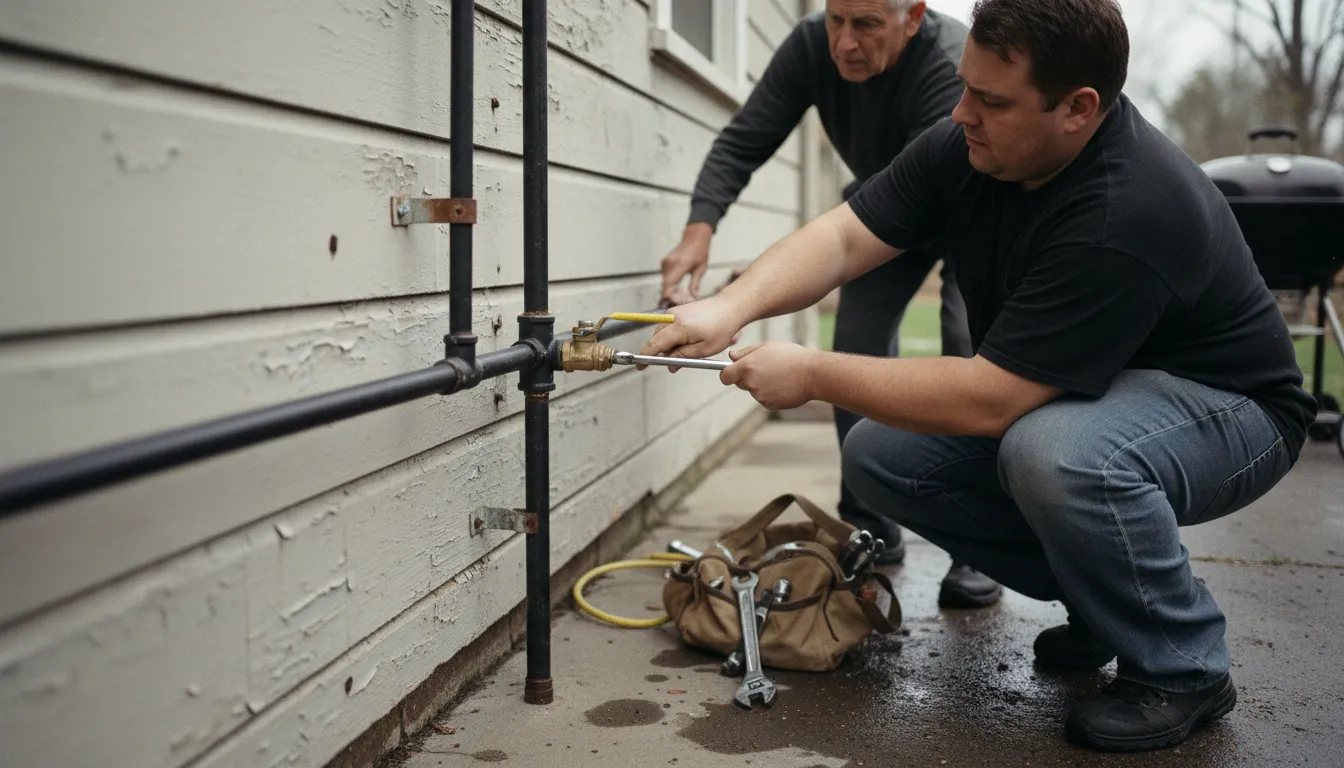
Find the Best Gas Line Plumbing Companies for Your Business
No obligation • Fast responses • Nationwide coverage

Why you can trust Search a Plumber
Search a Plumber is a leading United States resource for finding and evaluating professional plumbing services. Our team researches licensing, experience, and customer feedback to create unbiased, fact-driven overviews. Companies cannot pay to change ratings or placement, ensuring homeowners get trustworthy information.
Search providers near you
Top Gas Line Plumbing Companies in Corona, California Ranked
Connecting your home or business to natural gas or ensuring your existing gas piping is safe and up to code is a critical project. Proper gas line installation and repair is essential for safely powering appliances like water heaters, stoves, furnaces, and fireplaces. This work involves strict adherence to local building codes, obtaining permits, and using specialized materials and techniques to prevent dangerous leaks. For Corona residents and business owners, navigating these requirements can be complex. The information here is designed to help you understand the process, safety protocols, and key considerations for finding qualified local professionals to handle your gas piping needs.
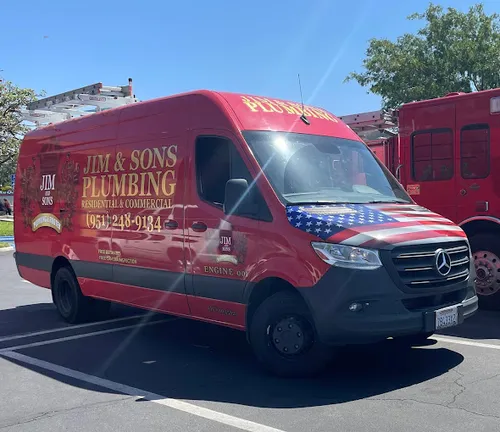
Jim & Sons Plumbing & Rooter
9345 Narnia Dr, Riverside, CA 92503
Jim & Sons Plumbing & Rooter is a family-owned plumbing company serving Riverside, CA, and the surrounding Inland Empire region. Since 1983, they have provided residential and commercial plumbing services including water heater repair and installation, drain cleaning, sewer line repair, leak detection, repiping, gas line installation, and garbage disposal repair. They specialize in trenchless sewer repair techniques such as pipe bursting and cured-in-place lining, which allow sewer line renewal without excavation, preserving landscaping and minimizing environmental impact. The company offers same-day service and is fully licensed and insured.
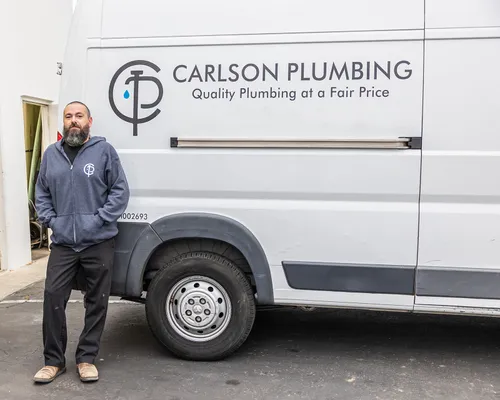
Carlson Plumbing Pros
17150 Newhope St Suite 301-302, Fountain Valley, CA 92708
Carlson Plumbing Pros is a licensed plumbing company serving Santa Ana, CA, and the broader Orange County area. They offer a wide range of plumbing services including water heater repair, water softener installation, drain cleaning, sewer line repair, leak detection, repiping, and gas line installation. With over 20 years of experience, they provide skilled plumbing solutions and are equipped to handle emergencies with 24/7 availability.
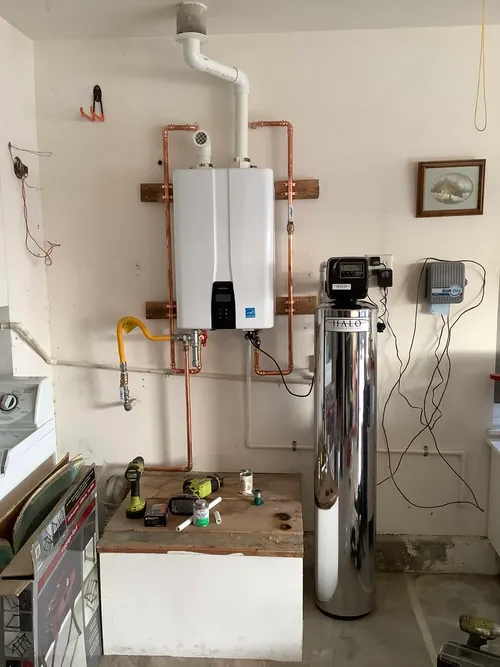
SoCal Plumbing & Rooter Inc.
420 W Lambert Rd suite f, Brea, CA 92821
SoCal Plumbing & Rooter Inc. is a full-service plumbing company serving Anaheim, CA, and the surrounding Orange County area. They provide a wide range of plumbing services including sewer camera inspections, water heater repair and installation, drain cleaning, hydro jetting, leak detection, repiping, gas line installation, and sewer line repair with trenchless methods. The company offers 24/7 emergency plumbing services to address urgent issues such as burst pipes, overflowing toilets, and sewer backups. Their expertise includes advanced leak detection and hydro jetting to clear stubborn clogs and maintain plumbing system efficiency. SoCal Plumbing & Rooter Inc. is fully licensed and insured, committed to meeting industry standards and local codes.
DeVinney Plumbing, Inc.
7501 Slater Ave L, Huntington Beach, CA 92647
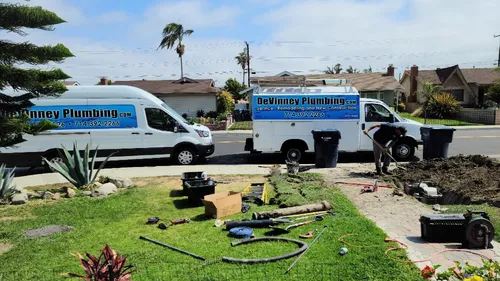
DeVinney Plumbing, Inc. is a family-owned plumbing company serving Santa Ana, CA, and the surrounding Orange County area. With 40 years of experience, they provide a wide range of residential and commercial plumbing services including water heater installation and repair, tankless water heaters, water softener installation, drain cleaning, sewer line repair, leak detection, and gas line installation. They specialize in challenging issues like underground water leaks, gas leaks, and slab leaks. Their advanced electronic leak detection helps locate hidden leaks efficiently, minimizing damage and repair costs.
Dependable Plumber Inc
22980 Brompton St, Moreno Valley, CA 92553
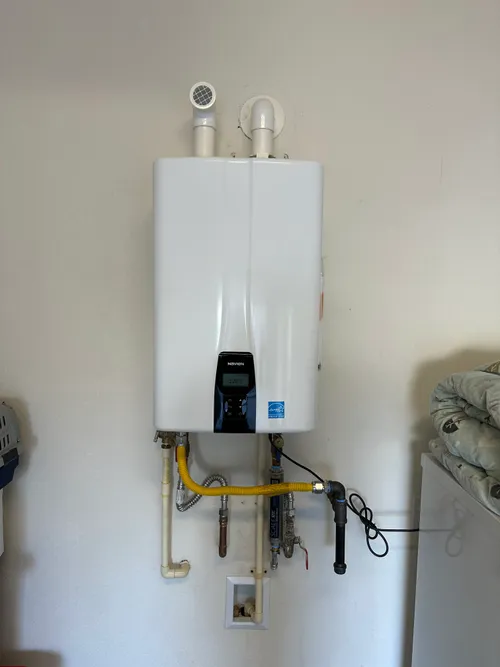
Dependable Plumber Inc provides a wide range of plumbing services in Riverside, CA, including water heater repair and installation, water softener installation, sump pump and sewer line repair, drain cleaning, leak detection, gas line installation, and garbage disposal repair. They serve both residential and commercial clients throughout Riverside and San Bernardino County. The company offers 24/7 emergency plumbing services to address urgent issues such as burst pipes and major clogs. Dependable Plumber Inc is known for transparent pricing and a commitment to completing jobs correctly the first time.
Understanding Gas Line Services
Gas line work encompasses a broad range of services, all centered on the safe conveyance of natural gas or propane from the main utility line to your appliances. This includes new gas line installation for outdoor kitchens, pool heaters, or fire pits, gas line repair for suspected leaks or corrosion, and gas line replacement for older, potentially unsafe piping systems. It also covers extending existing lines for home additions or appliance upgrades. Given the inherent dangers of combustible gas, this is not an area for DIY experimentation. Professional gas fitters have the training to handle high-pressure systems, perform critical leak tests, and ensure every connection meets the rigorous standards set by the state of California and the City of Corona.
The Critical Role of Permits and Inspections
Before any trench is dug or pipe is threaded, the proper permits must be secured from the local building department. This is not a bureaucratic formality but a vital layer of safety. The permit process ensures your project plan is reviewed for compliance with all applicable codes.
- Permit Requirement: A permit is mandatory for virtually all gas line installation and repair work in Corona 1. This applies to new installations, replacements, and major modifications.
- Plan Submission: You or your contractor will typically need to submit detailed plans showing the proposed pipe route, materials, and appliance connections as part of the application.
- The Inspection Process: Once work is complete but before the trench is backfilled or walls are closed up, a city inspector must visit the site. The inspector will verify proper materials, secure fittings, and most importantly, witness a pressure test. Only after passing this inspection can the line be covered and the gas utility be authorized to turn on the service.
Skipping permits and inspections is illegal and extremely risky, potentially leaving you with an unsafe system that could fail and jeopardize your property and family.
Step-by-Step: The Professional Installation Process
A professional gas line installation follows a meticulous sequence designed for safety and longevity. Here's what you can expect when you hire a licensed specialist:
- Call 811 "Call Before You Dig": This is the non-negotiable first step. Calling 811 (or submitting an online request) at least two business days before digging prompts utility companies to come and mark the locations of all underground lines-not just gas, but also water, electric, and communications 2. This prevents catastrophic strikes and service interruptions.
- Trench Excavation: The contractor will excavate a trench along the planned route. California code, specifically the California Code of Regulations, mandates minimum burial depths. For example, steel pipe generally requires a minimum cover of 18 inches. The trench path will avoid other utilities and obstacles.
- Pipe Installation: Approved materials are laid in the trench. Common choices include black steel pipe for its durability and Corrugated Stainless Steel Tubing (CSST) for its flexibility, which can be easier to install in certain situations. All fittings are tightened to precise specifications.
- Pressure Testing: This is the cornerstone of safety. The sealed system is pressurized with air (typically to 10 psi) and monitored for a set period (often 15 minutes). Any pressure drop indicates a leak that must be found and repaired before proceeding 3 4.
- Inspection & Backfill: After the pressure test is verified by the inspector, the trench can be safely backfilled. The contractor will often use sand or clean fill to protect the pipe from sharp rocks.
Find the perfect gas line plumbing companies for your needs
Get personalized recommendations and expert advice
Safety Protocols and Code Compliance
Safety is the absolute priority in any gas piping project. Adherence to code isn't just about following rules; it's about implementing proven methods to prevent explosions, fires, and carbon monoxide poisoning.
- Licensed Professionals Are Essential: Always hire a contractor holding a valid C-36 (Plumbing) license from the California Contractors State License Board. This guarantees they have the knowledge of state and local gas codes 5.
- Approved Materials Matter: Codes specify exactly which types of pipe, tubing, and fittings can be used. Using the wrong material, such as piping not rated for gas, can lead to premature failure and leaks.
- Corrosion Protection: Underground steel pipe must be protected from corrosion, often with a protective wrapping or coating, to ensure its long-term integrity 6.
- Accessible Shutoff Valve: Code requires an emergency shutoff valve installed outside the home, clearly marked and easily accessible in case of a leak or emergency 7.
- Never DIY Repairs: If you smell gas (a distinctive "rotten egg" odor) or suspect a leak, evacuate the area immediately and call your gas company and a licensed professional from a safe distance. Do not attempt repairs yourself 8.
Factors Influencing Project Cost
The cost for gas line installation or repair in Corona is not a flat fee; it varies significantly based on several project-specific factors. Understanding these can help you interpret estimates from contractors.
- Length and Path of the Run: This is the primary cost driver. A longer linear foot of trenching and piping requires more materials and labor. Obstacles like driveways, patios, or large tree roots that require specialized drilling or digging will add to the cost.
- Materials: The type of pipe specified (black steel, CSST, or polyethylene for certain applications) affects material costs. The number of fittings, shutoff valves, and the meter set also contribute.
- Labor and Complexity: Straightforward, accessible runs cost less than complex jobs requiring tunneling under structures or working in tight crawl spaces. The expertise required for proper pressure testing and final connection also factors into labor pricing.
- Permit Fees: These are separate from contractor costs and are paid directly to the city or county. They can range from a hundred to several hundred dollars depending on the project's scope.
While every project is unique, a common industry ballpark for basic underground gas line installation can range from $15 to $25 per linear foot, plus the cost of permits, the meter set by the utility, and any restoration work like sod replacement or concrete repair 9 10.
Choosing the Right Professional in Corona
Selecting the right contractor is your most important decision. Look for a locally licensed plumber or gas fitter with specific, proven experience in gas line projects. They should be familiar with the Riverside County and City of Corona permit process. Always verify their license status online, ask for references from similar projects, and ensure they provide detailed, written estimates that include costs for permits, materials, labor, and restoration. A reputable professional will gladly discuss the code requirements, the necessity of the 811 call, and their pressure testing procedure, demonstrating their commitment to safety and compliance.
Frequently asked questions
Sources
Footnotes
-
Do You Need a Permit for Gas Line Work in California? - https://magnificentplumbing.com/do-you-need-permit-for-gas-line-work-california/ ↩
-
811 & Safety Tips for Contractors & Excavators - Socalgas - https://www.socalgas.com/safety/safety-and-prevention/digging-and-yard-safety/contractors ↩
-
Gas Piping Information - https://cdnsm5-hosted.civiclive.com/UserFiles/Servers/Server_7964838/File/Government/Departments/Development%20Services/Building/Applications,%20Forms%20&%20Handouts/Handouts/Gas%20Piping%20Information%20Sheet.pdf ↩
-
Frequently Asked Questions - CivicPlus.CMS.FAQ - https://www.rpvca.gov/faq.aspx?TID=40 ↩
-
RIVERSIDE COUNTY DEPARTMENT OF BUILDING AND ... - https://building.rctlma.org/sites/g/files/aldnop406/files/2025-01/284-017-Booklet-MH-Installation-Guide-1-2025.pdf ↩
-
California Code of Regulations, Title 8, Section 536. Piping Standards. - https://www.dir.ca.gov/title8/536.html ↩
-
Essential Guide to Gas Line Installation: Tips and Safety Precautions - https://gaeberly.com/gas-line-installation/ ↩
-
Gas Line Installation: What You Need to Know - https://www.pasoroblesheating.com/gas-line-installation-what-you-need-to-know-before-starting-your-project/ ↩
-
Natural Gas Line Installation: Safety Tips and Permits in ... - https://www.aloha-plumbinghvac.com/natural-gas-line-installation/ ↩
-
How to Install Natural Gas Lines Safely and Correctly - https://bluegasexpress.com/how-to-install-natural-gas-lines/ ↩