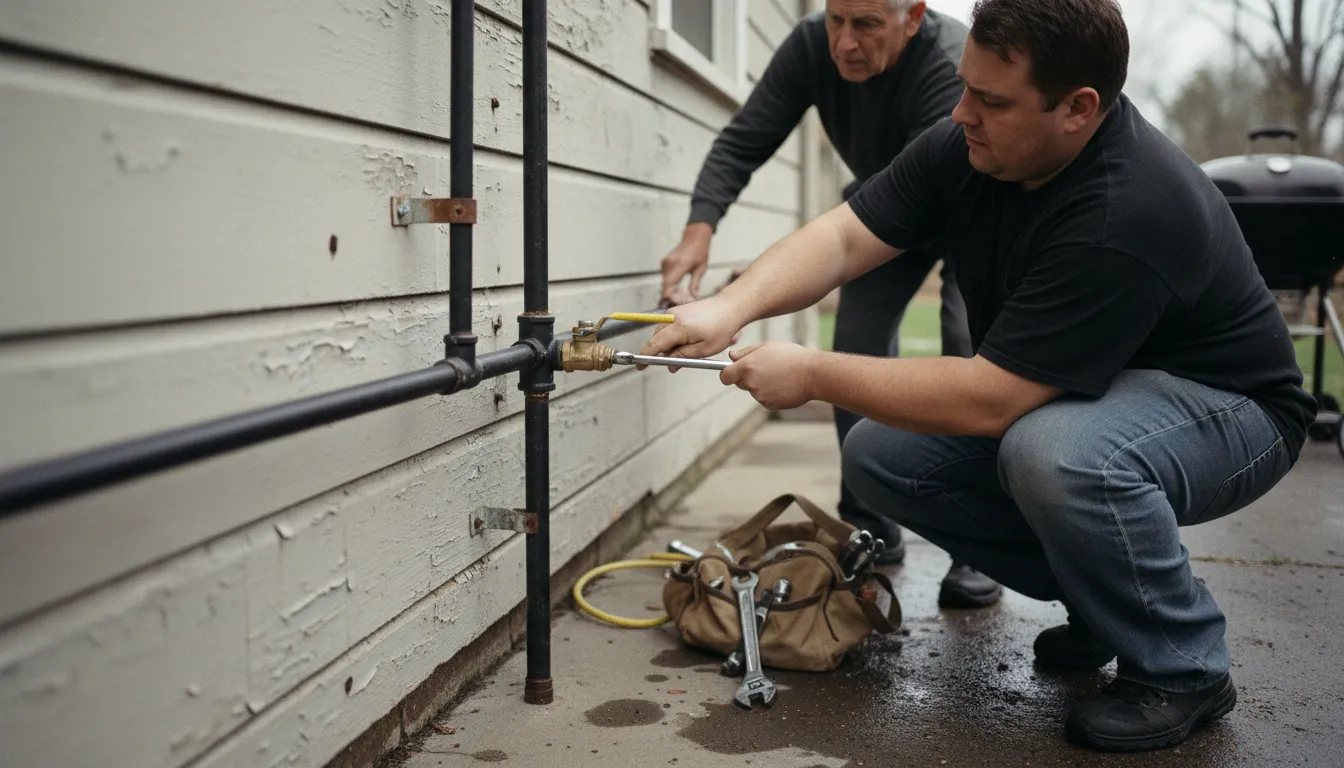
Find the Best Gas Line Plumbing Companies for Your Business
No obligation • Fast responses • Nationwide coverage

Why you can trust Search a Plumber
Search a Plumber is a leading United States resource for finding and evaluating professional plumbing services. Our team researches licensing, experience, and customer feedback to create unbiased, fact-driven overviews. Companies cannot pay to change ratings or placement, ensuring homeowners get trustworthy information.
Search providers near you
Top Gas Line Plumbing Companies in Clovis, California Ranked
Connecting your home or business to a natural gas supply or repairing an existing gas line is a critical project that demands precision and safety. Proper gas line work ensures your appliances-from stoves to water heaters-operate reliably and safely. This guide provides essential information for Clovis residents and business owners navigating the process of installing or repairing gas piping, including key steps, local requirements, and how to find qualified professionals for the job.
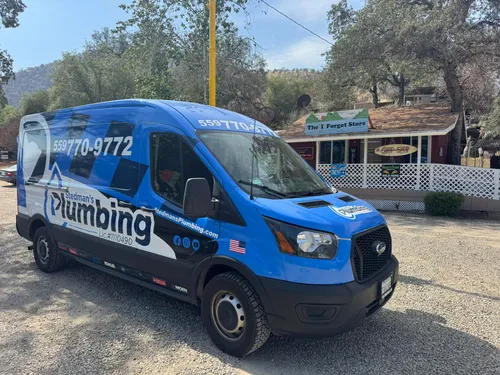
Stedman's Plumbing
7940 N Maple Ave Suite 102, Fresno, CA 93720
Stedman's Plumbing is a family-owned plumbing company serving Fresno, CA, and surrounding areas. Established in 2023 with plumbing roots dating back to 1991, they offer a range of services including sewer camera inspections, drain cleaning, leak detection, repiping, and gas line installation. The team is trained and insured to handle various property types and plumbing challenges common in the Central Valley. They provide same-day visits for urgent needs and back their work with a warranty on repairs.
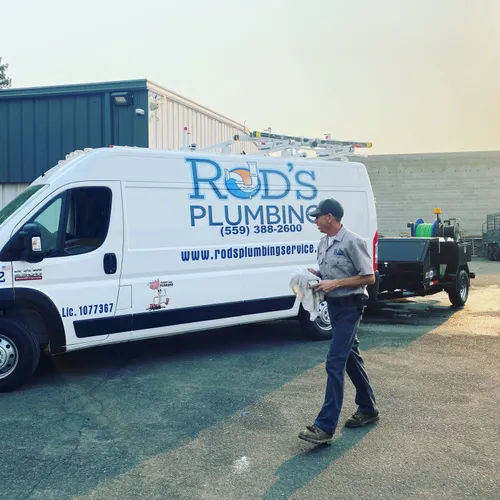
Rod's Plumbing Service
3327 W Sussex Way, Fresno, CA 93722
Rod's Plumbing Service is a plumbing company based in Fresno, CA, offering a wide range of services including drain cleaning, water heater repair, sewer camera inspections, and gas line installation. They provide 24/7 emergency plumbing services and same-day service to address urgent plumbing needs. Their capabilities include HD video camera inspections for accurate pipe diagnostics. Rod's Plumbing Service is available around the clock to assist homeowners with various plumbing issues.

Clovis Plumbing Services
Fresno, CA
Clovis Plumbing Services provides a range of residential plumbing solutions in Fresno, CA, including water heater repair and installation, tankless water heater services, gas line installation, leak detection, and repiping. They specialize in modern plumbing upgrades such as high-efficiency tankless water heaters and comprehensive gas line work, ensuring safety and code compliance. The company emphasizes proper installation techniques, including seismic strapping and pressure relief for water heaters, and offers maintenance advice tailored to local water conditions. Clovis Plumbing Services serves the Fresno area and nearby communities including Clovis and Sanger, focusing on durable repairs and installations that meet California building standards.
Nelson Plumbing
Fresno, CA
Nelson Plumbing is a licensed and insured plumbing company serving Fresno, CA, with over 25 years of experience. They offer a range of services including water heater repair and installation, water softener installation, drain cleaning, hydro jetting, gas line installation, and toilet repair. Known for using high-quality materials, Nelson Plumbing handles both residential and commercial plumbing projects with a focus on lasting solutions. Their team is skilled in hydro jetting to effectively clear stubborn clogs and maintain plumbing performance.
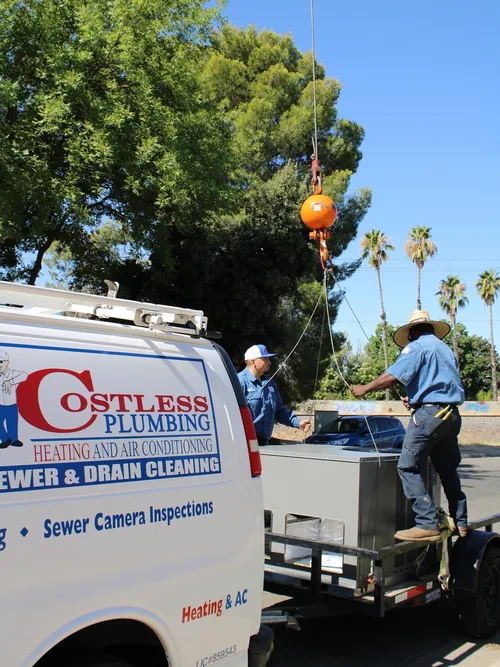
Costless Plumbing Heating & Air Conditioning
1143 N Cypress Ave, Fresno, CA 93727
Costless Plumbing Heating & Air Conditioning provides plumbing, heating, and air conditioning services in Fresno, CA. They offer a range of plumbing solutions including sewer camera inspections, hydro jetting, trenchless sewer repair, leak detection, gas line installation, and repairs for toilets and garbage disposals. The company also handles heating and air conditioning system tune-ups, repairs, and installations, serving residential and commercial customers. One notable capability is their trenchless sewer line repair, which minimizes disruption during sewer maintenance. While the business history is not specified, they emphasize affordable pricing and customer satisfaction.
Understanding Gas Line Work in Clovis
Gas line installation and repair involves running pipes from the main utility meter or a propane tank to the various appliances in your property. In Clovis, this work is strictly regulated to prevent hazards like gas leaks, fires, or explosions. Whether you're adding a gas fireplace, relocating a stove, or fixing a leak, the process requires careful planning, adherence to building codes, and professional execution. The terms "gas piping," "fuel gas line," and "gas supply line" all refer to this essential infrastructure.
The City of Clovis, along with the state of California, has specific codes-often based on the California Plumbing Code and International Fuel Gas Code-that govern every aspect of this work. From the type of pipe used to the depth it's buried, these rules are designed for your safety. Attempting a DIY gas line project is strongly discouraged and often illegal for anything beyond minor appliance hookups to an existing, permitted line. The risks of improper installation are simply too high.
The Permit Process: Your First Step
Before any trench is dug or pipe is cut, you must secure the proper permits. This is not a suggestion; it's a legal requirement for nearly all gas line work in Clovis.
Where to Apply: For most natural gas line projects, you'll need a plumbing permit from the City of Clovis Building Division. If your project involves the permanent installation of a liquefied petroleum gas (LPG or propane) tank, you may also need approval from the Clovis Fire Department 1.
What You'll Need: When applying, be prepared to submit detailed site plans. These should show the proposed route of the new gas piping, including all dimensions, locations of appliances, and the point of connection. The city reviews these plans to ensure compliance with all spacing, sizing, and safety regulations.
Key Takeaway: Your licensed contractor will typically handle this process, but it's crucial to confirm that a permit has been pulled before work begins. Unpermitted work can result in hefty fines, failed inspections, and complications when you sell your property.
Key Steps in a Gas Line Project
A successful gas line installation or major repair follows a structured sequence. Here's an overview of what to expect:
- Utility Location (Call 811): This is a free and mandatory step. At least a few business days before any excavation, you or your contractor must call 811. This national "Call Before You Dig" service will dispatch locators to mark the approximate positions of all underground public utilities-like water, sewer, and electrical lines-on your property. This prevents dangerous and costly strikes 2.
- Trenching and Excavation: For underground lines, a trench must be dug to the code-specified depth. For example, steel pipe typically requires a minimum cover of 18 inches. The trench must be properly sloped or shored for worker safety, especially if it exceeds certain depths.
- Pipe Installation: Only code-approved materials can be used. Common types include:
- Black Steel Pipe: Traditional, durable, and commonly used for exposed or underground lines.
- CSST (Corrugated Stainless Steel Tubing): Flexible, yellow-coated tubing that is often easier and faster to install through walls and attics.
- Copper Tubing: Used in certain applications, but must be approved for gas.
- Pressure Testing: This is a critical safety check. Once the new line is installed but before it's connected to appliances, the contractor will perform a pressure test. A common requirement is to pressurize the system to 10 psi on a 30 psi gauge and hold it for a minimum of 15 minutes with no drop in pressure 3. This confirms the entire system is leak-free.
- City Inspection: After the pressure test is successfully completed, a city inspector must be scheduled to verify the installation meets all code requirements. The work cannot be covered or connected until it passes this inspection.
- Backfill and Restoration: Once approved, the trench can be carefully backfilled, often with sand or clean soil to protect the pipe, and compacted. The site is then restored4.
Safety Considerations Are Paramount
Gas line work involves inherent risks that underscore the need for professional expertise.
- Explosion and Asphyxiation Risk: A small leak can allow gas to accumulate, creating a risk of explosion or displacing oxygen in a confined space5 6.
- Carbon Monoxide: Improper appliance venting connected to a new gas line can lead to carbon monoxide poisoning.
- Material Compatibility: Using the wrong pipe, fittings, or sealant can lead to premature failure and leaks. Only materials listed for fuel gas use are acceptable.
- System Integrity: A professional ensures the entire gas system is properly sized. Undersized piping can cause appliance malfunction and safety device failure.
Find the perfect gas line plumbing companies for your needs
Get personalized recommendations and expert advice
Understanding Costs for Gas Line Services
The cost of gas line installation or repair in Clovis can vary widely based on the project's scope and complexity. It's typically broken down into several components:
- Labor: Licensed plumbers or gas fitters typically charge between $50 and $150+ per hour for their skilled labor7.
- Materials: The cost of pipe, fittings, valves, and connectors. CSST can sometimes be more cost-effective for complex runs due to lower installation labor, while traditional steel has different material costs.
- Excavation: This can be a significant variable. Digging a shallow trench for a short run in soft soil costs far less than excavating through rocky ground or under a driveway or sidewalk for a long distance 8.
- Permit Fees: The City of Clovis charges fees for plan review and inspections. Your contractor can provide an estimate for these required costs9.
- Repair vs. New Installation: A simple repair to fix a small leak might range from $500 to $1,500, while a complete new line installation for an outdoor kitchen or fire pit could range from $1,500 to $3,000 or more, depending on the factors above10 11.
Always get detailed, written estimates from multiple licensed contractors. The lowest bid is not always the best if it cuts corners on materials or safety procedures.
Choosing the Right Professional in Clovis
Given the safety and regulatory stakes, selecting your contractor is the most important decision you'll make.
- Verify Licensing: In California, anyone performing gas line work must hold an appropriate state license (such as a C-36 Plumbing license). You can verify a contractor's license status online through the Contractors State License Board (CSLB) website.
- Check for Insurance: Ensure the contractor carries both liability insurance and workers' compensation coverage to protect you and your property.
- Ask About Experience: Specifically ask about their experience with gas line projects in Clovis and their familiarity with the local building department's inspectors and processes.
- Get References: Request and contact references for similar gas line projects. Ask about the contractor's cleanliness, communication, adherence to schedule, and the final inspection outcome.
- Review the Contract: A detailed contract should outline the scope of work, materials to be used, total cost, payment schedule, timeline, and who is responsible for obtaining permits and scheduling inspections.
Frequently asked questions
Sources
Footnotes
-
Clovis Fire Department - https://www.clovisca.gov/documents/Services/Fire/Fire%20Safety%20Prevention/Fire%20Standards/Standard%205.2%20-%20Permanent%20Installation%20of%20LPG%20Tank%20-%202026.pdf?t=202512311213180 ↩
-
Pipeline Maintenance and Your Safety - Socalgas - https://www.socalgas.com/documents/news-room/fact-sheets/KeepingNaturalGasPipelinesSafe.pdf ↩
-
Frequently Asked Questions - CivicPlus.CMS.FAQ - https://www.rpvca.gov/faq.aspx?TID=40 ↩
-
Trench and Ducting Guide - National Gas - https://www.nationalgas.com/sites/default/files/documents/24763-General,%20Pre-excavation%20and%20Ducting%20Guide.pdf ↩
-
Essential Guide to Gas Line Installation: Tips and Safety ... - https://gaeberly.com/gas-line-installation/ ↩
-
Should You Install Gas Lines Yourself? - Leahy's Fuels - https://www.leahys.com/blog/should-you-install-gas-lines/ ↩
-
Natural Gas Line Installation: Safety Tips and Permits in ... - https://www.aloha-plumbinghvac.com/natural-gas-line-installation/ ↩
-
What to Know About Utility Trenching in Northern California: Permits ... - https://www.eurekaearthworks.com/blog/blog-post-title-four-bg4ky-bg9ey ↩
-
Do You Need a Permit for Gas Line Work in California? - https://magnificentplumbing.com/do-you-need-permit-for-gas-line-work-california/ ↩
-
Gas Line Installation Cost: 2023 Guide - Super Brothers - https://www.superbrothers.com/gas-line-installation-cost-2023-guide/ ↩
-
Gas Line Installation and Repair Service - https://dbhplumbingservice.com/plumbing-services/gas-line-installation-and-repair-service/ ↩