Find the Best Gas Line Plumbing Companies for Your Business
No obligation • Fast responses • Nationwide coverage

Why you can trust Search a Plumber
Search a Plumber is a leading United States resource for finding and evaluating professional plumbing services. Our team researches licensing, experience, and customer feedback to create unbiased, fact-driven overviews. Companies cannot pay to change ratings or placement, ensuring homeowners get trustworthy information.
Search providers near you
Top Gas Line Plumbing Companies in Citrus Heights, California Ranked
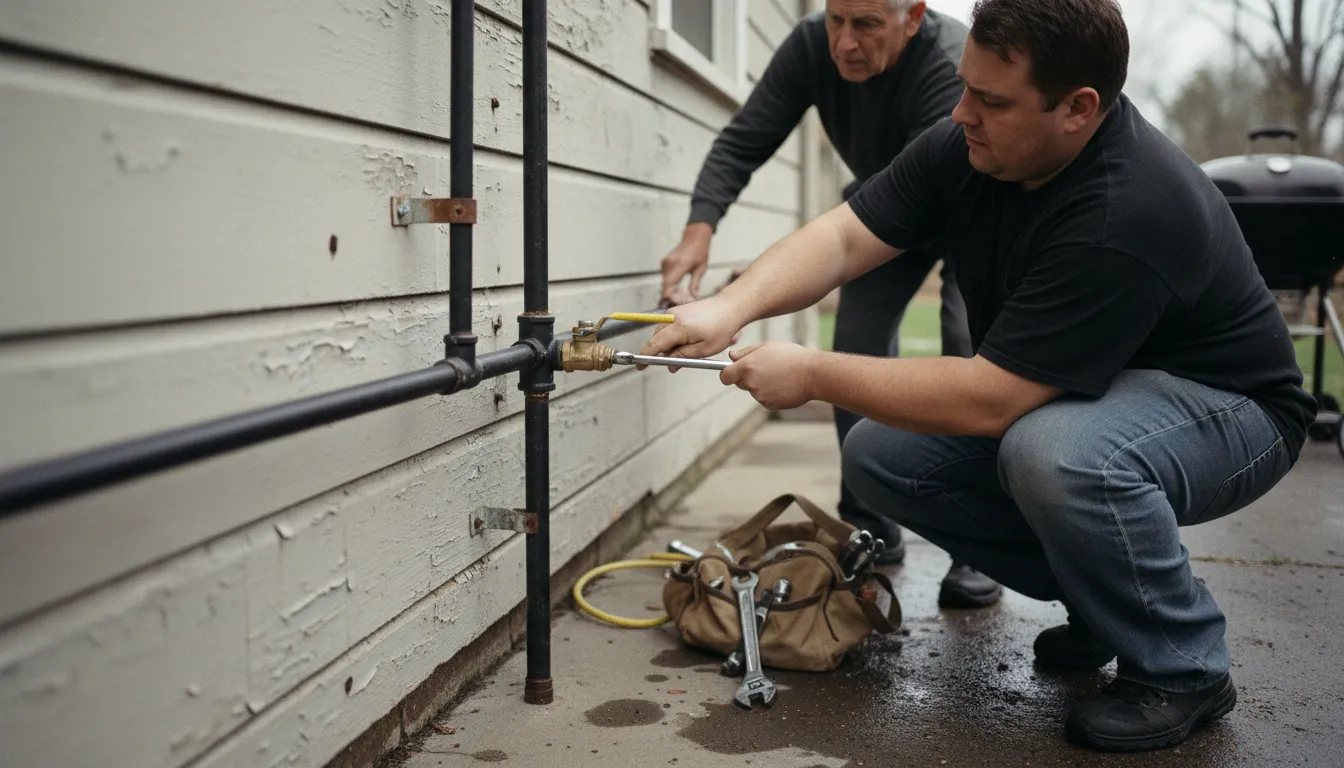
Connecting a new gas appliance or fixing a leak in your gas piping is a critical home project that demands precision and safety. Gas line work involves installing, replacing, or repairing the pipes that deliver natural gas or propane to appliances like furnaces, water heaters, stoves, and fireplaces. In Citrus Heights, this process is governed by strict state and local codes to protect your home and community from the dangers of gas leaks. This guide will help you understand the local requirements, the process, and how to find qualified professionals for your gas piping project.
Top Rank Plumbing
Sacramento, CA
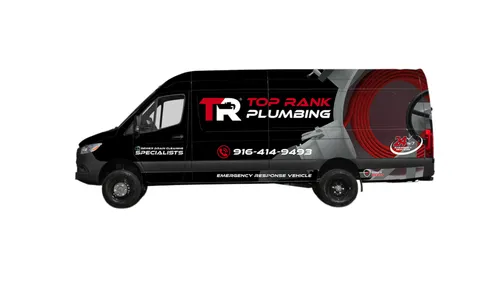
Top Rank Plumbing is a family-operated plumbing company serving Sacramento, CA. They provide a wide range of residential and commercial plumbing services including drain cleaning, hydro jetting, sewer camera inspections, water heater repair and installation, leak detection, repiping, gas line installation, and sewer line repair. Their licensed and insured technicians use advanced tools to deliver solutions tailored to each property. The company offers 24/7 emergency plumbing services and same-day scheduling to address urgent plumbing needs promptly.
Roseville Plumbing Solutions
1210 Ross Ct, Roseville, CA 95678
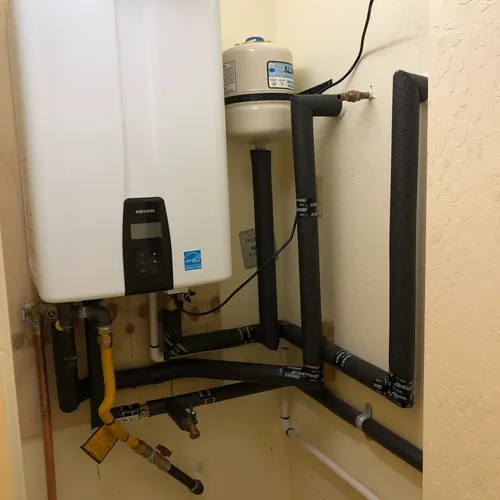
Roseville Plumbing Solutions is a full-service plumbing company serving Sacramento, CA, and nearby communities. With over 35 years of experience, they offer a wide range of services including water heater installation and repair, tankless water heater maintenance, drain cleaning, and gas line installation. The company is equipped to handle both residential and commercial projects and provides 24/7 emergency plumbing services. Their skilled team uses advanced diagnostics and high-quality parts to ensure lasting results. They also specialize in kitchen and bathroom remodels, water tank cleaning, and water pump supply.
Paradise Plumbing Pros
4100 Wayside Ln # 100, Carmichael, CA 95608
Paradise Plumbing Pros is a plumbing service provider based in Sacramento, CA, offering a wide range of residential plumbing solutions. Their services include sewer camera inspections, water heater repair and installation, tankless water heater services, water softener installation, drain cleaning, hydro jetting, sewer line repair, leak detection, repiping, gas line installation, toilet repair, and garbage disposal repair. They are equipped to handle complex plumbing issues with expertise and advanced equipment, including hydro jetting to clear blockages and camera inspections to diagnose sewer line problems. Paradise Plumbing Pros provides 24/7 emergency plumbing services to ensure timely assistance whenever needed. The company is known for its skilled and certified plumbers who deliver comprehensive solutions with attention to detail and transparency.
Ducks Plumbing Heating Air
Sacramento, CA
Ducks Plumbing Heating Air provides plumbing, HVAC, and bathroom remodeling services in Sacramento, CA. They serve the greater Sacramento area including Elk Grove, Roseville, Citrus Heights, Davis, and Folsom. Their plumbing services cover sewer camera inspections, water heater repairs, water softener installations, drain cleaning, hydro jetting, sewer line repairs including trenchless methods, repiping, gas line installations, and repairs for toilets and garbage disposals. The company also offers heating and air conditioning installation and repair, as well as full bathroom remodels. Ducks Plumbing Heating Air emphasizes affordable services with attention to detail for homeowners throughout the region.
The Toilet Whisperer
819 L St, Davis, CA 95616
The Toilet Whisperer provides a wide range of plumbing services in Sacramento, CA, and the surrounding counties including Yolo, Solano, Placer, and Napa. Their offerings include sewer camera inspections, water heater repair and installation, drain cleaning, hydro jetting, sewer line repair with trenchless options, leak detection, gas line installation, and toilet repair. They have local expertise in building codes and environmental factors, which helps them deliver tailored plumbing solutions. The company offers 24/7 emergency plumbing services for urgent repairs and has years of experience serving the region.
Understanding Local Gas Line Requirements
In Citrus Heights, all gas line installation and repair work falls under the jurisdiction of the city's Building & Safety Department. California has some of the most rigorous safety standards in the country, and Citrus Heights enforces these to mitigate risks, including those related to the region's soil conditions and seismic activity. Whether you're running a new line for a patio fire pit or replacing old black iron pipe, compliance isn't just recommended-it's legally mandatory.
The core of these regulations is the permit process. A permit is required for virtually any work on your gas piping system. This ensures the project is reviewed by city officials and inspected upon completion, verifying it meets all safety codes. Typically, a licensed plumbing contractor will pull this permit on your behalf, though homeowners performing the work themselves can apply. The permit application requires detailed plans, often isometric drawings that show the proposed piping layout, appliance locations, regulators, and the meter.
The Step-by-Step Process for Gas Piping Projects
A professional gas line project follows a meticulous sequence to ensure safety from start to finish.
1. Planning and Permitting: The process begins with a detailed plan. A professional will assess your needs, the appliance's BTU requirements, and the best route for the new gas piping. This plan is submitted to the Citrus Heights Building & Safety Division for permit approval.
2. Calling 811 Before Digging: This is a non-negotiable first step for any underground work. Calling 811 a few days before excavation prompts local utility companies to come and mark the locations of existing underground lines (like water, sewer, and electric) on your property. This free service is crucial for preventing dangerous and costly utility strikes 1 2.
3. Excavation and Trenching: For underground lines, trenching is required. Citrus Heights' soil, often sandy or gravelly, can present specific challenges that an experienced professional will know how to manage. The trench must be dug to the proper depth as specified by code.
4. Material Selection and Installation: Only approved materials can be used. Common choices include traditional black steel pipe, flexible Corrugated Stainless Steel Tubing (CSST), and brass. Copper may be permitted in certain situations. The pipes are carefully run, ensuring proper support, and all connections are made securely. Accessibility of shut-off valves and regulators is a key code consideration 3.
5. Pressure Testing and Inspection: This is the most critical safety step. Before the gas is ever turned on, the new piping must undergo a mandatory pressure test. For example, a medium-pressure line might be tested with air at 60 psi and held for 24 hours to check for any pressure drop indicating a leak 4. A city inspector will witness this test and inspect the entire installation before granting final approval.
6. Final Connection and Activation: Once the system passes inspection, the professional can make the final connection to the gas meter and the new appliance. The system is purged of air, checked for leaks with a gas detector, and the appliance is activated.
Why Professional Expertise is Non-Negotiable
Gas line work is not a DIY project. The flammable nature of natural gas and propane means mistakes can have catastrophic consequences. Hiring a licensed, bonded, and insured plumbing professional specializing in gas piping is essential.
- Code Mastery: Professionals are up-to-date on the latest California Plumbing Code (CPC) and Citrus Heights amendments. They ensure your installation is compliant, which is vital for safety, insurance, and future home sales 5.
- Advanced Leak Detection: While a sulfur-like "rotten egg" smell is a telltale sign of a leak, professionals use sophisticated electronic gas detectors and manometers to find even the smallest leaks that are invisible and odorless 6.
- Seismic and Soil Considerations: While not on a major fault line, California's shifting soils are a factor. Professionals understand how to install durable piping systems that can accommodate minor ground movement 7.
- Liability and Insurance: Reputable contractors carry insurance that protects your property in the unlikely event of an incident during the project. DIY work that fails could void your homeowner's insurance in case of a related accident.
Find the perfect gas line plumbing companies for your needs
Get personalized recommendations and expert advice
Material Options for Gas Lines
Choosing the right material impacts cost, longevity, and installation complexity.
- Black Steel Pipe: The traditional, rigid option. Highly durable and resistant to damage, but requires more labor to install due to threading and fitting each joint. It's often used for exposed runs in basements or garages.
- Corrugated Stainless Steel Tubing (CSST): A flexible, yellow-jacketed tubing that has become very popular. It's easier and faster to install as it can bend around obstacles, requiring fewer fittings. It must be properly bonded to prevent electrical arcing risks.
- Brass and Copper: Used for specific sections or appliance connectors. Their use is governed by strict code provisions regarding gas type and location.
Your contractor will recommend the best material based on your project's scope, local code, and the specific run's requirements.
Understanding Costs and Project Scope
The cost of gas line installation or repair in Citrus Heights varies significantly based on the project's complexity. There is no flat fee, as each job is unique.
Key factors influencing price include:
- Linear Footage: The total length of new pipe needed is a primary cost driver 8.
- Project Complexity: Running a line through finished walls, under concrete slabs, or in deep trenches adds labor and time.
- Material Costs: CSST may have a higher material cost but lower labor cost compared to black steel.
- Appliance Type: Connecting a high-BTU appliance like a pool heater or commercial kitchen equipment may require larger diameter piping.
- Permit and Inspection Fees: These are standard costs added to the project.
- Repair vs. New Installation: Repairing a minor leak in an accessible area will cost less than a full re-pipe of a home's gas system. Minor leak repairs can range significantly based on location and complexity 9.
For an accurate estimate, a licensed professional must assess your specific site. They can provide a detailed breakdown of costs per linear foot and for the entire project, ensuring no surprises 10 11.
Frequently asked questions
Sources
Footnotes
-
Natural Gas Line Installation: Safety Tips and Permits in ... - https://www.aloha-plumbinghvac.com/natural-gas-line-installation/ ↩
-
Gas Piping Citrus Heights CA | Gas Line Installation | Repiping - https://crystalblueplumbing.com/gas-piping-citrus-heights-ca/ ↩
-
CITY OF CITRUS HEIGHTS - https://www.citrusheights.net/DocumentCenter/View/20992/CHB0400-Request-for-Medium-Pressure-Gas-Service ↩
-
Natural Gas Line Installation: A Step-by-Step Guide - Super Brothers - https://www.superbrothers.com/natural-gas-line-installation-a-step-by-step-guide/ ↩
-
Do You Need a Permit for Gas Line Work in California? Know the Laws - https://magnificentplumbing.com/do-you-need-permit-for-gas-line-work-california/ ↩
-
Gas Line Installation & Maintenance - Safety, Signs & Advantages - https://www.selectplumbingandheating.ca/importance-of-professional-gas-line-installation-maintenance/ ↩
-
Gas Line Plumbing in Citrus Heights - https://www.howdyplumbing.com/plumbing-services/gas-line-plumbing/ ↩
-
Foot by Foot: Understanding Gas Line Installation Costs - https://jollyplumbing.com/gas-line-installation-cost-per-foot/ ↩
-
Gas Line Repair Cost | Gas Pipe Repair Price - https://www.fixr.com/costs/gas-line-repair ↩
-
New Gas Line Installation Cost: Natural Gas Piping Supplies & ... - https://www.superbrothers.com/new-gas-line-installation-cost-natural-gas-piping-supplies-custom-piping/ ↩
-
Commercial Gas Line Installation Cost: Factors & Breakdown - https://www.superbrothers.com/commercial-gas-line-installation-cost-factors-breakdown/ ↩