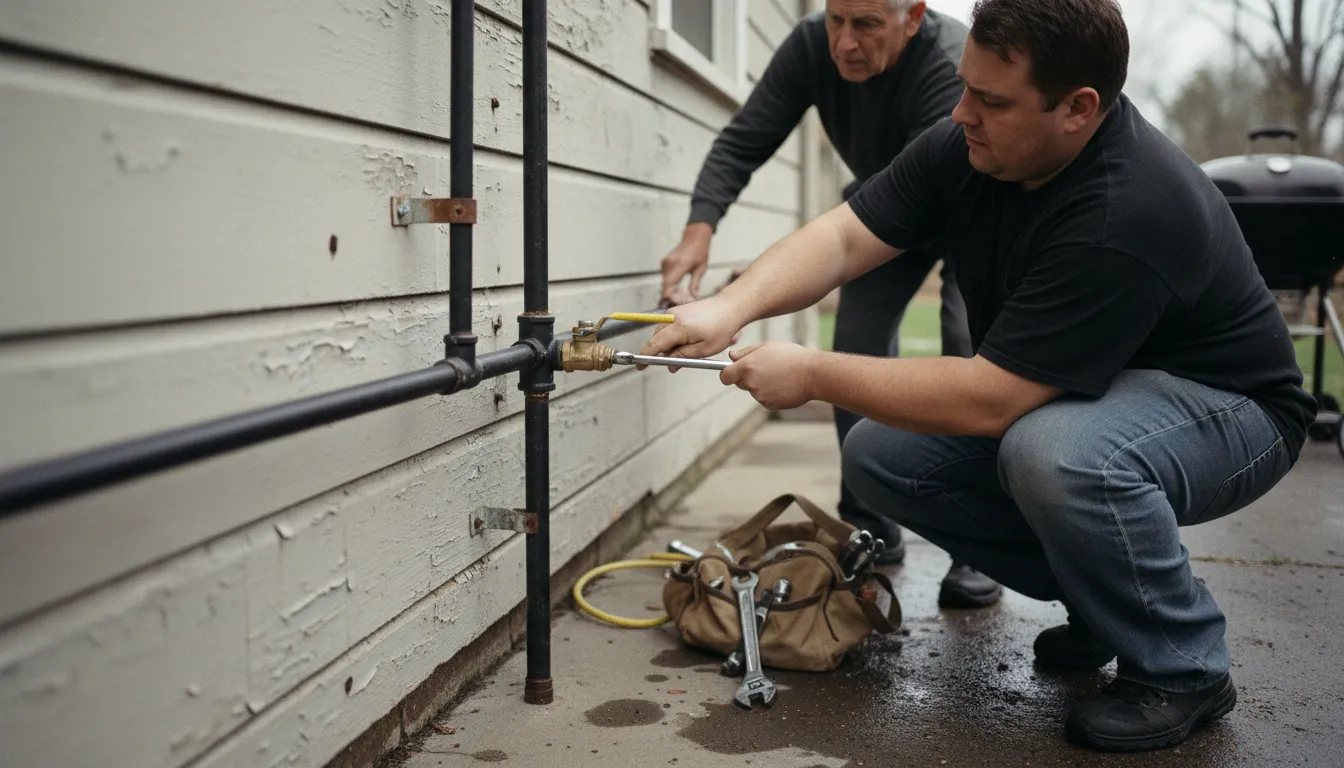
Find the Best Gas Line Plumbing Companies for Your Business
No obligation • Fast responses • Nationwide coverage

Why you can trust Search a Plumber
Search a Plumber is a leading United States resource for finding and evaluating professional plumbing services. Our team researches licensing, experience, and customer feedback to create unbiased, fact-driven overviews. Companies cannot pay to change ratings or placement, ensuring homeowners get trustworthy information.
Search providers near you
Top Gas Line Plumbing Companies in Chino Hills, California Ranked
Installing or repairing a gas line is a critical home project that directly impacts the safety and functionality of your property. Whether you're adding a gas fireplace, connecting a new appliance, or fixing a leak, this work involves high-pressure systems that require expert knowledge and strict adherence to local codes. For homeowners in Chino Hills, navigating the permit process, material requirements, and safety protocols is essential. This guide will help you understand the key steps and regulations, empowering you to find qualified, licensed professionals for your gas piping needs.
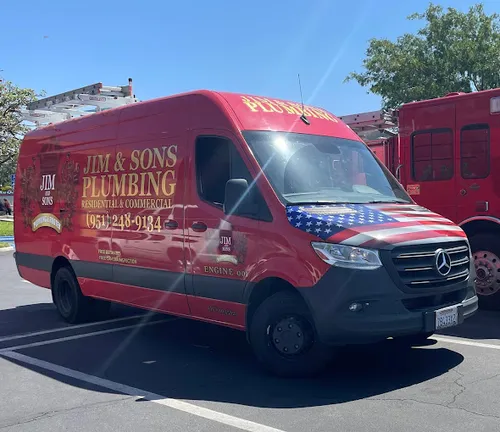
Jim & Sons Plumbing & Rooter
9345 Narnia Dr, Riverside, CA 92503
Jim & Sons Plumbing & Rooter is a family-owned plumbing company serving Riverside, CA, and the surrounding Inland Empire region. Since 1983, they have provided residential and commercial plumbing services including water heater repair and installation, drain cleaning, sewer line repair, leak detection, repiping, gas line installation, and garbage disposal repair. They specialize in trenchless sewer repair techniques such as pipe bursting and cured-in-place lining, which allow sewer line renewal without excavation, preserving landscaping and minimizing environmental impact. The company offers same-day service and is fully licensed and insured.
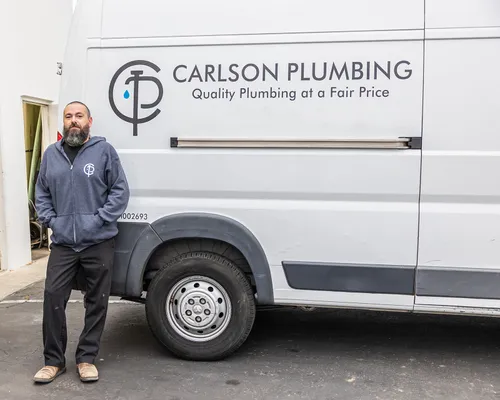
Carlson Plumbing Pros
17150 Newhope St Suite 301-302, Fountain Valley, CA 92708
Carlson Plumbing Pros is a licensed plumbing company serving Santa Ana, CA, and the broader Orange County area. They offer a wide range of plumbing services including water heater repair, water softener installation, drain cleaning, sewer line repair, leak detection, repiping, and gas line installation. With over 20 years of experience, they provide skilled plumbing solutions and are equipped to handle emergencies with 24/7 availability.
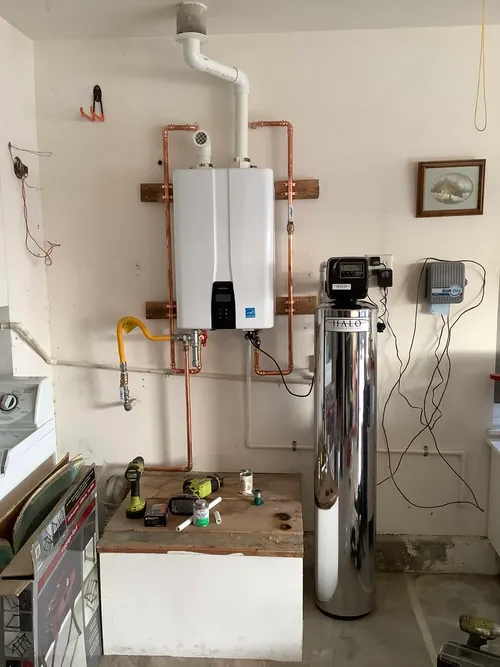
SoCal Plumbing & Rooter Inc.
420 W Lambert Rd suite f, Brea, CA 92821
SoCal Plumbing & Rooter Inc. is a full-service plumbing company serving Anaheim, CA, and the surrounding Orange County area. They provide a wide range of plumbing services including sewer camera inspections, water heater repair and installation, drain cleaning, hydro jetting, leak detection, repiping, gas line installation, and sewer line repair with trenchless methods. The company offers 24/7 emergency plumbing services to address urgent issues such as burst pipes, overflowing toilets, and sewer backups. Their expertise includes advanced leak detection and hydro jetting to clear stubborn clogs and maintain plumbing system efficiency. SoCal Plumbing & Rooter Inc. is fully licensed and insured, committed to meeting industry standards and local codes.
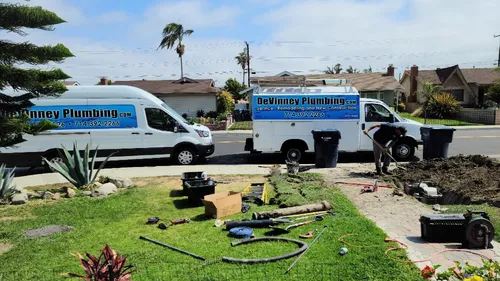
DeVinney Plumbing, Inc.
7501 Slater Ave L, Huntington Beach, CA 92647
DeVinney Plumbing, Inc. is a family-owned plumbing company serving Santa Ana, CA, and the surrounding Orange County area. With 40 years of experience, they provide a wide range of residential and commercial plumbing services including water heater installation and repair, tankless water heaters, water softener installation, drain cleaning, sewer line repair, leak detection, and gas line installation. They specialize in challenging issues like underground water leaks, gas leaks, and slab leaks. Their advanced electronic leak detection helps locate hidden leaks efficiently, minimizing damage and repair costs.
Dependable Plumber Inc
22980 Brompton St, Moreno Valley, CA 92553
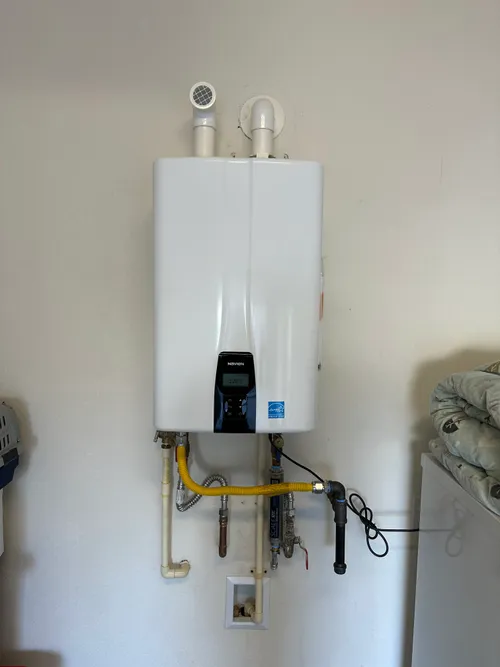
Dependable Plumber Inc provides a wide range of plumbing services in Riverside, CA, including water heater repair and installation, water softener installation, sump pump and sewer line repair, drain cleaning, leak detection, gas line installation, and garbage disposal repair. They serve both residential and commercial clients throughout Riverside and San Bernardino County. The company offers 24/7 emergency plumbing services to address urgent issues such as burst pipes and major clogs. Dependable Plumber Inc is known for transparent pricing and a commitment to completing jobs correctly the first time.
Understanding Local Regulations and Permits
In Chino Hills, all new gas line installations and major repairs require a permit from the City of Chino Hills Building & Safety Division before any work begins. This is not a mere formality; it's a vital safety measure. The permit process ensures that your project is reviewed and inspected by city officials to confirm it meets the California Plumbing Code and local amendments, which are designed to protect your home and neighborhood.
Typically, the licensed contractor you hire-who must hold a valid C-36 (Plumbing) or C-20 (HVAC/R) license-will be responsible for pulling the permit 1. While homeowners can sometimes pull a permit for work on their own property, the complexity and liability involved with fuel gas systems make hiring a licensed pro the strongly recommended and safest path 2. The permit fees contribute to the cost of the mandatory inspections that occur at critical stages of the job.
The Step-by-Step Process for Gas Piping Work
A professional gas line project follows a meticulous sequence to ensure safety and code compliance from start to finish.
1. Planning and Utility Location (Call 811)
Before a single shovel hits the ground, the law requires you to call 811 or visit call811.com at least two working days before digging. This free service alerts all relevant utility companies, who will send locators to mark the approximate path of underground lines-like water, sewer, electricity, and existing gas pipes-with colored paint and flags 3. This step is non-negotiable and prevents dangerous (and costly) accidents, such as striking a live line, which can cause explosions, service outages, and significant fines.
2. Trenching and Excavation
Once utilities are marked, excavation can begin. The required depth of the trench is specified by code; for example, steel gas piping often requires a minimum of 18 inches of cover 4. If the line must run under a driveway, sidewalk, or other paved area, the depth requirement may increase, or specific protective sleeving may be mandated. The method of excavation (e.g., hand digging vs. mechanical trenching) can impact the project's overall cost and timeline.
3. Pipe Material Selection and Installation
Only approved materials may be used for natural gas lines in Chino Hills. Common choices include:
- Black Steel Pipe: A traditional, durable option that is widely used for both indoor and underground applications when properly coated to resist corrosion.
- CSST (Corrugated Stainless Steel Tubing): A flexible, yellow-jacketed tubing that is often easier and faster to install through walls and attics, though it has specific bonding requirements for safety 5.
- Copper Tubing: Approved in certain applications, though local codes may have restrictions on its use for natural gas.
The licensed professional will install the piping with the correct fittings, ensuring proper support and, if necessary, slope to manage any condensate.
4. Pressure Testing and Inspection
This is the most critical safety check. Before the trench is backfilled, the new or repaired gas line is sealed and pressurized with air for a pressure test. A common test procedure involves pressurizing the system to 10 PSI on a 30 PSI gauge and monitoring it for at least 15 minutes 6. Absolutely no pressure drop is allowed. This test proves the integrity of the entire system-pipe, fittings, valves, and connections. A city inspector will witness this test (the "rough-in" inspection) and must approve it before the line can be covered 7.
5. Final Connection and Backfill
After passing inspection, the trench can be carefully backfilled. The final step is connecting the new line to the appliance (like a stove, dryer, or fire pit) and the main gas supply. Another inspection may be required after the appliance is connected before the system is approved for final use.
Find the perfect gas line plumbing companies for your needs
Get personalized recommendations and expert advice
Why Safety Must Be Your Top Priority
Working with natural gas is inherently hazardous. Invisible and flammable, a leak can lead to fire, explosion, or carbon monoxide poisoning. This is why a "do-it-yourself" approach to gas line work is strongly discouraged and often illegal for anything beyond minor appliance hookups using a flexible connector 8. Licensed professionals have the training to:
- Correctly size pipes for appliance BTU requirements.
- Use specialized leak-detection solutions (like soapy water or electronic detectors) during testing.
- Ensure proper bonding and grounding of CSST to mitigate lightning strike risks.
- Understand and adhere to all clearance requirements from electrical panels, ignition sources, and building openings.
Using unapproved materials or improper techniques might seem like a cost-saver but will fail inspection and create a serious long-term risk for your household 9.
Factors Influencing Project Cost
The cost for gas line installation or repair in Chino Hills is highly variable and depends on several key factors 10:
- Project Scope & Length: A simple line for a backyard barbecue a few feet from the house costs far less than running a new line 50 feet across the property to a pool heater or auxiliary dwelling unit (ADU).
- Material Costs: The choice between black steel, CSST, or copper affects material pricing.
- Excavation Complexity: Hand-digging a shallow trench through soft soil is less expensive than using a trencher or navigating rocky ground. Costs rise significantly if the path requires tunneling under driveways, patios, or landscaping.
- Labor and Permits: You are paying for the expertise of a licensed plumber or HVAC technician, plus the city's permit and inspection fees.
- Repair vs. Installation: Repairing a leaking section may be less involved than a full installation, but locating the leak-especially if it's underground-can add diagnostic time.
Given these variables, projects can range from several hundred dollars for a short, straightforward run to several thousand dollars for long, complex installations involving significant excavation 11. Reputable professionals will provide a detailed estimate that breaks down these costs after assessing your specific site.
Choosing the Right Professional in Chino Hills
Your choice of contractor is your primary safety investment. Always verify that the professional holds an active, current California contractor's license in the C-36 (Plumbing) or C-20 (HVAC) classification. You can check license status online through the Contractors State License Board (CSLB) website. Furthermore, ensure they are familiar with the City of Chino Hills Building & Safety Division's specific requirements and inspection protocols 12. Ask for proof of insurance and references from similar local projects. A trustworthy contractor will gladly discuss the permit process, their planned materials, and the inspection timeline with you.
Frequently asked questions
Sources
Footnotes
-
Title 15 | Code of Ordinances | Chino Hills, CA - https://library.municode.com/ca/chino_hills/codes/code_of_ordinances?nodeId=TIT15BUCO_CH15.04CACOCOAD ↩
-
Do You Need a Permit for Gas Line Work in California? Know the Laws - https://magnificentplumbing.com/do-you-need-permit-for-gas-line-work-california/ ↩
-
Natural Gas Line Installation: Safety Tips and Permits in ... - https://www.aloha-plumbinghvac.com/natural-gas-line-installation/ ↩
-
Frequently Asked Questions - CivicPlus.CMS.FAQ - https://www.rpvca.gov/faq.aspx?TID=40 ↩
-
Gas Line Repair in Chino Hills, CA - Rooter Man Plumbing - https://www.rootermanla.com/gas-line-repair-in-chino-hills-ca ↩
-
Underground Gas Line - GasGuys.ca Inc. - https://www.gasguys.ca/underground-gas-lines/ ↩
-
Expert Gas Line Installation Service in Chino, CA | Jig Plumbing Inc - https://www.jigplumbinginc.com/gas-line-installation/ ↩
-
Essential Guide to Gas Line Installation: Tips and Safety ... - https://gaeberly.com/gas-line-installation/ ↩
-
811 & Safety Tips for Contractors & Excavators - Socalgas - https://www.socalgas.com/safety/safety-and-prevention/digging-and-yard-safety/contractors ↩
-
Gas Line Installation and Repair Service - https://dbhplumbingservice.com/plumbing-services/gas-line-installation-and-repair-service/ ↩
-
How Much Does It Cost To Install A Gas Line In My Home? - Done! Plumbing, Heating, Cooling & Electric - https://itsdone.com/blog/how-much-does-it-cost-to-install-a-gas-line-in-my-home/ ↩
-
Building & Safety | Chino Hills, CA - Official Website - https://www.chinohills.org/122/Building-Safety ↩