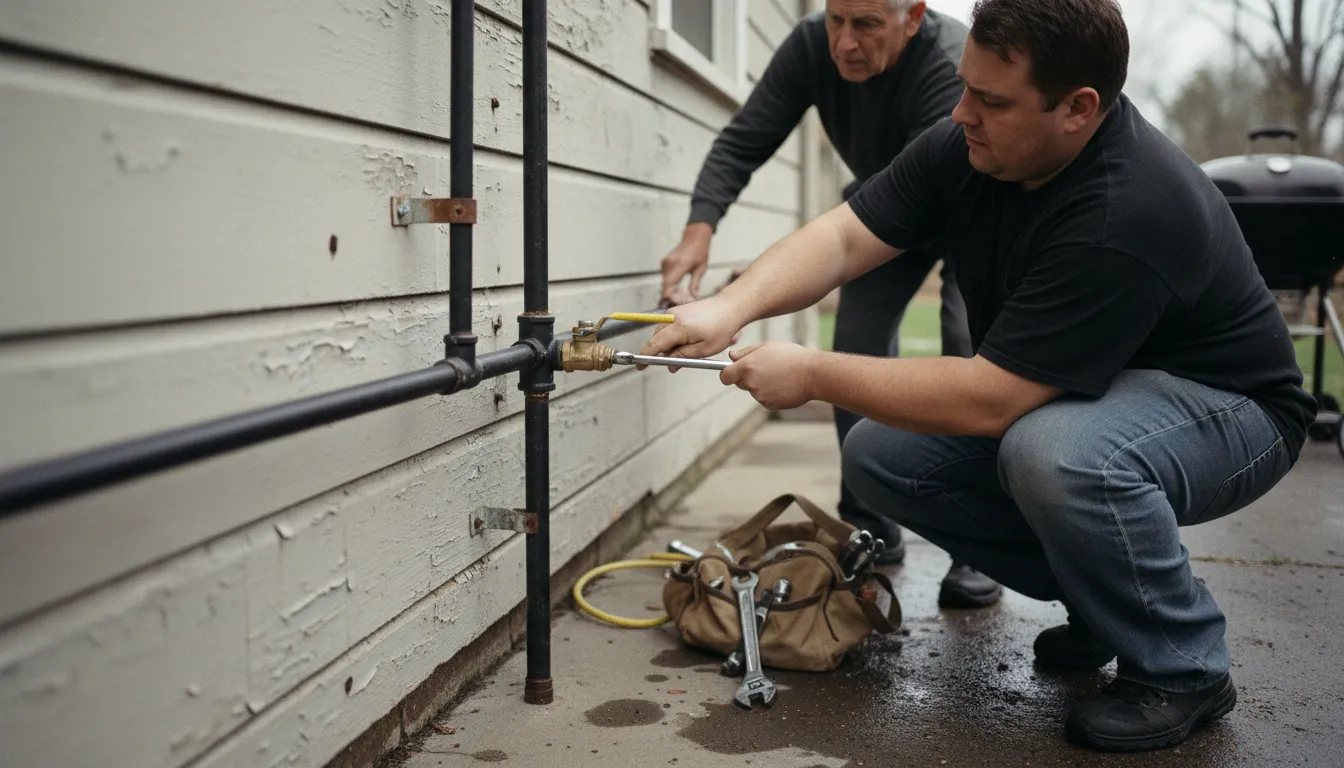
Find the Best Gas Line Plumbing Companies for Your Business
No obligation • Fast responses • Nationwide coverage

Why you can trust Search a Plumber
Search a Plumber is a leading United States resource for finding and evaluating professional plumbing services. Our team researches licensing, experience, and customer feedback to create unbiased, fact-driven overviews. Companies cannot pay to change ratings or placement, ensuring homeowners get trustworthy information.
Search providers near you
Top Gas Line Plumbing Companies in Aliso Viejo, California Ranked
Ensuring your home or business has a safe and reliable gas supply is a critical component of modern living, powering everything from water heaters and stoves to fireplaces and dryers. Gas line installation and repair is specialized work that demands expertise, strict adherence to codes, and proper permitting to protect your property and family. This guide is designed to help Aliso Viejo residents understand the essential steps, regulations, and considerations for any gas piping project, empowering you to make informed decisions when you need to connect with a qualified local specialist.
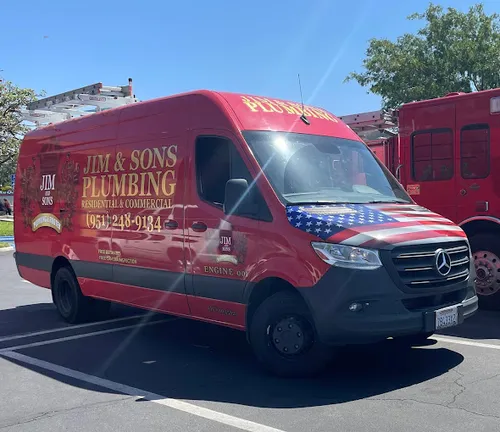
Jim & Sons Plumbing & Rooter
9345 Narnia Dr, Riverside, CA 92503
Jim & Sons Plumbing & Rooter is a family-owned plumbing company serving Riverside, CA, and the surrounding Inland Empire region. Since 1983, they have provided residential and commercial plumbing services including water heater repair and installation, drain cleaning, sewer line repair, leak detection, repiping, gas line installation, and garbage disposal repair. They specialize in trenchless sewer repair techniques such as pipe bursting and cured-in-place lining, which allow sewer line renewal without excavation, preserving landscaping and minimizing environmental impact. The company offers same-day service and is fully licensed and insured.
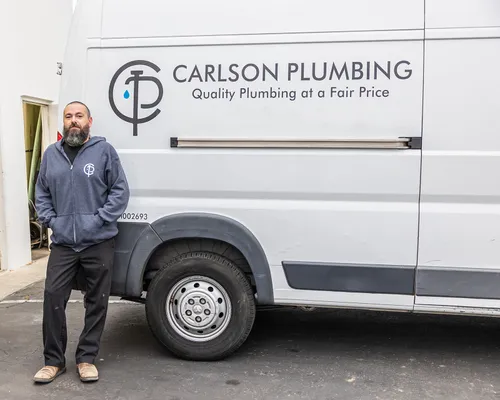
Carlson Plumbing Pros
17150 Newhope St Suite 301-302, Fountain Valley, CA 92708
Carlson Plumbing Pros is a licensed plumbing company serving Santa Ana, CA, and the broader Orange County area. They offer a wide range of plumbing services including water heater repair, water softener installation, drain cleaning, sewer line repair, leak detection, repiping, and gas line installation. With over 20 years of experience, they provide skilled plumbing solutions and are equipped to handle emergencies with 24/7 availability.
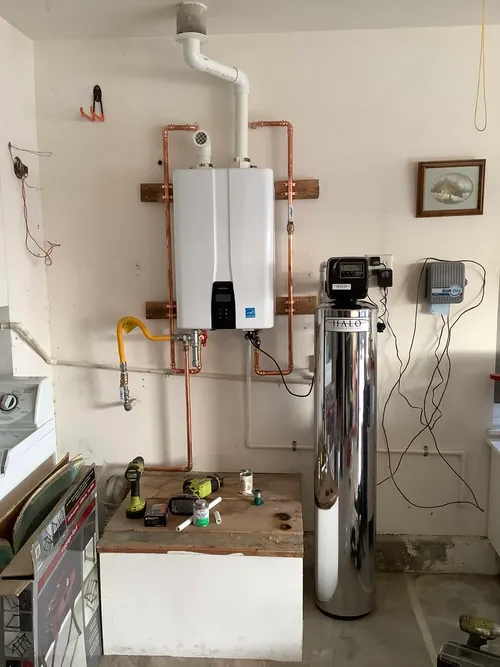
SoCal Plumbing & Rooter Inc.
420 W Lambert Rd suite f, Brea, CA 92821
SoCal Plumbing & Rooter Inc. is a full-service plumbing company serving Anaheim, CA, and the surrounding Orange County area. They provide a wide range of plumbing services including sewer camera inspections, water heater repair and installation, drain cleaning, hydro jetting, leak detection, repiping, gas line installation, and sewer line repair with trenchless methods. The company offers 24/7 emergency plumbing services to address urgent issues such as burst pipes, overflowing toilets, and sewer backups. Their expertise includes advanced leak detection and hydro jetting to clear stubborn clogs and maintain plumbing system efficiency. SoCal Plumbing & Rooter Inc. is fully licensed and insured, committed to meeting industry standards and local codes.
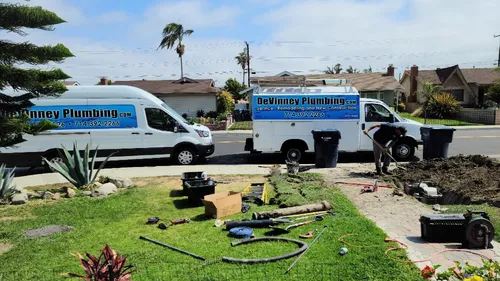
DeVinney Plumbing, Inc.
7501 Slater Ave L, Huntington Beach, CA 92647
DeVinney Plumbing, Inc. is a family-owned plumbing company serving Santa Ana, CA, and the surrounding Orange County area. With 40 years of experience, they provide a wide range of residential and commercial plumbing services including water heater installation and repair, tankless water heaters, water softener installation, drain cleaning, sewer line repair, leak detection, and gas line installation. They specialize in challenging issues like underground water leaks, gas leaks, and slab leaks. Their advanced electronic leak detection helps locate hidden leaks efficiently, minimizing damage and repair costs.
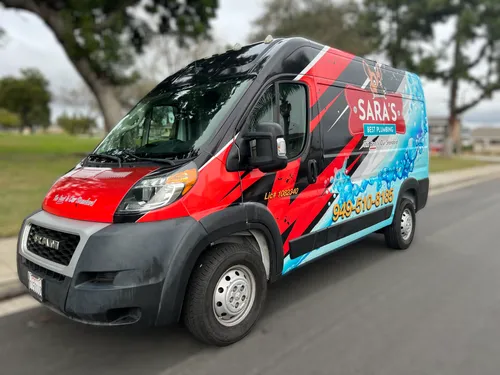
Sara's Best Plumbing
4454 W Cerritos Ave, Los Alamitos, CA 90720
Sara's Best Plumbing is a family-owned plumbing company serving Los Angeles, CA, and the surrounding Southern California communities. Established in 2022 with over 14 years of experience, they provide a wide range of plumbing services including sewer camera inspections, water heater repair and installation, drain cleaning, leak detection, repiping, gas line installation, and garbage disposal repair. The company is known for handling both emergency and planned plumbing projects with a focus on clear communication and customer care. They also offer specialized services such as water filtration system installation and gas line safety work. Sara's Best Plumbing operates with industry-leading warranties and offers 24/7 emergency services to ensure reliable support whenever needed.
Understanding Gas Line Work in Aliso Viejo
Working with natural gas or propane lines is not a typical DIY project. It involves high-pressure systems where a small error can have significant consequences. In Aliso Viejo, all gas piping work is governed by the California Plumbing Code (a part of the California Building Code) and local amendments enforced by the City of Aliso Viejo or the Orange County Building Department. The primary goal of these regulations is safety-preventing leaks, explosions, and ensuring safe operation of gas appliances.
Whether you're installing a new line for a gas range, repairing a leak, or extending service to an outdoor kitchen, the process follows a structured path. It begins with planning and permitting, moves through careful installation with approved materials, and culminates in mandatory inspections. Skipping any of these steps is illegal and dangerous. Understanding this framework helps you vet professionals and ensures your project is completed to code.
The Non-Negotiable First Step: Permits and Planning
Before any trench is dug or pipe is threaded, the proper permits must be secured. This is a legal requirement in Aliso Viejo for nearly all gas line work.
Who Can Pull a Permit? Typically, a licensed professional-specifically a C-36 Plumbing contractor or a C-20 Warm-Air Heating, Ventilating and Air-Conditioning contractor-must obtain the permit. They assume responsibility for the work meeting code. In rare cases, a homeowner may pull a permit for work they personally perform on their own residence, but this requires passing a homeowner's test and assuming all liability.
The Permit Process: The application is submitted to the local building department (City of Aliso Viejo or Orange County). You or your contractor will need to provide detailed plans or diagrams showing the proposed pipe routing, sizes, and connected appliances 1. The permit fees cover the cost of the required inspections. Once issued, the permit must be posted visibly at the job site.
Why Permits are Crucial: The permit triggers the inspection process. A city or county inspector will visit at least twice: first for a "rough-in" inspection after pipes are run but before walls are closed or trenches are filled, and finally for a "final" inspection when everything is connected and operational. This independent verification is your best assurance that the work is safe.
The Installation and Repair Process: A Step-by-Step Guide
For a typical new gas line installation or major repair, professionals follow a meticulous sequence. Here's what you can expect when you hire a qualified expert in Aliso Viejo.
1. Call 811 Before Digging
This is a federal and state mandate for safety. At least two business days before any excavation, your contractor must call 811 or submit an online request. This free service notifies all utility companies, who will then send locators to mark the approximate positions of underground gas, water, electric, and communication lines on your property with paint or flags 2 3. Digging without this call risks a catastrophic strike, severe injury, and hefty fines.
2. Excavation and Trenching
For underground lines, a trench must be dug. The depth is code-specified to protect the pipe. For standard steel pipe, the minimum burial depth is typically 18 to 24 inches 4. If the line must run under a driveway or area with vehicle traffic, the required depth increases, often to 24 inches or more 4. The trench must be wide enough to allow for proper joint assembly and inspection.
3. Pipe Material and Installation
Only approved materials can be used for fuel gas lines. Common choices include:
- Black Iron Pipe: The traditional, rigid steel pipe used for both indoor and buried applications. It is durable but requires threading and more labor to install.
- Corrugated Stainless Steel Tubing (CSST): A flexible, coated tubing that is often easier to route through existing walls and attics. It must be properly bonded and grounded to prevent electrical damage.
All fittings, connectors, and valves must be listed for gas service. The pipe is carefully cut, threaded (if using iron pipe), assembled with approved pipe dope or tape, and secured with proper hangers or supports.
4. The Critical Pressure Test
Before the trench is backfilled or walls are closed, the new or repaired section of pipe must undergo a pressure test. The system is sealed and pressurized with air (or an inert gas) to a level specified by code, significantly higher than normal operating pressure. This pressure is then monitored for a set period, often 30 minutes to an hour. Any drop in pressure indicates a leak that must be found and repaired before proceeding 5. This test is usually witnessed by the building inspector during the rough-in inspection.
5. Backfill, Connection, and Final Inspection
Once the pressure test passes inspection, the underground trench can be carefully backfilled, often with sand or clean soil to protect the pipe from rocks. The gas line is then connected to the meter and the new appliance. After the appliance is installed and operational, the professional will request the final inspection. The inspector will verify the entire system is correct, safe, and leak-free before authorizing the utility to restore or maintain gas service 6.
Find the perfect gas line plumbing companies for your needs
Get personalized recommendations and expert advice
Key Safety Considerations and Common Pitfalls
Gas line safety extends beyond the installation day. Being aware of common issues helps you maintain a safe system.
The Imperative of Professional Installation: The risks of improper gas work cannot be overstated. Errors in threading, joint sealing, or support can lead to slow leaks. Gas is flammable and, in enclosed spaces, can displace oxygen. Always verify that any professional you hire holds an active, valid C-36 or C-20 license from the California Contractors State License Board (CSLB) 7.
Recognizing and Responding to a Gas Leak: Know the signs: the distinctive rotten egg odor (added as a safety measure), a hissing sound near a gas line, dead or discolored vegetation in an otherwise green area above a buried line, or unexplained physical symptoms like dizziness or nausea. If you suspect a leak, evacuate the area immediately, avoid creating sparks (don't flip switches or use phones), and call 911 and the gas company from a safe distance.
Code Compliance is Safety: Codes like California's Title 24 include energy efficiency measures that impact gas line work, such as requiring automatic shut-off valves in certain situations 8. Adherence to code isn't bureaucratic red tape; it's a compilation of best practices designed to prevent fires, explosions, and carbon monoxide poisoning.
Understanding Costs for Gas Line Projects in Aliso Viejo
Costs for gas line services can vary widely based on the project's scope, complexity, and materials. The figures below are general estimates to help you budget; always get detailed, written quotes from licensed professionals.
-
New Gas Line Installation: For a relatively straightforward project, like running a new line from an existing manifold to a kitchen stove or fireplace, you might expect costs ranging from $500 to $2,000 9. More complex jobs, such as installing a main line from the meter to a new pool heater, adding a barbecue line with an underground trench across the yard, or servicing a commercial appliance, can easily reach $3,000 or more 9. Factors influencing price include the total length of pipe needed, the type of pipe (CSST vs. black iron), the difficulty of excavation (rocky soil, paved surfaces), and the number of fixtures being connected.
-
Gas Line Repair: Ironically, repairing a leak or damaged section of pipe can sometimes be more expensive than a new installation. Repairs often involve diagnostic time to locate the leak, potentially difficult excavation to access the faulty section (especially if it's under a slab or landscaping), and the need to meet current code standards for the repair, which may require upgrading adjacent piping. Repair costs commonly range from $500 to $3,000+, with emergency or complex repairs on the higher end 10.
Remember, the lowest bid is not always the best value when it comes to gas work. Prioritize proper licensing, insurance, permits, and a reputation for quality and safety.
Frequently asked questions
Sources
Footnotes
-
Should You Call a Plumber to Fix a Gas Leak? - https://nexgenairandplumbing.com/blog/should-you-call-a-plumber-to-fix-a-gas-leak/ ↩
-
Frequently Asked Questions - CivicPlus.CMS.FAQ - https://www.rpvca.gov/faq.aspx?TID=40 ↩
-
811 & Safety Tips for Contractors & Excavators - Socalgas - https://www.socalgas.com/safety/safety-and-prevention/digging-and-yard-safety/contractors ↩
-
How Deep Are Gas Lines Buried? - J.D. Power - https://www.jdpower.com/cars/shopping-guides/how-deep-are-gas-lines-buried ↩ ↩2
-
Underground Gas Line - GasGuys.ca Inc. - https://www.gasguys.ca/underground-gas-lines/ ↩
-
Do You Need a Permit for Gas Line Work in California? Know the Laws - https://magnificentplumbing.com/do-you-need-permit-for-gas-line-work-california/ ↩
-
Gas Line Installation Aliso Viejo California - https://www.gaslineinstall.com/gas-line-installation-aliso-viejo-california/ ↩
-
Gas Line Services (installation or repair) - https://rapidplumbersirvine.com/gas-line-services-installation-or-repair/ ↩
-
Natural Gas Line Installation: Safety Tips and Permits in California - https://www.aloha-plumbinghvac.com/natural-gas-line-installation/ ↩ ↩2
-
Gas Line Installation and Repair Service - https://dbhplumbingservice.com/plumbing-services/gas-line-installation-and-repair-service/ ↩