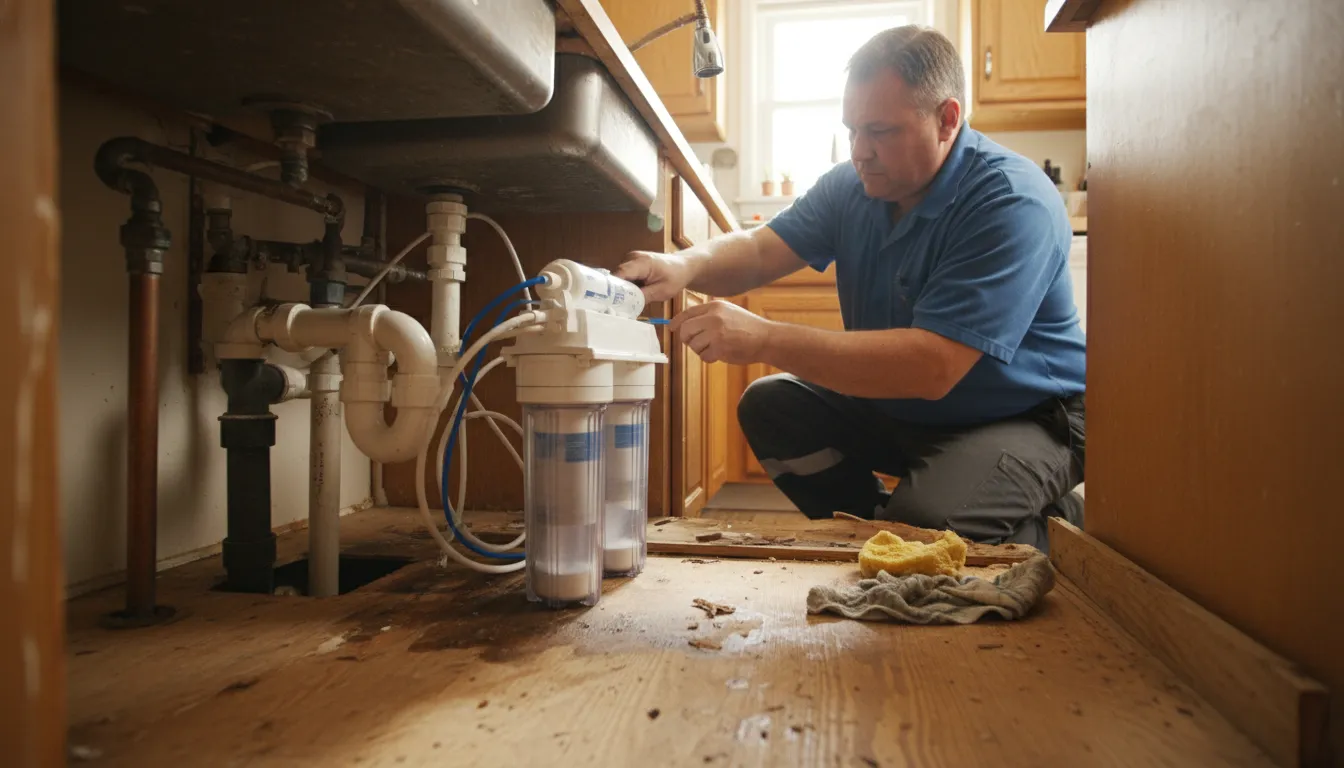
Find the Best Water Treatment Installation Companies for Your Business
No obligation • Fast responses • Nationwide coverage

Why you can trust Search a Plumber
Search a Plumber is a leading United States resource for finding and evaluating professional plumbing services. Our team researches licensing, experience, and customer feedback to create unbiased, fact-driven overviews. Companies cannot pay to change ratings or placement, ensuring homeowners get trustworthy information.
Search providers near you
Top Water Treatment Installation Companies in Redmond, Washington Ranked
Living in Redmond means enjoying a beautiful environment, but the quality of your home's water can significantly impact your daily life, from the taste of your coffee to the lifespan of your appliances. Water treatment systems, including softeners and filtration units, are essential for addressing common local water concerns like hardness, chlorine taste, and potential contaminants. This guide will help you understand your options for residential water purification and conditioning, empowering you to find the right local professional to assess your needs and install an effective solution for your home.
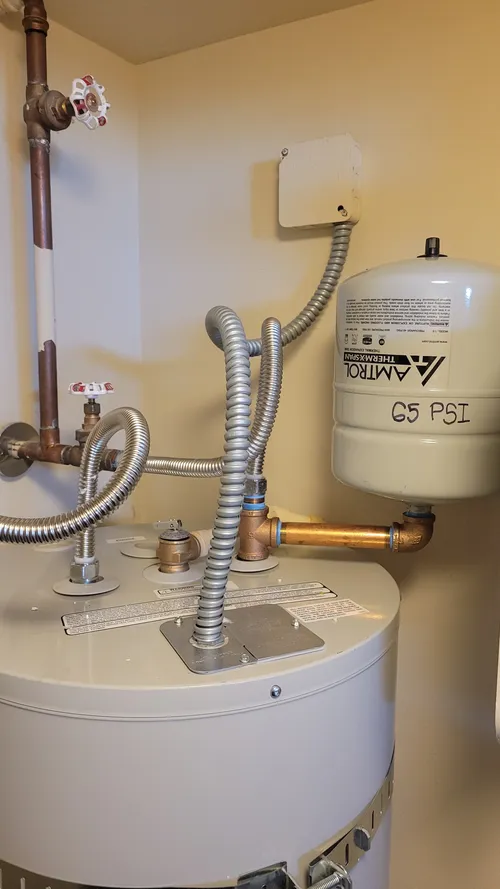
Queen Plumbing LLC
3008 Harvard Ave E, Seattle, WA 98102
Queen Plumbing LLC is a licensed, bonded, and insured plumbing company serving Seattle, WA, and surrounding areas. With over 15 years of experience, they offer a wide range of plumbing services including water heater repair and installation, tankless water heater services, water softener installation, drain cleaning, leak detection, and gas line installation. The company is familiar with local building codes and provides services tailored to residential plumbing needs. They also specialize in advanced plumbing technologies such as tankless water heaters and whole house water filtration systems. Queen Plumbing LLC offers same-day service and backs their work with manufacturer warranties and a satisfaction guarantee.
Roto-Rooter Plumbing & Water Cleanup
4508 NE 4th St Ste A, Renton, WA 98059
Roto-Rooter Plumbing & Water Cleanup serves Seattle, WA, providing a wide range of plumbing services including sewer camera inspections, water heater repairs for both tank and tankless models, drain cleaning, hydro jetting, sewer line repairs, and water softener installations. The company uses advanced diagnostics and trenchless technology to address common local issues such as root infiltration and sediment buildup, helping to minimize disruption and environmental impact. Their service area includes neighborhoods like Highlands, downtown, and Fairwood, with 24/7 emergency availability. With a focus on environmentally responsible practices and support for local sustainability initiatives, Roto-Rooter offers professional-grade equipment and expertise to manage plumbing challenges related to Seattle's rainy climate and aging infrastructure. They also provide commercial plumbing services and routine repairs, aiming to protect homes and community waterways.
Roto-Rooter Plumbing & Water Cleanup
16770 NE 79th St Suite 201, Redmond, WA 98052
Roto-Rooter Plumbing & Water Cleanup serves Seattle, WA, offering a wide range of plumbing services including sewer camera inspections, water heater repairs, water softener installations, drain cleaning, hydro jetting, sewer line repairs, trenchless sewer repair, toilet repairs, and garbage disposal repairs. The company uses advanced technology such as mechanical drain cleaning machines and camera inspections to address common local issues like tree root infiltration and seasonal blockages. Established in 1935, Roto-Rooter brings decades of experience to the Seattle area, providing solutions tailored to the region's unique soil and climate challenges. They also provide 24-hour emergency plumbing services for urgent needs.
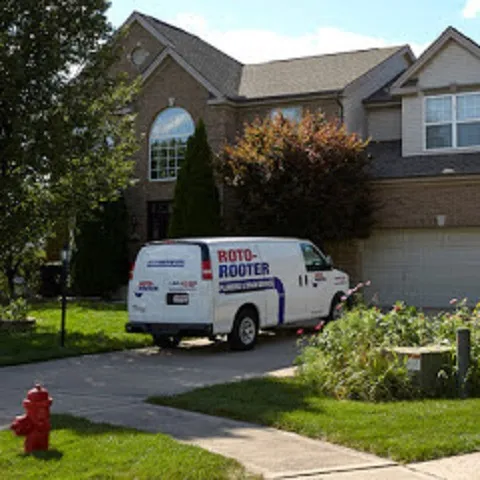
Roto-Rooter Plumbing & Water Cleanup
423 Pacific Ave suite 303, Bremerton, WA 98337
Roto-Rooter Plumbing & Water Cleanup provides a wide range of plumbing services in Seattle, WA, including sewer camera inspections, water heater repairs and installations, drain cleaning, and sewer line repairs using trenchless technology. They also offer water softener installations, hydro jetting, and garbage disposal repairs. The company serves neighborhoods across Seattle and Bremerton, addressing issues from emergency plumbing to routine maintenance. Their sewer line repair uses trenchless methods to minimize yard disruption, and their 24-hour availability ensures help is accessible during emergencies.
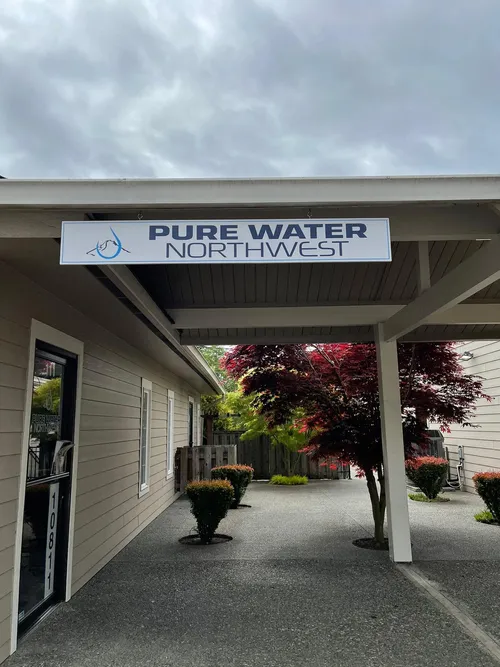
Pure Water NorthWest
10811 NE State Hwy 104 Ste 101 Unit 316, Kingston, WA 98346
Pure Water NorthWest is a water treatment company based in Seattle, WA, offering services for both residential and commercial clients. They specialize in diagnosing and resolving water quality issues such as staining, scale buildup, and health concerns. With over 20 years of experience, the company uses certified experts and American-made products to provide tailored water softener installation and plumbing solutions.
Understanding Redmond's Water Profile
Before choosing a system, it's crucial to understand what's in your water. Redmond's water is generally considered low to moderately hard, which means a water softener can be very effective for preventing scale buildup in pipes and on fixtures 1. However, hardness is just one factor. Many Redmond residents also seek to improve taste and odor by removing chlorine, which is commonly used in municipal treatment. Furthermore, there is growing awareness about other potential contaminants, including lead, PFAS, and bacteria, which may require specific filtration technologies. The first step for any homeowner is to test their water to identify specific issues, which can be done through local water quality reports or by using a professional testing lab 1.
Types of Water Treatment Systems
There is no one-size-fits-all solution for home water treatment. The right system depends entirely on your water test results and your household's priorities. Here's a breakdown of the most common technologies available.
Salt-Based Water Softeners
These are the traditional and most effective systems for removing hardness minerals like calcium and magnesium through a process called ion exchange. They are particularly recommended for homes with moderate to high hardness levels and are excellent for preventing scale throughout the entire plumbing system. A whole-house salt-based softener will protect appliances, make cleaning easier, and reduce soap usage.
Salt-Free Water Conditioners
Often called "descalers" or "conditioners," these systems treat hardness minerals to prevent them from forming scale, but they do not actually remove them from the water. They are a popular alternative for homes with low to medium hardness where adding sodium to the water is a concern. They require less maintenance than salt-based systems, as there is no brine tank to refill.
Reverse Osmosis (RO) Systems
For the purest drinking water, an under-sink reverse osmosis system is a top choice. RO uses a semi-permeable membrane to remove a very high percentage of dissolved solids, metals, and contaminants, including many that other filters cannot catch. These are typically point-of-use systems installed at the kitchen sink to provide water for drinking and cooking.
Carbon Filtration Systems
Activated carbon filters are superb for improving the aesthetic qualities of water. They effectively reduce chlorine, which improves taste and odor, and can also filter out some organic compounds and sediments. Carbon filters can be installed as whole-house systems or as point-of-use pitchers and faucet attachments.
Multi-Stage and Whole-House Filtration
For comprehensive protection, many homeowners opt for systems that combine technologies. A common setup might include a whole-house sediment filter, followed by a carbon filter to remove chlorine, and then a water softener or conditioner. For ultimate drinking water safety, this can be paired with an under-sink RO unit. In cases where bacterial contamination is a concern, a UV (ultraviolet) light purifier can be added as a final disinfection stage 2.
Find the perfect water treatment installation companies for your needs
Get personalized recommendations and expert advice
The Process: From Testing to Installation
Navigating the path to better water involves a few key steps. Following this process will ensure you invest in a system that truly meets your needs.
- Conduct a Water Test: This is the non-negotiable first step. A professional test will quantify your water's hardness in grains per gallon (GPG) and identify specific contaminants. This report becomes the blueprint for your treatment plan.
- Determine the Scope: Decide if you need treatment for the entire home (e.g., for hardness, chlorine, sediment) or just at specific taps (e.g., for drinking water). Often, the best solution is a combination: a whole-house conditioner for scale and an under-sink RO system for drinking.
- Select the Right Technology: Match the system type to your test results. High hardness points to a softener, chlorine taste to a carbon filter, and broad contaminant removal to RO. A qualified local specialist can help you interpret your results and recommend the most effective and efficient technology combination.
- Professional Installation: For any whole-house system, professional installation is highly recommended. A licensed plumber or water treatment expert will ensure the system is correctly sized for your home's water usage and plumbing, that it is properly integrated into your main water line, and that all local codes are met. Proper installation is critical for performance and longevity.
Cost Considerations for Redmond Homeowners
Investing in water quality involves both upfront and ongoing costs. Prices can vary based on system complexity, brand, and your home's specific plumbing requirements.
- Salt-Based Water Softener: The total cost for a unit and professional installation in Redmond typically ranges from $1,000 to $3,000. Ongoing annual costs for salt replenishment range from $100 to $250 3.
- Salt-Free Water Conditioner: These systems generally have a slightly lower upfront cost, ranging from $800 to $2,000 installed. Annual maintenance is usually limited to filter cartridge replacements, costing around $20 to $40 per year 4.
- Reverse Osmosis System: A high-quality under-sink RO system with professional installation can cost between $1,000 and $3,000. You should budget $50 to $150 annually for replacement filter and membrane sets 5 6 7.
- Maintenance: All systems require regular upkeep. This includes refilling salt tanks, swapping out filter cartridges, and occasional system sanitization. Many homeowners opt for an annual service plan with their installer to ensure optimal performance.
Frequently asked questions
Sources
Footnotes
-
Washington - HydroFLOW USA: Award Winning Water Treatment ... - https://hydroflow-usa.com/washington-water-hardness/ ↩ ↩2
-
Right Whole House Water Filtration: Your 2025 Guide - https://purewaternorthwest.com/choosing-the-right-whole-house-water-filtration-system/ ↩
-
How Much Is a Water Softener System? - https://neighborhoodpha.com/how-much-is-a-water-softener-system/ ↩
-
Water Softener System Cost in 2025: Types, Installation ... - https://anchorplumbingservices.com/water-softener-system-cost/ ↩
-
Home Water Treatment Systems: Types, Features, Benefits & More - https://modernize.com/water-treatment ↩
-
Water Softener Systems: 2025 Buyer's Guide, Costs, Benefits - https://www.frizzlife.com/blogs/guide/water-softener-systems-2025-buyer-s-guide-costs-benefits ↩
-
How Much Does It Cost to Install a Water Filtration System In 2026? - https://modernize.com/water-treatment/types/water-filtration-system-cost ↩