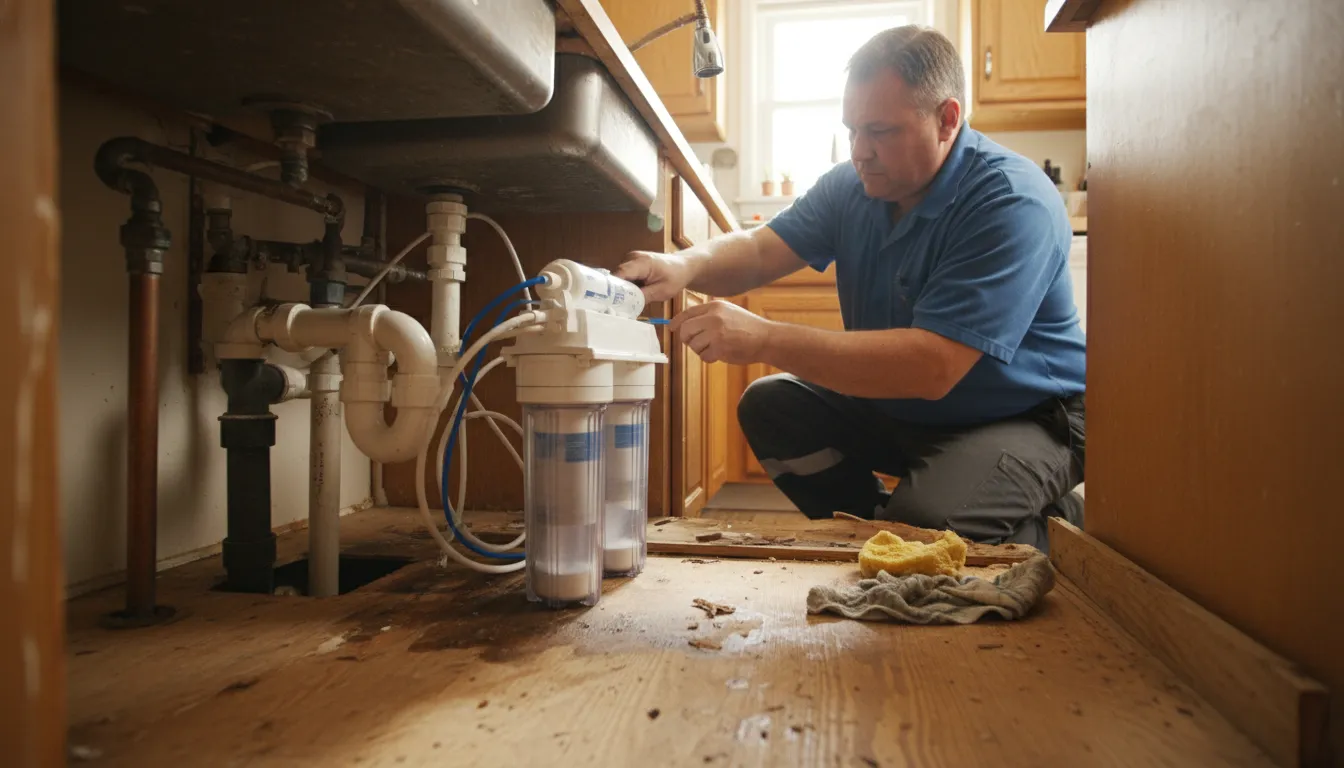
Find the Best Water Treatment Installation Companies for Your Business
No obligation • Fast responses • Nationwide coverage

Why you can trust Search a Plumber
Search a Plumber is a leading United States resource for finding and evaluating professional plumbing services. Our team researches licensing, experience, and customer feedback to create unbiased, fact-driven overviews. Companies cannot pay to change ratings or placement, ensuring homeowners get trustworthy information.
Search providers near you
Top Water Treatment Installation Companies in Akron, Ohio Ranked
Living in Akron means dealing with some of the hardest water in the country. This common local issue leads to frustrating problems like stubborn mineral scale on fixtures, spotty dishes, dry skin, and reduced efficiency of water-using appliances. A professionally installed water treatment system is the definitive solution, transforming your home's water from a source of maintenance headaches into a clean, soft, and reliable resource. This guide will help you understand your options for water conditioning and purification, the installation process, and what to consider when looking for a qualified specialist to improve your home's water quality.
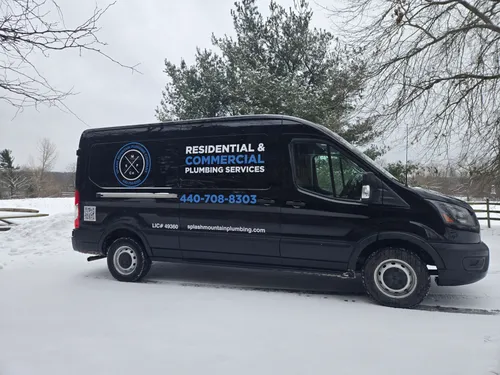
Splash Mountain Plumbing Company
10180 Queens Way Unit 1, Chagrin Falls, OH 44023
Splash Mountain Plumbing Company provides residential and commercial plumbing services in Cleveland, OH. They handle inspections, repairs, maintenance, and installations for a wide range of plumbing needs including water heater repair and installation, tankless water heaters, water softeners, sump pumps, drain cleaning, leak detection, repiping, and toilet repair. The company also offers well water testing, backflow testing, and services related to water treatment and filtration systems. Splash Mountain Plumbing Company serves multiple counties around Cleveland and emphasizes clear communication and upfront pricing before starting any work.
Roto-Rooter Plumbing & Water Cleanup
2085 W 114th St, Cleveland, OH 44102
Roto-Rooter Plumbing & Water Cleanup is a plumbing service provider based in Cleveland, OH. They offer a wide range of plumbing services including sewer camera inspections, water heater repairs and installations, drain cleaning, hydro jetting, sewer line repair, trenchless sewer repair, leak detection, and water softener installation. Their team uses advanced equipment like video camera inspections and hydro-jetting to diagnose and clear plumbing issues efficiently. Roto-Rooter serves Cleveland and nearby areas such as Parma, Lakewood, and Rocky River. They provide 24/7 emergency plumbing services to address urgent plumbing problems at any time.
J&J Plumbing Heating Cooling & Electric
20600 MIles Pkwy, Warrensville Heights, OH 44128
J&J Plumbing Heating Cooling & Electric serves Cleveland, OH, offering a wide range of plumbing, heating, cooling, and electrical services. Following the merger with VIP Plumbing, which was founded in 1995, J&J expanded its plumbing expertise to include water heater installation and repair, tankless water heaters, water softener installation, drain cleaning, backflow prevention, and water treatment. The combined company provides comprehensive solutions for residential and commercial properties, backed by over 20 years of plumbing experience and a commitment to quality and integrity.

Sal's Heating & Cooling, Plumbing & Sewer
11701 Royalton Rd, North Royalton, OH 44133
Sal's Heating & Cooling, Plumbing & Sewer provides comprehensive HVAC and plumbing services in Cleveland, OH. Serving both residential and commercial clients, they specialize in water heater installation and repair, sewer line inspection and repair, drain cleaning, hydro jetting, sump pump maintenance, gas line installation, and leak detection. Established in 1975, the company brings decades of experience to managing the unique challenges of older homes and the region's climate. They offer 24/7 emergency repairs to address urgent heating and plumbing issues any time of day or night.
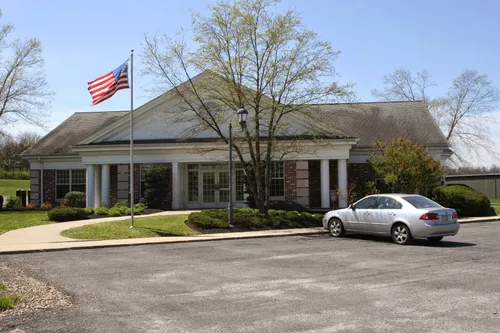
Kinetico Water Systems – Cleveland
11015 Kinsman Rd, Newbury Township, OH 44065
Kinetico Water Systems - Cleveland provides water softener installation and plumbing services in Cleveland, OH. They focus on improving water quality by addressing contaminants that affect taste, health, and home plumbing. Kinetico systems are American made and designed for efficient, non-electric operation with on-demand regeneration to save water and salt. With over 40 years of experience, Kinetico offers durable water treatment solutions backed by some of the longest warranties in the industry.
Understanding Akron's Hard Water Challenge
The core of Akron's water quality issue is its extreme hardness. Hard water contains high levels of dissolved minerals, primarily calcium and magnesium, which it picks up as it moves through soil and rock. In Akron, these levels are exceptionally high.
- Extreme Hardness Levels: Akron's municipal water supply averages around 24.9 grains per gallon (gr/gal), which is equivalent to approximately 425 parts per million (ppm) of hardness minerals. On the standard water hardness scale, anything above 10.5 gr/gal is considered "very hard." Akron's levels are more than double that threshold, placing it firmly in the "extremely hard" category.
- The Problems Hard Water Causes: This mineral-rich water isn't just an inconvenience; it has tangible effects on your home and daily life. As hard water flows through pipes and appliances, the minerals precipitate out, forming a hard, chalky deposit called limescale or scale. This buildup can reduce water pressure, decrease the efficiency and lifespan of water heaters, dishwashers, and washing machines, and leave unsightly spots on glassware and fixtures 1. Furthermore, the minerals react with soap, preventing it from lathering effectively, which can lead to soap scum in showers, dull laundry, and that persistent feeling of dry skin and hair 2.
Water Softener vs. Water Filtration: What's the Difference?
While the terms are sometimes used interchangeably, water softening and water filtration address different aspects of water quality. For Akron homes, understanding this distinction is key to choosing the right system.
- Water Softeners (Ion Exchange): This technology is specifically designed to combat water hardness. A traditional salt-based water softener works by exchanging the calcium and magnesium ions (which cause hardness) for sodium or potassium ions through a resin bed. The result is "soft" water that no longer forms scale and allows soaps and detergents to work effectively. It's the go-to solution for Akron's primary water issue. These systems require periodic regeneration cycles, which use salt (or potassium chloride) to flush the accumulated minerals from the resin and restore its softening capacity.
- Water Filtration Systems: These systems focus on removing specific contaminants, particles, and improving taste and odor. A common type is a whole-house carbon filter, which uses activated carbon to adsorb (trap) substances like chlorine, chloramines, volatile organic compounds (VOCs), and some pesticides 3. While a carbon filter can improve the smell and taste of your water and protect appliances from certain chemicals, it does not remove the minerals that cause hardness. It is excellent for general water purification but not a substitute for a softener when dealing with Akron's extreme mineral content.
- Hybrid or Combination Systems: Many homeowners opt for a system that integrates both technologies. For example, a water softener can be paired with a dedicated carbon filter, or you can install a single unit that combines ion-exchange softening with a filtration stage. This approach provides comprehensive treatment, addressing both the extreme hardness and other potential aesthetic contaminants in your water supply.
Find the perfect water treatment installation companies for your needs
Get personalized recommendations and expert advice
Choosing the Right System for Your Akron Home
Selecting a water treatment solution isn't one-size-fits-all. The best choice depends on your home's specific water test results, your household size, and your priorities.
- Start with a Water Test: Before investing in any equipment, have your water professionally tested. While we know the general hardness is extreme, a test can quantify the exact grain-per-gallon number and check for other parameters like iron, chlorine levels, or sediment. Many local providers offer free or low-cost basic water analysis. You can also review the annual City of Akron Water Quality Report for a broad overview of the municipal supply's composition 4.
- Match the System to the Need:
- For Hardness & Scale Prevention: A salt-based ion-exchange water softener is the most effective and recommended solution for nearly every Akron home.
- For Taste, Odor, and General Contaminants: A whole-house carbon filtration system is ideal if hardness is a secondary concern but you want to remove chlorine and improve overall water quality.
- For Complete Treatment: A hybrid system that softens and filters is the premium choice for addressing all common Akron water concerns in one integrated unit.
- Size it Correctly: System size is based on your household's daily water usage and the hardness level. An undersized softener will exhaust its capacity too quickly, while an oversized one is inefficient. A professional can calculate the proper grain capacity needed to handle your family's demand between regeneration cycles 5.
Professional Installation: What to Expect
Proper installation is critical for the performance, efficiency, and warranty of your water treatment system. It's a job best left to licensed professionals familiar with local plumbing codes.
- The Process: Installation typically involves connecting the treatment unit to your home's main water line, usually where it enters the house in the basement, crawlspace, or utility room 6. This ensures all the water flowing to your faucets, showers, and appliances is treated. The installer will also set up a drain line for the softener's regeneration cycle and, for salt-based systems, a location for the brine tank. A professional installation for a standard system can often be completed within a few hours.
- Why Professional Installation Matters: A certified technician ensures there are no leaks, that the system is programmed correctly for your water hardness and usage patterns, and that all electrical connections (for control valves) are safe. They will also walk you through the basic operation and maintenance procedures.
Costs and Ongoing Maintenance
Investing in a water treatment system involves an upfront cost for equipment and installation, followed by simple but essential ongoing maintenance.
- System Costs: For a quality water softener system installed in an Akron home, you can expect a price range generally between $1,800 and $6,500, depending on the system's capacity, brand, and complexity of the installation 7 8. Some companies also offer rental or lease options, which may have monthly fees in the range of $25 to $100, often including maintenance and salt delivery 7 9.
- Essential Maintenance:
- For Water Softeners: The primary task is keeping the brine tank stocked with salt (or potassium chloride). How often you add salt depends on your water usage and hardness, but it's typically a monthly chore. The system will automatically run regeneration cycles based on its settings.
- For Carbon Filters: The filter media has a finite lifespan and must be replaced periodically-usually every 6 to 12 months for whole-house units, or as indicated by a pressure gauge or scheduled reminder.
Finding Local Water Treatment Expertise
When seeking a provider in the Akron area, look for established companies with specific experience in water analysis and treatment system installation. Reputable providers will offer a consultation, perform or review a water test, explain your options without high-pressure sales tactics, provide a detailed written estimate, and have positive local reviews. They should be knowledgeable about the specific challenges posed by Akron's water supply.
Frequently asked questions
Sources
Footnotes
-
Understanding Water Softener Installation and Its Benefits - https://tridentcleanwater.com/blog/understanding-water-softener-installation-and-its-benefits/ ↩
-
Akron Water Quality Report: Hardness Issues & 8 Health Concerns - https://www.softprowatersystems.com/pages/akron-ohio-water-quality-report-hardness-contaminants-health-concerns ↩
-
Water Filter vs Water Softener: What's the Difference | APEC - https://www.apecwater.com/blogs/contaminants-facts/water-softening-vs-water-filtration ↩
-
Water Softener Installation | Culligan Akron/Canton - https://culliganakroncanton.com/products/water-softener ↩
-
How to Choose a Water Softener for Your Home | Step-by-Step Guide - https://homewater101.com/articles/find-water-softening-solution ↩
-
How to Install a Whole-House Water Filter | Ask This Old House - https://www.youtube.com/watch?v=QLm89HA4EFU ↩
-
Water Treatment in Akron, OH - BlindandSons.com - https://www.blindandsons.com/plumbing/water-treatment ↩ ↩2
-
2025 Culligan Water Softener Costs: Price by System & Type - Modernize - https://modernize.com/water-treatment/culligan-cost/water-softener ↩
-
Water Softener - 5 Recharge / Regeneration Stages - https://products.geappliances.com/appliance/gea-support-search-content?contentId=21020 ↩