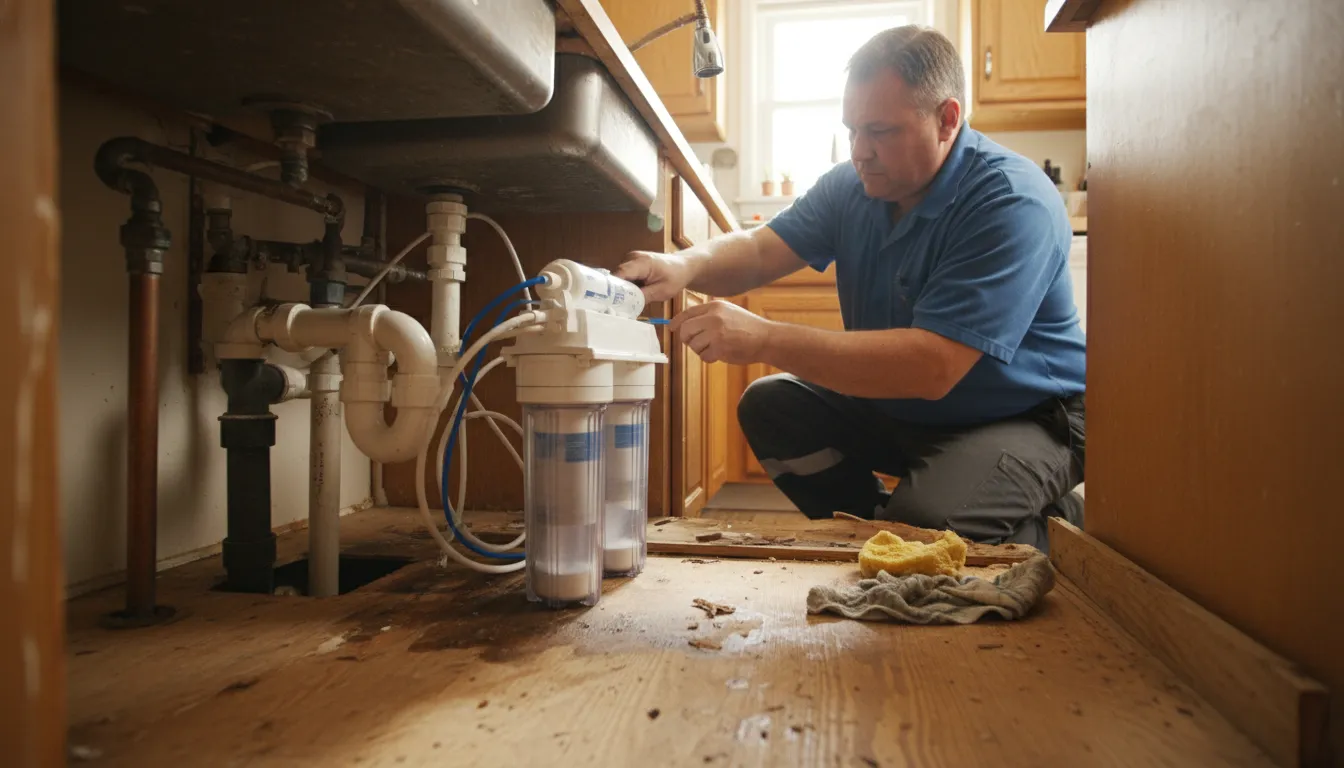
Find the Best Water Treatment Installation Companies for Your Business
No obligation • Fast responses • Nationwide coverage

Why you can trust Search a Plumber
Search a Plumber is a leading United States resource for finding and evaluating professional plumbing services. Our team researches licensing, experience, and customer feedback to create unbiased, fact-driven overviews. Companies cannot pay to change ratings or placement, ensuring homeowners get trustworthy information.
Search providers near you
Top Water Treatment Installation Companies in Camden, New Jersey Ranked
Improving your home's water quality with a water softener or filtration system can protect your plumbing, enhance your water's taste, and extend the life of your appliances. For residents of Camden, understanding local water conditions is the first step toward selecting the right treatment solution. This guide explains the common water issues in the area, the types of systems available, and how to connect with local professionals who can test your water and recommend a tailored installation.
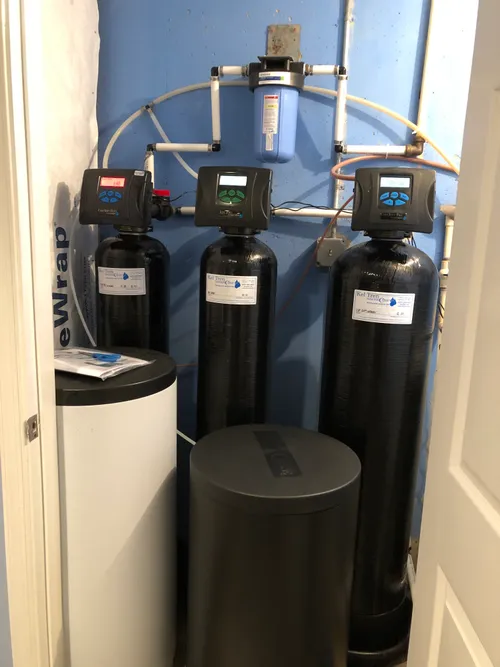
Trident Water Treatment
1055 W Germantown Pike, East Norriton Township, PA 19403
Trident Water Treatment provides water softener installation and plumbing services in Philadelphia, PA. They offer expert water assessments to determine the best water softener size and type for each home, considering factors like household size and water needs. Their services include installing both salt-based and salt-free water softeners, which help reduce hard water issues such as mineral buildup, dry skin, and plumbing clogs. Trident Water Treatment assists customers in choosing the right system for their home to improve water quality and plumbing performance.
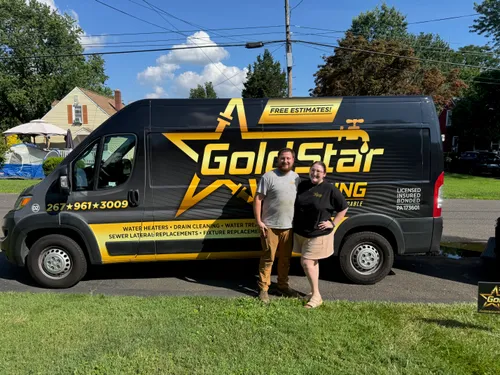
Gold Star Plumbing, LLC
Philadelphia, PA
Gold Star Plumbing, LLC is a family-owned plumbing company serving Philadelphia, PA, and the surrounding Bucks and Montgomery Counties. They provide a wide range of residential plumbing services including water heater installation and repair, drain cleaning, sewer line repair, leak detection, sump pump repair, and bathroom remodeling. The team is experienced in handling mid-century plumbing upgrades and modern fixture installations with attention to local codes and seasonal needs. With over 300 families served near York Road, Jacksonville Road, and Pennypack Creek, Gold Star Plumbing emphasizes transparent pricing, clean workmanship, and respectful scheduling to minimize disruption during projects.
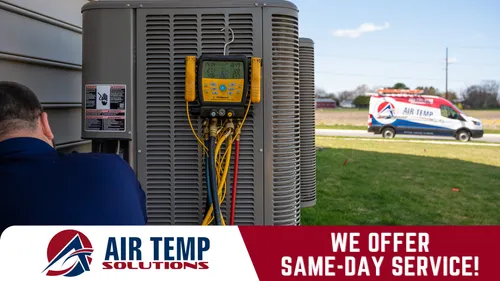
Air Temp Solutions - AC Repair, Heating Repair, Water Heater Repair & Plumbing Devon PA
Philadelphia, PA
Air Temp Solutions - AC Repair, Heating Repair, Water Heater Repair & Plumbing Devon PA provides a wide range of plumbing and HVAC services in Philadelphia, PA. Their offerings include water heater installation and repair, tankless water heater services, water softener installation, sump pump repair, drain cleaning, hydro jetting, sewer line repair including trenchless methods, leak detection, repiping, gas line installation, and toilet repair. They also specialize in advanced sewer services such as video inspections and rooter services to diagnose and clear blockages efficiently. The company serves Philadelphia and nearby areas with comprehensive solutions for both routine maintenance and emergency repairs. Air Temp Solutions combines plumbing expertise with heating and cooling services, handling everything from furnace and boiler repairs to geothermal and mini-split system installations. Their team uses modern technology for leak detection and sewer inspections, and they offer trenchless sewer repairs that minimize property disruption. While the business history is not specified, their service range and technical capabilities reflect a broad skill set in residential plumbing and HVAC systems.
MVP Plumbing Repair, Water Filtration & Softeners
3703 West Chester Pike, Newtown Square, PA 19073
MVP Plumbing Repair, Water Filtration & Softeners is a plumbing company serving Philadelphia, PA, and nearby areas including Delaware, Montgomery, and Chester Counties. They provide a range of plumbing services such as water heater repair and installation, water softener installation, drain cleaning, leak detection, repiping, and toilet repair. The company also specializes in installing whole-home water filtration systems tailored to specific water quality needs. MVP Plumbing emphasizes personalized service and clear communication, offering upfront pricing and detailed explanations of plumbing issues and solutions. They have experience installing many systems in the local area and focus on delivering solutions that fit individual needs and budgets.
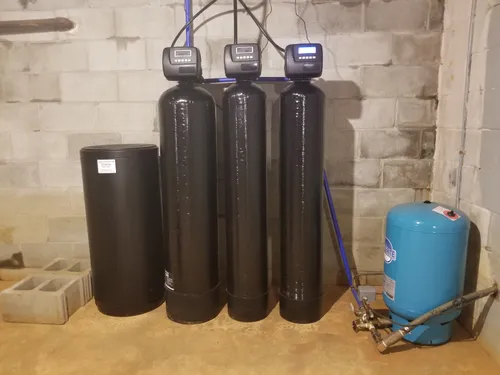
All Safewater Technologies
1404 US-206, Tabernacle, NJ 08088
All Safewater Technologies is a privately owned water treatment company serving Philadelphia, PA, and surrounding areas in southern New Jersey. With over 23 years of experience, they specialize in water softener installation and plumbing services, focusing on ensuring safe water for residential and commercial clients. Their expertise includes testing and servicing water treatment equipment to address contaminants such as PFAS and lead, particularly for homes with well water. The company emphasizes water safety and quality through thorough analysis and maintenance of water systems.
Understanding Camden's Water Quality
The quality of water entering your home in Camden is the primary factor in determining what kind of treatment you might need. While public water suppliers like New Jersey American Water must meet federal safety standards, many homeowners choose additional treatment to address aesthetic concerns and protect their home's infrastructure 1.
Common Contaminants and Hardness Issues
South Jersey water, including that supplied to Camden, is often characterized by its mineral content. The two most prevalent issues are:
- Water Hardness: This is caused by dissolved minerals like calcium and magnesium. Hard water is extremely common in the region and is responsible for the white, chalky scale you see on showerheads, inside kettles, and around faucets 2. Over time, this scale buildup can reduce water flow, decrease the efficiency and lifespan of water heaters and appliances, and leave spots on dishes and glassware.
- Iron and Manganese: These minerals can give water a metallic taste, cause reddish-brown staining on fixtures and laundry, and promote bacterial growth in plumbing. While often present in well water, they can also be found in municipal supplies.
Beyond minerals, municipal water treatment involves disinfectants like chlorine, which can affect taste and odor. While safe for consumption, some homeowners prefer to remove it. There is also the potential for trace levels of other contaminants, such as lead from older service lines or copper from household plumbing, which a targeted filtration system can address.
Types of Water Treatment Systems
Choosing the right system depends entirely on the specific problems you want to solve. The main categories of water treatment for homes are softening, filtration, and purification.
Water Softeners (Ion Exchange Systems)
This is the most effective solution specifically for hard water. A traditional water softener uses a process called ion exchange, where beads in a mineral tank swap hardness ions (calcium and magnesium) for sodium or potassium ions 3. The result is "soft" water that prevents scale, makes soap lather more easily, and keeps skin and hair from feeling dry. These systems require periodic replenishment with salt (or potassium chloride) pellets and are typically installed to treat all the water entering your home.
Whole-House Water Filtration Systems
A whole-home filter is designed to improve water quality for every tap in your house. These systems often use a combination of sediment filters (to remove sand and silt) and activated carbon filters (to reduce chlorine, bad tastes, odors, and some organic chemicals). Some advanced whole-house systems can also target iron and manganese. They are an excellent choice for improving overall water aesthetics without adding sodium, as softeners do.
Point-of-Use Systems: Reverse Osmosis and More
For the highest purity at a specific tap, typically the kitchen sink, a reverse osmosis (RO) system is the gold standard. An RO system forces water through a semi-permeable membrane, removing up to 99% of dissolved solids, including minerals, lead, arsenic, and many other contaminants 4. These are often installed under the sink and include a separate faucet for drinking and cooking water. Carbon filters on refrigerators or in pitcher form are other common point-of-use options.
Alternative and Specialized Systems
- Salt-Free Conditioners: These systems don't remove hardness minerals but alter their structure to prevent them from sticking to surfaces as scale. They are a popular alternative for those wanting to avoid salt and are often paired with filters for other contaminants.
- Iron & Odor Filters: Specifically designed to remove high concentrations of iron, hydrogen sulfide (rotten egg smell), and manganese, these are crucial for homes with well water or specific municipal water challenges.
Find the perfect water treatment installation companies for your needs
Get personalized recommendations and expert advice
The Professional Installation Process
Installing a water treatment system is not a typical DIY project. It involves plumbing into your main water line, which requires knowledge of local codes and proper techniques to ensure a leak-free and effective setup. Here's what you can expect when working with a professional.
Step 1: Comprehensive Water Testing
The first and most critical step is a professional water test. A qualified technician will test your water for key parameters like hardness level (measured in grains per gallon), iron content, pH, total dissolved solids (TDS), and more 5. This diagnostic is essential-you cannot properly solve a problem you haven't identified. Many local providers offer this testing as a complimentary service.
Step 2: System Recommendation and Sizing
Based on the test results, the professional will recommend the type and size of system your home needs. Sizing a water softener, for example, depends on your water's hardness level and your household's daily water usage. An undersized unit will run out of capacity too quickly, while an oversized one is an unnecessary expense. They will explain the pros and cons of different technologies (softener vs. filter, whole-home vs. under-sink) for your specific situation.
Step 3: Professional Installation
Once you select a system, a licensed technician will handle the installation. This typically involves:
- Shutting off the main water supply and draining the pipes.
- Identifying the best location, usually near the water heater or where the main line enters the house.
- Cutting into the main water line and installing the system with the proper bypass valves and fittings.
- Connecting the drain line for system regeneration (for softeners and some filters) and, if needed, an electrical outlet for digital control valves.
- Thoroughly testing the system for leaks and programming the control valve based on your water test results.
Step 4: Ongoing Service and Maintenance
All water treatment systems require maintenance to function correctly. For a salt-based softener, this means keeping the brine tank filled with salt pellets. For filtration systems, it involves changing sediment and carbon filters according to the manufacturer's schedule 6. Many local companies offer convenient maintenance plans to handle these tasks for you, ensuring your system performs optimally for years.
Cost Considerations for Water Treatment
Investing in a water treatment system involves upfront equipment and installation costs, plus ongoing expenses for upkeep. Prices can vary widely based on the system's complexity, capacity, and brand.
- Equipment Costs: A basic under-sink filter can start around $500, while a whole-house water softener or advanced filtration system typically ranges from $1,500 to $5,000 or more for premium models with high capacity and advanced features.
- Installation Labor: Professional installation can add between $300 and $1,500 to the total cost, depending on the complexity of the plumbing work and the location of the installation 7.
- Annual Maintenance: Budget approximately $100 to $300 per year for salt if you have a softener. Filter changes for whole-house or reverse osmosis systems can cost between $150 and $900 annually, depending on the type and number of filters 8.
Finding Local Expertise in Camden County
For a project this important, working with an experienced local provider is key. Companies familiar with Camden County's water profile can offer the most relevant solutions. Reputable local experts often include providers like Hague Quality Water, Robbins Water Service, Water Resources of NJ, Delta Water Solutions, and Culligan, among others 9 10 11 12. These professionals have the knowledge to interpret your water test, recommend the right equipment, and provide reliable installation and service.
Frequently asked questions
Sources
Footnotes
-
Water Quality FAQs - American Water - https://amwater.com/njaw/water-quality/water-quality-faqs ↩
-
The Perfect Guide to Water Softeners & Preventing Hard Water in NJ - https://www.waterflowplumbingllc.com/blog/the-perfect-guide-to-luxury-water-softeners-preventing-hard-water-in-new-jersey ↩
-
Water Softener vs. Water Filter - https://www.culligan.com/blog/water-softening-vs-water-filtration ↩
-
What is a reverse osmosis system and how does it work? - Culligan Water - https://www.culliganwater.com/blog/what-is-a-reverse-osmosis-system-and-how-does-it-work ↩
-
Installing a Water Softener: What To Expect - Culligan - https://www.culligan.com/blog/what-to-expect-at-your-culligan-water-softener-installation ↩
-
FAQs - Culligan Water - https://www.culliganwater.com/resources/faqs ↩
-
Water Softener Installation Cost Breakdown Jan, 2026 - https://www.softprowatersystems.com/pages/cost-breakdown-water-softener-installation ↩
-
2026 Water Softener Costs by Capacity, Size, Type & More - https://modernize.com/water-treatment/types/water-softener-installation-cost ↩
-
South Jersey Water Filter Softener Systems | Robbins Water Service - https://www.robbinswaterservice.com/south-jersey-water-treatment.html ↩
-
Water Softener & Filtration Installers in New Jersey - https://www.haguewater.com/find-a-dealer/new-jersey.html ↩
-
New Jersey Water Softening and Filtration - https://www.delta-water-solutions.com/ ↩
-
Residential Water Treatment | Camden County | 609-268-7965 - https://waterresourcesnj.com/residential-water-treatment-in-camden-county/ ↩