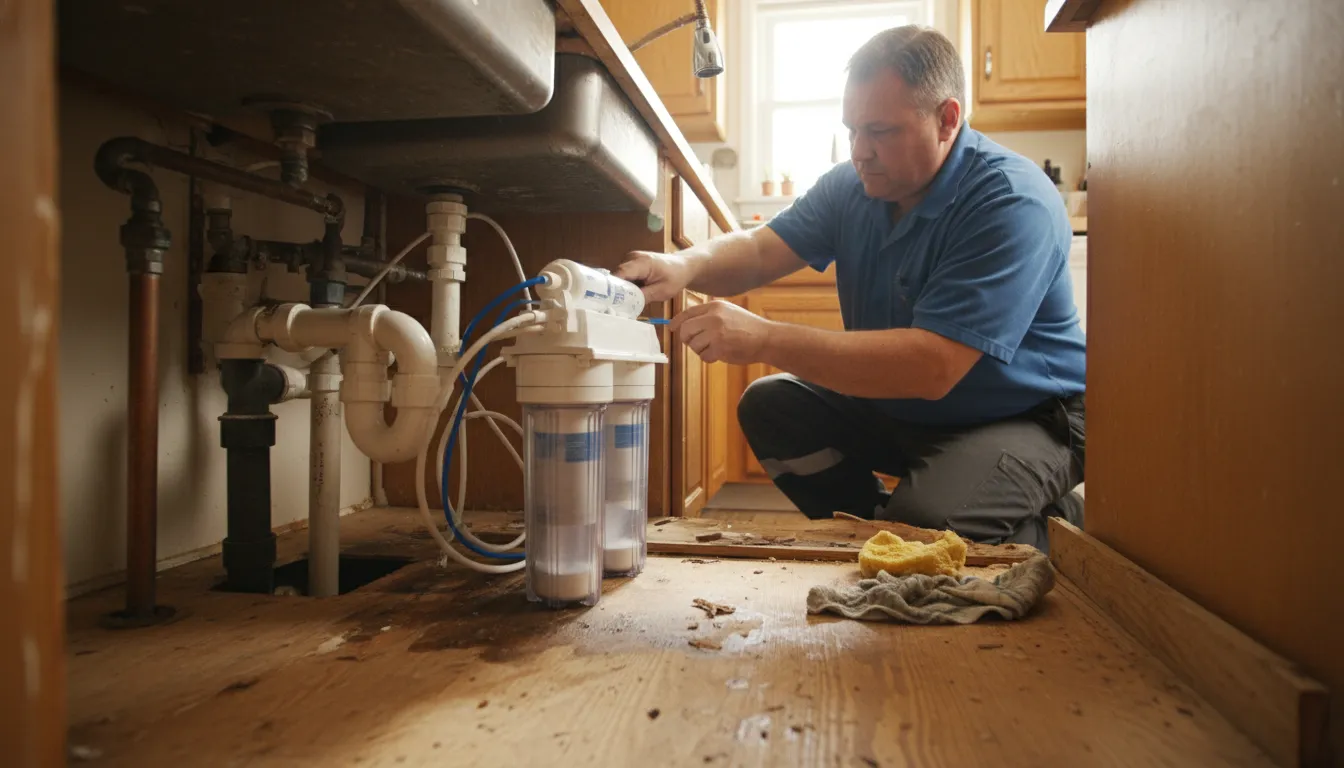
Find the Best Water Treatment Installation Companies for Your Business
No obligation • Fast responses • Nationwide coverage

Why you can trust Search a Plumber
Search a Plumber is a leading United States resource for finding and evaluating professional plumbing services. Our team researches licensing, experience, and customer feedback to create unbiased, fact-driven overviews. Companies cannot pay to change ratings or placement, ensuring homeowners get trustworthy information.
Search providers near you
Top Water Treatment Installation Companies in Peachtree Corners, Georgia Ranked
Living in Peachtree Corners means enjoying a vibrant community, but it also means dealing with the specific characteristics of your home's water supply. While the municipal water meets safety standards, many residents seek solutions for common issues like scale buildup, chlorine taste, or concerns about residual metals. Water treatment systems, including water softeners and whole-house filters, are popular home upgrades to address these concerns. This guide explains the local water quality, the types of systems that work best here, and what you can expect from the professional installation process, helping you make an informed decision for your home.
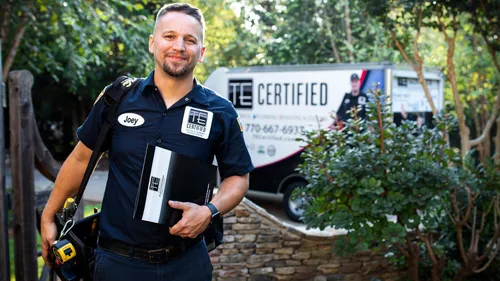
TE Certified, Electrical, Plumbing, Heating & Cooling
98 Patterson Rd SW, Lawrenceville, GA 30044
TE Certified, Electrical, Plumbing, Heating & Cooling provides comprehensive electrical, plumbing, and HVAC services in Atlanta, GA. Their licensed technicians handle water softener installation, drain cleaning, sewer line repair, leak detection, and garbage disposal repair, among other services. The company is known for installing and repairing electrical systems, air conditioning units, and plumbing infrastructure, with capabilities including slab leak detection and sewer line repairs. Serving the greater Atlanta area, TE Certified has built a reputation supported by thousands of positive reviews and holds multiple licenses and certifications. They offer same-day service and provide a lifetime warranty on products and services.
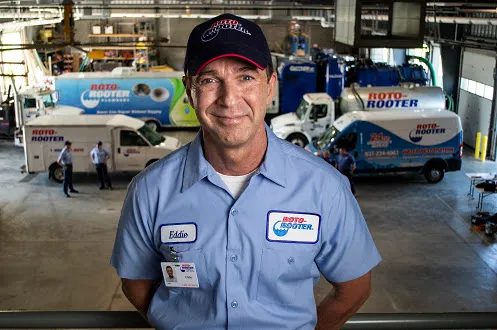
Roto-Rooter Plumbing & Water Cleanup
3606 McCall Pl, Doraville, GA 30340
Roto-Rooter Plumbing & Water Cleanup provides a wide range of plumbing services in Atlanta, GA, including sewer camera inspections, water heater repairs and installations, drain cleaning, hydro jetting, sewer line repair, trenchless sewer repair, leak detection, and water softener installation. They offer 24/7 emergency plumbing services with same-day response to address urgent plumbing issues. Their capabilities include video camera inspections for sewer lines and the use of trenchless repair methods to minimize disruption during sewer line repairs. Serving the Atlanta area, Roto-Rooter also installs and services various water softener and filtration systems to improve water quality. The company is fully licensed and insured, offering continuous availability throughout the year.

Honeycomb Plumbing
Atlanta, GA
Honeycomb Plumbing is a residential plumbing company serving Atlanta, GA, and surrounding counties including Cobb, Fulton, Dekalb, and Gwinnett. Founded this year, the company brings a decade of expertise to a wide range of plumbing services such as water heater installation and maintenance, drain cleaning with camera inspections, water softener and filtration system installation, sump pump repairs, gas line installation, and full repiping projects. They offer 24/7 emergency plumbing services to address urgent issues and prevent property damage.
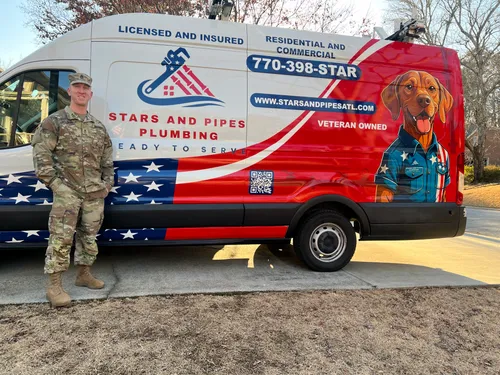
Stars and Pipes Plumbing Atlanta
1014 Parkview Way SW, Lilburn, GA 30047
Stars and Pipes Plumbing Atlanta is a veteran-owned, family-operated plumbing company serving Atlanta, GA, and surrounding counties including Gwinnett, Fulton, and DeKalb. They provide a range of plumbing services such as sewer camera inspections, water heater repair and installation, water softener installation, drain cleaning, hydro jetting, sewer line repair, and gas line installation. Their licensed plumbers use advanced equipment like hydro-jetting and video inspection to diagnose and resolve drainage issues efficiently. With over 10 years of experience, Stars and Pipes Plumbing Atlanta offers certified gas line installations that meet local safety standards and codes.
Estes Services
3981 Tradeport Blvd, Atlanta, GA 30354
Estes Services is a family-owned company based in Atlanta, GA, providing plumbing, HVAC, and electrical services. They offer water heater repair and installation, water softener installation, drain cleaning, sewer line repair, and leak detection among their plumbing services. With over 75 years of experience serving the greater Atlanta area, Estes Services combines expertise with a long-standing local presence. Their certified technicians handle a wide range of plumbing needs, including water heater installations and sewer line repairs, ensuring homes and businesses maintain efficient water systems.
Understanding Peachtree Corners Water Quality
The first step in choosing a water treatment solution is understanding what's in your water. The public water supply in Peachtree Corners is regulated and considered safe to drink according to EPA standards. However, "safe" doesn't always mean "ideal" for your appliances, skin, hair, or personal taste preferences.
The primary characteristic of local water is its moderate hardness. Measurements indicate an average hardness level around 1.3 Grains Per Gallon (GPG), or 21.9 parts per million (ppm) 1 2. While not extremely hard, this level can still lead to gradual scale buildup inside pipes, water heaters, and on fixtures like showerheads and faucets. This scale reduces appliance efficiency and can lead to higher energy bills and more frequent repairs.
Beyond hardness, some residents opt for filtration to improve aesthetic qualities. Common reasons include removing the taste and smell of chlorine (used as a disinfectant), reducing sediment, or addressing trace levels of metals like lead or copper that can leach from older household plumbing 3. A professional water test is the best way to confirm your home's specific hardness level and identify any other contaminants you may wish to target.
Water Softeners vs. Water Filters: What's the Difference?
It's common to hear the terms "water softener" and "water filter" used interchangeably, but they serve distinct primary functions. Knowing the difference is key to selecting the right system for your Peachtree Corners home.
Water Softeners are specifically designed to combat water hardness. They work through a process called ion exchange, where calcium and magnesium ions (the minerals that cause hardness) are swapped for sodium or potassium ions. The result is "soft" water that prevents scale, makes soap lather more easily, and can leave skin and hair feeling less dry. For a home with a hardness level like Peachtree Corners', a softener can be a proactive investment in your plumbing system's longevity.
Water Filtration Systems, on the other hand, are designed to remove specific contaminants and particles. These can include chlorine, sediment, volatile organic compounds (VOCs), and heavy metals. Filters use various media, such as activated carbon or sediment blocks, to trap or neutralize these substances, improving taste, odor, and overall water purity. They do not, however, remove the minerals that cause hardness.
Many homes benefit from a combination approach, using both a filter and a softener to address a wider range of water quality issues.
Choosing the Right System for Your Home
Given Peachtree Corners' water profile, most homeowners choose from a few effective configurations. The right choice depends on your primary goals: fighting scale, improving taste, or both.
1. Salt-Based Ion Exchange Water Softener
This is the most common and effective technology for eliminating hardness. It's an excellent standalone choice if your main concern is preventing scale on appliances and fixtures. These systems require periodic replenishment with salt pellets and produce a small amount of wastewater during the regeneration cycle.
2. Salt-Free Water Conditioner
Often called "descalers" or "template-assisted crystallization (TAC)" systems, these units don't remove hardness minerals but alter their structure so they don't stick to surfaces. They are a popular alternative for those who want to reduce scale without adding sodium to the water or dealing with salt bags. They are typically maintenance-free but may be less effective on very hard water.
3. Whole-House Water Filtration System
A whole-home filter, often using a sediment pre-filter and a large activated carbon tank, is installed where the main water line enters your house. It provides filtered water to every tap, addressing chlorine taste, odor, and specific contaminants like sediment or VOCs. This is a great solution if taste is your chief complaint.
4. Combination System: Filter + Softener
This is a highly effective and popular setup for comprehensive water treatment. In this configuration, a whole-house sediment and carbon filter is installed first to remove chlorine, sediment, and other contaminants. The filtered water then flows into the water softener 4. This sequence is beneficial because it protects the softener's resin beads from being fouled by chlorine or sediment, extending the softener's life and efficiency.
5. Point-of-Use Filters
For the highest purity drinking water, many homeowners add a point-of-use system, like a reverse osmosis (RO) filter, under the kitchen sink. An RO system can remove up to 99% of contaminants, including the sodium added by a salt-based softener, providing exceptionally clean water for cooking and drinking.
Find the perfect water treatment installation companies for your needs
Get personalized recommendations and expert advice
The Professional Installation Process
Installing a whole-house water treatment system is not a typical DIY project. It involves working with your main water line and requires knowledge of local plumbing codes. Here's what you can expect when you work with a professional.
- Professional Water Analysis: A reputable installer will often begin with a water test, either using a simple test strip or sending a sample to a lab. This confirms the hardness level and checks for other factors that could influence system selection.
- System Sizing and Selection: Based on your water test results and your household's daily water usage, the professional will recommend a correctly sized system. An undersized softener will exhaust its capacity too quickly, while an oversized one is inefficient.
- Installation Day: The installer will locate your main water shut-off and identify the best location for the system, typically in a garage, basement, or utility room. They will cut into the main water line, install bypass valves for future maintenance, and connect the control head and tanks. For a combination system, they will plumb the filter and softener in the correct sequence.
- Setup and Orientation: Once installed, the system will be programmed based on your water hardness and household size. The installer should walk you through the basic operation, explain the maintenance schedule (like adding salt or changing filters), and show you how to use the bypass valve.
Cost Considerations for Water Treatment
Investing in a water treatment system involves upfront equipment and installation costs, plus ongoing maintenance expenses. Costs in Peachtree Corners can vary based on system type, brand, capacity, and installation complexity.
- Equipment Costs: A quality whole-house water softener typically ranges from $1,000 to $2,500. Whole-house filtration systems can range from $800 to $3,000. Combination systems naturally fall at the higher end of this spectrum, often between $2,000 and $4,000 or more for high-capacity, premium brands 5.
- Installation Costs: Professional installation by a licensed plumber generally adds between $500 and $1,500 to the total project cost. This fee covers labor, materials (like piping and fittings), and ensuring the system is up to code.
- Ongoing Maintenance: All systems require upkeep. For salt-based softeners, this means purchasing salt pellets (approximately $10-$20 per bag, used every few months). For filtration systems, you'll need to replace sediment and carbon filters annually or bi-annually, which can cost $50 to $150 per year 6 7. Salt-free conditioners and some filters may have less frequent media replacement schedules.
Maintaining Your System
To ensure your investment lasts and performs optimally, regular maintenance is essential. For a salt-based softener, check the salt level in the brine tank monthly and top it off as needed, keeping it at least half full. Ensure the area around the softener is clean and dry to prevent salt from clumping. For filtration systems, mark your calendar for filter change dates based on the manufacturer's recommendations and your household water usage. An annual check-up by a professional can help catch minor issues before they become major problems, verify system settings, and ensure everything is functioning correctly 8 9.
Frequently asked questions
Sources
Footnotes
-
Real Time Water Quality in Peachtree Corners, Georgia - TDSBot - https://watertds.com/real-time-water-quality/us/georgia/peachtree-corners/ ↩
-
Local Peachtree Corners Water Quality Guide - HomeWater - https://www.homewater.com/water-quality/peachtree-corners-ga ↩
-
Peachtree Corners Tap Water Quality: Safe to Drink? 2025 Report - https://www.tapwaterdata.com/ga/peachtree-corners ↩
-
Water Softener Vs. Water Filter - Aquasana - https://www.aquasana.com/info/high-quality-water-filter-vs-water-softener-pd.html ↩
-
Best Water Softener Systems of 2026 - Water Filter Guru - https://waterfilterguru.com/best-water-softener-reviews/ ↩
-
Water Softener vs. Water Filter - https://www.culligan.com/blog/water-softening-vs-water-filtration ↩
-
Best Whole House Water Filter: Top 6 Systems of 2025 - QWL - https://qualitywaterlab.com/whole-house/ ↩
-
Home Water Softening Frequently Asked Questions - MN Dept. of Health - https://www.health.state.mn.us/communities/environment/water/factsheet/softening.html ↩
-
Purchasing and Maintaining A Water Softener | Department of Energy - https://www.energy.gov/energysaver/purchasing-and-maintaining-water-softener ↩