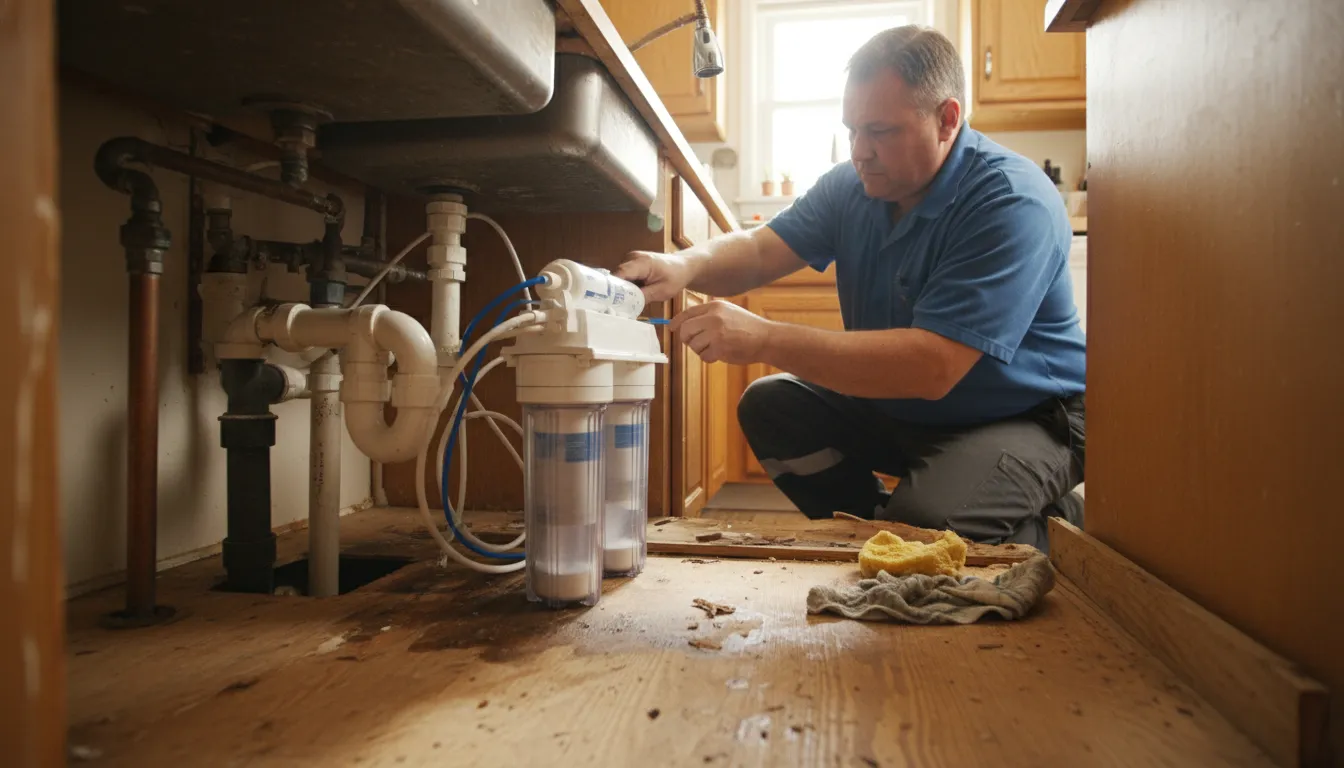
Find the Best Water Treatment Installation Companies for Your Business
No obligation • Fast responses • Nationwide coverage

Why you can trust Search a Plumber
Search a Plumber is a leading United States resource for finding and evaluating professional plumbing services. Our team researches licensing, experience, and customer feedback to create unbiased, fact-driven overviews. Companies cannot pay to change ratings or placement, ensuring homeowners get trustworthy information.
Search providers near you
Top Water Treatment Installation Companies in Arvada, Colorado Ranked
Living in Arvada means enjoying beautiful mountain views and a vibrant community, but it also means dealing with the unique characteristics of our local water supply. While safe to drink, Arvada's water can have issues with mineral content, taste, and odor that affect your home's plumbing, appliances, and even your skin and hair. Investing in a water treatment system is a proactive step to protect your home, improve your water's quality, and enhance your daily life. This guide will help you understand your local water profile, the types of systems available, and how to find the right local professional to assess your needs and provide a tailored solution.
High 5 Plumbing, Heating, Cooling & Electric
15710 W Colfax Ave, Golden, CO 80401
High 5 Plumbing, Heating, Cooling & Electric is a full-service plumbing company serving Denver, CO. They provide a wide range of plumbing services including water heater installation and repair, drain cleaning, sewer line repair, leak detection, and gas line installation. The company uses advanced video technology for sewer camera inspections and offers trenchless sewer repair to minimize excavation. They also specialize in hydro jetting to clear blocked drains efficiently. High 5 Plumbing is licensed for gas plumbing and installs energy-efficient tankless water heaters. The company has received recognition such as the Angi Super Service Award and a BBB Torch Award for Ethics. They provide 24/7 emergency response for urgent plumbing needs.
Aquakleen Colorado *****
8461 Turnpike Dr #100, Westminster, CO 80031
Aquakleen Colorado ***** provides water softener installation and plumbing services in Denver, CO. They specialize in water treatment systems that refine, soften, neutralize, clarify, and filter water before it enters homes. This process improves water quality by removing minerals and contaminants such as calcium, magnesium, iron, pesticides, and industrial solvents. The company focuses on enhancing water for bathing, drinking, and cooking to ensure it is clean, clear, and odor-free as intended by nature.
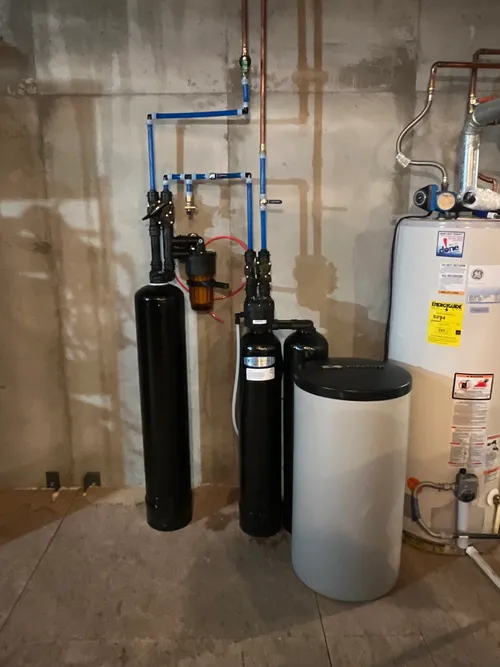
Kinetico Advanced Water Systems of Denver
2505 W 2nd Ave Unit 11, Denver, CO 80219
Kinetico Advanced Water Systems of Denver provides water treatment solutions in Denver, CO. They specialize in water softener installation, filtration, purification, and sanitization systems tailored to address specific water quality issues. Their services include maintenance and repairs for various water filtration brands, supported by scientific expertise led by an in-house Ph.D. chemist. Kinetico is known for its ion exchange water softeners and whole-home water systems, with decades of experience serving customers across multiple states. They offer industry-leading warranties and emphasize environmental stewardship in their operations.
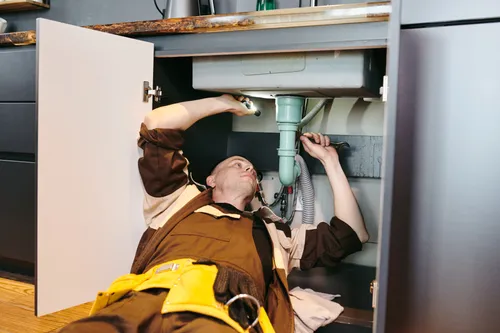
Bravo Plumbing Littleton
7917 W Peakview Dr, Littleton, CO 80123
Bravo Plumbing Littleton offers a wide range of plumbing services in Denver, CO, including water heater repair and installation, drain cleaning, leak detection, repiping, gas line installation, and toilet repair. They provide professional plumbing inspections, water filtration system installation, and emergency plumbing services available 24/7. Their licensed and experienced technicians use industry-best practices to deliver precise repairs and installations, with a focus on long-term system performance and maintenance support. Bravo Plumbing Littleton also specializes in gas line services and offers preventative maintenance to help avoid costly repairs.
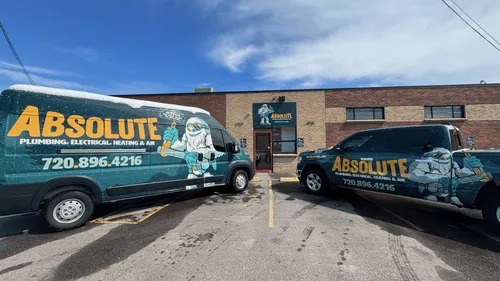
Absolute Plumbing, Electrical, Heating & Air
5590 Havana St Unit A, Denver, CO 80239
Absolute Plumbing, Electrical, Heating & Air provides a wide range of plumbing, electrical, heating, and air conditioning services in Denver, CO. Their plumbing services include sewer camera inspections, water heater repair and installation, water softener installation, sump pump repair, drain cleaning, hydro jetting, sewer line repair, leak detection, repiping, gas line installation, toilet repair, and garbage disposal repair. The company has over a decade of experience serving the Denver Metro area and offers fully stocked trucks and certified, insured technicians to handle most jobs efficiently. They emphasize honest, upfront pricing and satisfaction guaranteed.
Understanding Arvada's Water Profile
To choose the right treatment system, you first need to know what's in your water. Arvada's water supply is generally considered soft to moderately hard, but it has specific traits that homeowners should be aware of.
Moderate Hardness with Seasonal Fluctuations On average, Arvada's water measures around 5 grains per gallon (gpg), which is classified as moderately hard 1. However, this level isn't constant. During the winter months, the hardness can increase significantly. This is because water sourced from frozen mountain reservoirs can absorb more minerals like calcium and magnesium as it travels. This seasonal spike leads to increased scale buildup-that chalky, white residue you see on showerheads, faucets, and inside appliances like your water heater and dishwasher.
Common Contaminants and Aesthetic Issues While the municipal treatment process ensures water is safe from major health hazards, it doesn't remove everything that affects quality. Many Arvada homes deal with the aftereffects of treatment, primarily chlorine or chloramine, which are used as disinfectants but can impart an unpleasant chemical taste or smell. Sediment, rust particles from aging pipes, and general taste and odor issues are also common complaints that a good filtration system can address 2.
Types of Water Treatment Systems
Water treatment isn't one-size-fits-all. Different systems solve different problems. For most Arvada homes, the solution often involves a combination of technologies.
Water Softeners: Combating Hardness A water softener is specifically designed to remove the calcium and magnesium ions that cause hardness. The most common and effective type is a salt-based ion exchange system.
- How it works: It trades hardness minerals for sodium or potassium ions, resulting in "soft" water.
- Benefits: Soft water prevents scale buildup in pipes and appliances, extends their lifespan, makes soap lather more easily, and can leave skin and hair feeling less dry.
- Best for: Homes experiencing visible scale, stiff laundry, or high soap usage.
Whole-Home Water Filtration: Improving Overall Quality A whole-home filter, or point-of-entry system, is installed where the main water line enters your house. It treats all the water flowing into your home.
- How it works: These systems typically use a series of filters (sediment, carbon block, etc.) to remove chlorine, chloramines, sediments, volatile organic compounds (VOCs), and some bacteria.
- Benefits: You get cleaner, better-tasting water from every tap, shower, and appliance. It protects your plumbing fixtures and can reduce skin irritation caused by chlorine.
- Best for: Addressing chlorine taste/smell, sediment, and general water quality concerns throughout the entire house.
Combination and Point-of-Use Systems Given Arvada's water profile, a combined system-a whole-home filter paired with a water softener-is frequently the ideal setup. The filter handles chlorine and sediments, while the softener tackles hardness, providing comprehensive water treatment.
For targeted needs, point-of-use systems like under-sink reverse osmosis (RO) filters or faucet-mounted filters are excellent. An RO system is particularly effective at producing highly purified drinking water, removing a wide array of contaminants that other filters might not.
The Professional Installation Process
Installing a water treatment system is not typically a DIY project. It requires plumbing expertise to ensure proper integration with your home's water supply. Here's what a professional installation entails:
- Professional Water Analysis: The first and most critical step is a water test. A local plumber or water specialist will test your water to determine its exact hardness level and identify specific contaminants 3 4. This data-driven approach ensures the recommended system is tailored to your home's unique situation.
- System Selection and Sizing: Based on the test results and your household's water usage (number of bathrooms, occupants), the professional will recommend the type and size of system you need. An undersized system won't be effective, while an oversized one is an unnecessary expense 5.
- Installation and Integration: The plumber will install the system, usually in a basement, garage, or utility room where the main water line enters. Proper installation includes adding shut-off and bypass valves, connecting drain lines for softener regeneration, and ensuring all connections are secure and to code 6 7. For a combined system, they will sequence the filter and softener correctly for optimal performance.
Find the perfect water treatment installation companies for your needs
Get personalized recommendations and expert advice
Costs and Ongoing Maintenance
Understanding the investment, both upfront and long-term, is key to choosing a system that fits your budget.
Initial Investment The cost for a water treatment system in Arvada varies based on type, capacity, and installation complexity.
- Basic Systems: A simpler water filter or a smaller-capacity softener can start around $800 to $1,500 for equipment and installation 8.
- Advanced/Combined Systems: For whole-home filtration combined with a softening system, or for more advanced technology like reverse osmosis, costs typically range from $2,000 to $4,000 or more9 10.
Ongoing Maintenance and Operating Costs All systems require regular upkeep to function properly.
- Salt-Based Softeners: You will need to replenish the salt pellets in the brine tank, usually on a monthly or bi-monthly basis, depending on your water usage and hardness.
- Filtration Systems: Sediment and carbon filters need to be replaced every 3 to 6 months. For reverse osmosis systems, the membrane may last 2 to 3 years before replacement is needed 11.
- Long-Term Value: While salt-based systems have higher ongoing costs for salt, they are highly effective against hardness. Salt-free conditioners or template-assisted crystallization (TAC) systems have lower operating costs but may be better suited for water that is moderately hard, like Arvada's baseline levels 12. A professional can help you calculate the total cost of ownership.
Protecting Your Home and Health
The benefits of treated water extend far beyond just taste.
- Appliance Longevity: Scale buildup is a primary killer of water heaters, dishwashers, and washing machines. Softened water can significantly extend their operational life, saving you money on premature replacements and improving their efficiency.
- Plumbing System Health: Scale doesn't just coat fixtures; it accumulates inside your pipes, gradually restricting water flow and increasing pressure. Over time, this can lead to reduced water pressure and even pipe damage 13 14.
- Personal Care and Cleaning: Soft water requires less soap and detergent for cleaning and laundry. It also rinses away completely, leaving no soap scum on showers or filmy residue on dishes. Many people find it reduces skin irritation and makes hair more manageable.
Frequently asked questions
Sources
Footnotes
-
Water Hardness | Denver Water - https://www.denverwater.org/your-water/water-quality/water-hardness ↩
-
Water Hardness Colorado | Aquatell US. - https://www.aquatell.com/pages/water-hardness-colorado ↩
-
Water Treatment Arvada CO | Water Filtration System - https://mightypinehvac.com/plumbing/water-treatment/ ↩
-
Water Filtration System Installation - Arvada CO - TYCO Plumbing - https://tycoplumbingco.com/water-filtration-arvada-co/ ↩
-
Water Filtration Arvada CO Systems for Pure Home Water - https://www.servicebyveteran.com/plumbing/water-filtration-arvada-co ↩
-
Water Filtration System Installation & Repair Arvada & Broomfield CO - https://elevationplumbingandheating.com/plumbing/water-filtration ↩
-
All About Water Treatment Systems: Point of Entry Filtration - Skillings & Sons, LLC - NH, New Hampshire, MA, Massachusetts - https://skillingsandsons.squarespace.com/blog/all-about-water-treatment-systems-point-of-entry-filtration ↩
-
How to Choose the Right Water Filtration System ... - Patriot Pros - https://patriotpros.com/choosing-the-right-water-filtration/ ↩
-
Water Softener System Cost in 2025: Types, Installation & ... - https://anchorplumbingservices.com/water-softener-system-cost/ ↩
-
Residential softening - https://wrc.umn.edu/residentialsoftening ↩
-
Water Softener Maintenance Checklist: Cost-Saving Guide for Facility Managers - https://servicechannel.com/blog/water-softener-maintenance-checklist/ ↩
-
Water Softener vs. Water Filter - What's the Difference? - https://clearwaterarizona.com/blog/filtered-water-vs-soft-water/ ↩
-
Do You Need a Water Softener in Colorado? | Absolute - https://absolutefix.com/uncategorized/do-you-need-a-water-softener-in-colorado/ ↩
-
FAQs • How hard is Arvada's water? - Arvada, CO - https://www.arvadaco.gov/FAQ.aspx?QID=402 ↩