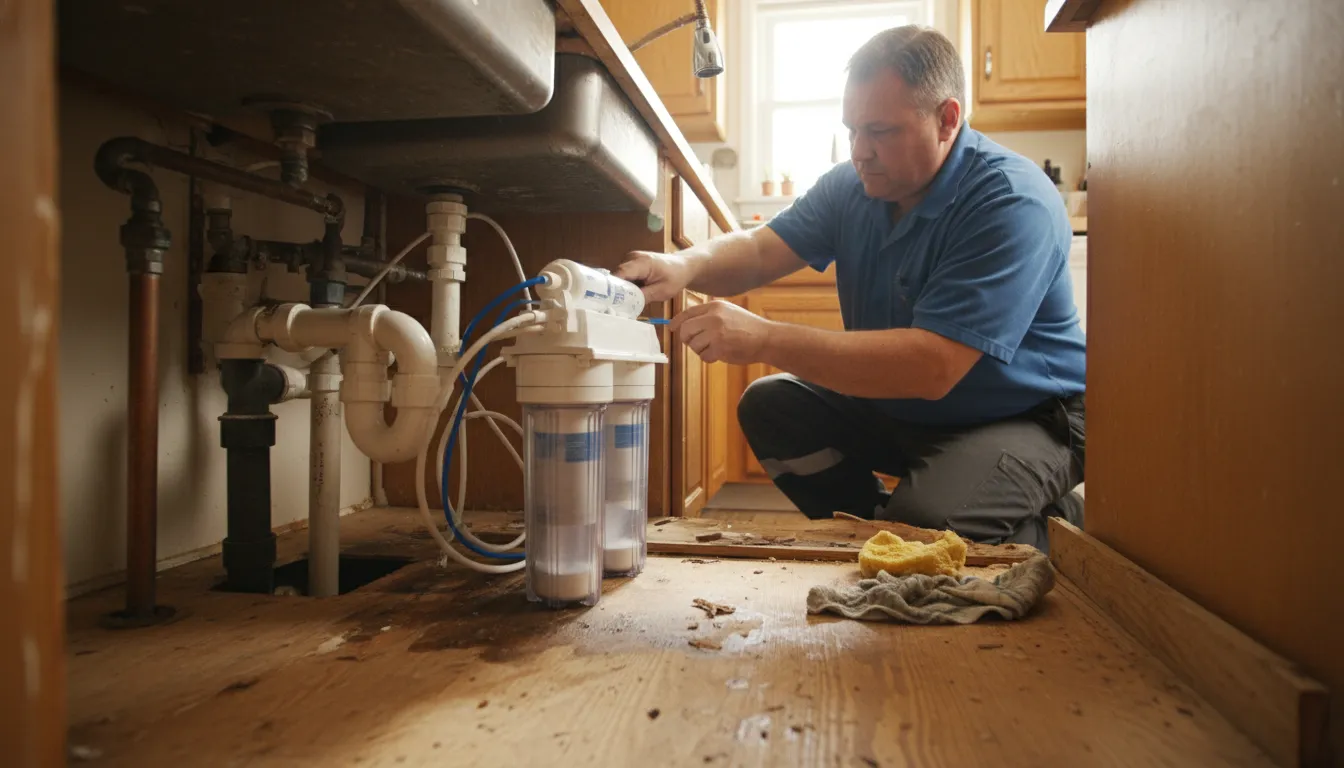
Find the Best Water Treatment Installation Companies for Your Business
No obligation • Fast responses • Nationwide coverage

Why you can trust Search a Plumber
Search a Plumber is a leading United States resource for finding and evaluating professional plumbing services. Our team researches licensing, experience, and customer feedback to create unbiased, fact-driven overviews. Companies cannot pay to change ratings or placement, ensuring homeowners get trustworthy information.
Search providers near you
Top Water Treatment Installation Companies in Roseville, California Ranked
Living in Roseville means enjoying a high quality of life, but the quality of your home's water can be a hidden variable. The water flowing from your taps is a blend from different sources, which can lead to issues like mineral scale buildup on fixtures, dry skin, and a less-than-ideal taste. Investing in a water treatment system is about protecting your plumbing, improving your daily comfort, and ensuring the water you use is the best it can be. This guide will help you understand your local water profile, explore the most suitable conditioning and purification options for Roseville homes, and connect you with qualified professionals to find the right solution.
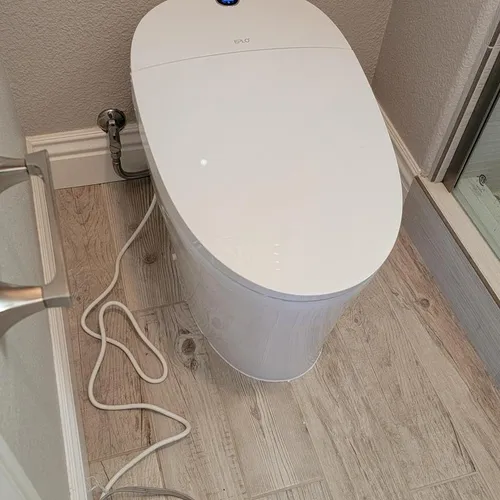
Paradise Plumbing Pros
4100 Wayside Ln # 100, Carmichael, CA 95608
Paradise Plumbing Pros is a plumbing service provider based in Sacramento, CA, offering a wide range of residential plumbing solutions. Their services include sewer camera inspections, water heater repair and installation, tankless water heater services, water softener installation, drain cleaning, hydro jetting, sewer line repair, leak detection, repiping, gas line installation, toilet repair, and garbage disposal repair. They are equipped to handle complex plumbing issues with expertise and advanced equipment, including hydro jetting to clear blockages and camera inspections to diagnose sewer line problems. Paradise Plumbing Pros provides 24/7 emergency plumbing services to ensure timely assistance whenever needed. The company is known for its skilled and certified plumbers who deliver comprehensive solutions with attention to detail and transparency.
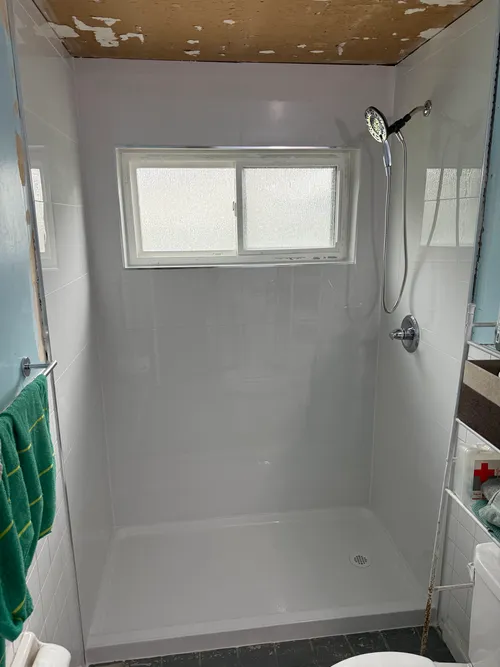
Ducks Plumbing Heating Air
Sacramento, CA
Ducks Plumbing Heating Air provides plumbing, HVAC, and bathroom remodeling services in Sacramento, CA. They serve the greater Sacramento area including Elk Grove, Roseville, Citrus Heights, Davis, and Folsom. Their plumbing services cover sewer camera inspections, water heater repairs, water softener installations, drain cleaning, hydro jetting, sewer line repairs including trenchless methods, repiping, gas line installations, and repairs for toilets and garbage disposals. The company also offers heating and air conditioning installation and repair, as well as full bathroom remodels. Ducks Plumbing Heating Air emphasizes affordable services with attention to detail for homeowners throughout the region.
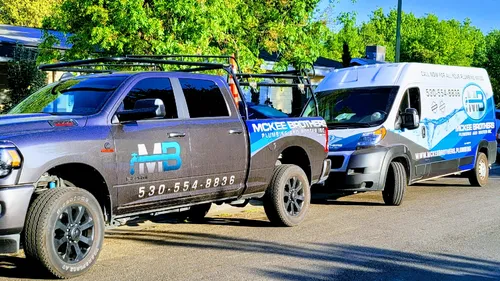
McKee Brothers Plumbing and Rooter Inc
555 Kentucky Ave suite 1, Woodland, CA 95695
McKee Brothers Plumbing and Rooter Inc is a plumbing company serving Sacramento, CA, and nearby areas. They offer a wide range of plumbing services including sewer camera inspections, water heater repair and installation, water softener installation, drain cleaning, sewer line repair, leak detection, and repiping. With over 20 years of experience, their team handles both residential and commercial plumbing needs. They provide 24/7 emergency plumbing services to address urgent issues at any time. Their expertise includes complete repiping projects and water purification services, ensuring plumbing systems operate efficiently and safely. McKee Brothers Plumbing and Rooter Inc is known for its comprehensive plumbing solutions and around-the-clock availability in the Sacramento area.
A1 Plumbing & Drains
6520 44th St # 310, Sacramento, CA 95823
A1 Plumbing & Drains is a licensed plumbing company serving Sacramento, CA, and nearby areas including Elk Grove and Yuba City. They provide a wide range of plumbing services such as sewer line repair, water heater installation and repair, drain cleaning, hydro jetting, leak detection, and trenchless sewer repair. The team uses modern diagnostic tools and offers emergency plumbing services available 24/7 to address urgent issues promptly. With decades of combined experience, A1 Plumbing & Drains focuses on tailored solutions that consider Sacramento's unique plumbing challenges, including hard water and aging infrastructure, to deliver long-lasting results. They also handle necessary permits and provide warranties on their work.
Plumbing Care Inc
1024 Iron Point Rd #1049-02, Folsom, CA 95630
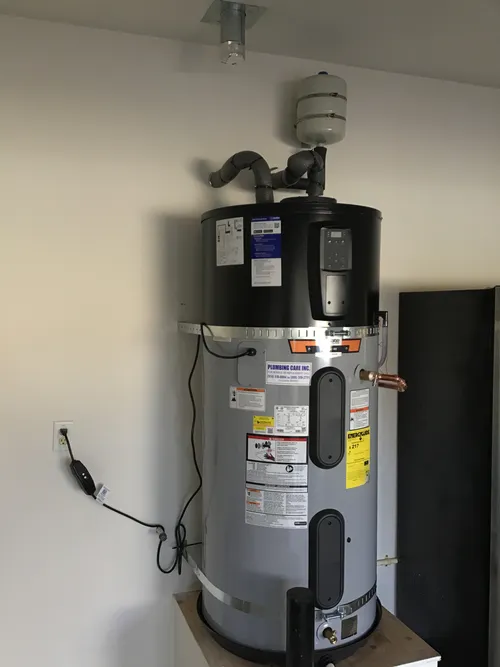
Plumbing Care Inc provides commercial and residential plumbing services in Sacramento, CA, and surrounding counties including Contra Costa and Placer. They handle a wide range of plumbing needs such as water heater installation and repair, tankless water heater services, leak detection, repiping, toilet and garbage disposal repairs, and water softener installations. The company also offers specialized services like slab leak repair and water treatment system installation. With over 75,000 jobs completed and more than 3,000 positive reviews, Plumbing Care Inc serves both the San Francisco Bay and Sacramento areas.
Understanding Roseville's Water Supply
To choose the right water treatment, you first need to know what's in your water. Roseville's supply is not uniform; it comes from a mix of surface water and groundwater sources, leading to varying characteristics across the city.
- Primary Source (Softer Water): A significant portion of Roseville's water is sourced from Folsom Lake. This surface water is generally considered very soft, meaning it has low concentrations of calcium and magnesium minerals.
- Supplemental Source (Harder Water): To meet demand, the city also utilizes local groundwater wells. Well water in the region tends to be much harder, containing higher levels of dissolved minerals.
- The Result: The blending of these sources creates a water supply with moderate but inconsistent hardness. Your home's specific mineral content (measured in grains per gallon, or GPG) can depend on your location and the current supply mix. This inconsistency is why some residents notice significant limescale, while others do not 1.
Beyond hardness, municipal water contains chlorine for disinfection, which can affect taste and smell, and may carry other trace sediments or impurities. A professional water test is the essential first step to move from general assumptions to the specific facts about your home's water.
Water Treatment Options for Roseville Homes
The terms "water softener" and "water filter" are often used interchangeably, but they address different issues. A comprehensive approach often involves a system that combines elements of both.
Whole-Home Water Softeners and Conditioners
These systems are designed to manage the mineral hardness in your water.
- Traditional Ion Exchange Softeners: These are the most common type. They use a resin bed and salt (sodium or potassium chloride) to physically remove calcium and magnesium ions, replacing them with sodium ions. They are highly effective at eliminating scale. However, they produce a brine discharge during regeneration, which has led to restrictions in some California communities due to environmental concerns about wastewater.
- Salt-Free Water Conditioners (Template Assisted Crystallization - TAC): This technology is increasingly popular in California. Instead of removing hardness minerals, it alters their structure so they cannot stick to pipes and surfaces to form scale. These systems require no salt, produce no wastewater, and have minimal maintenance, making them an eco-friendly alternative. They are often the recommended choice for areas with brine discharge rules 2.
- Demand-Initiated Systems: Brands like Kinetico offer efficient softeners that regenerate based on actual water usage rather than on a timer, conserving water and salt. These are often cited for tackling persistent hard water problems effectively.
Water Filtration Systems
Filtration targets a broader range of contaminants to improve taste, odor, and purity.
- Whole-Home Filtration Systems: Installed at your main water line, these units protect your entire house. They typically use carbon filters to remove chlorine, chloramines, sediments, and some organic chemicals. This results in better-tasting water for drinking and cooking, and it also protects appliances and showerheads from sediment buildup.
- Point-of-Use Filters: These include under-sink systems, countertop units, and refrigerator filters. The most effective type is a Reverse Osmosis (RO) System. RO uses a semi-permeable membrane to remove up to 99% of contaminants, including dissolved salts, heavy metals, and many chemicals. It's considered the gold standard for producing pure drinking and cooking water but is not practical for whole-home treatment due to water waste and flow rate limitations 3.
Find the perfect water treatment installation companies for your needs
Get personalized recommendations and expert advice
The Installation Process: Professional vs. DIY
Once you've selected a system, proper installation is critical for performance and warranty protection.
Professional Installation is strongly recommended for whole-home systems. A licensed plumber or water treatment specialist will:
- Perform or verify a water analysis.
- Ensure the system is correctly sized for your home's water usage and hardness level.
- Install the unit on the main water line, typically in your garage or utility room.
- For traditional softeners, properly set up the brine tank and drain line connection.
- Program the system's controls and test it for leaks and proper operation.
- Explain the maintenance schedule. Major retailers and local plumbing companies offer this service 4.
DIY Installation is an option for the mechanically inclined, especially with systems purchased from big-box stores like Lowe's. These often come with detailed instructions. However, it requires a good understanding of plumbing, the ability to cut and solder or use compression fittings on copper pipes (or work with PEX), and knowledge of local codes. Mistakes can lead to leaks, improper function, and voided warranties 5.
Cost Breakdown for Water Treatment Systems
Investing in water quality involves upfront equipment costs, installation fees, and ongoing maintenance. Here's a general estimate for Roseville homeowners:
-
Equipment Cost:
- Whole-Home Salt-Based Softener: $1,000 - $2,500 for a quality, sized unit.
- Whole-Home Salt-Free Conditioner (TAC): $1,200 - $3,000+.
- Whole-Home Carbon Filtration System: $800 - $2,000.
- Under-Sink Reverse Osmosis System: $200 - $800.
-
Installation Cost: Professional installation typically adds $200 to $800+, depending on the complexity of the plumbing, the location of the main line, and whether any bypass loops or additional plumbing is required 6.
-
Annual Maintenance & Operating Costs:
- Traditional Softener: Salt refills cost roughly $100-$200 per year. Occasional resin bed cleaning or service calls may add $100-$300 every few years 7.
- Salt-Free Conditioner: Maintenance is lower, primarily involving the periodic replacement of the media cartridge every 3-6 years, costing approximately $100-$200 8.
- Whole-Home Filter: Filter changes are needed every 6-12 months, costing $50-$150 per year.
- Reverse Osmosis System: Pre-filters and post-filters need changing every 6-12 months ($30-$80), and the RO membrane every 2-3 years ($50-$150).
Key Local Considerations for Roseville Residents
Before making a purchase, keep these Roseville-specific factors in mind:
- Verify Local Regulations: California has strict guidelines regarding the discharge from traditional salt-based water softeners. Always check with the City of Roseville or Placer County Water Agency for any specific ordinances or restrictions on the installation or use of brine-discharging appliances before buying a traditional softener 9.
- Get a Professional Water Test: Don't guess your water's hardness. A comprehensive test will give you the exact GPG level and identify other contaminants like chlorine, iron, or sediment. This data is essential for a specialist to properly size and recommend a system tailored to your home's unique needs 10.
- Consider Your Home's Needs: A family of six will have different water usage than a couple in a condo. The number of bathrooms, appliances, and your laundry habits all factor into determining the correct system capacity.
Frequently asked questions
Sources
Footnotes
-
Does anyone use a water softener in here? : r/Roseville - Reddit - https://www.reddit.com/r/Roseville/comments/105bhtn/does_anyone_use_a_water_softener_in_here/ ↩
-
Ultimate Guide to Salt-Free Water Conditioners - Eco-Friendly Water Solutions for Your Home - https://aquasureusa.com/blogs/water-guide/ultimate-guide-to-salt-free-water-conditioners ↩
-
Water Filter vs Water Softener: What's the Difference | APEC - https://www.apecwater.com/blogs/contaminants-facts/water-softening-vs-water-filtration ↩
-
Water Softener Installation Roseville, MN - https://aquariushomeservices.com/water-softener-installation-roseville-mn/ ↩
-
Water Softener Installation - Lowe's - https://www.lowes.com/l/install/water-softener ↩
-
What's the Typical Water Softener Installation Cost? (2025) - https://www.cartersmyplumber.com/water-softener-installation-cost/ ↩
-
How Much is a Water Softener System? - https://lazerhomeservices.com/how-much-is-a-water-softener-system/ ↩
-
Salt-Free Water Conditioner | Leaf Home Water Solutions - https://www.leafhome.com/water-solutions/water-softening-systems/salt-free-conditioners ↩
-
California's #1 Approved Water Softener - NorCal Water Systems - https://www.norcalwater.net/legal-water-softeners-california/ ↩
-
How to Find the Perfect Affordable Water Softener for Your California Home - https://pacificcoastwatersystems.com/blog/how-to-find-the-perfect-affordable-water-softener-for-your-california-home/ ↩