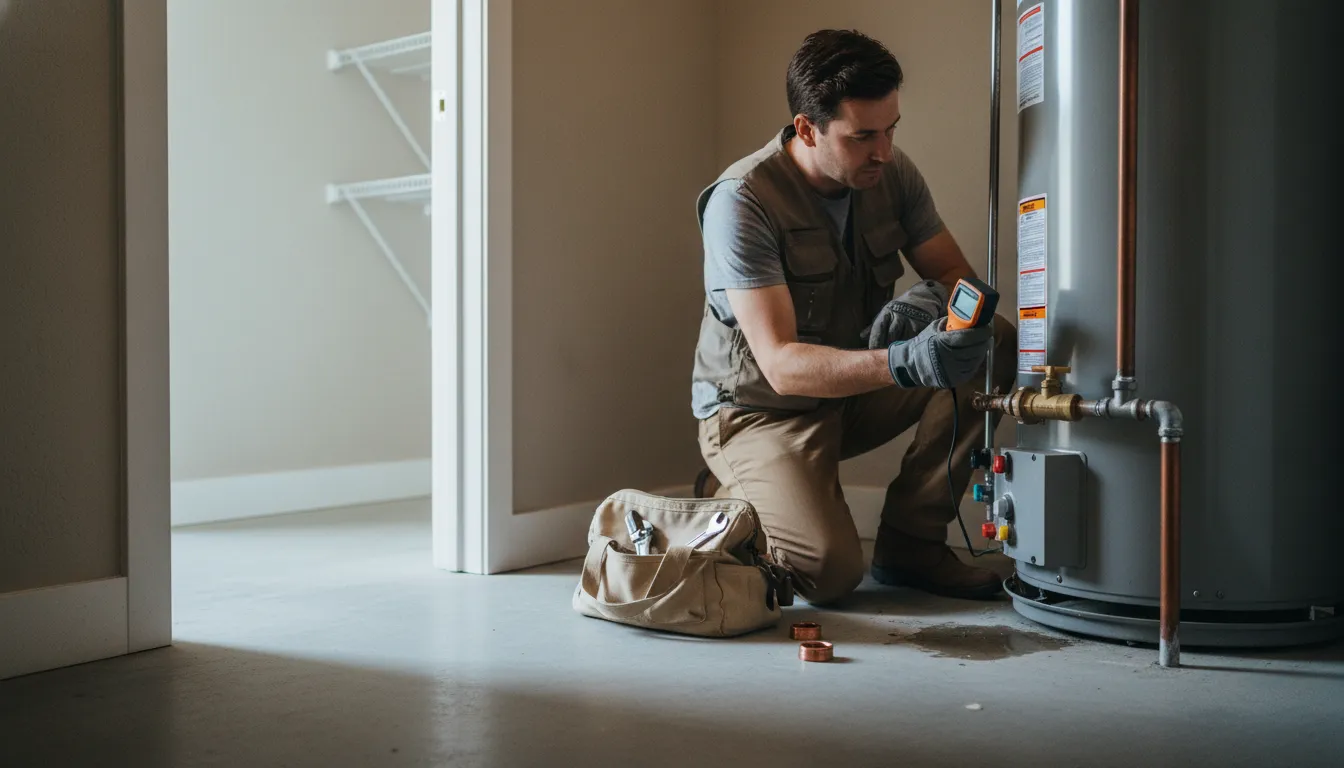
Find the Best Water Heater Repair Companies for Your Business
No obligation • Fast responses • Nationwide coverage

Why you can trust Search a Plumber
Search a Plumber is a leading United States resource for finding and evaluating professional plumbing services. Our team researches licensing, experience, and customer feedback to create unbiased, fact-driven overviews. Companies cannot pay to change ratings or placement, ensuring homeowners get trustworthy information.
Search providers near you
Top Water Heater Repair Companies in Phoenix, Arizona Ranked
When your hot water runs out or you hear strange noises from the utility closet, you need reliable, expert help. Water heater repair is a critical service for maintaining comfort and functionality in any Phoenix home, addressing everything from a simple pilot light to complex internal component failures. This guide helps you understand common issues, typical costs, and what to expect from the repair process, empowering you to make informed decisions when seeking a qualified professional for your hot water system.
100% Plumbing
17437 N 71st Dr Ste 106, Glendale, AZ 85308
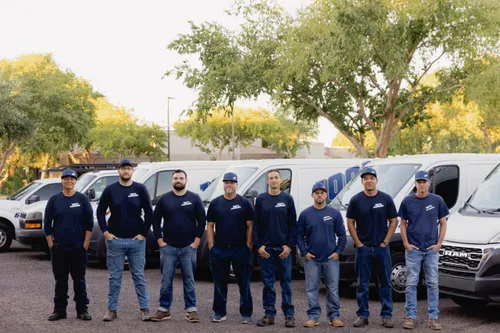
100% Plumbing is a full-service plumbing company based in Phoenix, AZ, offering a wide range of services including leak repair, drain cleaning, water softener installation, repiping, and commercial plumbing. They use professional tools such as hydro jetting to clear drains and provide 24/7 emergency plumbing repairs for urgent issues. Their licensed plumbers bring years of experience and a customer-focused approach to every job, ensuring dependable solutions for both residential and commercial clients.
Wyman Plumbing & Mechanical LLC
12251 N 32nd St # 3, Phoenix, AZ 85032
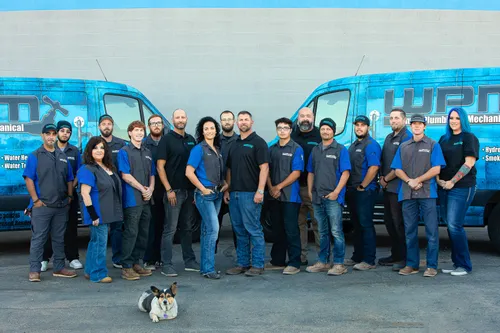
Wyman Plumbing & Mechanical LLC is a locally owned plumbing company serving Phoenix, AZ, and the North Phoenix Valley. They offer a wide range of plumbing services including water heater installation and repair, tankless water heaters, water softener installation, drain cleaning, leak detection, toilet repair, and sewer camera inspections. The company uses advanced diagnostic technologies such as video pipe inspections and smoke testing to accurately detect sewer leaks and odors, minimizing disruptions. Wyman Plumbing & Mechanical also installs whole-home water filtration and reverse osmosis systems to improve water quality. As a state-licensed, bonded, and insured provider, they focus on both residential and commercial plumbing needs with a commitment to thorough inspections and maintenance.
Trident Plumbing & Drain
26134 N 121st Ave, Peoria, AZ 85383
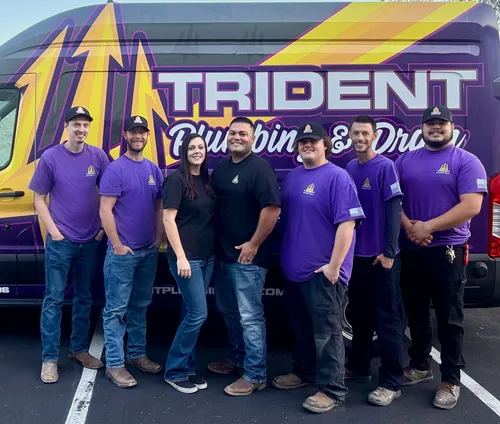
Trident Plumbing & Drain is a family-owned plumbing company serving Phoenix, AZ, with over 10 years of experience. They offer a range of plumbing services including water heater repair and water softener installation, along with water filtration system upgrades. The company is recognized for its commitment to customer satisfaction and supports military and veterans in the community.
Plumbers Near Me, LLC
8990 E Raintree Dr Unit 100-G, Scottsdale, AZ 85260
Plumbers Near Me, LLC offers a wide range of plumbing services in Phoenix, AZ, including water heater repair and installation, drain cleaning, sewer line repair, leak detection, repiping, and toilet repair. They serve both residential and commercial clients throughout the Phoenix metropolitan area. Their capabilities include handling tankless and traditional water heater systems, as well as slab leak repairs using specialized equipment. The company is fully licensed and insured, providing service with the latest tools and training. They are available for extended hours most days of the week to accommodate customer needs.
Desert Water Plumbing and Rooter
8301 W Foothill Dr, Peoria, AZ 85383
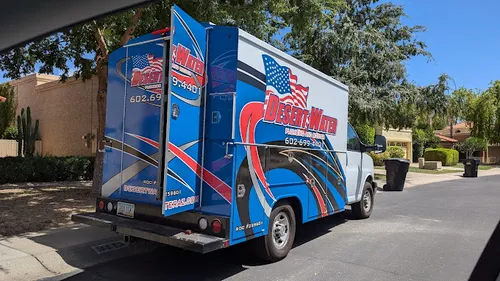
Desert Water Plumbing and Rooter is a plumbing service provider based in Phoenix, AZ. They offer water heater repair and drain cleaning services, using modern tools and equipment to diagnose and fix plumbing issues efficiently. Their expertise includes handling plumbing emergencies and ensuring problems are resolved to prevent recurrence.
Common Water Heater Problems in Phoenix Homes
Phoenix's hard water and climate can accelerate wear on your hot water tank. Recognizing the symptoms early can prevent a minor issue from becoming a major failure.
- No Hot Water: This is the most obvious sign of trouble. For electric heaters, this often points to a failed heating element or a tripped circuit breaker. For gas models, a malfunctioning thermocouple or a pilot light that won't stay lit are frequent culprits.
- Insufficient or Fluctuating Hot Water: If your showers turn cold quickly, it could indicate a undersized unit for your household, a failing lower heating element (in electric models), or sediment buildup insulating the water from the heat source.
- Strange Noises: Rumbling, popping, or banging sounds are classic indicators of sediment accumulation at the bottom of the tank. As the sediment hardens and is reheated, it causes these noises and reduces efficiency, eventually leading to overheating and tank damage.
- Discolored or Smelly Water: Rust-colored water suggests corrosion inside the tank, often a sign of impending failure. A rotten egg smell typically points to a reaction between the anode rod and bacteria in the water, requiring rod replacement and tank flushing.
- Leaks and Moisture: Water pooling around the base of your heater demands immediate attention. Leaks from pipe fittings or valves are often repairable. However, moisture or dripping originating from the tank itself usually signals internal corrosion and means the entire unit likely needs replacement.
Typical Repair Costs for Hot Water Tanks
Understanding the potential costs involved can help you budget and evaluate quotes from service providers. In Phoenix, repair costs vary widely based on the problem, the type of heater (gas or electric), and whether it's a standard or emergency call.
Minor Repairs ($150 - $400): These are common, localized fixes.
- Replacing a Heating Element (Electric): $150 - $400.
- Thermostat Replacement: $150 - $200.
- Thermocouple or Pilot Assembly (Gas): $120 - $200.
- Temperature & Pressure (T&P) Relief Valve: $150 - $200.
Major Repairs ($300 - $800+): These involve more complex parts and labor.
- Gas Control Valve Replacement: $300 - $500 1.
- Anode Rod Replacement: $200 - $300.
- Significant Sediment Flush & Valve Repair: $200 - $500.
On average, a standard water heater repair in Phoenix falls in the $500 to $600 range 2 3. It's important to note that emergency service calls, especially after hours or on weekends, will incur additional fees on top of the standard repair costs 2.
Find the perfect water heater repair companies for your needs
Get personalized recommendations and expert advice
The Repair Process: What to Expect
Knowing what happens during a service call can ease the stress of a breakdown. A professional repair typically follows a structured process.
Diagnosis: The technician will first ask about the symptoms, then perform a visual inspection for leaks or corrosion. They will test the power source (breaker or gas supply), check the thermostat settings, and use multimeters or other tools to diagnose faulty components like elements, thermostats, or the gas valve.
Repair Execution: Once the issue is identified, the technician will explain the problem, provide a clear estimate, and proceed with your approval. For common fixes like an element or thermocouple, the repair itself is often straightforward. Standard repairs for these components can take 1 to 3 hours from diagnosis to completion 4. More complex issues, like replacing a gas valve or addressing a significant leak, may take longer.
Testing and Advice: After the repair, the technician will restore power or gas, fill the tank, and test the system to ensure it's operating safely and efficiently. A reputable professional will also provide advice on the overall health of your unit, especially if it's older, and may recommend a replacement if repeated repairs are becoming less cost-effective 5 6.
Repair vs. Replacement: Making the Right Choice
This is a crucial decision for Phoenix homeowners. While repair is often the first instinct, replacement can be the smarter long-term investment.
Consider Repair If:
- Your water heater is less than 8 years old.
- The problem is a simple, inexpensive component like a thermocouple or heating element.
- The tank is in good condition with no signs of rust or leaks.
Strongly Consider Replacement If:
- Your unit is over 10-12 years old, as efficiency drops and failure risk rises significantly.
- The repair cost is approaching half the price of a new unit.
- You are facing a tank leak, which is not repairable 7.
- You've had multiple repairs in a short period.
- You want to upgrade to a more energy-efficient model (like tankless or heat pump) to save on rising energy costs, which a professional can help you evaluate 8 9.
Investing in a new, efficient model can offer better reliability, lower energy bills, and increased home value, often outweighing the cost of patching up an aging system.
Choosing a Service Provider in Phoenix
Selecting the right technician is as important as the repair itself. Look for a licensed, insured, and bonded professional with specific experience in water heater service. Check for positive local reviews and ask about warranties on both parts and labor. Always get a detailed, written estimate before work begins. A trustworthy expert will be transparent about costs, explain whether repair or replacement is the best option for your situation, and prioritize your safety and long-term satisfaction.
Frequently asked questions
Sources
Footnotes
-
How Long Does a Typical Water Heater Repair Take and ... - https://www.somersplumbers.net/blog/how-long-does-a-typical-water-heater-repair-take-and-what-should-you-expect-during-the-process ↩
-
How Much Does It Cost To Repair a Water Heater in Phoenix? - https://phoenixplumbanddrain.com/how-much-does-it-cost-to-repair-a-water-heater/ ↩ ↩2
-
How Much Does Water Heater Repair Cost in Phoenix, AZ? - https://www.angi.com/articles/how-much-does-it-cost-repair-water-heater/az/phoenix ↩
-
Water Heater FAQs Phoenix Metro AZ | 623-777-4779 - https://grandcanyonac.com/we-answer-your-biggest-questions-about-water-heaters/ ↩
-
Water Heater Repair or Replace? | Arizona Homeowners' Guide - https://asapplumbingaz.com/water-heater-repair-vs-replacement-guide/ ↩
-
Water Heater Repair: Fixes, Costs, And When To Replace - https://anyhourservices.com/utah/water-heater-repair-fixes-replacement-guide/ ↩
-
Phoenix Water Heater Guide: Care, Repair & Replacement - https://anyhourservices.com/arizona/phoenix-water-heater-guide-care-repair-replace/ ↩
-
How Much Does Water Heater Replacement Cost in Phoenix, AZ? - https://www.angi.com/articles/how-much-does-water-heater-installation-cost/az/phoenix ↩
-
Water Heater Repair Cost 2026: Prices, Fix Types & Tips - https://modernize.com/plumbing/water-heaters/repair-cost ↩