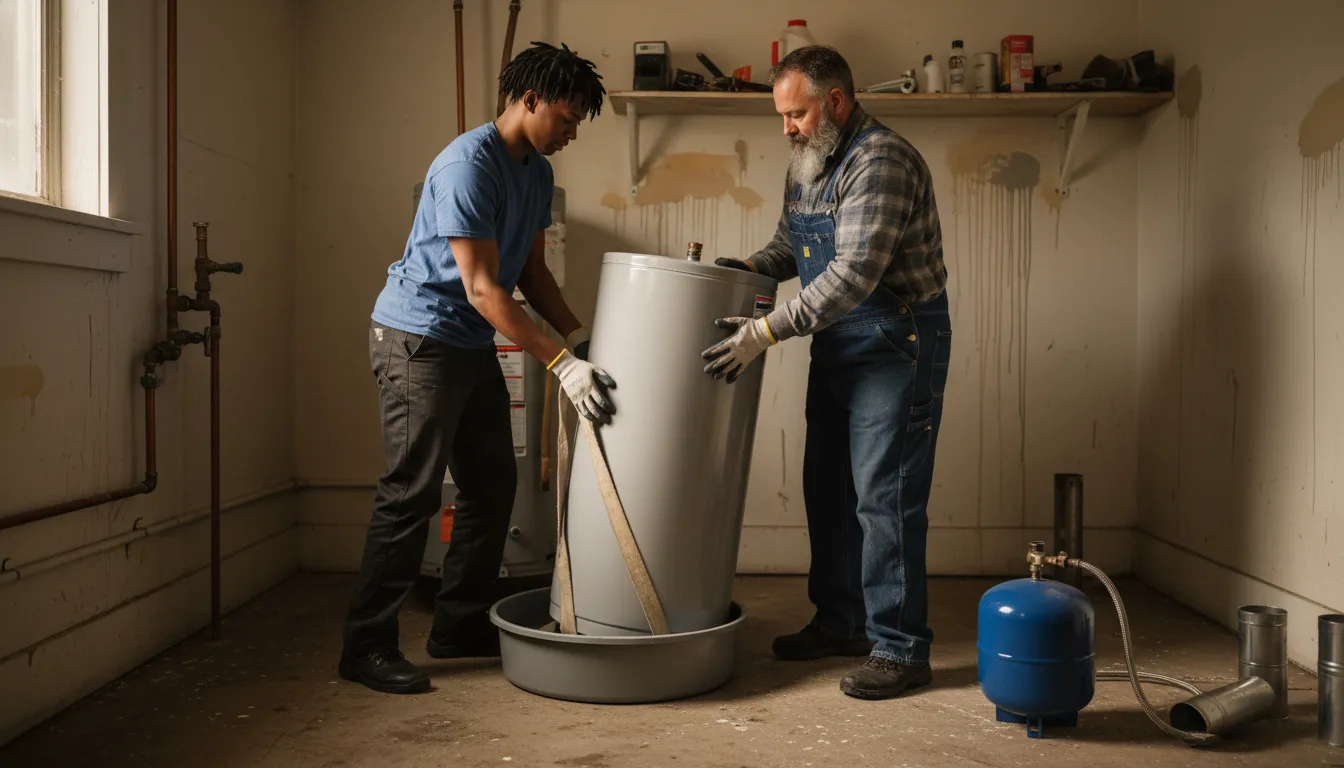
Find the Best Water Heater Installation Companies for Your Business
No obligation • Fast responses • Nationwide coverage

Why you can trust Search a Plumber
Search a Plumber is a leading United States resource for finding and evaluating professional plumbing services. Our team researches licensing, experience, and customer feedback to create unbiased, fact-driven overviews. Companies cannot pay to change ratings or placement, ensuring homeowners get trustworthy information.
Search providers near you
Top Water Heater Installation Companies in El Paso, Texas Ranked
A reliable hot water supply is essential for any El Paso home, making your water heater a critical household system. When it's time for a new installation or a replacement, understanding your options and the local considerations can ensure you get an efficient, long-lasting unit suited to our unique climate. This guide helps you navigate the process, from choosing the right type of heater to understanding what professional installation entails, so you can connect with qualified local experts for your project.
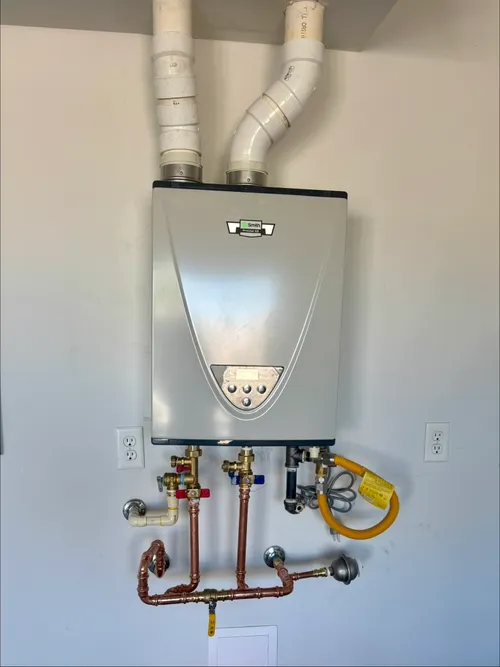
Liberty plumbing
10786 Aaron St, El Paso, TX 79924
Liberty Plumbing is a licensed, insured, and bonded plumbing company serving El Paso, TX. They offer a range of services including water heater repair and installation, water softener installation, leak detection, and gas line installation. With over 15 years of experience, Liberty Plumbing handles plumbing repairs and installations efficiently, including water heater gas line repairs and leak fixes. The company is known for providing attentive service and has received positive feedback for timely and knowledgeable work.
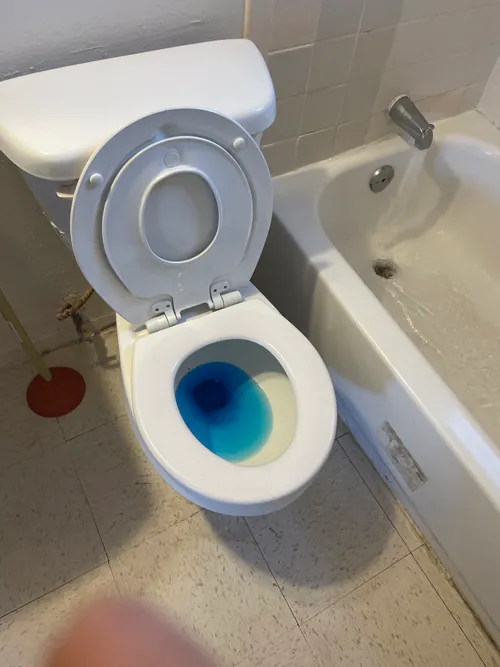
Los Plomeros Plumbing and Gas LLC
El Paso, TX
Los Plomeros Plumbing and Gas LLC is a local plumbing company serving El Paso, TX. They offer a variety of plumbing and gas services including water heater repair and installation, sewer line repairs, toilet repairs and installations, as well as gas line repairs and replacements. The company is licensed, bonded, and insured, providing services such as gas pressure test permits and heater installations. They are available 24/7 to assist with plumbing and gas needs.
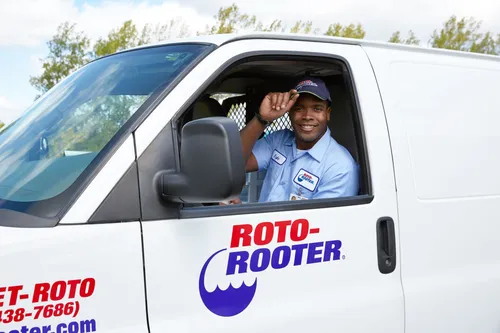
Roto-Rooter Plumbing & Water Cleanup
13971 Horizon Blvd Ste A3-2, Horizon City, TX 79928
Roto-Rooter Plumbing & Water Cleanup serves the El Paso, TX area with a full range of plumbing and drain cleaning services for both residential and commercial customers. Their offerings include sewer camera inspections, water heater repair and installation, sump pump repair, and comprehensive drain cleaning. Established in 1935, Roto-Rooter has over 90 years of experience and operates 24/7 to provide emergency plumbing services whenever needed. They use state-of-the-art equipment to ensure efficient and thorough service.
Union Plumbing
El Paso, TX
Union Plumbing is a family-owned plumbing company serving El Paso, TX, and nearby communities. With 27 years of experience, they offer a range of plumbing services including water heater installation and repair, drain cleaning, leak detection, and plumbing repairs. Their team can handle both tank and tankless water heaters, providing expert guidance on the best options for each home. Union Plumbing also specializes in water leak detection and pipe reroutes to prevent damage to building foundations. They serve El Paso and surrounding areas such as Horizon City, Socorro, Clint, Anthony, and Fabens.
INNOVATIVE TRADES, LLC PLUMBING, ELECTRICAL & HVACR
8555 Yermoland Dr Ste B, El Paso, TX 79907
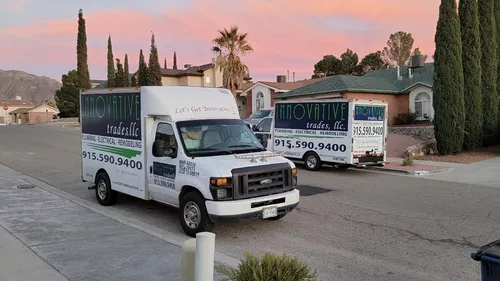
INNOVATIVE TRADES, LLC PLUMBING, ELECTRICAL & HVACR is a full-service contractor based in El Paso, TX, offering plumbing, electrical, and HVAC-R services for residential and commercial properties. Their plumbing services include sewer line repair, drain cleaning, water heater installation and repair, leak detection, and fixture installation. The company is equipped with modern tools such as sewer camera inspection technology to diagnose and resolve plumbing issues efficiently. They serve El Paso and surrounding areas including Anthony, Canutillo, Clint, Horizon City, San Elizario, Fabens, and Socorro. The team is fully licensed and provides comprehensive electrical and HVAC-R services alongside their plumbing expertise.
Understanding Your Water Heater Options
Choosing a new water heater involves more than just picking a size. Modern technology offers several distinct types, each with its own advantages for performance, space, and operating costs. The three primary systems available to El Paso homeowners are conventional storage tank, tankless (on-demand), and hybrid heat pump models.
- Conventional Storage Tank Water Heaters: This is the traditional and most common type, featuring an insulated tank that heats and stores a ready reservoir of hot water. They are generally the most affordable option upfront and have a simpler installation process. However, they can be less energy-efficient due to "standby" heat loss, where energy is used to keep the stored water hot even when you're not using it.
- Tankless Water Heaters: Also known as on-demand heaters, these units heat water directly as it flows through the device, eliminating the need for a storage tank. They provide an endless supply of hot water, save significant space, and are more energy-efficient because they avoid standby losses. The trade-off is a higher initial purchase and installation cost, and they may require upgrades to your home's gas line or electrical service.
- Hybrid Heat Pump Water Heaters: These innovative systems use electricity to move heat from the surrounding air into the water, rather than generating heat directly. This makes them two to three times more energy-efficient than standard electric models. They are particularly well-suited for El Paso's warm climate, as they perform best in spaces that remain between 40°F and 90°F year-round. An added benefit is that they can help cool and dehumidify the space they are in, such as a garage 1.
Why El Paso's Climate Influences Your Choice
The local environment in El Paso isn't just about the view; it directly impacts which water heating technology will perform best and save you the most money. Our abundant sunshine and warm temperatures for much of the year create an ideal setting for certain high-efficiency systems.
The hybrid heat pump water heater stands out as an excellent choice for our region. By extracting heat from the ambient air, it operates with exceptional efficiency in our warm climate. This can translate to substantial energy savings compared to a standard electric resistance tank model. While the upfront cost is higher, the long-term utility bill reductions can be significant. Tankless units also offer major efficiency gains over traditional tanks and are a great space-saving solution, though their performance is less directly tied to outdoor air temperature 2 3.
The Professional Installation Process: What to Expect
A water heater installation is not a simple DIY swap. It involves plumbing, potentially gas and electrical work, and strict adherence to local building and safety codes. Professional installation ensures safety, efficiency, and compliance. Here's a general overview of the steps a licensed technician will follow:
- Assessment and Preparation: The technician will assess your home's needs, confirm the new unit's specifications, and obtain any necessary permits. They will shut off the power (for electric) or gas supply and the cold water inlet to the existing heater.
- Removal and Disposal: The old unit is drained completely and carefully disconnected from water, gas, and venting lines. The professional will then remove and responsibly dispose of the old heater.
- Site Preparation and Code Compliance: The installation area is prepared. This is a critical phase where the technician ensures everything meets El Paso's specific codes for proper venting (for gas models), gas line sizing, water pressure, and drainage. Necessary upgrades, like adding an expansion tank or updating shut-off valves, are done at this stage.
- New Unit Installation: The new water heater is positioned, leveled, and connected. All water lines, and if applicable, gas lines and vent pipes, are securely attached following manufacturer and code specifications.
- Testing and Activation: The tank is filled with water, and the system is purged of air. The technician meticulously checks for any leaks at all connections. Once confirmed safe, the power or gas is restored, the unit is activated, and the settings are adjusted. Finally, they will test the hot water delivery at a faucet to ensure proper operation 4 5.
Find the perfect water heater installation companies for your needs
Get personalized recommendations and expert advice
Cost Considerations for Installation & Replacement
The total investment for a new water heater in El Paso varies based on the unit type, your home's existing infrastructure, and the complexity of the installation. It's important to budget for both the equipment and the professional labor.
- Conventional Tank Water Heater: The installation cost for a standard 40- to 50-gallon gas or electric tank typically ranges from $1,600 to $2,400, including the unit and basic installation.
- Tankless Water Heater: For a gas or electric tankless system, expect a higher price range, generally between $2,400 and $5,400 for a full professional installation. This higher cost accounts for the unit itself and potential upgrades like a larger gas line or new electrical circuit.
- Additional Costs: Be aware of potential add-ons. Most jurisdictions require a permit, which can cost between $75 and $200. If your existing setup doesn't meet current code-for example, if you need a new vent, seismic strapping, or an expansion tank-these necessary upgrades can add $100 to $1,500 or more to the total project cost 6 7.
The Critical Role of Local Expertise
Hiring a licensed, insured local professional is non-negotiable for a water heater project. Local experts, such as those serving the El Paso community, bring specific knowledge that is invaluable. They understand the city's permit process, local amendments to plumbing and building codes, and how our climate and water quality can affect system performance and longevity. They ensure the installation is safe, up to code, and optimized for reliable service, protecting your home and your investment 8 9 10.
Maintaining Your New Water Heater
To maximize the lifespan and efficiency of your new system, regular maintenance is key. For tank-style heaters, this includes an annual flushing to remove sediment buildup, which is common in our area and can reduce efficiency and damage the tank. Checking the temperature and pressure relief valve is also crucial for safety. For tankless models, descaling the heat exchanger annually is recommended to prevent mineral buildup. Your installing professional can often provide guidance or service plans for ongoing maintenance.
Signs You Need a Replacement
How do you know it's time to consider a new water heater? Watch for these common indicators:
- Age: If your tank is over 10-12 years old, it's nearing the end of its typical service life.
- Rusty Water: Discolored hot water can signal corrosion inside the tank.
- Leaks: Any moisture or pooling around the base of the tank is a serious sign of failure.
- Insufficient Hot Water: Running out of hot water faster than usual or a noticeable drop in temperature.
- Unusual Noises: Loud rumbling, popping, or banging sounds from sediment buildup.
- Consistently High Energy Bills: An aging, inefficient heater will work harder, increasing your utility costs.
Frequently asked questions
Sources
Footnotes
-
Water Heaters | Union Plumbing | El Paso, TX - https://www.1unionplumbing.com/water-heaters ↩
-
Water Heater Replacement in El Paso - https://www.epmechtech.com/water-heaters/water-heater-replacement/ ↩
-
El Paso Water Heater Repair Maintenance And Installation - https://elpasoappliance.com/?rara_services=el-paso-water-heater-repair ↩
-
Water Heater Installation Guide - Texas Quality Plumbing - https://www.texasqualityplumbing.com/blog/process-of-water-heater-installation/ ↩
-
The Advanced Guide to Water Heater Installation - Vaquero Plumbing - https://vaqueroplumbing.com/the-advanced-guide-to-water-heater-installation/ ↩
-
Cost to Replace a Water Heater - The Home Depot - https://www.homedepot.com/services/c/cost-install-water-heater/9058c024e ↩
-
How Much does it cost to Install a Water Heater? - TLC Plumbing - https://www.tlcplumbing.com/how-much-does-it-cost-to-install-a-water-heater/ ↩
-
Cost to install a water heater in El Paso, TX - https://www.handoff.ai/construction-costs/install-a-water-heater/el-paso-tx ↩
-
Water Heaters in El Paso - Mechanical Technologies - https://www.epmechtech.com/water-heaters/ ↩
-
CountBricks Water Heaters El Paso: Professional Installations - https://www.countbricks.com/post/water-heaters-el-paso ↩