Find the Best Trenchless Sewer Repair Companies for Your Business
No obligation • Fast responses • Nationwide coverage

Why you can trust Search a Plumber
Search a Plumber is a leading United States resource for finding and evaluating professional plumbing services. Our team researches licensing, experience, and customer feedback to create unbiased, fact-driven overviews. Companies cannot pay to change ratings or placement, ensuring homeowners get trustworthy information.
Search providers near you
Top Trenchless Sewer Repair Companies in Suffolk, Virginia Ranked
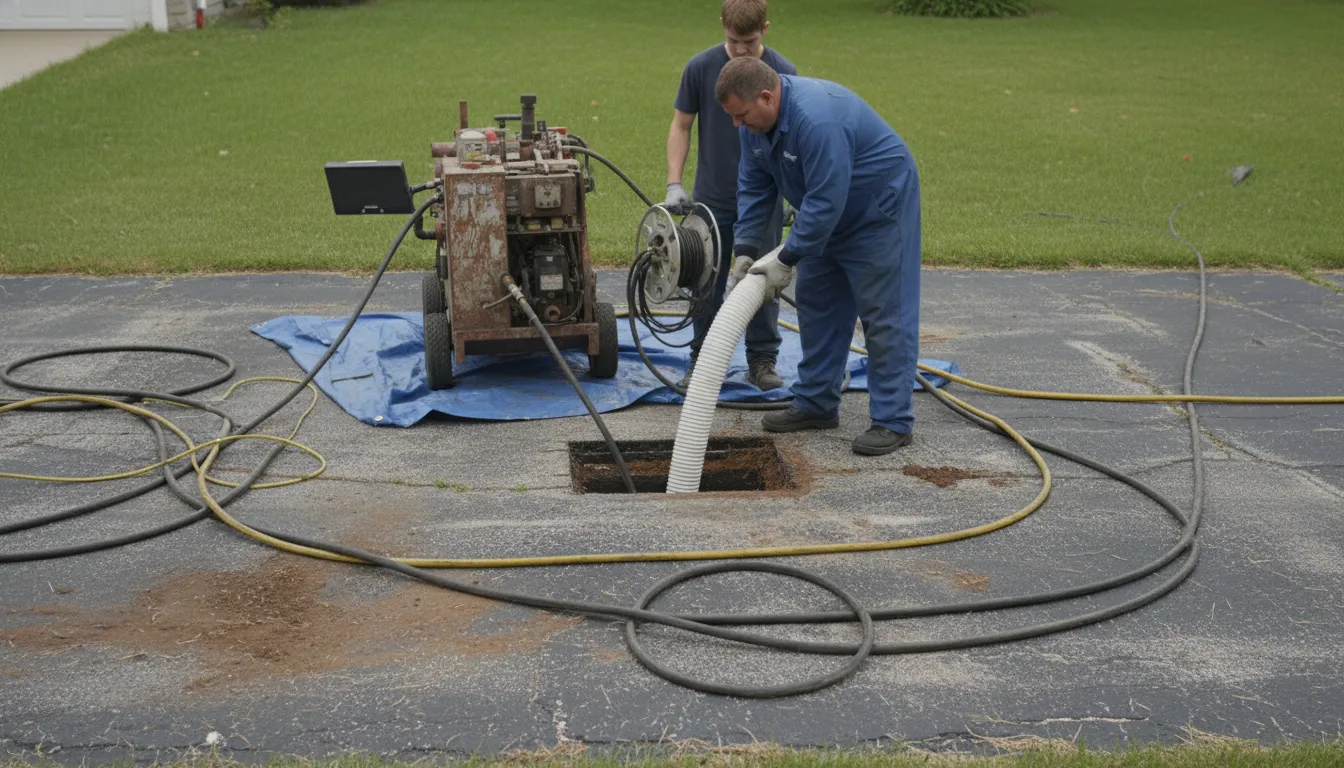
A damaged sewer line is a serious problem for any Suffolk homeowner, but the traditional solution-digging a massive trench across your yard-can be just as daunting. Trenchless sewer repair offers a modern, less invasive alternative. This method allows professionals to repair or replace your underground pipes with minimal digging, preserving your landscaping, driveway, and peace of mind. This guide explains how trenchless technology works, when it's the right choice for Suffolk homes, and how you can connect with qualified local specialists to assess your situation.
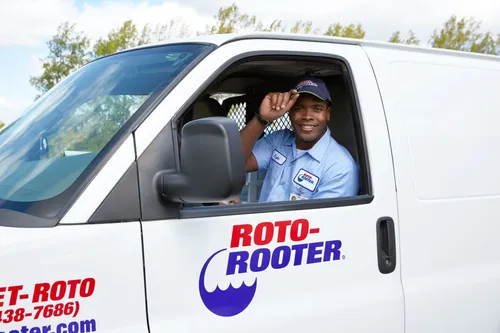
Roto-Rooter Plumbing & Water Cleanup
2428 Almeda Ave Ste 144, Norfolk, VA 23513
Roto-Rooter Plumbing & Water Cleanup provides a wide range of plumbing services in Virginia Beach, VA, including sewer camera inspections, water heater repairs and installations, drain cleaning, and sewer line repairs. They use advanced equipment such as hydro jetting and video camera inspections to diagnose and resolve plumbing issues efficiently. The company offers 24/7 emergency plumbing services to address urgent problems at any time. Their expertise also extends to water softener installation and water filtration systems to improve water quality. Roto-Rooter serves Norfolk and nearby areas with licensed and insured professionals.

Get Lit Electrical, Plumbing & Water Heater Repair
1720 Lambert Ct Suite B, Chesapeake, VA 23320
Get Lit Electrical, Plumbing & Water Heater Repair offers a wide range of plumbing services in Virginia Beach, VA. Their licensed plumbers handle everything from water heater installation and repair to sewer line repair and hydro jetting. They specialize in trenchless sewer repair and provide advanced leak detection and repiping services. With years of experience, they focus on honest communication and quality workmanship to ensure lasting results. The company also offers modern plumbing upgrades, including tankless water heaters and water softener installations.
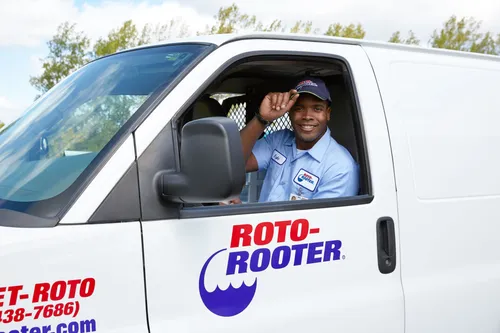
Roto-Rooter Plumbing & Water Cleanup
2680 Production Rd, Virginia Beach, VA 23454
Roto-Rooter Plumbing & Water Cleanup provides a wide range of plumbing services in Virginia Beach, VA, including sewer camera inspections, water heater repairs and installations, drain cleaning, hydro jetting, sewer line repairs, and water softener installations. They serve both residential and commercial clients, including hotels, healthcare facilities, and defense sector locations. The company offers advanced capabilities such as trenchless sewer repair and video camera inspections to diagnose sewer issues with minimal disruption. Roto-Rooter also provides 24/7 emergency plumbing services to address urgent problems promptly.
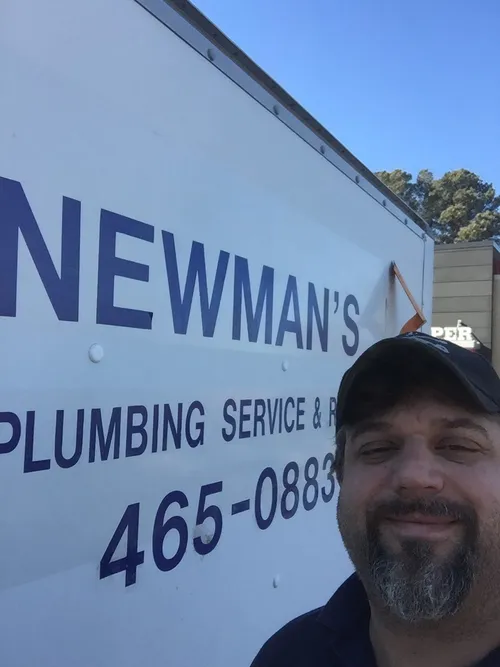
Newmans Plumbing Service & Repair
2140 Colorado Ave, Portsmouth, VA 23701
Newmans Plumbing Service & Repair is a plumbing company serving Virginia Beach, VA, and the surrounding Portsmouth area. Since 1994, they have provided a range of plumbing services including water heater repair and installation, tankless water heater services, drain cleaning, sewer line repair, trenchless sewer repair, leak detection, repiping, and toilet repair. They offer 24-hour emergency plumbing services to address urgent issues such as burst pipes and sewer backups. Their expertise includes advanced trenchless pipe repair techniques that minimize disruption and preserve landscaping.
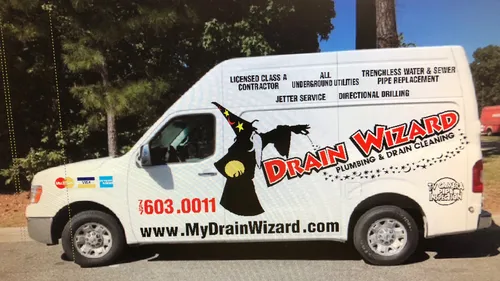
Drain Wizard Plumbing and Drain Cleaning
127 Production Dr, Yorktown, VA 23693
Drain Wizard Plumbing and Drain Cleaning is a full-service plumbing contractor based in Virginia Beach, VA, serving both residential and commercial customers in the Hampton Roads area. They offer a wide range of plumbing services including sewer camera inspections, drain cleaning, sewer line repair, leak detection, repiping, and trenchless sewer repair. Their expertise includes pipe-lining, pipe bursts repair, directional drilling, and septic system services. With over 22 years of experience, Drain Wizard provides 24/7 emergency plumbing services, ensuring help is available even during nights and weekends.
Understanding Trenchless Sewer Line Technology
Trenchless sewer repair, often called "no-dig" sewer repair, is a collection of advanced techniques designed to fix underground pipes without extensive excavation. The core principle is simple: access the problem from the inside. Instead of a backhoe tearing up your property, technicians use small access points, typically at existing cleanouts or via strategically placed, minimal holes. Through these points, they deploy specialized equipment to rehabilitate the pipe from within, creating a new, durable pipeline inside the old one or pulling a new pipe through to replace it.
This approach represents a significant evolution from traditional "open-cut" methods. For decades, fixing a sewer line meant guessing the problem's location, digging a long, deep trench to expose the entire pipe, making the repair, and then dealing with the costly and time-consuming restoration of your yard, sidewalk, or driveway. Trenchless methods turn this disruptive process on its head, focusing on precision and preservation 1 2.
Is Your Home a Candidate for Trenchless Repair?
Not every sewer line issue can be solved with trenchless technology. A professional assessment, starting with a video camera inspection, is absolutely essential to determine the best course of action. Generally, trenchless methods are an excellent solution for common problems faced by Suffolk homeowners.
Trenchless repair is typically suitable for:
- Cracked Pipes: Hairline fractures or cracks caused by ground shifting, age, or minor settling.
- Root Intrusion: Where tree roots have infiltrated pipe joints or cracks, causing blockages.
- Corrosion and Deterioration: In older pipes, such as cast iron or Orangeburg, that have lost integrity but haven't fully collapsed.
- Bellied Pipes: Sections that have sunk due to ground erosion, creating a low spot that collects waste.
- Minor Misalignments: Where pipe sections have shifted slightly but are not completely offset.
Traditional excavation may still be necessary if:
- The existing pipe has completely collapsed or is severely misaligned (offset by several inches).
- The pipe damage is located directly under a major structure like a foundation, pool, or extensive patio where even access points cannot be created.
- The pipe has multiple, severe failures over a very short section that makes lining impractical.
- There is no viable path to pull a new pipe through during a pipe bursting operation.
The key takeaway is that trenchless sewer repair is viable for a wide range of the most common issues, offering a "new pipe within the old" that restores full flow and structural integrity without the mess.
The Two Primary Trenchless Methods: Pipe Lining vs. Pipe Bursting
There are two main trenchless techniques, each suited for different levels of damage.
1. Cured-in-Place Pipe (CIPP) Lining
Often called pipe lining or slip lining, this is the most common trenchless repair. A flexible tube saturated with a resin (like epoxy) is inverted or pulled into the damaged pipe. It is then inflated, pressing the liner against the host pipe's interior walls. The resin is allowed to cure, hardening to form a seamless, jointless "pipe within a pipe." This new lining is highly resistant to roots, corrosion, and cracks.
- Best For: Pipes with cracks, holes, root intrusion, or corrosion that have not lost their basic cylindrical shape.
- Advantage: It can navigate bends and increases flow by smoothing rough interiors. It's often the fastest and least expensive trenchless option.
- Consideration: It slightly reduces the internal diameter of the pipe, though modern liners are very thin and the reduction is usually negligible for residential flows.
2. Pipe Bursting
This method is for trenchless replacement. A conical bursting head is pulled through the old, damaged pipe, fracturing it outward into the surrounding soil. Simultaneously, a new, high-density polyethylene (HDPE) pipe is pulled in behind the bursting head, immediately taking the place of the old line. It's a one-step removal and replacement.
- Best For: Pipes that are severely damaged, collapsed in sections, or made of outdated materials like clay or Orangeburg that need full replacement. It can also be used to upsize a pipe to a larger diameter.
- Advantage: It creates a brand-new, durable pipe with no reduction in size.
- Consideration: It requires slightly larger access pits than lining and needs a clear path to pull through, making it less suitable for pipes with extreme, multiple bends 3.
Find the perfect trenchless sewer repair companies for your needs
Get personalized recommendations and expert advice
The Trenchless Repair Process: Step-by-Step
Understanding the workflow can demystify the project. A professional trenchless repair in Suffolk typically follows this sequence:
- Video Camera Inspection: A specialized sewer camera is snaked through the line to pinpoint the exact location, nature, and extent of the damage. This critical step confirms whether trenchless repair is viable and which method is best.
- Cleaning and Preparation: The pipe is thoroughly cleaned using high-pressure water jetting to remove debris, roots, and obstructions, ensuring a clear path and a clean surface for the liner or new pipe to adhere to.
- Creating Access Points: Small excavation pits are dug at the beginning and end of the repair section (often at existing cleanouts or manholes). These are the only digs required, usually just a few feet square each 4 5.
- Installation:
- For CIPP Lining: The resin-impregnated liner is fed into one access pit, inverted or pulled through the old pipe, and inflated with air or water pressure. It is then left to cure, which can be done using ambient temperature, hot water, or UV light 6.
- For Pipe Bursting: The bursting head and new pipe are set up at one pit. A pulling machine at the opposite pit draws the head through, breaking the old pipe and laying the new one in its place 7.
- Final Inspection and Restoration: A follow-up camera inspection verifies the new pipe is perfectly installed. The small access pits are backfilled, and any minor restoration (like sod replacement) is completed. The entire process can often be finished in one to two days.
Permits, Inspections, and Suffolk City Requirements
In Suffolk, any work on a sewer lateral (the pipe from your home to the city main) typically requires a permit. Reputable local contractors will handle this permitting process on your behalf, as they are familiar with the specific requirements of the City of Suffolk's Public Works department.
The permit ensures the work meets city codes for materials, depth, and connection integrity. After installation, a city inspector will usually visit to approve the work before the access pits are fully backfilled. This oversight protects you as a homeowner and ensures the public sewer system's integrity.
Cost Considerations for Trenchless Repair in Suffolk
The cost of trenchless sewer repair is not a flat fee but is typically calculated per linear foot. For Suffolk projects, homeowners can expect a general range of $55 to $250 or more per foot 8 9 10. Several factors influence where your project falls within this range:
- Method Used: CIPP lining is generally less expensive per foot than pipe bursting, which requires more powerful equipment and a new pipe 11.
- Pipe Length and Depth: Longer repairs and pipes buried deeper underground increase material and labor costs.
- Extent of Damage: A single, simple crack is cheaper to line than a long section with multiple root intrusions or bellies.
- Access Difficulty: The ease of reaching the start and end points of the repair section affects setup time.
- Restoration Needs: While minimal, any needed landscaping or hardscape repair around the access pits adds to the cost.
The Trenchless Value Proposition: While the per-foot cost of trenchless methods can be comparable to or sometimes higher than excavation, the total project cost is frequently lower. This is because you avoid the massive expenses associated with traditional digging: restoring lawns, replanting gardens, repairing driveways, sidewalks, or decks, and addressing irrigation or lighting systems. The savings on these restoration items can amount to thousands of dollars, making trenchless a cost-effective choice overall 12 13.
Frequently asked questions
Sources
Footnotes
-
Trenchless Sewer Repair Vs. Traditional - Pro Pipe - https://pro-pipe.com/about-pro-pipe/news/trenchless-sewer-repair-vs-traditional/ ↩
-
Trenchless Sewer Repair vs. Traditional Excavation - https://alphaenvironmental.net/blog/trenchless-sewer-repair-vs-traditional-excavation-which-is-better/ ↩
-
What Are The Pros and Cons of Trenchless Sewer Repair? - https://www.southernairnow.com/blog/what-are-the-pros-and-cons-of-trenchless-sewer-repair/ ↩
-
Is Trenchless Sewer Repair Right For Your Home? - Mattioni Plumbing - https://www.callmattioni.com/blog/t-trenchless-sewer-repair/ ↩
-
Trenchless Sewer Line Repair Or Replacement In Fairfax, VA - https://www.fhfurr.com/dc-metro-area/drain-sewer/sewer/trenchless/ ↩
-
Trenchless Sewer Line Repair | N. Virginia - https://www.sydsplumbingva.com/trenchless-sewer-line-repair ↩
-
Trenchless Sewer Line Repair vs. Sewer Line Excavation - https://dandfplumbing.com/sewer-line-repair-vs-sewer-line-excavation/ ↩
-
Empower Your Decision: Decoding Trenchless Sewer Repair Costs - Pipeliner Pros - https://pipelinerpros.com/trenchless-sewer-repair-cost/ ↩
-
Trenchless Sewer Line Repair - Service Specialties - https://www.ssihvac.com/plumbing/trenchless-sewer-repair/ ↩
-
How Much Does Trenchless Sewer Line Piping Cost? [2026 Data] - https://www.angi.com/articles/trenchless-sewer-line-replacement-cost.htm ↩
-
What Trenchless Sewer Repair Costs & What Impacts the Price - https://www.sunsethc.com/what-trenchless-sewer-repair-really-costs-and-what-impacts-the-price/ ↩
-
Trenchless Sewer Repair: Lower Cost, Lower Impact Sewer ... - https://www.sewerflowllc.com/2025/03/06/trenchless-sewer-repair-lower-cost-lower-impact-sewer-repair/ ↩
-
Trenchless Sewer Repair vs. Traditional Excavation - AQUALIS - https://aqualisco.com/trenchless-sewer-repair-vs-traditional/ ↩