Find the Best Trenchless Sewer Repair Companies for Your Business
No obligation • Fast responses • Nationwide coverage

Why you can trust Search a Plumber
Search a Plumber is a leading United States resource for finding and evaluating professional plumbing services. Our team researches licensing, experience, and customer feedback to create unbiased, fact-driven overviews. Companies cannot pay to change ratings or placement, ensuring homeowners get trustworthy information.
Search providers near you
Best Trenchless Sewer Repair Companies in Utah Ranked
A damaged sewer line is a serious problem, but the solution doesn't have to be a disaster for your yard. Trenchless sewer repair is a modern method for fixing underground pipes with minimal excavation, preserving your landscaping, driveway, and hardscape. This approach is crucial for Utah homeowners because it addresses common issues like root intrusion, ground shifting, and aging pipes efficiently and durably. This guide explains how trenchless technology works in Utah, what to expect, and how to find qualified local professionals to assess and repair your line.
What is Trenchless Sewer Repair?
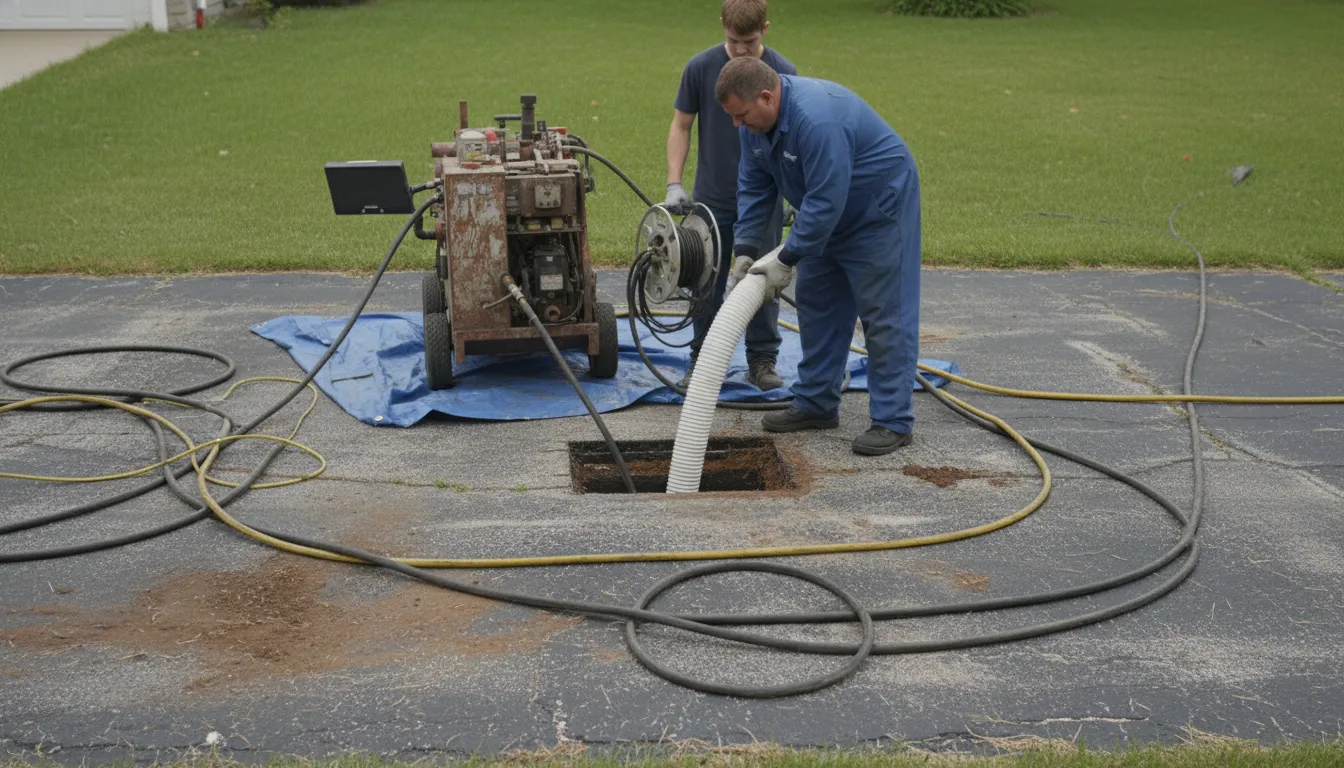
Trenchless sewer repair is a category of methods used to rehabilitate or replace damaged underground sewer and drain pipes without the need for extensive, disruptive digging. Instead of a traditional trench that might run the entire length of your yard, trenchless techniques typically require only one or two small access pits. The work is then performed from inside the pipe itself, using advanced technology to install a new, durable pipe line. This "no-dig" approach is designed to save time, reduce property damage, and often provide a longer-lasting solution than traditional patch repairs.
In Utah, where soil conditions can vary from expansive clay to rocky substrates, and where many neighborhoods have mature landscaping, the benefits of a trenchless approach are significant. It avoids the costly and time-consuming restoration of lawns, gardens, sprinkler systems, and concrete surfaces that follows a traditional excavation.
How Trenchless Methods Work in Utah
Two primary trenchless technologies are used for sewer line repairs and replacements in Utah. A professional will recommend the best method after a thorough video camera inspection of your line.
1. Cured-In-Place Pipe (CIPP) Lining
Often called "pipe lining," this is a rehabilitation method. A flexible tube (liner) saturated with a resin, usually epoxy, is inserted into the damaged host pipe. Using air or water pressure, the liner is inverted or pulled through and pressed against the interior walls. It is then cured in place using hot water, steam, or UV light, hardening to form a seamless, jointless "pipe within a pipe." CIPP lining seals cracks, holes, and joint failures, and it strengthens the existing pipe. It is ideal for pipes that are structurally sound but leaking, and it can navigate bends.
2. Pipe Bursting
This is a true trenchless replacement method. A conical bursting head is pulled through the old, damaged pipe, fracturing it outward into the surrounding soil. Simultaneously, a new high-density polyethylene (HDPE) pipe, which is highly resistant to corrosion and root intrusion, is pulled in behind the bursting head to occupy the same path. Pipe bursting is used when the old pipe is too collapsed, misaligned, or degraded to be lined. It results in a completely new pipe with a diameter equal to or slightly larger than the original.
The Trenchless Repair Process: Step-by-Step
A professional trenchless repair follows a systematic process to ensure a successful, long-term fix.
- Video Camera Inspection: The first and most critical step is a comprehensive sewer camera inspection. A specialized waterproof camera is snaked through the line to pinpoint the exact location, nature, and extent of the damage (e.g., root penetration, cracks, bellies, collapses). This diagnostic step is non-negotiable for planning the correct repair.
- Hydro-Jetting & Cleaning: Before any repair can begin, the pipe must be thoroughly cleaned. High-pressure water jetting scours the interior walls, removing grease, scale, roots, and debris to create a clean surface for lining or to allow the bursting tool to pass through smoothly.
- Access Point Excavation: One or two small access pits (typically 4'x4' or smaller) are dug at strategic points, usually at the beginning and end of the repair section. This is the only excavation required.
- Trenchless Repair Execution: Depending on the diagnosis, the crew will perform either the CIPP lining or pipe bursting procedure as described above.
- Reconnection and Final Inspection: After the new liner or pipe is installed, lateral connections from your home are reinstated. A final camera inspection is conducted to verify the integrity and proper installation of the new line before the access pits are backfilled 1.
Benefits of Choosing Trenchless Repair in Utah
- Minimal Landscape Disruption: This is the most celebrated advantage. Your lawn, gardens, trees, patios, and driveways remain largely intact, saving you thousands in restoration costs and preserving your property's aesthetics 2.
- Faster Completion: Most trenchless repairs can be completed in one to two days, compared to a week or more for traditional excavation, which includes digging, repairing, and extensive restoration.
- Increased Durability: The materials used, especially HDPE from pipe bursting and epoxy resin from CIPP, are highly resistant to corrosion, chemical attack, and root intrusion, often providing a 50-year or longer service life.
- Improved Flow Capacity: The new pipe interior is smooth, reducing friction and improving flow. Pipe bursting can also slightly increase the pipe diameter.
- Cost-Effective in the Long Run: While the upfront material and technology costs can be higher, you save significantly on labor for massive excavation and landscape/surface restoration. The total project cost is often comparable or even lower when all factors are considered.
Find the perfect trenchless sewer repair companies for your needs
Get personalized recommendations and expert advice
Understanding Costs for Trenchless Sewer Repair in Utah
The cost of trenchless sewer repair is not a flat fee; it is typically calculated per linear foot. In Utah, homeowners can expect a general range of $80 to $250 or more per linear foot 3 4. The total cost for a typical residential project often falls between $2,000 and $10,000+, depending on the specifics of the job 3.
Several key factors influence the final price:
- Length of the Repair Section: The primary cost driver.
- Pipe Depth and Accessibility: Deeper pipes or difficult access points can increase labor.
- Method Used: Pipe bursting may have different cost factors than CIPP lining.
- Number of Bends and Connections: More complex layouts require more labor and expertise.
- Soil Conditions: Rocky soil can add complexity to pipe bursting.
- Local Permit Fees: Required in most municipalities.
- Extent of Damage: Severe collapses or multiple issues may affect the approach and price.
For an accurate estimate, it is essential to get a professional assessment with a camera inspection. Reputable companies will provide a detailed quote based on the video evidence 5.
Regulations and Professional Standards in Utah
Adhering to state and local regulations is a hallmark of professional work.
- Utility Location (Blue Stakes): Before any digging, even for small access pits, you or your contractor must call 811. This free service dispatches utility companies to mark the location of public underground lines (gas, water, electric, communications) on your property. This is a critical safety and legal requirement.
- Licensing and Permits: Sewer line repair work should be performed by a licensed plumbing contractor. A legitimate professional will pull all required city or county permits for the work, which ensures the repair is inspected and meets current building and plumbing codes 6.
- Insurance and Warranties: Always verify that the company carries liability insurance and workers' compensation. A strong warranty on both materials and labor (often 10-50 years) is a sign of confidence in the quality of the trenchless repair.
Is Trenchless Repair Always the Right Choice?
While trenchless technology is versatile, there are situations where traditional excavation might be necessary:
- Severe Pipe Misalignment or "Bellies": If a section of pipe has sunk dramatically, creating a low point that collects waste, it may need to be physically replaced and re-graded.
- Multiple, Separate Problems: If damage is scattered over long, disconnected sections of pipe, a full traditional replacement might be more economical.
- Access Limitations: Some properties may not have the space needed for the equipment or access pits.
A trustworthy professional will present all feasible options, explaining the pros, cons, and costs of each, so you can make an informed decision for your Utah home.
Frequently asked questions
Sources
Footnotes
-
Trenchless Pipe Repair: 5 Ways To Protect Your Utah Home - https://anyhourservices.com/utah/trenchless-pipe-repair-5-ways-to-protect-home/ ↩
-
Trenchless Sewer Repair: Lower Cost, Lower Impact Sewer ... - https://www.sewerflowllc.com/2025/03/06/trenchless-sewer-repair-lower-cost-lower-impact-sewer-repair/ ↩
-
Trenchless vs Traditional Sewer Repair: Pros, Cons & Cost ... - https://utah-trenchless.com/blog/trenchless-vs-traditional-sewer-repair/ ↩ ↩2
-
How Much Does Trenchless Sewer Repair Cost? - https://aridvalleyaz.com/how-much-does-trenchless-sewer-repair-cost/ ↩
-
Your Guide to Calculating Trenchless Sewer Repair Costs - https://sekisui-spr.com/blog/2021/05/17/trenchless-sewer-repair-costs/ ↩
-
Best Trenchless Pipe Repair Services in Farmington, UT - https://www.pipeprosutah.com/drain-and-sewer-utah/trenchless-sewer-line-repairs-utah/ ↩