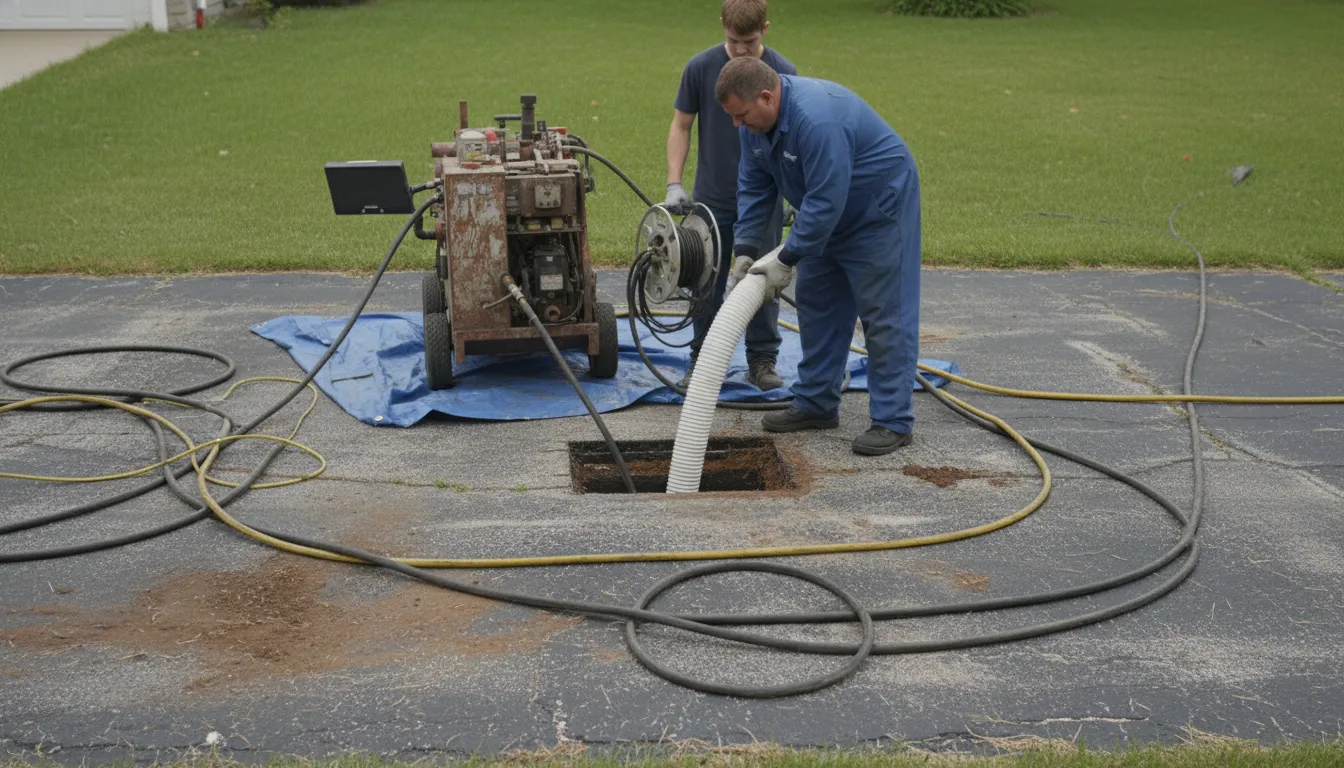
Find the Best Trenchless Sewer Repair Companies for Your Business
No obligation • Fast responses • Nationwide coverage

Why you can trust Search a Plumber
Search a Plumber is a leading United States resource for finding and evaluating professional plumbing services. Our team researches licensing, experience, and customer feedback to create unbiased, fact-driven overviews. Companies cannot pay to change ratings or placement, ensuring homeowners get trustworthy information.
Search providers near you
Top Trenchless Sewer Repair Companies in Texas City, Texas Ranked
A damaged sewer line is a serious problem that can disrupt your home and damage your property. Trenchless sewer repair is a modern, minimally invasive method for fixing underground pipes without the need for extensive digging. This approach is crucial for Texas City homeowners as it preserves landscaping, driveways, and patios while providing a durable, long-term solution. The following information will help you understand your options, the process, and how to connect with local professionals who specialize in these advanced pipe rehabilitation techniques.
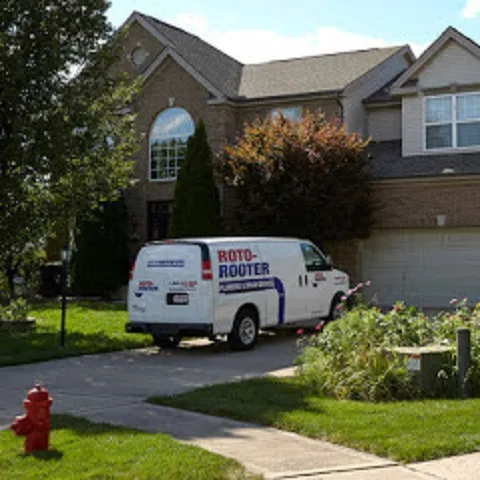
Roto-Rooter Plumbing & Water Cleanup
3366 FM 528 Rd Unit B5, Friendswood, TX 77546
Roto-Rooter Plumbing & Water Cleanup provides comprehensive plumbing services in Houston, TX, including drain cleaning, water heater repair and installation, sewer line repair, and water softener installation. They offer 24/7 emergency support for urgent plumbing issues and use advanced equipment such as hydro-jetting and sewer camera inspections to diagnose and resolve problems efficiently. Their sewer line repairs include both conventional excavation and trenchless methods to minimize disruption. Roto-Rooter serves the Friendswood area and surrounding communities with licensed and insured professionals.
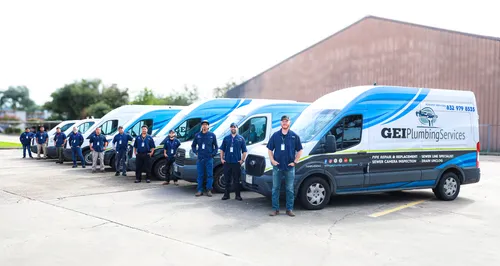
GEI Plumbing Services Pasadena
2113 Norman St, Pasadena, TX 77506
GEI Plumbing Services Pasadena is a plumbing company serving homeowners and businesses in Houston, TX. They provide a wide range of plumbing services including sewer camera inspections, water heater repair and installation, drain cleaning, hydro jetting, sewer line repair, trenchless sewer repair, leak detection, repiping, and toilet repair. The company is experienced in handling plumbing issues related to aging infrastructure and seasonal weather impacts common in the area. They offer 24/7 emergency plumbing services to address urgent problems at any time. GEI Plumbing Services Pasadena serves many neighborhoods within Pasadena and the greater Houston area, delivering both residential and commercial plumbing solutions.
Du-West Total Plumbing
510 Pasadena Fwy, Pasadena, TX 77506
Du-West Total Plumbing provides a wide range of plumbing services in Houston, TX. Their offerings include sewer camera inspections, water heater repair and installation, drain cleaning, hydro jetting, sump pump repair, sewer line repair including trenchless methods, leak detection, repiping with PEX, gas line installation, and garbage disposal repair. They use advanced technology such as camera inspections and electronic leak detection to diagnose and address plumbing issues efficiently. Du-West emphasizes minimizing disruption with trenchless sewer repairs and offers comprehensive plumbing maintenance plans. Their team is equipped to handle both residential and commercial plumbing needs.
Understanding Trenchless Sewer Line Rehabilitation
Trenchless technology, often called "no-dig" sewer repair, encompasses two primary methods: Cured-In-Place Pipe (CIPP) lining and pipe bursting. Unlike traditional excavation, which requires digging a long, deep trench to access the entire pipe, trenchless methods use existing access points like cleanouts or small entry pits. A new, structurally sound pipe is created or pulled through the old one, effectively sealing cracks, blocking root intrusion, and restoring full flow. This is especially valuable in established Texas City neighborhoods with mature trees, concrete surfaces, and intricate irrigation systems that homeowners wish to protect.
Trenchless Repair vs. Traditional Excavation: Choosing the Right Method
Not every sewer problem can be solved with a trenchless solution. Understanding the difference helps in making an informed decision when consulting with a professional.
When Trenchless Repair is Ideal: Trenchless pipe lining or bursting is typically the best choice for specific types of damage where the original pipe is mostly intact. This includes:
- Cracks and leaks: Small fractures or holes that are causing leaks into the surrounding soil.
- Root intrusion: Roots that have penetrated pipe joints but haven't completely collapsed the line.
- Minor offsets: Sections where the pipe has settled slightly out of alignment.
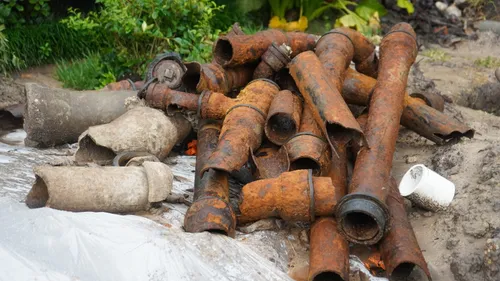
- Corrosion and deterioration: Pipes that have lost internal diameter due to scaling or wear but still hold their shape.
The trenchless approach is ideal when preserving your yard, driveway, or landscaping is a top priority, and when existing access points are available.
When Traditional Excavation May Be Necessary: There are situations where full excavation is the only viable option:
- Complete pipe collapses: Where the pipe has flattened or shattered.
- Major pipe breaks: Severe damage where the pipe is too deformed for a liner to pass through.
- Access limitations: If there are no viable entry points or too many sharp bends for trenchless equipment.
- Full line replacement: When the entire sewer lateral, from house to main, needs to be replaced with a different material or size.
While excavation handles these severe cases, it comes with significantly higher costs for restoring the excavated landscape, concrete, and hardscaping 1 2.
The Step-by-Step Trenchless Repair Process
A professional trenchless sewer repair follows a systematic, multi-stage process to ensure a lasting fix.
- Camera Inspection: The first and most critical step is a video camera inspection. A specialized, waterproof camera is snaked through the sewer line to pinpoint the exact location, nature, and extent of the damage. This diagnostic tool provides a clear view of the pipe's interior condition, which dictates the repair strategy.
- Hydro-Jetting & Cleaning: Before any repair can begin, the pipe must be thoroughly cleaned. High-pressure water jetting scours the interior walls, removing grease, debris, mineral scale, and tree roots. This step is essential for ensuring the new liner adheres properly or for clearing a path for pipe bursting.
- Lining or Bursting: This is the core repair phase.
- CIPP Lining: A flexible, resin-saturated felt tube (liner) is inverted or pulled into the damaged pipe. Using air or water pressure, the liner is expanded to fit tightly against the host pipe's walls. The resin is then cured using hot water or UV light, forming a hard, jointless "pipe-within-a-pipe" 3.
- Pipe Bursting: A bursting head is pulled through the old, damaged pipe. As it advances, it fractures the old pipe outward while simultaneously pulling a new, high-density polyethylene (HDPE) pipe into place behind it. This method actually replaces the old pipe with a new one of equal or larger diameter 4.
- Final Inspection and Testing: Once the repair is complete, a final camera inspection is conducted to verify the new pipe's integrity, smooth interior, and proper seal. The system is then tested for flow to ensure everything is functioning correctly before the access points are closed.
Find the perfect trenchless sewer repair companies for your needs
Get personalized recommendations and expert advice
Costs, Permits, and Local Considerations in Texas City
Understanding the financial and regulatory landscape is key to planning your sewer repair project.
Cost Comparison: Trenchless repair costs are typically calculated per linear foot, with the total project cost depending on the length and depth of the line, the method used, and the extent of damage.
- Trenchless Methods: Generally range from $80 to $250 or more per foot, with total projects often falling between $3,000 and $15,000 5.
- Traditional Excavation: Can cost $100 to $300+ per foot, with total costs frequently between $6,000 and $25,000 or more due to the added labor and massive restoration work required 6 7.
While the per-foot material cost for trenchless can be higher, it almost always results in significant savings on restoration expenses (landscaping, concrete, decking, etc.), making it a cost-effective choice overall for eligible repairs 8.
Permits and Regulations: Sewer line repairs and replacements almost always require a permit from the City of Texas City or Galveston County. These regulations ensure the work meets local building and plumbing codes. A licensed plumbing professional will typically handle the permit application process, but homeowners should be aware that permit fees (which can range from a few hundred to over a thousand dollars) and required municipal inspections are part of the project's scope and cost 9 10 11 12.
Local Factors for Texas City Homeowners:
- Access Points: The feasibility and cost of trenchless repair heavily depend on the location and condition of your existing cleanouts or manholes. Easy access simplifies the process.
- Soil and Environment: Texas City's soil conditions and high water table can make traditional digging messy and structurally risky for nearby foundations. Trenchless methods minimize soil disturbance, which is a major advantage in such environments 13.
- Choosing a Pro: It is essential to get multiple quotes from plumbing companies in the greater Houston area that have specific, proven experience with trenchless technology. They can provide the most accurate assessments for your property and navigate local permit requirements 14.
Long-Term Benefits of a Trenchless Solution
Opting for a trenchless sewer repair offers advantages that extend far beyond the day the work is completed. The seamless, jointless nature of CIPP liners prevents future root intrusion at pipe joints, a common failure point in traditional clay or cast iron pipes. The materials used, like epoxy resin and HDPE, are highly resistant to corrosion and chemical damage from household waste. Furthermore, by avoiding the compaction and disruption caused by backfilling a large trench, you protect the root systems of your trees and the integrity of your yard's drainage. This investment not only fixes an immediate problem but also contributes to the long-term health and value of your Texas City property.
Frequently asked questions
Sources
Footnotes
-
Trenchless Sewer Line Repair vs. Sewer Line Excavation - https://dandfplumbing.com/sewer-line-repair-vs-sewer-line-excavation/ ↩
-
What Trenchless Sewer Repair Costs & What Impacts the Price - https://www.sunsethc.com/what-trenchless-sewer-repair-really-costs-and-what-impacts-the-price/ ↩
-
Trenchless Sewer Repair vs. Traditional Excavation - AQUALIS - https://aqualisco.com/trenchless-sewer-repair-vs-traditional/ ↩
-
Trenchless Sewer Repair and Pipe Liners | Champion Home Services - https://www.championac.com/plumbing-services/trenchless/ ↩
-
Trenchless Sewer Repair in Houston, TX - NIcks Plumbing - https://www.nicksplumbing.com/services/trenchless-sewer-repair-houston/ ↩
-
Trenchless Sewer Repair vs. Traditional Excavation - https://tdtplumbing.com/trenchless-sewer-repair/difference-to-traditional-repair/ ↩
-
No Dig Sewer Repair: What to Expect in Fort Worth - Mother - https://www.callmother.com/blogs/no-dig-sewer-repair-fort-worth ↩
-
Trenchless vs. Traditional Sewer Repair - https://sewerlinesonly.com/trenchless-vs-traditional-sewer-repair-which-is-more-cost-effective-for-lakewood-homeowners/ ↩
-
Trenchless Sewer Repair Odessa TX | NuFlow Case Study - https://ifixpipe.com/trenchless-sewer-repair-explained-how-nuflow-saves-odessa-homes-case-study-cost-breakdown/ ↩
-
How Much Does Sewer Line Repair Cost in San Antonio? - https://anchorplumbingservices.com/sewer-line-repair-cost/ ↩
-
How Much Does Trenchless Sewer Line Piping Cost? [2026 Data] - https://www.angi.com/articles/trenchless-sewer-line-replacement-cost.htm ↩
-
Trenchless Sewer Line Replacement - Free Estimates - https://reliantplumbing.com/drains/sewer-system-repair/trenchless-pipe-repair/ ↩
-
Trenchless Sewer Repair vs. Traditional Excavation - https://alphaenvironmental.net/blog/trenchless-sewer-repair-vs-traditional-excavation-which-is-better/ ↩
-
Expert Trenchless Sewer Repair San Antonio TX | Premier Pros - https://premierpros.us/plumbing-services/trenchless-sewer-repair/ ↩