Find the Best Trenchless Sewer Repair Companies for Your Business
No obligation • Fast responses • Nationwide coverage

Why you can trust Search a Plumber
Search a Plumber is a leading United States resource for finding and evaluating professional plumbing services. Our team researches licensing, experience, and customer feedback to create unbiased, fact-driven overviews. Companies cannot pay to change ratings or placement, ensuring homeowners get trustworthy information.
Search providers near you
Top Trenchless Sewer Repair Companies in Leander, Texas Ranked
Facing a damaged sewer line can be a stressful and disruptive problem for any Leander homeowner. Fortunately, modern trenchless sewer repair offers a sophisticated solution that fixes pipes with minimal digging, preserving your yard and your peace of mind. This guide explains what trenchless sewer line repair is, how it works in the Leander area, and how you can connect with qualified local professionals to assess and resolve your sewer issues efficiently.
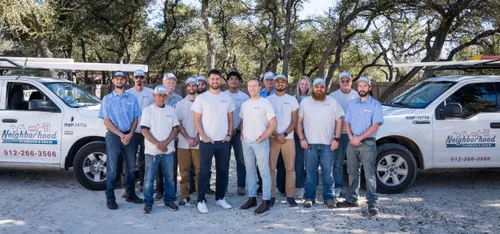
Neighborhood Plumbing and Drain - Georgetown
104 Country Rd, Georgetown, TX 78628
Neighborhood Plumbing and Drain - Georgetown is a licensed plumbing company serving the Georgetown area near Austin, TX. They provide a wide range of plumbing services including drain cleaning, water heater repair and installation, leak detection, repiping, sewer line inspection and trenchless sewer repair, as well as garbage disposal repair. The company uses advanced tools such as high-resolution sewer cameras and modern leak detection equipment to deliver precise diagnostics and repairs. Their team focuses on addressing plumbing issues thoroughly to prevent recurring problems. Neighborhood Plumbing and Drain emphasizes transparent pricing and customer satisfaction in all their work.
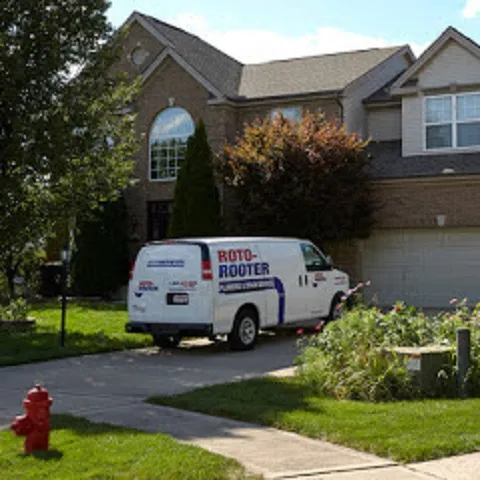
Roto-Rooter Plumbing & Water Cleanup
3016 Polar Ln #203, Cedar Park, TX 78613
Roto-Rooter Plumbing & Water Cleanup provides a wide range of plumbing services in Austin, TX, including water heater repair, drain cleaning, sewer line repair, and water softener installation. The company specializes in addressing challenges caused by local soil and water conditions, such as root intrusion and mineral deposits. Their skilled technicians use advanced methods like trenchless sewer repair and hydro jetting to minimize property disruption while restoring proper function. Roto-Rooter also offers 24/7 emergency plumbing services, ensuring support is available whenever needed.
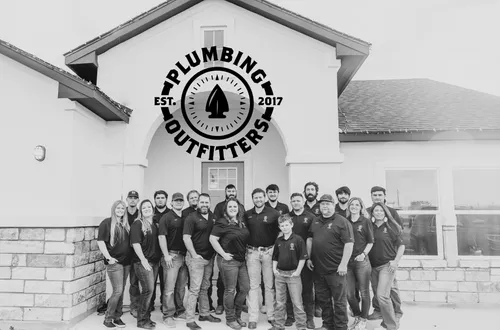
Plumbing Outfitters
1311 Chisholm Trail Rd Suite 404, Round Rock, TX 78681
Plumbing Outfitters is a licensed plumbing company serving Austin, TX, and the surrounding areas. Led by Master Plumber Warren Stroud and co-owner Ashley Stroud, the team offers a wide range of plumbing services including sewer camera inspections, water heater installation and repair, hydro jetting, leak detection, trenchless sewer repair, and gas line installation. They use advanced tools like camera inspections and trenchless technology to diagnose and resolve plumbing issues accurately while ensuring compliance with Texas plumbing codes. With over five decades of combined experience, Plumbing Outfitters focuses on delivering long-lasting solutions and maintaining strong community relationships. They provide 24-hour emergency plumbing services to help keep Austin homes safe.
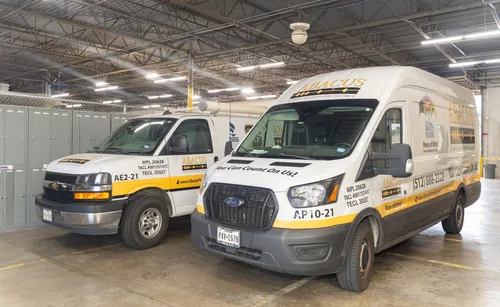
Abacus Plumbing, Air Conditioning, & Electrical
2106 Denton Dr, Austin, TX 78758
Abacus Plumbing, Air Conditioning, & Electrical is a full-service home service provider based in Austin, TX. They offer a wide range of plumbing services including sewer and drain cleaning, water heater installation and repair, leak detection, repiping, gas line installation, and hydro jetting. The company uses advanced technology such as sewer camera inspections and provides trenchless sewer repair solutions. Founded by a master plumber, Abacus has been serving the Austin area since 2003, offering licensed and trained technicians for plumbing, HVAC, and electrical services. They provide 24/7 emergency plumbing service to address urgent needs at any time.
Plumbing Outfitters
1250 S Capital of Texas Hwy #400, West Lake Hills, TX 78746
Plumbing Outfitters is a licensed plumbing team serving Austin, TX, with over 50 years of combined experience. They specialize in a range of plumbing services including sewer camera inspections, water heater repair and installation, water softener installation, drain cleaning, hydro jetting, sewer line repair, trenchless sewer repair, leak detection, and repiping. The company is known for using advanced diagnostic tools like trenchless detection and camera inspections to accurately identify issues and provide solutions that comply with Texas state codes. Plumbing Outfitters also offers 24-hour emergency plumbing services to address urgent plumbing problems promptly.
What is Trenchless Sewer Repair?
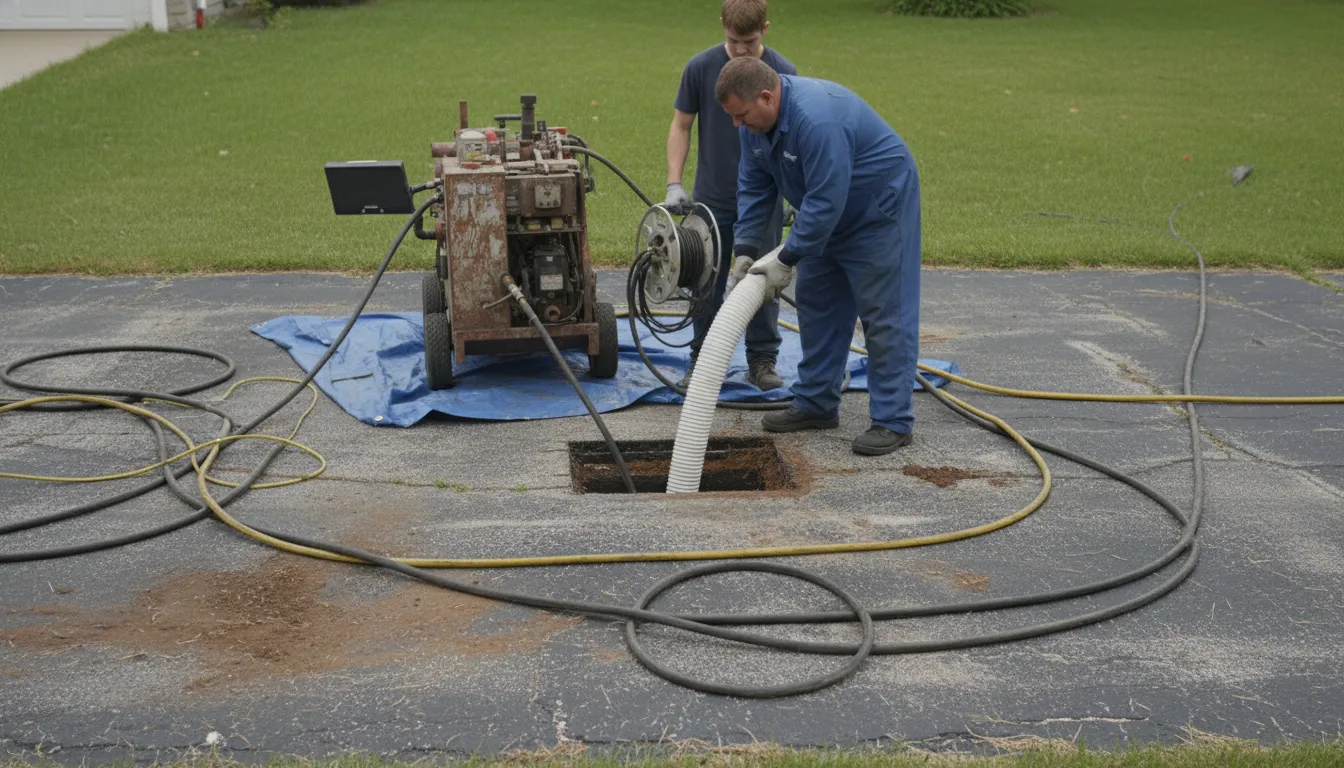
Trenchless sewer repair, often called pipe lining or cured-in-place pipe (CIPP) lining, is a modern method for rehabilitating damaged underground sewer pipes without the need for extensive excavation. Instead of digging a long, deep trench across your property, technicians use existing access points like cleanouts to insert a flexible, epoxy-saturated liner into the old pipe. This liner is then inflated and cured with heat or UV light, forming a seamless, durable new pipe within the old one. Another trenchless method, pipe bursting, involves pulling a new high-density polyethylene (HDPE) pipe through the old line, simultaneously fracturing the old pipe outward. The core benefit is clear: these no-dig techniques solve serious plumbing problems while dramatically reducing the disruption to your landscaping, driveway, and daily life.
Trenchless vs. Traditional Excavation in Leander
When your sewer line fails, you generally have two repair paths: trenchless rehabilitation or traditional excavation. The right choice depends heavily on the specific condition of your pipes and the layout of your property.
When Trenchless is the Ideal Solution: Trenchless pipe repair is typically the best option for common issues in Leander's clay or older pipes. It is highly effective for:
- Cracks and leaks caused by ground shifting or age.
- Pipe damage from invasive tree root intrusion.
- Corroded or bellied pipes that have lost proper alignment but are not fully collapsed.
- Situations where minimizing yard restoration is a top priority, such as under driveways, decks, or mature landscaping.
When Traditional Excavation May Be Necessary: While trenchless methods are versatile, there are times when full excavation is unavoidable. This traditional dig-and-replace approach is usually required for:
- Severely collapsed or crushed sewer lines.
- Pipes with major misalignment or multiple large offsets.
- Situations where a complete pipe replacement is deemed more cost-effective or structurally sound than a lining repair 1 2 3.
A professional camera inspection is the critical first step to determine which method is suitable for your home's unique situation.
The Trenchless Repair Process: Step-by-Step
Understanding the workflow can demystify the repair process. A professional trenchless sewer repair in Leander typically follows these key stages:
- Camera Inspection: A specialized sewer camera is fed through the line to pinpoint the exact location, nature, and extent of the damage. This video diagnosis is essential for creating a precise repair plan.
- Pipe Cleaning: Before any repair can begin, the existing pipe must be thoroughly cleaned. High-pressure water jetting is used to clear out roots, grease, debris, and scale to ensure a proper bond for the new liner.
- Lining or Bursting: For CIPP lining, a resin-saturated felt tube is inverted or pulled into the damaged pipe. It is then inflated against the host pipe's walls and cured, forming a jointless "pipe within a pipe". For pipe bursting, a conical bursting head is pulled through the old pipe, breaking it apart while simultaneously pulling in the new HDPE pipe behind it.
- Re-inspection and Testing: Once the new liner has cured or the new pipe is installed, a final camera inspection verifies the repair's integrity and smoothness. A flow test is often conducted to ensure proper drainage.
- Restoration: The major advantage of trenchless technology shines here. Since the work was done through small access pits, restoration is minimal. Typically, it involves simply backfilling the small entry and exit holes and reconnecting your household fixtures.
This streamlined process allows most trenchless repairs to be completed in just 1 to 3 days, getting your plumbing back to normal with remarkable speed.
Find the perfect trenchless sewer repair companies for your needs
Get personalized recommendations and expert advice
Permits, Inspections, and Local Codes
Even though trenchless sewer repair is less invasive, it often still requires proper permits and inspections in Leander and Williamson County. Reputable local plumbing professionals will typically handle this paperwork on your behalf. Permits, such as a Right-of-Way permit for work near or under public easements, ensure the repair meets municipal standards for safety and environmental protection 4. Inspections are a standard part of the process; the initial camera inspection serves as a diagnostic tool, and a final inspection may be required by the city to verify the repair's compliance with local plumbing codes before the work is officially closed out 5 4. Always confirm that your chosen provider is familiar with and will obtain all necessary local permits.
Understanding Trenchless Repair Costs in Leander
The cost of trenchless sewer line repair is influenced by several factors, including the length of the damaged section, the diameter of the pipe, the specific repair method (lining vs. bursting), and the severity of the damage. It's important to view cost not just as an upfront price, but in the context of the total project impact.
- Per-Foot Costs: Trenchless repair in the Leander area typically ranges from $80 to $285 or more per linear foot 6.
- Typical Project Range: For an average repair project, total costs often fall between $1,900 and $6,000+ 7.
- Additional Costs: Remember to factor in the cost of the mandatory camera inspection (which can range from $175 to $500+) and any required permits, which can add several hundred dollars to the project total 8 9.
- Cost Comparison: While the per-foot cost for trenchless methods can be higher than traditional digging, the overall project cost is frequently comparable or even lower. This is because you avoid massive expenses associated with excavation: no costs for heavy machinery rental, no large crew labor for digging and backfilling, and most significantly, little to no cost for restoring your lawn, landscaping, concrete, or other hardscapes 10. The value lies in what you don't have to pay for and repair afterward.
Key Benefits of Choosing Trenchless Methods
The advantages of trenchless sewer rehabilitation extend far beyond just a cleaner yard.
- Minimal Disruption: Your property stays intact. There's no need to tear up your garden, driveway, or patio to reach the pipe.
- Speed and Efficiency: Most projects are completed in a day or two, significantly faster than large-scale excavation projects that can take a week or more 11 12.
- Durability: The epoxy liners used in CIPP create a jointless, corrosion-resistant pipe that can last for decades, often with a smoother interior than the original pipe, improving flow 13.
- Environmental & Community Benefit: By drastically reducing soil disturbance and the need for trucking away tons of dirt and bringing in fill, trenchless repair is a more environmentally friendly option. It also reduces noise and inconvenience for your neighbors.
Frequently asked questions
Sources
Footnotes
-
Trenchless Sewer Repair vs Traditional - https://piperestorationsolutions.com/trenchless-sewer-repair-vs-traditional/ ↩
-
Empower Your Decision: Decoding Trenchless Sewer Repair Costs - https://pipelinerpros.com/trenchless-sewer-repair-cost/ ↩
-
Trenchless Sewer Repair vs. Traditional Excavation - https://alphaenvironmental.net/blog/trenchless-sewer-repair-vs-traditional-excavation-which-is-better/ ↩
-
Permit and Code Essentials for Trenchless Projects: What Inspectors ... - https://www.wefixdrains.com/blog/permit-and-code-essentials-for-trenchless-projects-what-inspectors-check/ ↩ ↩2
-
Trenchless Sewer Repair vs Traditional Method - CPI Service - https://cpiservice.com/blog/trenchless-pipe-repair-vs-traditional-method/ ↩
-
Trenchless Sewer Line Repair vs. Sewer Line Excavation - https://dandfplumbing.com/sewer-line-repair-vs-sewer-line-excavation/ ↩
-
How much does it cost to repair a sewer using trenchless methods? - https://sewerpros.com/trenchless-sewer-repair-cost/ ↩
-
How Much Does Trenchless Sewer Line Piping Cost? [2026 Data] - https://www.angi.com/articles/trenchless-sewer-line-replacement-cost.htm ↩
-
Trenchless Sewer Repair vs. Traditional Excavation - https://tdtplumbing.com/trenchless-sewer-repair/difference-to-traditional-repair/ ↩
-
Trenchless vs. Traditional Sewer Repair - https://sewerlinesonly.com/trenchless-vs-traditional-sewer-repair-which-is-more-cost-effective-for-lakewood-homeowners/ ↩
-
Trenchless Sewer Repair Odessa TX | NuFlow Case Study - I Fix Pipe - https://ifixpipe.com/trenchless-sewer-repair-explained-how-nuflow-saves-odessa-homes-case-study-cost-breakdown/ ↩
-
Trenchless Sewer Repair vs. Traditional Excavation - AQUALIS - https://aqualisco.com/trenchless-sewer-repair-vs-traditional/ ↩
-
Trenchless Sewer Line Repairs: Top 3 Proven Benefits - https://bayshoreplumbers.com/plumber/trenchless-sewer-line-repairs/ ↩