Find the Best Trenchless Sewer Repair Companies for Your Business
No obligation • Fast responses • Nationwide coverage

Why you can trust Search a Plumber
Search a Plumber is a leading United States resource for finding and evaluating professional plumbing services. Our team researches licensing, experience, and customer feedback to create unbiased, fact-driven overviews. Companies cannot pay to change ratings or placement, ensuring homeowners get trustworthy information.
Search providers near you
Top Trenchless Sewer Repair Companies in Conroe, Texas Ranked
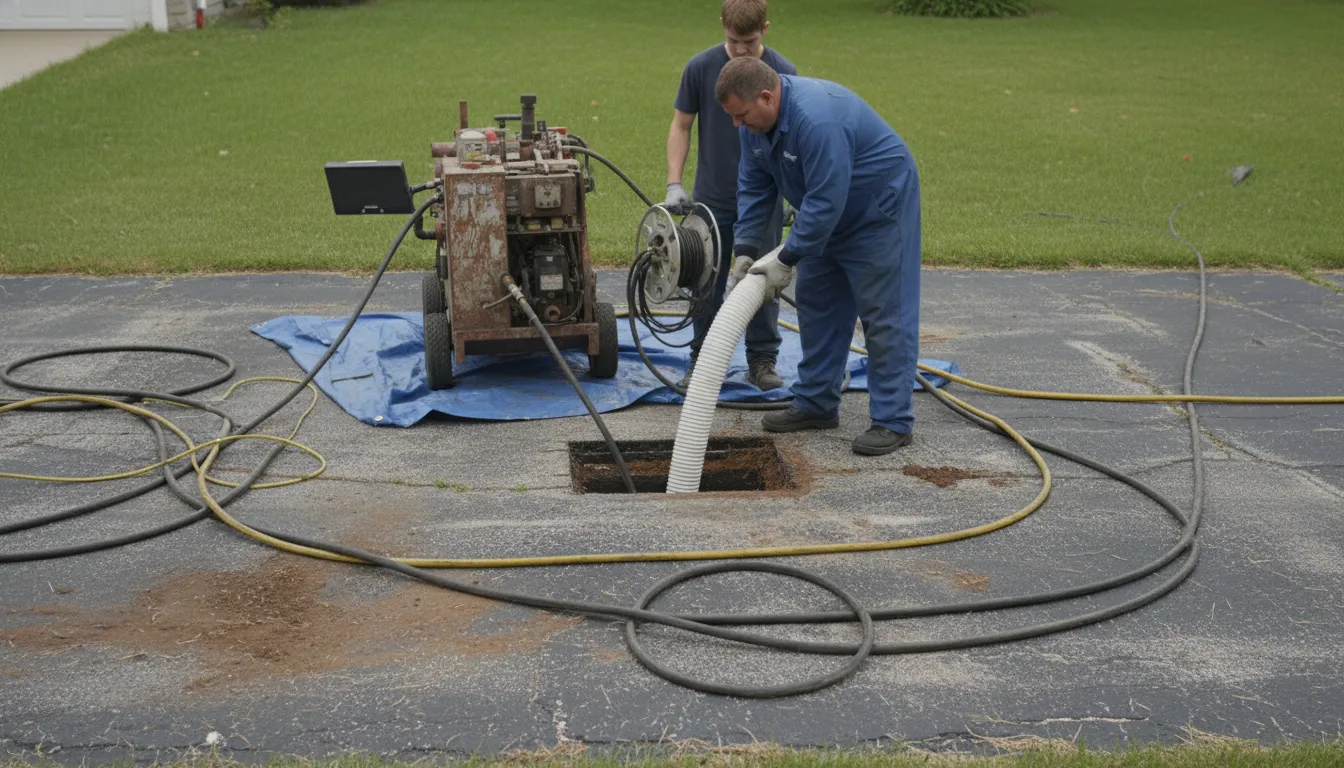
A damaged sewer line is a major headache for any homeowner, but the thought of tearing up your yard, driveway, or landscaping to fix it can be even more daunting. Fortunately, trenchless sewer repair offers a modern, less invasive solution. This advanced method allows plumbers to rehabilitate or replace underground pipes with minimal digging, preserving your property and saving you time and money. For Conroe residents dealing with cracked pipes, root intrusion, or leaks, understanding this technology and connecting with qualified local specialists is the key to a swift and effective resolution.

Zoom Drain
17840 Mound Rd Suite E1, Cypress, TX 77433
Zoom Drain is a drain and sewer plumbing specialist serving Houston, TX, and nearby communities including Cypress, Bellaire, and Katy. They focus on services such as sewer camera inspections, hydro jetting, sewer line repair, trenchless sewer repair, repiping, and garbage disposal repair for both residential and commercial customers. Using advanced technology like sewer cameras and hydrojetting equipment, Zoom Drain can accurately diagnose and resolve issues including tree root intrusions and grease buildup. Established in Cypress, the company has extensive local experience and offers 24/7 emergency service to address urgent drainage problems at any time.
Roto-Rooter Plumbing & Water Cleanup
3403 North Sam Houston Pkwy W #400, Houston, TX 77086
Roto-Rooter Plumbing & Water Cleanup is a plumbing service provider based in Houston, TX. They offer a wide range of services including sewer camera inspections, water heater repairs and installations, water softener and filtration system installations, drain cleaning, hydro jetting, and sewer line repairs using both conventional excavation and trenchless methods. Their commercial plumbing services cater to various industries such as oil and gas, aviation manufacturing, logistics, and retail. The company also provides video camera inspections to diagnose sewer issues and installs different types of water softeners and filtration systems to address Houston's hard water challenges. Roto-Rooter serves Houston and nearby areas including Aldine, Jersey, Hunters Creek, Spring Valley, and North Houston.
GEI Plumbing Services of Spring
2814 Spring Dusk Dr, Spring, TX 77373
GEI Plumbing Services of Spring is a licensed plumbing company serving residential and commercial clients in Spring, TX. They offer a wide range of plumbing solutions including sewer line repair, water heater installation and repair, tankless water heater services, drain cleaning, hydro jetting, leak detection, repiping, and gas line installation. The company is equipped to handle complex plumbing challenges and provides 24/7 emergency plumbing services to address urgent issues promptly. Their team is experienced in working across various neighborhoods in Spring and nearby areas, ensuring customized solutions for local plumbing needs.
Jared's Plumbing, LLC
1212 1st St E ste d, Humble, TX 77338
Jared's Plumbing, LLC is a family-owned plumbing company serving Houston, TX, with over 20 years of experience. They provide a wide range of residential and commercial plumbing services including sewer camera inspections, water heater repair and installation, water softener installation, drain cleaning, hydro jetting, sewer line repair, trenchless sewer repair, gas line installation, and toilet repair. The company is equipped with certified technicians and modern tools to handle various plumbing needs efficiently. Jared's Plumbing offers 24/7 emergency services, ensuring prompt assistance at any time of day or night.
Bluebonnet Waste and Water
Houston, TX
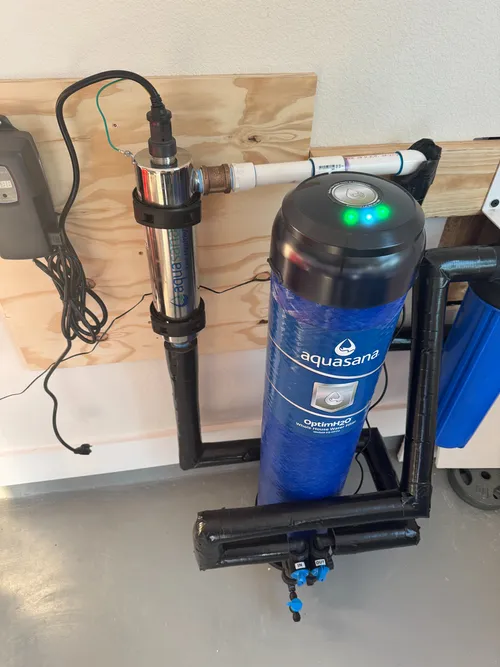
Bluebonnet Waste and Water serves residential and commercial customers in Houston, TX, specializing in water treatment and waste management. Their services include hot water tank replacement, tankless water heater conversion, water softener and reverse osmosis system installation, trenchless sewer replacement, septic system maintenance, and leak detection. The company also offers commercial grease trap cleaning and inspections. With decades of experience, Bluebonnet Waste and Water is known for combining water treatment and waste disposal expertise under one roof. They provide 24/7 on-call service to address urgent needs promptly.
What is Trenchless Sewer Repair?
Trenchless sewer repair, often called "no-dig" or "pipe lining," is a collection of techniques designed to fix or replace underground sewer pipes without the need for extensive excavation. Instead of digging a long, deep trench the entire length of the pipe, technicians use specialized equipment to access the line at just a few key points. From there, they can install a new, durable pipe liner inside the old one or pull a new pipe through the existing path. This approach is a game-changer for residential repairs, as it directly addresses the common issues plaguing Conroe's sewer laterals-like cracks, leaks, and root invasions-while leaving your yard virtually untouched.
How Trenchless Methods Work: CIPP and Pipe Bursting
There are two primary trenchless technologies used for residential sewer line restoration: Cured-In-Place Pipe (CIPP) lining and pipe bursting. Understanding the difference helps you know what to expect when a technician assesses your situation.
CIPP Lining (Pipe Lining): This is the most common trenchless repair for pipes that are structurally compromised but not fully collapsed. The process involves saturating a flexible, resin-coated felt tube with a special epoxy. Technicians insert this liner into the damaged pipe through an existing cleanout or a small access hole. Once in position, the liner is inflated, pressing the resin against the interior walls of the old pipe. The resin is then cured using hot water or UV light, forming a hard, seamless "pipe within a pipe." This new lining seals all cracks, blocks root intrusion, and restores full flow, often with improved performance.
Pipe Bursting: This method is used when a pipe is too damaged for lining or needs to be upsized. A conical bursting head is pulled through the old, failing pipe. As it moves, it fractures the old pipe outward into the surrounding soil. Simultaneously, it pulls a new, high-density polyethylene (HDPE) pipe into place behind it. Pipe bursting is a true replacement, not just a rehabilitation, and is ideal for pipes that have significant bellies, severe corrosion, or are made of outdated materials like Orangeburg.
The Trenchless Repair Process in Conroe
A professional trenchless repair follows a clear, efficient sequence designed to minimize disruption to your home and daily routine.
- Camera Inspection: The first and most critical step is a video camera inspection. A technician will feed a high-resolution, waterproof camera into your sewer line via a cleanout. This allows them to diagnose the exact problem, locate the damage, and measure the pipe's length and condition. This inspection confirms whether trenchless methods are suitable and helps plan the repair 1.
- Access and Preparation: Small access pits are dug at the beginning and end of the section needing repair. These are typically just large enough for a person to work in-far smaller than a traditional trench. The existing pipe is then thoroughly cleaned using high-pressure water jetting to remove debris, roots, and scale, ensuring a perfect surface for the new liner or pipe 2.
- Lining or Bursting: Depending on the chosen method, the technician will install the CIPP liner or perform the pipe bursting procedure. This is the core of the repair and is often completed in just a few hours.
- Final Inspection and Restoration: Once the new pipe or liner is in place, a final camera inspection is conducted to verify the repair's integrity and smooth flow. The small access pits are backfilled, and the site is cleaned up. Because the disruption was so minimal, restoration usually involves little more than replacing a small section of sod or gravel.
Trenchless vs. Traditional Excavation: Which is Right for You?
Choosing between trenchless technology and traditional "dig-and-replace" methods depends entirely on the condition of your sewer line. Here's a breakdown to help you understand the key differences.
When Trenchless Repair is the Best Solution: Trenchless pipe repair is ideal for addressing common, non-catastrophic sewer problems. It is the recommended approach for:
- Cracks and fractures in the pipe wall
- Pinhole leaks or joint separation
- Minor to moderate root intrusion
- Corrosion that hasn't collapsed the pipe
- Pipes with bellies or sags that still have an open channel
The primary advantages are minimal landscape destruction, a much faster completion time (often within a single day), and significant savings on restoration costs since you're not repairing large trenches across your property 3 4.
When Traditional Excavation May Be Necessary: There are situations where full excavation is unavoidable. A trenchless specialist will identify these during the camera inspection. Traditional digging is typically required for:
- Fully collapsed sewer pipes
- Severe misalignment or multiple major breaks
- Situations where the existing pipe path is no longer viable
- When other underground utilities severely block access for trenchless equipment
While more invasive, time-consuming, and costly due to extensive restoration, excavation is sometimes the only way to achieve a complete and lasting repair for severely compromised lines 5 6.
Find the perfect trenchless sewer repair companies for your needs
Get personalized recommendations and expert advice
Understanding the Cost of Trenchless Sewer Repair in Conroe
The cost of a trenchless sewer line repair in Conroe is not a flat fee; it varies based on several project-specific factors. However, it is frequently more cost-effective than traditional excavation when you factor in the avoided costs of landscape and hardscape restoration.
Primary Cost Factors:
- Pipe Length and Depth: The total linear feet of pipe needing repair is the biggest cost driver. Deeper pipes may require more complex access.
- Pipe Material and Diameter: Lining a standard 4-inch residential clay pipe differs from bursting and replacing a 6-inch cast iron line.
- Damage Severity and Location: A simple crack is less costly to line than a section with multiple root intrusions or offsets.
- Accessibility: Easy access to cleanouts and a straight pipe run reduce labor time and cost.
- Contractor Expertise: Reputable, licensed specialists with proper insurance and trenchless experience may command a premium that reflects quality workmanship and warranties.
General Cost Ranges: Based on regional data, homeowners can expect trenchless sewer repair costs to generally fall within these ranges 7 8 9:
- Average Cost per Linear Foot: $80 to $250+
- Short, Straightforward Repairs (under 100 feet): $2,000 to $5,000+
- Longer or More Complex Repairs (100-200 feet, obstacles present): $5,000 to $15,000+
Always request a detailed, written estimate that includes the camera inspection, all materials, labor, permits, and cleanup. A trustworthy contractor will explain each line item and why their proposed solution is the best fit for your problem.
Permits and Regulations in Conroe and Montgomery County
A professional trenchless sewer contractor will typically handle the permitting process for you. In general, permits for trenchless repairs are less extensive than those required for full excavation because there is significantly less disturbance to public rights-of-way and less soil displacement. However, regulations can vary.
In Conroe and the surrounding Montgomery County area, permits often focus on ensuring the repair meets plumbing code standards for slope, connection, and material durability. The process usually involves submitting the repair plan, paying a fee, and scheduling a final inspection where the contractor may need to demonstrate a successful camera inspection and flow test before the work is signed off and the access points are sealed. A qualified local contractor will be familiar with these specific requirements.
The Long-Term Benefits of Choosing Trenchless
Opting for a trenchless sewer fix offers advantages that extend far beyond the day of the repair:
- Preserved Landscaping: Your lawn, gardens, trees, and hardscapes like driveways and walkways remain largely intact.
- Speed and Convenience: Most repairs are completed in a day, minimizing the inconvenience to your household.
- Durability: The new CIPP liner or HDPE pipe is highly resistant to corrosion, root intrusion, and cracking, often with a lifespan of 50 years or more.
- Increased Flow Capacity: Smooth interior walls can improve water flow compared to old, rough-walled pipes.
- Environmental Consideration: Less excavation means less soil disruption and reduced truck traffic for hauling away dirt and bringing in backfill.
For the majority of residential sewer line issues in Conroe, trenchless technology provides a superior, modern solution that solves the underground problem without creating a new one on the surface.
Frequently asked questions
Sources
Footnotes
-
Empower Your Decision: Decoding Trenchless Sewer Repair Costs - https://pipelinerpros.com/trenchless-sewer-repair-cost/ ↩
-
Trenchless Sewer Repair vs Traditional - https://piperestorationsolutions.com/trenchless-sewer-repair-vs-traditional/ ↩
-
Trenchless Sewer Repair: Lower Cost, Lower Impact Sewer ... - https://www.sewerflowllc.com/2025/03/06/trenchless-sewer-repair-lower-cost-lower-impact-sewer-repair/ ↩
-
Trenchless Sewer Repair vs Traditional Method - CPI Service - https://cpiservice.com/blog/trenchless-pipe-repair-vs-traditional-method/ ↩
-
Trenchless Sewer Line Repair vs. Sewer Line Excavation - https://dandfplumbing.com/sewer-line-repair-vs-sewer-line-excavation/ ↩
-
Trenchless Sewer Repair vs. Traditional Excavation - https://alphaenvironmental.net/blog/trenchless-sewer-repair-vs-traditional-excavation-which-is-better/ ↩
-
Trenchless Sewer Repair vs. Traditional Excavation - https://tdtplumbing.com/trenchless-sewer-repair/difference-to-traditional-repair/ ↩
-
Trenchless Sewer Repair in Houston, TX - NIcks Plumbing - https://www.nicksplumbing.com/services/trenchless-sewer-repair-houston/ ↩
-
How Much Does Trenchless Sewer Line Repair Cost? - https://alphaenvironmental.net/blog/how-much-does-trenchless-sewer-repair-cost/ ↩