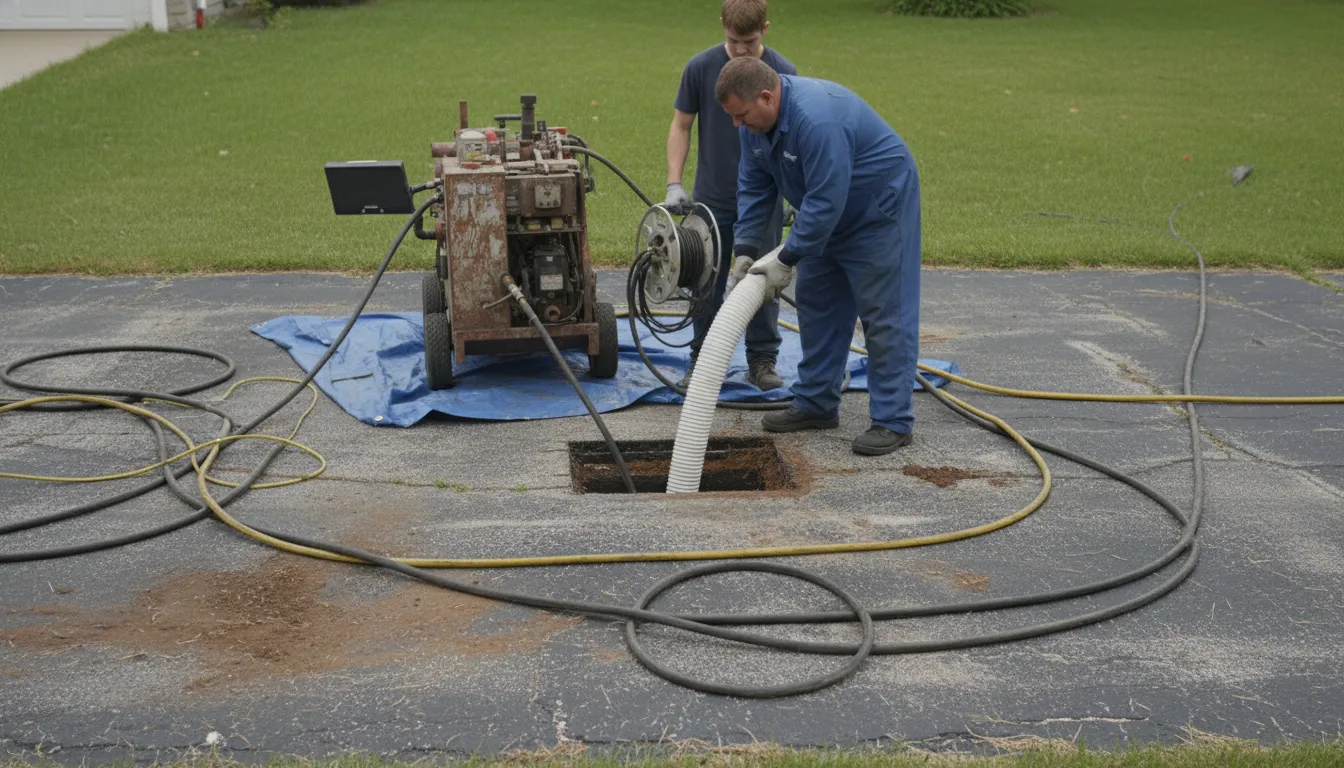
Find the Best Trenchless Sewer Repair Companies for Your Business
No obligation • Fast responses • Nationwide coverage

Why you can trust Search a Plumber
Search a Plumber is a leading United States resource for finding and evaluating professional plumbing services. Our team researches licensing, experience, and customer feedback to create unbiased, fact-driven overviews. Companies cannot pay to change ratings or placement, ensuring homeowners get trustworthy information.
Search providers near you
Top Trenchless Sewer Repair Companies in Pawtucket, Rhode Island Ranked
Dealing with a damaged sewer line can be a homeowner's worst nightmare, often conjuring images of massive excavation, ruined landscaping, and sky-high repair bills. Fortunately, trenchless sewer repair offers a modern, less invasive solution for fixing underground pipes without the need for extensive digging. This advanced method is especially valuable in Pawtucket, where preserving historic landscapes and avoiding disruption to driveways and patios is a priority. This guide will help you understand what trenchless sewer line repair entails, when it's the right choice, and how to navigate the process of finding a qualified local professional to restore your home's essential plumbing.
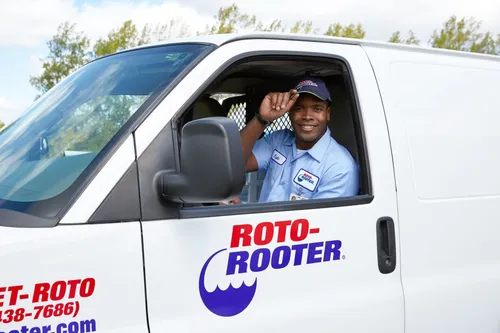
Roto-Rooter Plumbing & Water Cleanup
175 Maple St, Stoughton, MA 02072
Roto-Rooter Plumbing & Water Cleanup provides comprehensive residential and commercial plumbing services in Boston, MA, and the surrounding areas. They specialize in sewer line inspections, repairs, and trenchless pipe replacement, as well as water heater installation and repair, drain cleaning, leak detection, and water softener installation. The company is equipped to handle emergency plumbing situations with 24/7 availability, including floodwater cleanup and mold remediation. With extensive experience servicing the local community, Roto-Rooter uses advanced technology such as hydro jetting to address tough clogs and sewer line issues efficiently.
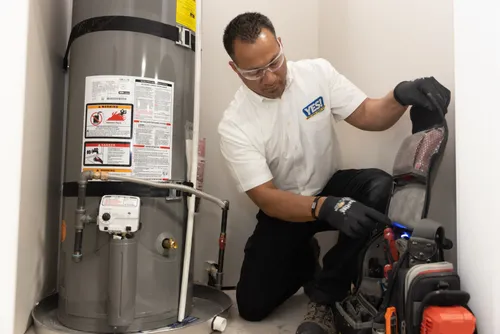
Ingram Plumbing Solutions
805 High St suite 527, Westwood, MA 02090
Ingram Plumbing Solutions is a plumbing and rooter service provider based near Boston, MA, serving Norfolk County and nearby communities. They offer a wide range of services including drain cleaning, hydro-jetting, leak detection, water heater repair and installation, sewer camera inspections, trenchless sewer repairs, fixture installations, and whole-home repiping. Their capabilities include advanced diagnostics using camera, acoustic, and pressure tests to accurately identify plumbing issues. Ingram Plumbing Solutions emphasizes clean, code-compliant work with clear upfront pricing and warranty support. They also provide emergency plumbing services with same-day stabilization and repairs.
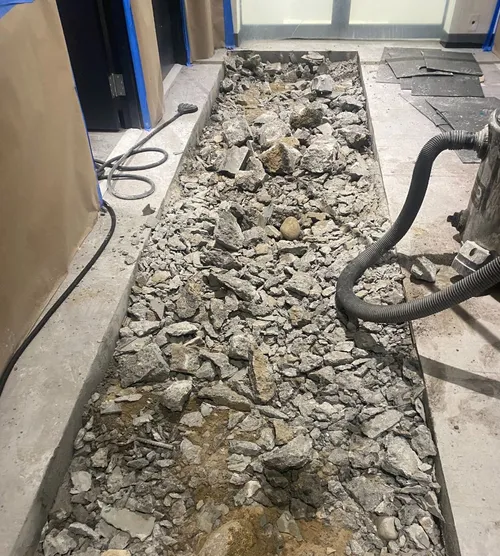
Clear Choice Drain Solutions
22 Messina Dr Unit R, Braintree, MA 02184
Clear Choice Drain Solutions is a plumbing and drain cleaning company serving Boston, MA, and surrounding areas. They provide a wide range of services including trenchless pipelining, hydro-jetting, sewer camera inspections, water heater repair, gas line installation, and commercial grease trap replacement. The company also offers concrete excavation and core drilling related to plumbing projects. Founded in 2012 by CEO Javier Oseguera, Clear Choice Drain Solutions brings over 20 years of experience in drain cleaning and plumbing, focusing on both residential and commercial clients. They emphasize safety, integrity, and quality in their work.
What is Trenchless Sewer Repair?
Trenchless sewer repair is a collection of advanced techniques designed to rehabilitate or replace damaged underground sewer pipes with minimal excavation. Instead of digging a long, deep trench along the entire length of the pipe-a process that can destroy yards, driveways, and hardscapes-these methods typically require only one or two small access points. The most common trenchless methods are Cured-In-Place Pipe (CIPP) lining and pipe bursting.
CIPP lining involves inserting a flexible, resin-saturated tube into the old, damaged pipe. Once in place, the tube is inflated and cured using heat or UV light, hardening to form a new, seamless "pipe-within-a-pipe." This method is ideal for pipes that are cracked, leaking, or suffering from root intrusion but are not completely collapsed. Pipe bursting, on the other hand, involves pulling a new pipe through the old one while simultaneously fracturing the old pipe outward. This technique is used for full replacement when the existing line is too damaged to line.
For Pawtucket homeowners, the primary appeal of these no-dig sewer repair methods is the dramatic reduction in disruption and restoration work, often making them a faster and more cost-effective solution overall 1.
Signs You May Need Sewer Line Repair
How do you know if your home's sewer lateral-the pipe connecting your house to the city main-needs attention? Catching problems early can prevent more extensive damage and often makes you a better candidate for trenchless solutions. Be on the lookout for these common warning signs:
- Frequent Drain Clogs: Multiple drains backing up simultaneously, especially in lower-level fixtures like basement showers or floor drains, often point to a blockage or break in the main sewer line.
- Slow Drains Throughout the House: If all your sinks, tubs, and toilets are draining slowly, even after using chemical drain cleaners or a plunger, the issue is likely deeper in the system.
- Unpleasant Sewage Odors: Foul smells emanating from drains or in your yard, particularly near the cleanout or the path of the sewer line, can indicate a crack or break.
- Soggy Patches or Sinkholes in the Yard: Unexplained areas of lush, green grass or depressions in your lawn can signal that wastewater is leaking from your sewer line and fertilizing the soil.
- Gurgling Sounds: Hearing gurgling noises from your toilets or drains when using other plumbing fixtures suggests air is trapped in the line due to an obstruction.
- Increased Pest Activity: Rodents and insects can enter your home through even small cracks in a sewer pipe.
If you notice any of these issues, the next critical step is a professional sewer camera inspection to accurately diagnose the problem's location and severity.
Trenchless vs. Traditional Excavation: Which is Right for You?
Choosing between trenchless technology and traditional excavation depends entirely on the condition of your existing pipe and your property's specific circumstances. Here's a breakdown to help you understand the best application for each method.
When Trenchless Repair is the Ideal Solution: Trenchless methods like CIPP lining or pipe bursting are perfect for addressing cracked, leaking, root-damaged, or offset pipes where minimizing disruption is a top priority. This makes it the go-to choice for sewer lines running under:
- Driveways and sidewalks
- Landscaped gardens and mature trees
- Patios, decks, and pools
- Finished basements or foundation slabs
The core advantage is preserving your property. Since the work is done from small access pits, you avoid the cost and hassle of rebuilding hardscapes and replanting gardens.
When Traditional Excavation May Be Necessary: There are situations where full excavation is still the required or more practical approach. This traditional method involves digging a trench to expose the entire damaged section of pipe for repair or replacement. It is typically necessary for:
- Severely collapsed pipes or complete breaks where the pipe's structural integrity is gone.
- Pipes that have suffered extreme corrosion or damage that makes them unsuitable as a host for a new liner.
- Major obstructions that cannot be cleared or bypassed.
- Situations where the existing pipe material (like Orangeburg) is too degraded.
While excavation has a higher initial impact on your property, it is sometimes the only way to achieve a complete and lasting fix for the most severe damage 2 3 4.
Find the perfect trenchless sewer repair companies for your needs
Get personalized recommendations and expert advice
The Step-by-Step Trenchless Repair Process
Understanding the process can demystify this advanced technology. A professional trenchless sewer repair in Pawtucket typically follows these key stages:
- Camera Inspection: The process always begins with a thorough video camera inspection. A specialized, waterproof camera is fed into the sewer line through an existing cleanout or access point. This allows the technician to see the exact location, nature, and extent of the damage inside the pipe, which is crucial for determining if trenchless repair is feasible and for planning the job.
- Cleaning and Preparation: Before any repair can happen, the old pipe must be meticulously cleaned. High-pressure hydro-jetting is commonly used to blast away debris, roots, grease, and scale from the pipe walls. This step ensures a smooth surface for the new liner to adhere to properly 5.
- Liner Insertion: For CIPP lining, a flexible felt or fiberglass tube saturated with a special epoxy resin is prepared. This liner is then inverted or pulled into the damaged host pipe using air or water pressure, positioning it perfectly along the entire length of the repair section.
- Curing: Once the liner is in place, it is inflated against the walls of the old pipe. The resin is then cured, usually by circulating hot water or steam through the liner or using UV light. This curing process hardens the resin, transforming the flexible liner into a rigid, durable, and seamless new pipe inside the old one 6.
- Final Inspection and Restoration: After curing, a final camera inspection verifies the new pipe is seamless and properly installed. The small access pits used for the insertion are then backfilled and restored. This final restoration is minimal, often just patching a small section of lawn or pavement, which is a fraction of the work required after traditional excavation.
Understanding Costs and Permits in Pawtucket
The cost of sewer line repair is a major consideration for any homeowner. While trenchless methods often have a higher upfront material cost, they can save significant money by eliminating extensive restoration expenses.
Cost Factors for Trenchless Repair: In Pawtucket, the cost for a typical residential trenchless sewer repair can range from $2,000 to $10,000 or more, with an average cost of $100 to $250+ per linear foot 7. The final price depends on several variables:
- Length and Diameter of the Pipe: Longer and larger-diameter pipes require more material.
- Depth and Accessibility: Deeper lines or those with difficult access points can increase labor time.
- Location: Repairs under driveways, slabs, or dense landscaping may add complexity.
- Extent of Damage: The condition of the existing pipe influences the preparation work needed.
- Method Used: CIPP lining and pipe bursting have different cost structures.
Cost Comparison with Excavation: Traditional excavation can sometimes have a lower direct repair cost but often becomes significantly more expensive due to restoration. Digging up a long sewer line means you must pay to repair or replace everything above it: concrete driveways, decorative patios, irrigation systems, and landscaping. These restoration costs can easily add $15,000 to $20,000 or more to the total project bill, especially for slab foundations or paved areas 8 9. The key takeaway is that trenchless technology often provides a better overall value by protecting your property and avoiding these hidden costs 10 11.
Permits and Regulations: Sewer lateral work in Pawtucket typically requires a permit from the city. Homeowners or their chosen contractors must usually apply through the Pawtucket Inspectional Services Division or the Department of Public Works. A permit ensures the work meets local plumbing and building codes, and a final inspection is generally required to approve the repair. Even trenchless projects need permits, as they involve critical infrastructure connecting to the public sewer system. Always confirm the specific requirements with your plumbing professional or the city directly before work begins.
Finding a Qualified Trenchless Professional
Selecting the right contractor is the most important step in ensuring a successful sewer repair. Look for a licensed, insured plumber or sewer specialist with specific, proven experience in trenchless technology. Ask for references from past trenchless projects and inquire about the warranties they offer on both materials and labor. A reputable professional will always recommend and perform a video camera inspection first to diagnose the problem accurately and determine the most effective solution for your specific situation and budget.
Frequently asked questions
Sources
Footnotes
-
Trenchless Sewer Repair: Fixing a Pipe Without Digging Up ... - https://www.zoomdrain.com/rhode-island/about-us/blog/2025/may/trenchless-sewer-repair-fixing-a-pipe-without-di/ ↩
-
Trenchless Sewer Line Repair vs. Sewer Line Excavation - https://dandfplumbing.com/sewer-line-repair-vs-sewer-line-excavation/ ↩
-
Trenchless Sewer Repair vs. Traditional Excavation - AQUALIS - https://aqualisco.com/trenchless-sewer-repair-vs-traditional/ ↩
-
The Benefits of Trenchless Sewer Repair for Modern Homeowners - https://cappsplumbing.com/the-benefits-of-trenchless-sewer-repair-for-modern-homeowners/ ↩
-
Trenchless Sewer Repair vs Traditional - https://piperestorationsolutions.com/trenchless-sewer-repair-vs-traditional/ ↩
-
From Start to Finish: Understanding Trenchless Sewer Line ... - https://jollyplumbing.com/how-does-trenchless-sewer-line-replacement-work/ ↩
-
Empower Your Decision: Decoding Trenchless Sewer Repair Costs - Pipeliner Pros - https://pipelinerpros.com/trenchless-sewer-repair-cost/ ↩
-
The Cost of Sewer Line Replacement: What to Expect - https://dirtcheapsewer.com/the-cost-of-sewer-line-replacement/ ↩
-
Cost Comparison: Trenchless vs. Traditional Sewer Line Repair - https://www.advancedtrenchlesssolutions.com/blog/cost-comparison-trenchless-vs-traditional-sewer-line-repair ↩
-
Trenchless Sewer Repair: Lower Cost, Lower Impact Sewer Repair - https://www.sewerflowllc.com/2025/03/06/trenchless-sewer-repair-lower-cost-lower-impact-sewer-repair/ ↩
-
Trenchless Sewer Repair - https://trenchlesssewerpipes.com/trenchless-sewer-repair/ ↩