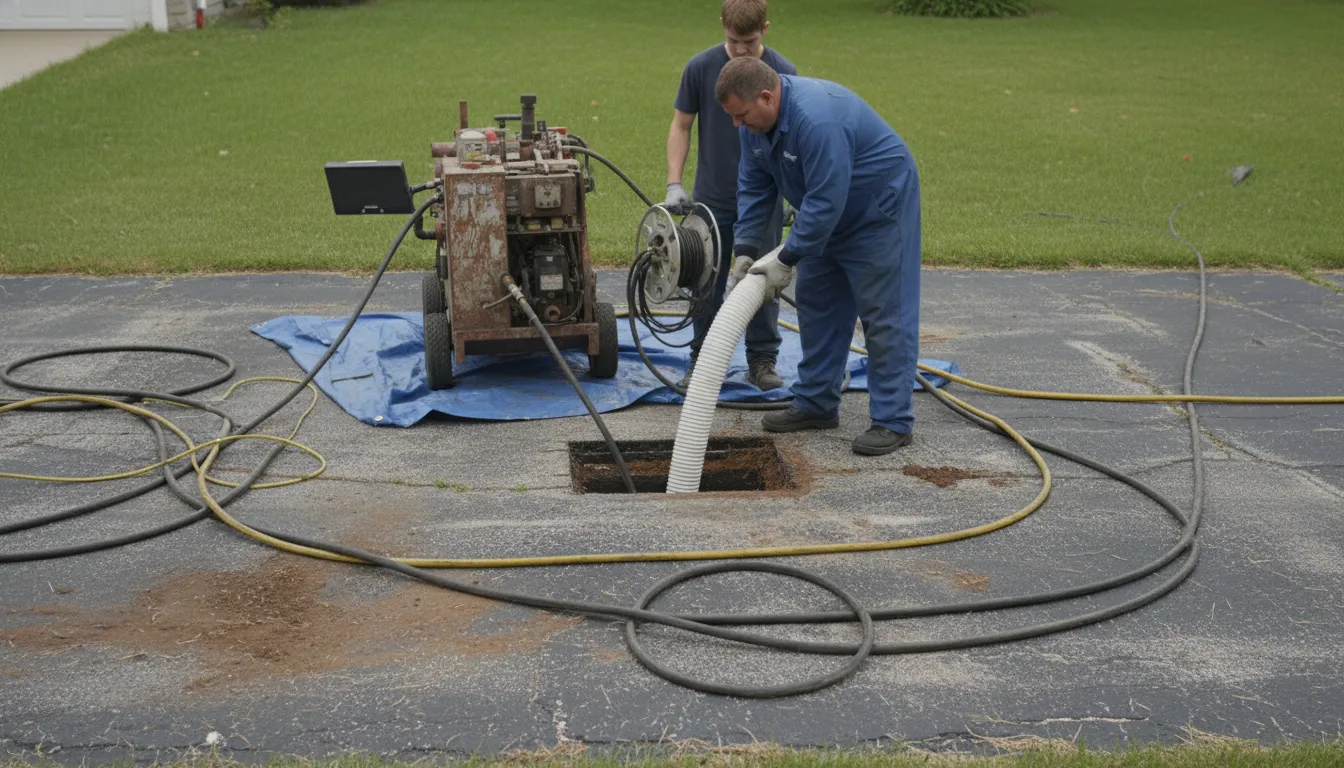
Find the Best Trenchless Sewer Repair Companies for Your Business
No obligation • Fast responses • Nationwide coverage

Why you can trust Search a Plumber
Search a Plumber is a leading United States resource for finding and evaluating professional plumbing services. Our team researches licensing, experience, and customer feedback to create unbiased, fact-driven overviews. Companies cannot pay to change ratings or placement, ensuring homeowners get trustworthy information.
Search providers near you
Best Trenchless Sewer Repair Companies in Oregon Ranked
When a sewer line fails, the thought of tearing up your yard, driveway, or landscaping can be daunting. In Oregon, trenchless sewer repair offers a modern, less invasive solution for fixing or replacing damaged underground pipes. This advanced method uses specialized techniques to rehabilitate sewer laterals with minimal excavation, significantly reducing disruption to your property and often saving on costly restoration. This guide explains how trenchless technology works in Oregon, its benefits, costs, and the essential local regulations you need to know to make an informed decision for your home.
Plumbing and Sewer Renewal Specialists
9350 SW Tigard St, Portland, OR 97223
Plumbing and Sewer Renewal Specialists is a plumbing and sewer service provider based in Portland, OR. They offer services including sewer camera inspections, drain cleaning, sewer line repairs, trenchless sewer repair, and repiping. The team is experienced in using cured-in-place pipe (CIPP) technology for sewer line repairs, which allows for less invasive fixes. Customers have noted their care in protecting property and efficient project completion.
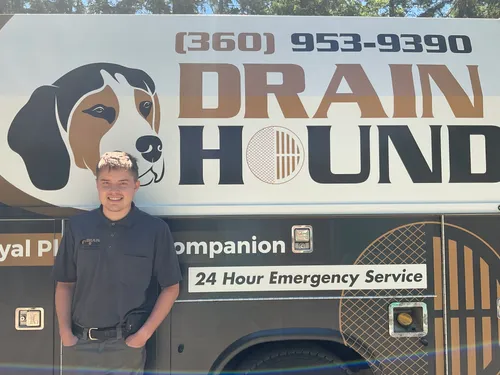
Drain Hound (Owner - Operator)
7202 NE Hwy 99 Ste 106, Vancouver, WA 98665
Drain Hound (Owner - Operator) is a plumbing service based near Portland, OR, offering a wide range of plumbing solutions including sewer camera inspections, water heater repair and installation, water softener installation, drain cleaning, hydro jetting, sewer line repair, trenchless sewer repair, leak detection, repiping, and garbage disposal repair. The company uses advanced technology such as high-definition sewer cameras and hydro jetting equipment to diagnose and clear blockages efficiently. Drain Hound specializes in trenchless water main replacement, which reduces landscape disruption and preserves property aesthetics. Owner-operated by Taylor Prouty, the business serves the greater Vancouver, WA area and provides 24/7 emergency plumbing services.
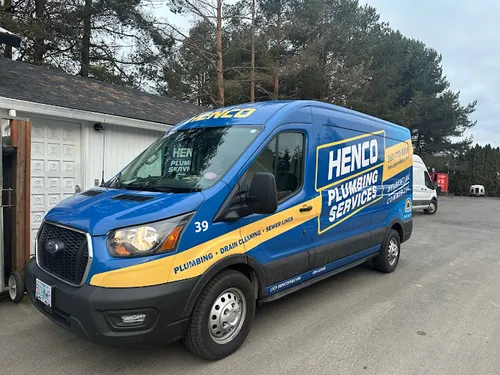
Henco Plumbing Service
2001 Main St #200, Vancouver, WA 98660
Henco Plumbing Service provides plumbing, heating, cooling, and electrical solutions in Portland, OR, and surrounding areas including Vancouver and Salem. They offer a range of services such as sewer camera inspections, drain cleaning, hydro jetting, and trenchless sewer repair. The company is equipped to handle complex plumbing issues with capabilities like trenchless pipe repair and sewer video inspection. Henco Plumbing Service has been recognized for its customer service and offers same-day repair and replacement options to address urgent needs.
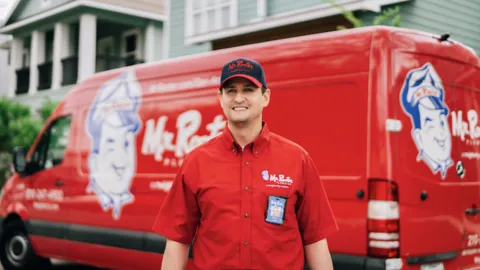
Mr. Rooter Plumbing
2900 SE Cornelius Pass Rd Ste 101, Hillsboro, OR 97123
Mr. Rooter Plumbing provides a wide range of plumbing services in Portland, OR, including sewer camera inspections, water heater repairs and installations, drain cleaning, sewer line repairs, and leak detection. Serving the greater Washington County area, they offer both residential and commercial plumbing solutions with options for trenchless sewer repair to minimize property disruption. The company supports customers with same-day and next-day appointments and maintains a 24/7 emergency service line to address urgent plumbing issues promptly.
Environmental Works
22820 NE Sandy Blvd, Fairview, OR 97024
Environmental Works is a full-service environmental and plumbing company based in Portland, OR. Since 2008, they have provided a wide range of services including plumbing, sewer line repair, drain cleaning, leak detection, radon testing, and underground tank care. Serving the greater Portland area and nearby communities, they handle complex environmental challenges with capabilities such as trenchless sewer repair and horizontal drilling for pipe installation. Their team offers comprehensive solutions from inspections to repairs and environmental consultations, ensuring compliance with local codes and regulations.
How Trenchless Sewer Repair Works in Oregon
Unlike traditional "dig-and-replace" methods that require extensive trenches, trenchless sewer repair in Oregon focuses on fixing the pipe from the inside or with very small access points. The two primary methods used by professional plumbing contractors are Cured-In-Place Pipe (CIPP) and pipe bursting. Both are designed to address common issues like root intrusion, cracks, bellies, and corrosion without the need for a massive excavation project.
Cured-In-Place Pipe (CIPP): This is a form of trenchless pipe lining. A flexible tube saturated with a resin (like epoxy) is inserted into the damaged sewer pipe through an existing cleanout or a small access pit. The liner is then inflated and cured using hot water or UV light, hardening to form a new, seamless, and durable pipe within the old one. This method effectively seals cracks and joints, preventing root access and restoring flow.
Pipe Bursting: This technique is used for complete pipe replacement where the existing line is too damaged to be lined. A conical bursting head is pulled through the old pipe, fracturing it outward. Simultaneously, a new high-density polyethylene (HDPE) pipe is pulled in behind the head, replacing the old line in one step. While it requires slightly larger entry and exit pits than CIPP, it still avoids a continuous trench.
Key Benefits of Choosing Trenchless Methods
Homeowners across Oregon are increasingly opting for trenchless solutions due to their significant advantages:
- Minimal Property Disruption: The most celebrated benefit is the preservation of your landscaping, hardscaping, and driveway. Instead of a torn-up yard, you're left with only one or two small access points, drastically reducing restoration time and cost 1.
- Faster Completion: Many trenchless repairs can be completed in a single day, compared to multi-day excavations. This means less inconvenience for your household.
- Long-Lasting Results: The materials used, especially epoxy liners and HDPE pipe, are highly resistant to corrosion and root penetration, offering a durable solution that can last 50 years or more.
- Improved Pipe Performance: The new pipe interior is typically smoother than the old clay or cast iron, which can improve flow capacity and reduce future clogs 2.
- Potential Cost Savings: While the upfront material and labor costs for trenchless repair can be higher, the total project cost is often comparable or lower when you factor in the thousands of dollars saved on landscape, concrete, and asphalt restoration.
Understanding Costs for Trenchless Repair in Oregon
Pricing for trenchless sewer repair is not a flat fee; it depends on several project-specific factors. Understanding these can help you interpret estimates from local contractors.
Primary Cost Factors:
- Pipe Length and Diameter: Costs are often calculated per linear foot. Longer runs and larger diameters require more material.
- Repair Method: CIPP lining and pipe bursting have different cost structures based on materials and equipment used.
- Site Accessibility: Difficulty in accessing the cleanouts or creating entry pits can affect labor time.
- Soil and Ground Conditions: Rocky or unstable soil can complicate the process.
- Local Permit Fees: Permit costs vary by city and are required for all sewer lateral work.
Cost Ranges: Based on regional data, typical cost ranges in Oregon are:
- Trenchless Repair (CIPP or Pipe Bursting): $70 to $250+ per linear foot.
- Traditional Dig-and-Replace: $50 to $200+ per linear foot, plus significant additional costs for restoring the excavated area (landscaping, pavement, etc.) 3.
- Typical Total Project Cost: For a standard residential sewer lateral, total project costs often fall between $4,000 and $15,000+, with the final price determined by the factors above 4 5 6.
It's crucial to get detailed, written estimates that break down both the repair costs and any potential restoration costs to accurately compare trenchless versus traditional methods.
Find the perfect trenchless sewer repair companies for your needs
Get personalized recommendations and expert advice
Oregon and Local Municipal Regulations
All sewer lateral work in Oregon, whether trenchless or traditional, requires permits and must adhere to strict city codes. The sewer lateral is typically defined as the pipe running from your home to the connection with the public main sewer line, which is often at the property line or in the street.
The Permit Process: A licensed plumbing contractor will usually pull the required permit from your city's Bureau of Development Services or Public Works department. The permit ensures the work is reviewed and inspected for compliance with safety and engineering standards.
Critical Local Rules (Examples):
- Portland: The city has specific administrative rules (ENB-4.17) governing sewer connections. Notably, Acrylonitrile Butadiene Styrene (ABS) plastic pipe is not allowed within the public right-of-way (ROW). Certain trenchless methods, like simple "sliplining" or "sleeving," may be restricted to pipes 6 inches in diameter or larger 7.
- Inspections and Testing: Mandatory inspections are required before backfilling any pits. The new or rehabilitated lateral must pass an air or water pressure test to prove its integrity and must be installed with a minimum slope (e.g., 2% grade) to ensure proper drainage 8 9 10.
- Scope of Work: Repairs must generally extend from the building to the point of connection with the city's main. Partial repairs are often not permitted if the entire lateral is aged or compromised.
Always work with a contractor who is deeply familiar with the specific codes in your city, whether you're in Portland, McMinnville, Vancouver, or elsewhere in the state.
Is Trenchless Repair Right for Your Situation?
Trenchless technology is versatile but not a universal fix. A professional video camera inspection is the essential first step to diagnose the problem. Trenchless methods are excellent for:
- Pipes damaged by roots, cracks, or minor misalignment.
- Pipes that are structurally sound enough to host a liner (for CIPP).
- Properties where preserving landscaping, decks, or driveways is a high priority.
Traditional excavation may still be necessary if:
- The pipe has completely collapsed or has severe sags ("bellies") that cannot be addressed with lining.
- The pipe is in such poor condition it cannot guide a bursting head.
- There are multiple, complex failures along a very long run.
- Local code specifically requires dig-and-replace due to the condition or material of the existing line.
A reputable Oregon plumbing professional can perform the inspection and recommend the most effective and code-compliant solution for your specific case.
Frequently asked questions
Sources
Footnotes
-
Trenchless Sewer Line Repairs: Top 3 Proven Benefits - https://bayshoreplumbers.com/plumber/trenchless-sewer-line-repairs/ ↩
-
What Are Trenchless Sewer Pipe Repair Methods? - https://www.superiorplumbingjax.com/what-are-trenchless-sewer-pipe-repair-methods ↩
-
How Much Does Trenchless Sewer Line Repair Cost? - https://alphaenvironmental.net/blog/how-much-does-trenchless-sewer-repair-cost/ ↩
-
Sewer Line Replacement in Portland - Costs, Permits, and ... - https://www.modernplumbingpdx.com/sewer-line-replacement-in-portland/ ↩
-
Trenchless Sewer Repair: Lower Cost, Lower Impact Sewer ... - https://www.sewerflowllc.com/2025/03/06/trenchless-sewer-repair-lower-cost-lower-impact-sewer-repair/ ↩
-
Pros & Cons of Trenchless Sewer Repair - Alpha Environmental - https://alphaenvironmental.net/blog/pros-and-cons-of-trenchless-sewer-repair/ ↩
-
ENB-4.17 - Administrative Rules for Sewer Connection and Lateral ... - https://www.portland.gov/policies/environment-built/sewer-stormwater-erosion-control/enb-417-administrative-rules-sewer ↩
-
PRIVATE SEWER LATERAL REGULATIONS - McMinnville Oregon - https://www.mcminnvilleoregon.gov/sites/default/files/fileattachments/engineering/page/7554/private_sewer_lateral_regulations_10-18-2023.pdf ↩
-
TRENCHLESS SERVICE LATERAL REPAIR DESIGN AND CONSTRUCTION REQUIREMENTS - https://www.cityofvancouver.us/wp-content/uploads/2024/03/Trenchless-Service-Lateral-Repair-Design-and-Construction-Requirements.pdf ↩
-
ENB-4.17 - Sanitary System Connection Administrative Rules - https://www.portland.gov/sites/default/files/2020-06/enb-4-17-system-connection-rules-7-19-727652.pdf ↩