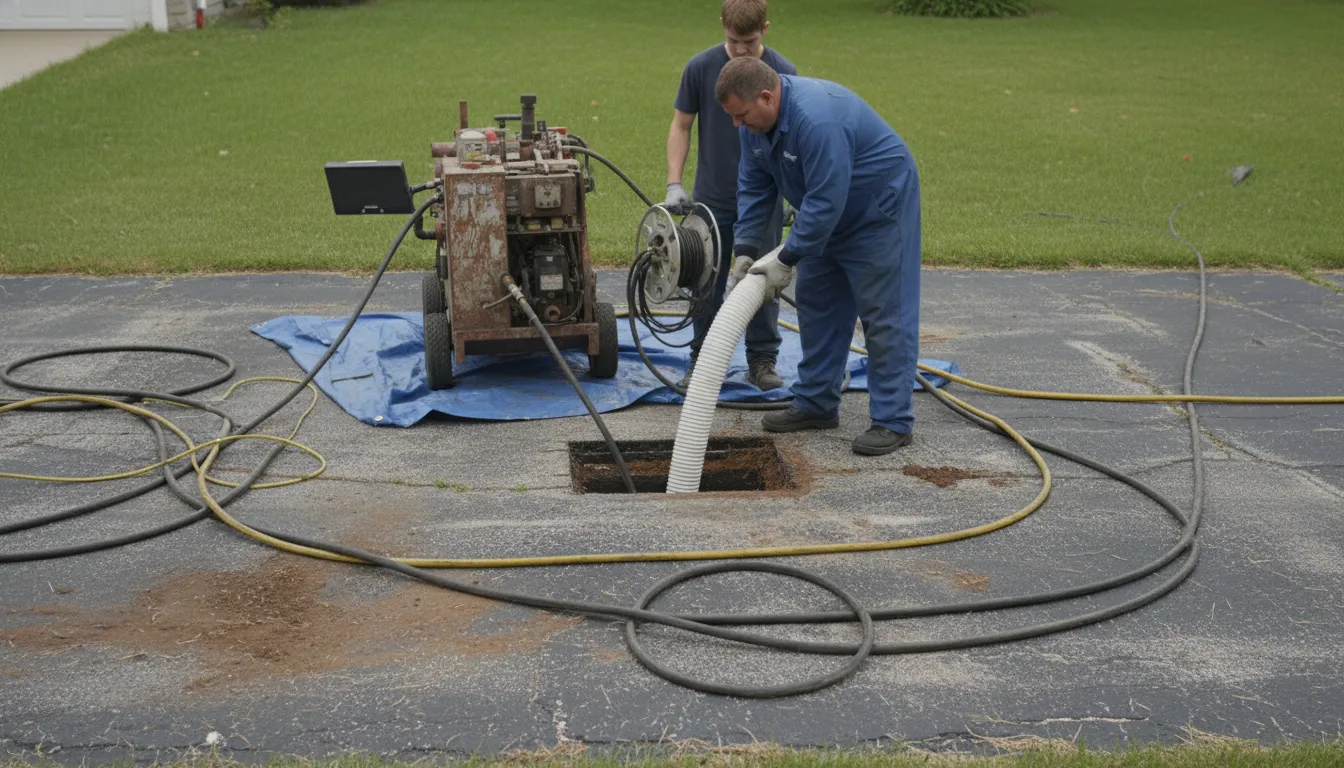
Find the Best Trenchless Sewer Repair Companies for Your Business
No obligation • Fast responses • Nationwide coverage

Why you can trust Search a Plumber
Search a Plumber is a leading United States resource for finding and evaluating professional plumbing services. Our team researches licensing, experience, and customer feedback to create unbiased, fact-driven overviews. Companies cannot pay to change ratings or placement, ensuring homeowners get trustworthy information.
Search providers near you
Top Trenchless Sewer Repair Companies in Hempstead, New York Ranked
A damaged sewer line is a serious problem that can disrupt your home and threaten your property. Trenchless sewer repair is a modern method for fixing underground pipes with minimal digging, preserving your driveway, lawn, and landscaping. This guide explains how trenchless technology works for Hempstead homeowners, when it's the right choice, and what you can expect from the process to help you make an informed decision for your property.
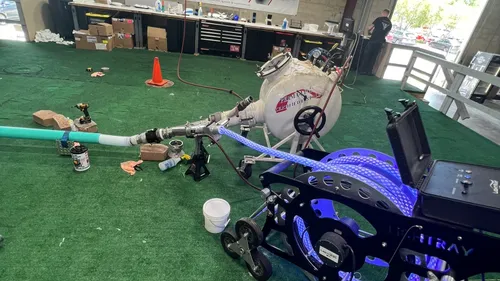
Royal Rooter and Drain Cleaning LLC
74 Jefferson Ave, Lodi, NJ 07644
Royal Rooter and Drain Cleaning LLC provides plumbing services in New York, NY, specializing in sewer camera inspections, drain cleaning, hydro jetting, and sewer line repairs. Their team uses camera inspections to accurately locate sewer issues and offers trenchless repair methods such as UV lining to minimize property disruption. Hydro jetting is available when pipes are suitable for this powerful cleaning technique.
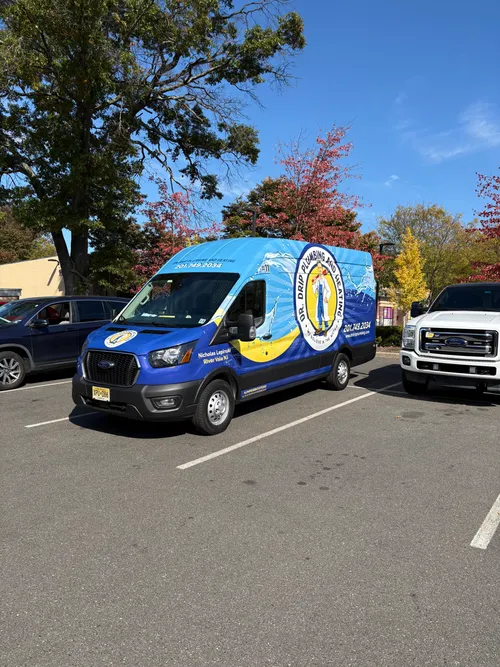
Dr. Drip Plumbing and Heating
123 Woodland Ave, Westwood, NJ 07675
Dr. Drip Plumbing and Heating is a family-run, veteran-owned plumbing and heating company serving New York, NY. They offer a wide range of services including water heater repair and installation, water softener and filtration systems, drain cleaning with hydro jetting, sewer line repair using trenchless methods, leak detection, and toilet repair. The company specializes in high-efficiency hot water systems such as condensing tankless water heaters and heat pump water heaters, as well as advanced leak detection and frozen pipe thawing. Founded by a master plumber with over 10 years of experience, Dr. Drip Plumbing and Heating focuses on comprehensive home water and heating solutions.
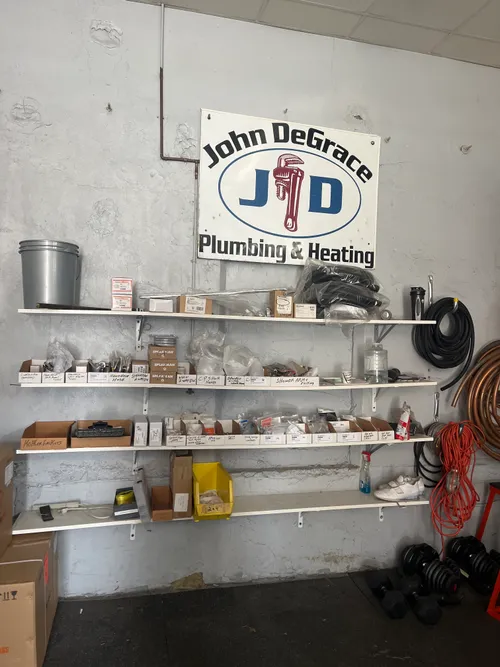
John Degrace Plumbing & Heating
267 River Rd, North Arlington, NJ 07031
John Degrace Plumbing & Heating is a family-owned plumbing and heating service provider based in New York, NY, serving northern New Jersey. With over 25 years of experience, they offer a wide range of services including sewer camera inspections, water heater repair and installation, sump pump repair, drain cleaning, hydro jetting, sewer line repair, trenchless sewer repair, leak detection, repiping, and gas line installation. The company is known for its licensed and highly trained plumbers, a large parts warehouse, and a 24/7 availability for emergency plumbing and heating needs. Their capabilities include trenchless sewer repair and comprehensive boiler services, including oil to gas conversions.
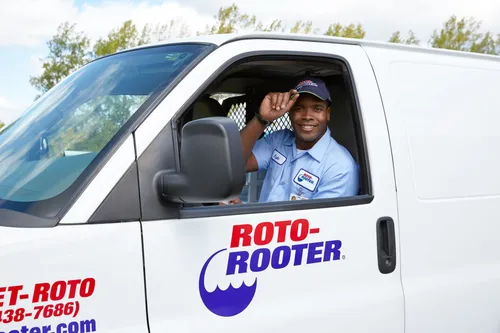
Roto-Rooter Plumbing & Water Cleanup
3000 John F. Kennedy Blvd Ste 310A, Jersey City, NJ 07306
Roto-Rooter Plumbing & Water Cleanup provides comprehensive plumbing services in New York, NY, with a focus on residential and commercial plumbing needs. Their offerings include sewer and drain cleaning, water heater repair and installation, leak detection, gas line installation, and trenchless sewer repair. They use advanced technology such as video inspections and hydro-jetting to address plumbing issues efficiently. Roto-Rooter serves a wide area including Jersey City and surrounding communities, offering 24/7 emergency plumbing services to handle urgent situations at any time. With extensive experience managing complex commercial plumbing systems and a commitment to compliance with local regulations, Roto-Rooter is equipped to handle everything from routine repairs to large-scale sewer line replacements. Their emergency services are available year-round, ensuring prompt response to plumbing disasters.
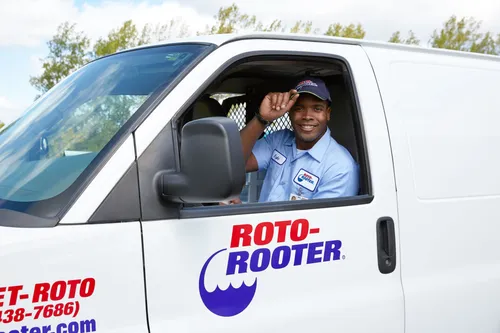
RR Plumbing Roto-Rooter
557 17th St Ste A, Brooklyn, NY 11215
RR Plumbing Roto-Rooter provides comprehensive plumbing services in New York, NY, specializing in both residential and commercial plumbing needs. Their offerings include sewer and drain cleaning, water heater repair and installation, leak detection, sewer line repair with trenchless methods, and water softener installation. The company uses advanced technology such as video camera sewer inspections and hydro jetting to address plumbing issues efficiently. They also provide 24/7 emergency plumbing services to handle urgent situations like burst pipes and sewer backups. RR Plumbing Roto-Rooter serves a wide range of neighborhoods in Brooklyn and surrounding areas, ensuring local expertise and compliance with city codes.
Understanding Trenchless Sewer Line Solutions
When a sewer lateral-the pipe running from your home to the main municipal line-fails, the traditional solution involved extensive excavation. This meant digging a long, deep trench across your yard, which resulted in significant damage to lawns, gardens, driveways, and sidewalks that required costly restoration. Trenchless sewer rehabilitation offers a far less invasive alternative.
This advanced approach uses specialized techniques to repair or replace the pipe from the inside, typically requiring only one or two small access holes. For Hempstead properties, where preserving mature landscaping, paved surfaces, and the integrity of your property is a major concern, trenchless methods provide a smart solution that addresses the pipe problem without creating a massive landscaping project.
Common Problems Trenchless Repair Can Fix
Trenchless pipe repair is designed to address specific types of damage within otherwise structurally sound sewer lines. If you're experiencing frequent clogs, slow drains, or sewage backups, a video inspection can determine if your issue is a candidate for a trenchless fix. Common problems that can be resolved include:
- Root Intrusion: Tree roots seeking moisture can infiltrate pipe joints and cracks, causing blockages and gradual damage.
- Cracks and Fractures: Aging pipes, ground shifting, or minor settling can lead to cracks that leak wastewater into the surrounding soil.
- Corrosion and Deterioration: Over decades, old clay or cast iron pipes can corrode, scale, or become misshapen, restricting flow.
- Offset Joints: Sections of pipe can become misaligned due to ground movement, creating a ledge that catches debris.
- Bellied Pipes: A section of pipe that has sunk due to soil erosion creates a low spot where waste collects and causes chronic blockages.
- Minor Collapses: Localized collapses or crushing that hasn't compromised the entire length of the pipe run.
Find the perfect trenchless sewer repair companies for your needs
Get personalized recommendations and expert advice
Trenchless Methods: Pipe Lining vs. Pipe Bursting
There are two primary trenchless technologies used by professional plumbing contractors: cured-in-place pipe (CIPP) lining and pipe bursting. The right method depends on the condition of your existing pipe.
Pipe Lining (CIPP)
Often called "pipe-within-a-pipe," this is a rehabilitation method. A flexible tube coated with a resin-saturated felt liner is inserted into the damaged pipe. Using air or water pressure, the liner is inflated so it presses tightly against the host pipe's inner walls. The resin is then cured (hardened) using hot water or UV light, forming a new, seamless, and corrosion-resistant pipe inside the old one. This method is excellent for sealing cracks, stopping root intrusion, and correcting minor deformities without changing the pipe's diameter.
Pipe Bursting
This is a trenchless replacement method. A conical bursting head is pulled through the old, damaged pipe, fracturing it outward into the surrounding soil. Simultaneously, it pulls a new, high-density polyethylene (HDPE) pipe into place behind it. This technique is used when the old pipe is too degraded to line or when an increase in pipe diameter is desired. While still minimally invasive, it requires slightly larger access pits than lining but is far less disruptive than full excavation 1.
The Trenchless Repair Process: Step-by-Step
Understanding the workflow can demystify the project and set clear expectations.
- Video Camera Inspection: A professional plumber will first conduct a thorough sewer camera inspection. This diagnostic tool is sent through the line to pinpoint the exact location, nature, and extent of the damage, confirming whether trenchless repair is viable 2.
- Access Preparation: Based on the inspection, one or two small access points are dug at strategic locations, typically at cleanouts or at the beginning and end of the damaged section. These are much smaller than a traditional trench.
- Cleaning the Line: High-pressure water jetting is used to scour the interior of the pipe, removing debris, roots, and scale to create a clean surface for the new liner or bursting process.
- Installation: For lining, the resin-impregnated liner is fed into the pipe and cured. For bursting, the old pipe is fractured and the new one is pulled through.
- Final Inspection and Testing: After installation, a follow-up camera inspection verifies the new pipe's integrity and smooth interior. The system is tested for proper flow.
- Site Restoration: The small access holes are backfilled and compacted. Restoration is minimal, often limited to patching a small section of grass or concrete 3.
When is Traditional Excavation Still Necessary?
While trenchless technology is versatile, there are situations where traditional, open-trench excavation is the only option. A reputable plumbing professional will always recommend the method that provides a lasting solution. Excavation may be required if:
- The sewer pipe has suffered a complete and severe collapse over a long section.
- The existing pipe is misaligned with severe sags (bellies) that cannot be corrected from the inside.
- Access points for trenchless equipment cannot be created due to property layout or obstructions.
- The pipe is located underneath major, immovable structures (like a building foundation) with no alternative path 4 5.
Permits and Inspections in Hempstead
Sewer lateral repair or replacement is regulated work. In Hempstead and surrounding Nassau County towns and villages, a plumbing permit is typically required from your local building department (e.g., Town of Hempstead Building Department). The permitting process ensures the work complies with New York State and local plumbing codes. Inspections are mandated at critical stages, such as after the access excavation and upon completion of the pipe installation, before the holes are backfilled 6. Your licensed plumbing contractor will usually handle the permit application and coordinate the required inspections.
Understanding the Investment: Trenchless Sewer Repair Cost
The cost of trenchless sewer repair in Hempstead is influenced by the length of the damaged section, the chosen method (lining vs. bursting), the depth and location of the pipe, and the complexity of the job (number of bends, connections). A general cost range is $80 to $250 or more per linear foot 7.
- Shorter Runs (Under 100 feet): Projects often range from $2,000 to $5,000+.
- Medium Runs (100-200 feet): Costs commonly fall between $5,000 and $8,000+.
- Long or Complex Runs: Jobs over 200 feet, with multiple bends, or under driveways can range from $8,000 to $50,000+ 8 9 10.
While the upfront cost per foot for trenchless can be higher than excavation, the total project cost is frequently lower. This is because you avoid thousands of dollars in landscape restoration, concrete or asphalt repair, tree removal, and patio reconstruction. The value is in preserving your property.
Frequently asked questions
Sources
Footnotes
-
Trenchless Sewer Repair vs. Traditional Excavation - AQUALIS - https://aqualisco.com/trenchless-sewer-repair-vs-traditional/ ↩
-
How Much Does Trenchless Sewer Line Piping Cost? [2026 Data] - https://www.angi.com/articles/trenchless-sewer-line-replacement-cost.htm ↩
-
Trenchless Sewer Repair vs Traditional - https://piperestorationsolutions.com/trenchless-sewer-repair-vs-traditional/ ↩
-
Trenchless Sewer Repair vs. Traditional Excavation - https://alphaenvironmental.net/blog/trenchless-sewer-repair-vs-traditional-excavation-which-is-better/ ↩
-
Sewer Repair Options: Trenchless vs. Traditional Methods | TYCO - https://tycoplumbingco.com/sewer-repair-options-trenchless-vs-traditional-methods/ ↩
-
Is Trenchless Sewer Repair Right For Your Home? - Mattioni Plumbing - https://www.callmattioni.com/blog/t-trenchless-sewer-repair/ ↩
-
Trenchless Sewer Repair vs. Traditional Excavation - https://tdtplumbing.com/trenchless-sewer-repair/difference-to-traditional-repair/ ↩
-
Trenchless Sewer Repair: Lower Cost, Lower Impact Sewer Repair - https://www.sewerflowllc.com/2025/03/06/trenchless-sewer-repair-lower-cost-lower-impact-sewer-repair/ ↩
-
How Much Does Trenchless Sewer Line Repair Cost? - https://alphaenvironmental.net/blog/how-much-does-trenchless-sewer-repair-cost/ ↩
-
Trenchless Sewer Repair - https://www.jwcesspool.com/trenchless-sewer-repair ↩