Find the Best Trenchless Sewer Repair Companies for Your Business
No obligation • Fast responses • Nationwide coverage

Why you can trust Search a Plumber
Search a Plumber is a leading United States resource for finding and evaluating professional plumbing services. Our team researches licensing, experience, and customer feedback to create unbiased, fact-driven overviews. Companies cannot pay to change ratings or placement, ensuring homeowners get trustworthy information.
Search providers near you
Top Trenchless Sewer Repair Companies in West New York, New Jersey Ranked
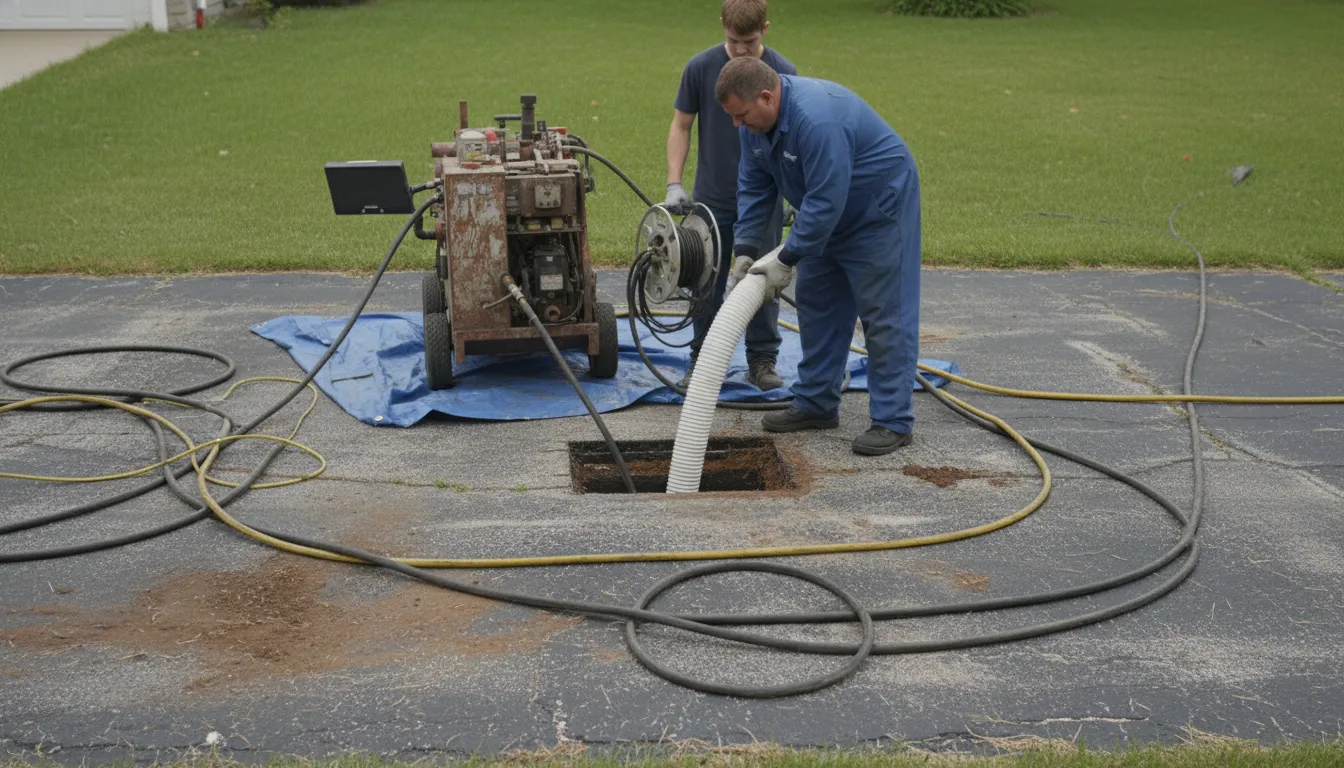
When a sewer line fails, the traditional solution-digging a massive trench across your property-is disruptive, expensive, and destructive. For homeowners in West New York, a modern alternative exists: trenchless sewer repair. This advanced method allows for the repair or replacement of underground pipes with minimal excavation, preserving your driveway, landscaping, and peace of mind. This guide explains what trenchless sewer repair is, why it's a smart choice for many homes, and how you can find qualified local specialists to assess your situation.
Royal Rooter and Drain Cleaning LLC
74 Jefferson Ave, Lodi, NJ 07644
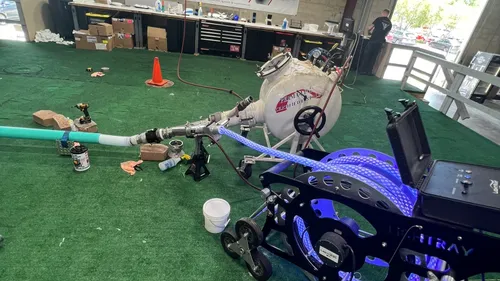
Royal Rooter and Drain Cleaning LLC provides plumbing services in New York, NY, specializing in sewer camera inspections, drain cleaning, hydro jetting, and sewer line repairs. Their team uses camera inspections to accurately locate sewer issues and offers trenchless repair methods such as UV lining to minimize property disruption. Hydro jetting is available when pipes are suitable for this powerful cleaning technique.
RDH Plumbing Sewer & Drain Specialist
99 US-46, Rockaway, NJ 07866
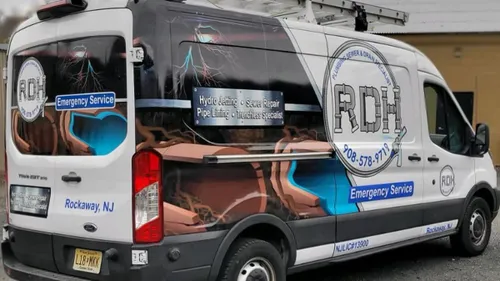
RDH Plumbing Sewer & Drain Specialist is a plumbing contractor based in New York, NY, serving Rockaway, NJ, and surrounding areas. They provide a range of services including sewer camera inspections, drain cleaning, hydro jetting, sewer line repair, and trenchless sewer repair using advanced technologies like Perma-Liner and LightRay systems. The company offers 24/7 emergency plumbing services and specializes in boiler installation and maintenance. RDH Plumbing is certified in Nu-Flow and Pow-R Mole technologies and emphasizes minimal disruption through trenchless methods. Their team is locally owned and committed to using high-quality equipment for residential and commercial plumbing needs.
Dr. Drip Plumbing and Heating
123 Woodland Ave, Westwood, NJ 07675
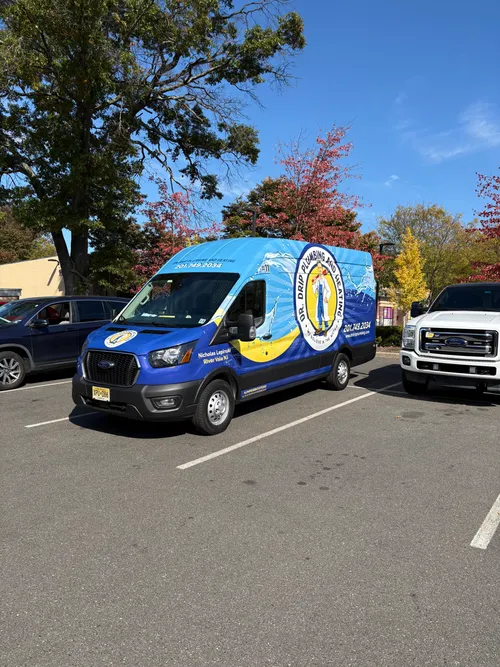
Dr. Drip Plumbing and Heating is a family-run, veteran-owned plumbing and heating company serving New York, NY. They offer a wide range of services including water heater repair and installation, water softener and filtration systems, drain cleaning with hydro jetting, sewer line repair using trenchless methods, leak detection, and toilet repair. The company specializes in high-efficiency hot water systems such as condensing tankless water heaters and heat pump water heaters, as well as advanced leak detection and frozen pipe thawing. Founded by a master plumber with over 10 years of experience, Dr. Drip Plumbing and Heating focuses on comprehensive home water and heating solutions.
Freedom Plumbing Heating and Sewer Service LLC
64 Walters St, Rahway, NJ 07065
Freedom Plumbing Heating and Sewer Service LLC provides a range of plumbing and heating services in New York, NY. They handle water heater installation and repair, including tankless systems, as well as drain cleaning, hydro jetting, and sewer line repair. Their trenchless sewer repair techniques help restore sewer lines efficiently with minimal property disruption. The company serves both residential and commercial clients, offering expertise in complex plumbing issues and heating system maintenance.
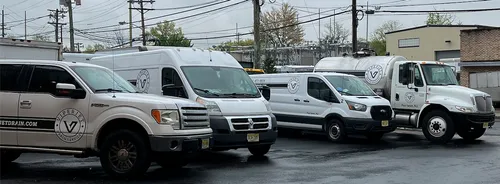
IG Sewer & Drain Trenchless Lining
3 McKinley Ave, Hawthorne, NJ 07506
IG Sewer & Drain Trenchless Lining provides drain cleaning and trenchless sewer repair services in New York, NY. The company specializes in cured-in-place pipe (CIPP) lining, a method that restores plumbing from the inside without digging. With over 20 years of experience, IG Sewer & Drain has served residential and commercial clients in northern New Jersey and the surrounding areas.
What is Trenchless Sewer Repair?
Trenchless sewer repair is a category of techniques used to fix or replace damaged underground sewer pipes without the need for extensive digging. Instead of excavating a long, deep trench to access the entire pipe, technicians create one or two small access holes. Through these, they deploy specialized equipment to rehabilitate the pipe from the inside. The two most common methods are Cured-In-Place Pipe (CIPP) lining and pipe bursting.
This "no-dig" approach is particularly valuable in densely populated areas like West New York, where properties are close together, driveways are paved, and landscaping is at a premium. It addresses common problems like root intrusion, minor cracks, leaking joints, and pipe separation without turning your yard into a construction zone.
When is Trenchless Repair the Right Solution?
Not every sewer problem can be solved trenchlessly, but it is suitable for a wide range of issues. Local experts typically recommend trenchless methods when the existing pipe, while damaged, still has a structurally sound "host" that can guide new materials.
Opt for trenchless repair if you have:
- Root Intrusion: Tree roots have infiltrated the pipe through small cracks or joints.
- Minor to Moderate Damage: This includes cracks, holes, corrosion, or offset pipe sections.
- Leaking Joints: The seals between pipe sections have deteriorated.
- Pipes Under Obstacles: Your sewer lateral runs under a driveway, sidewalk, patio, mature landscaping, or even under the home itself.
- A Desire to Minimize Disruption: You want to avoid the cost and mess of restoring a torn-up yard or concrete slab 1 2 3.
Traditional excavation may be necessary if:
- The pipe has suffered a complete collapse.
- There are multiple severe breaks over a short section.
- The pipe needs a significant change in diameter.
- Local building codes require a full upgrade that trenchless methods cannot accommodate.
A professional diagnosis via a camera inspection is the only way to know for sure which method is best for your home.
The Trenchless Repair Process: Step-by-Step
Understanding the process can demystify this advanced technology. Here's what you can expect from a professional trenchless sewer repair service in West New York.
- Camera Inspection: The process always begins with a thorough video camera inspection. A flexible rod with a high-resolution camera is fed into the sewer line, providing a real-time view of the interior. This identifies the exact location, nature, and extent of the damage, which is crucial for determining if trenchless repair is viable and for planning the work.
- Hydro-Jetting & Cleaning: Before any repair, the existing pipe must be cleaned. High-pressure water jetting is used to scour the interior, removing roots, grease, scale, and debris. This creates a clean surface for the new liner or ensures a clear path for pipe bursting.
- The Repair Method:
- CIPP Lining: A flexible, resin-saturated felt tube is inverted or pulled into the damaged pipe. It is then inflated against the host pipe's walls. The resin is cured using steam or UV light, forming a hard, seamless, and jointless "pipe-within-a-pipe." This method is excellent for sealing cracks and stopping root intrusion 4.
- Pipe Bursting: A conical bursting head is pulled through the old, damaged pipe. As it advances, it fractures the old pipe outward while simultaneously pulling a new, high-density polyethylene (HDPE) pipe into place behind it. This method actually replaces the old pipe with a new one of equal or larger diameter.
- Curing & Final Steps: For CIPP, the curing process solidifies the liner. For pipe bursting, the new pipe is connected at each end. The final step is a post-repair camera inspection to verify the integrity and smooth flow of the newly rehabilitated line 5.
- Restoration: The small access pits dug at the beginning and end of the line are backfilled and compacted. The surface restoration is minimal-often just patching a small section of lawn or pavement-which is a fraction of the cost and effort required after traditional excavation 6 7.
Permits and Regulations in West New York
Any work on a sewer lateral in West New York requires permits from the local municipality. Reputable contractors will handle this process for you. The permit ensures the work meets local building and plumbing codes. Expect town officials to perform inspections, typically both after the initial camera diagnosis and after the installation is complete, before the access holes are closed 8 9. Companies familiar with North Jersey regulations, like those operating in Hudson County, manage this permitting workflow routinely.
Find the perfect trenchless sewer repair companies for your needs
Get personalized recommendations and expert advice
Understanding the Cost of Trenchless Sewer Repair
Cost is a major factor for any homeowner. While trenchless methods often have a higher cost per linear foot for the repair itself, they frequently result in a lower total project cost by virtually eliminating expensive restoration work.
Based on regional data, here are typical cost ranges for sewer line work in the New Jersey area:
- CIPP Lining: $70 - $150 per linear foot.
- Pipe Bursting: $60 - $200 per linear foot.
- Traditional Excavation: $50 - $200 per linear foot, plus an additional $3,000 - $8,000 (or more) in landscape, concrete, and hardscape restoration costs.
Additional costs to consider:
- Camera Inspection: $175 - $350 (often applied toward repair if you proceed).
- Permits & Fees: Can range from a few hundred dollars to over $1,000 depending on the town's requirements 10 11.
The key takeaway is to look at the complete picture. A trenchless quote may seem higher at first glance, but when you factor in the avoided costs of repaving a driveway, rebuilding a patio, or re-sodding an entire lawn, the value becomes clear. As noted by local providers, trenchless technology often lowers the total financial and logistical burden on the homeowner.
Choosing a Local Trenchless Specialist
Selecting the right contractor is critical. Look for a company with specific, proven experience in trenchless sewer rehabilitation. They should offer a detailed camera inspection and explain their findings clearly, showing you the video. Ask about their preferred methods (CIPP vs. bursting) and why it's suited to your problem. Verify that they are licensed, insured, and will pull all necessary West New York permits. Check for reviews and examples of past work. Established local companies like NJ Pipe Doctor and All County Sewer & Drain are examples of firms that specialize in these advanced techniques.
The Long-Term Benefits of a "No-Dig" Fix
Beyond the immediate avoidance of a torn-up yard, trenchless repair offers lasting advantages. The materials used, especially the resin-cured liner in CIPP and the HDPE in pipe bursting, are highly resistant to corrosion, root intrusion, and joint failure. This can extend the life of your sewer line by 50 years or more. The smooth interior of the new pipe can also improve flow capacity, reducing the chance of future clogs. It's a long-term investment in your property's infrastructure that protects your landscape and your wallet.
Frequently asked questions
Sources
Footnotes
-
Trenchless Sewer Repair in New Jersey - NJ Pipe Doctor - https://njpipedr.com/drain-sewer/trenchless-sewer/ ↩
-
Trenchless Sewer Repair vs. Traditional Excavation - AQUALIS - https://aqualisco.com/trenchless-sewer-repair-vs-traditional/ ↩
-
Trenchless Sewer Line Repairs in NJ, PA, DE : Harris - https://www.callharrisnow.com/sewer-drain/trenchless-repair/ ↩
-
Trenchless Sewer Line Repair - Service Professionals - New Jersey - https://service-professionals.com/drain-services/sewer-lines/trenchless/ ↩
-
Trenchless Sewer Repair vs Traditional - https://piperestorationsolutions.com/trenchless-sewer-repair-vs-traditional/ ↩
-
Trenchless Sewer Replacement - All County Sewer & Drain | Chatham, NJ - https://allcountysewer.com/trenchless-sewer-replacement/ ↩
-
Trenchless "No Dig" Pipelining | Wind River Environmental - https://www.wrenvironmental.com/new-york-new-jersey-florida-pipelining/trenchless-pipelining/ ↩
-
ICUNJ: NJ Trenchless Sewer Line Repair & Replacement 24/7 - https://icunj.us/ ↩
-
Trenchless vs. Traditional Sewer Repair - https://sewerlinesonly.com/trenchless-vs-traditional-sewer-repair-which-is-more-cost-effective-for-lakewood-homeowners/ ↩
-
Sewer Line Replacement Cost: 2025 Data - NJ Pipe Doctor - https://njpipedr.com/blog/sewer-line-replacement-cost/ ↩
-
How Much Does Trenchless Sewer Line Piping Cost? [2026 Data] - https://www.angi.com/articles/trenchless-sewer-line-replacement-cost.htm ↩