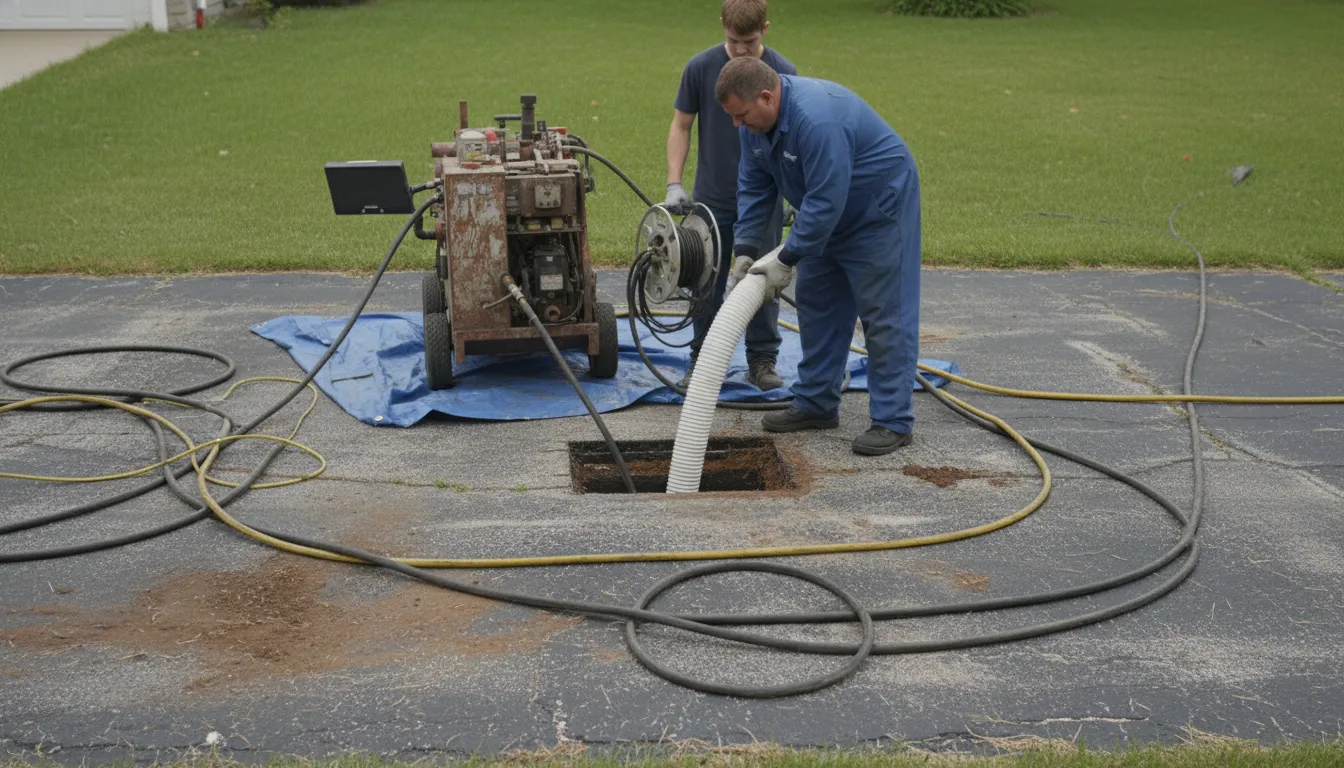
Find the Best Trenchless Sewer Repair Companies for Your Business
No obligation • Fast responses • Nationwide coverage

Why you can trust Search a Plumber
Search a Plumber is a leading United States resource for finding and evaluating professional plumbing services. Our team researches licensing, experience, and customer feedback to create unbiased, fact-driven overviews. Companies cannot pay to change ratings or placement, ensuring homeowners get trustworthy information.
Search providers near you
Top Trenchless Sewer Repair Companies in Sayreville, New Jersey Ranked
A damaged sewer line is a serious problem for any Sayreville homeowner, but the solution doesn't have to mean tearing up your yard. Trenchless sewer repair is a modern, minimally invasive method for fixing underground pipes without extensive excavation. This approach is crucial for maintaining your home's sanitation and property value while avoiding the mess and cost of traditional digging. This guide will help you understand how trenchless technology works, when it's the right choice for your home, and how to connect with qualified local professionals who can assess and resolve your sewer issues efficiently.
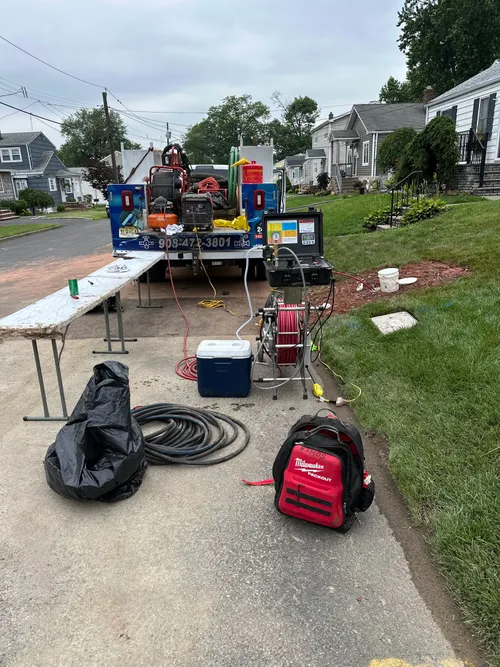
Arrow Sewer and Drain
165 Union Ave, Middlesex, NJ 08846
Arrow Sewer and Drain provides comprehensive plumbing and sewer services in New York, NY, with a focus on trenchless sewer repair, hydro jet drain cleaning, and emergency plumbing. Serving both residential and commercial clients, the company uses advanced technology such as sewer scopes, cured-in-place pipe (CIPP), and hydro excavation to deliver efficient, non-invasive repairs. With over 15 years of experience, Arrow Sewer and Drain offers 24/7 emergency plumbing services to address urgent issues at any time.
Freedom Plumbing Heating and Sewer Service LLC
64 Walters St, Rahway, NJ 07065
Freedom Plumbing Heating and Sewer Service LLC provides a range of plumbing and heating services in New York, NY. They handle water heater installation and repair, including tankless systems, as well as drain cleaning, hydro jetting, and sewer line repair. Their trenchless sewer repair techniques help restore sewer lines efficiently with minimal property disruption. The company serves both residential and commercial clients, offering expertise in complex plumbing issues and heating system maintenance.
Roto-Rooter Plumbing & Water Cleanup
169 Tremont Ave Unit 3, East Orange, NJ 07018
Roto-Rooter Plumbing & Water Cleanup provides a wide range of plumbing services in New York, NY, including sewer camera inspections, water heater repairs and installations, drain cleaning, hydro jetting, sewer line repair, and water softener installation. They offer 24/7 emergency plumbing services and use advanced equipment such as video camera inspections and trenchless sewer repair methods to address plumbing issues efficiently. The company serves East Orange and surrounding areas with expertise in both traditional and tankless water heaters, as well as various water filtration systems to improve water quality.
John Degrace Plumbing & Heating
267 River Rd, North Arlington, NJ 07031
John Degrace Plumbing & Heating is a family-owned plumbing and heating service provider based in New York, NY, serving northern New Jersey. With over 25 years of experience, they offer a wide range of services including sewer camera inspections, water heater repair and installation, sump pump repair, drain cleaning, hydro jetting, sewer line repair, trenchless sewer repair, leak detection, repiping, and gas line installation. The company is known for its licensed and highly trained plumbers, a large parts warehouse, and a 24/7 availability for emergency plumbing and heating needs. Their capabilities include trenchless sewer repair and comprehensive boiler services, including oil to gas conversions.
Jersey Trenchless
410 Talmage Ave unit 4, Bound Brook, NJ 08805
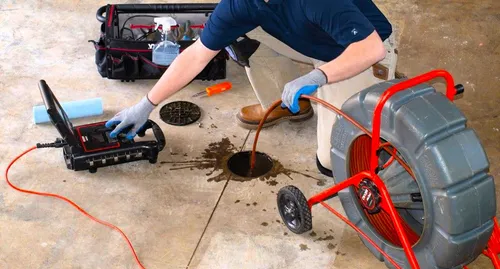
Jersey Trenchless is a sewer and drain cleaning specialist serving New York, NY, and surrounding areas. With three generations of experience, they offer services including sewer camera inspections, trenchless sewer repairs, and drain cleaning. Their expertise includes trenchless pipe relining and directional drilling, which allow for pipe repairs and replacements with minimal disruption to landscaping and property. The company provides 24-hour emergency service to address urgent sewer line issues promptly.
What is Trenchless Sewer Repair?
Trenchless sewer repair, often called "no-dig" sewer repair, refers to a set of advanced techniques used to rehabilitate or replace damaged underground sewer pipes with minimal disruption to your property. Instead of digging a long, deep trench to access the entire pipe, technicians use specialized equipment to repair the line from the inside out through small access points. The primary goal is to restore full function and structural integrity to your sewer system while preserving your landscaping, driveway, and hardscaping. For many homes in Sayreville, this modern method offers a faster, cleaner, and often more cost-effective alternative to traditional excavation 1.
The process always begins with a critical first step: a detailed video camera inspection. A high-resolution camera is sent through the sewer line to pinpoint the exact location, nature, and extent of the damage. This inspection is essential to determine if trenchless methods are viable and which specific technique-pipe lining or pipe bursting-is most appropriate for your situation.
When is Trenchless Repair the Right Solution?
Trenchless technology is an excellent solution for many common sewer line problems, but it's not a cure-all. Understanding the types of damage it can address will help you set realistic expectations when consulting with a professional.
Ideal Candidates for Trenchless Repair:
- Root Intrusion: Tree roots seeking moisture can infiltrate pipe joints and cause blockages or cracks.
- Hairline Cracks and Fractures: Small cracks from ground shifting or age-related wear.
- Minor Pipe Deterioration: Corrosion in older pipes like cast iron or gradual wear in clay tiles.
- Pipe Offsets: Sections of pipe that have become misaligned due to soil movement.
- Bellied Pipes: A low spot in the line where waste and sediment collect.
- Situations Requiring Property Preservation: When the sewer line runs under a mature garden, patio, pool deck, driveway, or other expensive landscaping.
When Traditional Excavation May Be Necessary: Trenchless methods have limitations. A full, open-trench excavation might be the only option in cases of:
- Complete Pipe Collapse: Where the pipe has flattened and no longer has a clear path.
- Severe Misalignment or Multiple Offsets: Making it impossible to pull a liner or bursting head through.
- Extensive Corrosion or Damage: Where the existing pipe is too degraded to serve as a host for a new liner.
- Access Constraints: If there aren't suitable entry and exit points for the trenchless equipment 2.
The Two Main Trenchless Methods: Lining vs. Bursting
Once a camera inspection confirms trenchless repair is feasible, your contractor will recommend one of two primary techniques. Both are highly effective but suited to slightly different scenarios.
1. Cured-in-Place Pipe (CIPP) Lining
CIPP lining, commonly called "pipe lining," is a rehabilitation method. It involves inserting a flexible, resin-saturated tube (liner) into the damaged host pipe. The liner is then inflated and left to cure, typically using hot water or ambient air. Once hardened, it forms a seamless, jointless "pipe within a pipe" that is highly resistant to roots and corrosion.
- Best For: Repairing pipes with cracks, holes, root intrusion, or minor deterioration. It's ideal for restoring the existing pipe's function without changing its diameter.
- Process: Access is gained via an existing cleanout or a small excavation. The pipe is cleaned via hydro-jetting. The epoxy-saturated liner is inverted or pulled into place and cured. The ends are trimmed, and the line is camera-inspected again.
- Key Advantage: It's the least invasive trenchless option, often requiring only one or two small access holes.
2. Pipe Bursting
Pipe bursting is a trenchless replacement method. A conical bursting head is pulled through the old, damaged pipe, fracturing it outward into the surrounding soil. Simultaneously, a new high-density polyethylene (HDPE) pipe is pulled in behind the bursting head, replacing the old line.
- Best For: Situations where the old pipe is too damaged to line (e.g., severely collapsed, misaligned, or needing a larger diameter pipe). It completely removes the old pipe and installs a new, durable one 3.
- Process: An entry and exit pit are dug. The bursting head and new pipe are attached to a pulling rod. The rod is pulled through the old pipe via a hydraulic machine, bursting the old pipe and drawing the new one into place.
- Key Advantage: It allows for potential upsizing of the pipe diameter and provides a brand-new, independent pipe system.
Find the perfect trenchless sewer repair companies for your needs
Get personalized recommendations and expert advice
The Trenchless Repair Workflow: What to Expect
Hiring a professional for a no-dig sewer repair involves a clear, multi-step process. Knowing what to expect can make the experience smoother.
- Comprehensive Camera Inspection: A technician will run a specialized sewer camera through your line from a cleanout or roof vent to diagnose the problem visually. This is non-negotiable and provides the blueprint for the repair 4.
- Cleaning and Preparation: Using high-pressure water jetting, the pipe is thoroughly cleaned of debris, roots, and obstructions to ensure a proper bond for a liner or a clear path for bursting.
- Access Point Creation: Small, targeted excavations (typically 4x4 feet or smaller) are dug at the beginning and end of the repair section. These "pits" provide entry for equipment.
- Execution of Chosen Method: Either the CIPP liner is installed and cured, or the pipe bursting equipment is set up and the new pipe is pulled through.
- Final Inspection and Restoration: A post-repair camera inspection verifies the work's quality. The small access pits are backfilled, compacted, and the surface (grass, pavement) is restored as neatly as possible 5.
Permits, Inspections, and Local Codes in Sayreville
In Sayreville and throughout New Jersey, sewer line repair or replacement typically requires permits. Reputable local contractors will handle the permit application process with the Sayreville Building Department on your behalf. The purpose of these permits is to ensure the work complies with state and local plumbing codes, which govern materials, installation methods, and connections to the public main.
Municipal inspections are a standard part of the permitted process. An inspector will likely need to check the work at key stages, often after the initial camera inspection to verify the problem and again after the trenchless repair is complete to approve the installation 6 7. Never hire a contractor who suggests skipping permits; it can lead to fines, problems when selling your home, and potential liability for improper work.
Understanding Costs and What Influences Them
The cost of trenchless sewer repair in Sayreville is not a flat fee; it depends on several variables. While trenchless methods often have a higher per-foot material cost than simple excavation, they usually result in a lower total project cost by eliminating thousands of dollars in landscape, driveway, and hardscape restoration.
Primary Cost Factors:
- Repair Length: The linear footage of pipe being repaired is the most significant factor.
- Chosen Method: CIPP lining is generally less expensive per foot than pipe bursting, which is more equipment- and labor-intensive.
- Pipe Depth and Accessibility: Deeper lines or those with difficult access (under structures) can increase cost.
- Extent of Damage: While trenchless handles many issues, more complex problems requiring additional preparation may affect the price.
- Local Labor Rates: Costs in the broader New Jersey area influence pricing.
Estimated Cost Ranges (Based on Available Data):
- Trenchless CIPP Lining: Approximately $70 - $150 per linear foot. For a typical 100-foot repair, this translates to a range of $7,000 - $15,000.
- Pipe Bursting: Approximately $60 - $200 per linear foot, with total project costs often similar to or slightly higher than CIPP lining due to the scope of work.
- Traditional Excavation: While the base digging cost might be $50 - $200 per foot, the added cost of restoring lawns, gardens, driveways, sidewalks, or patios can add $3,000 - $8,000 or more to the total bill. A full excavation project can easily reach $5,000 to $20,000+ 8.
It's vital to get detailed, written estimates from multiple licensed and insured trenchless specialists in the Sayreville area. The estimate should break down labor, materials, permit fees, and restoration costs.
Benefits of Choosing Trenchless Technology
The advantages of no-dig sewer repair extend beyond just avoiding a torn-up yard.
- Minimal Property Disruption: Your landscaping, trees, driveways, and walkways remain largely intact.
- Speed: Most trenchless repairs can be completed in one to two days, compared to a week or more for large excavation projects.
- Long-Term Durability: CIPP liners and HDPE pipes are highly resistant to root intrusion and corrosion, often with warranties of 50 years or more.
- Improved Flow: The smooth interior of cured liners and new pipes can improve water flow compared to old, rough-walled pipes.
- Cost-Effectiveness: When factoring in avoided restoration costs, trenchless is often the more economical choice overall 9 10 11.
Frequently asked questions
Sources
Footnotes
-
Trenchless Sewer Repair vs Traditional - https://piperestorationsolutions.com/trenchless-sewer-repair-vs-traditional/ ↩
-
What Are The Pros and Cons of Trenchless Sewer Repair? - https://www.southernairnow.com/blog/what-are-the-pros-and-cons-of-trenchless-sewer-repair/ ↩
-
What Trenchless Sewer Repair Costs & What Impacts the Price - https://www.sunsethc.com/what-trenchless-sewer-repair-really-costs-and-what-impacts-the-price/ ↩
-
Trenchless Sewer Replacement | Chatham, NJ - https://allcountysewer.com/trenchless-sewer-replacement/ ↩
-
Trenchless Piper Repair in Northern NJ - Dutra Sewer Service - https://dutrasewerservice.com/trenchless-solutions/ ↩
-
How Much Does Sewer Line Replacement Cost? - https://www.bobvila.com/articles/sewer-line-replacement-cost/ ↩
-
Trenchless Sewer Repair - What are the Risks? - Biard & Crockett - Orange County Plumber - https://www.biardandcrockett.com/blog/trenchless-sewer-repair/ ↩
-
Sewer Line Replacement Cost: 2025 Data - NJ Pipe Doctor - https://njpipedr.com/blog/sewer-line-replacement-cost/ ↩
-
Trenchless Sewer Repairs in North & Central NJ - https://www.arrowsewernj.com/sewer-drain/trenchless/ ↩
-
Trenchless vs. Traditional Sewer Repair - https://sewerlinesonly.com/trenchless-vs-traditional-sewer-repair-which-is-more-cost-effective-for-lakewood-homeowners/ ↩
-
Trenchless Sewer Line Repair vs. Sewer Line Excavation - https://dandfplumbing.com/sewer-line-repair-vs-sewer-line-excavation/ ↩