Find the Best Trenchless Sewer Repair Companies for Your Business
No obligation • Fast responses • Nationwide coverage

Why you can trust Search a Plumber
Search a Plumber is a leading United States resource for finding and evaluating professional plumbing services. Our team researches licensing, experience, and customer feedback to create unbiased, fact-driven overviews. Companies cannot pay to change ratings or placement, ensuring homeowners get trustworthy information.
Search providers near you
Top Trenchless Sewer Repair Companies in East Brunswick, New Jersey Ranked
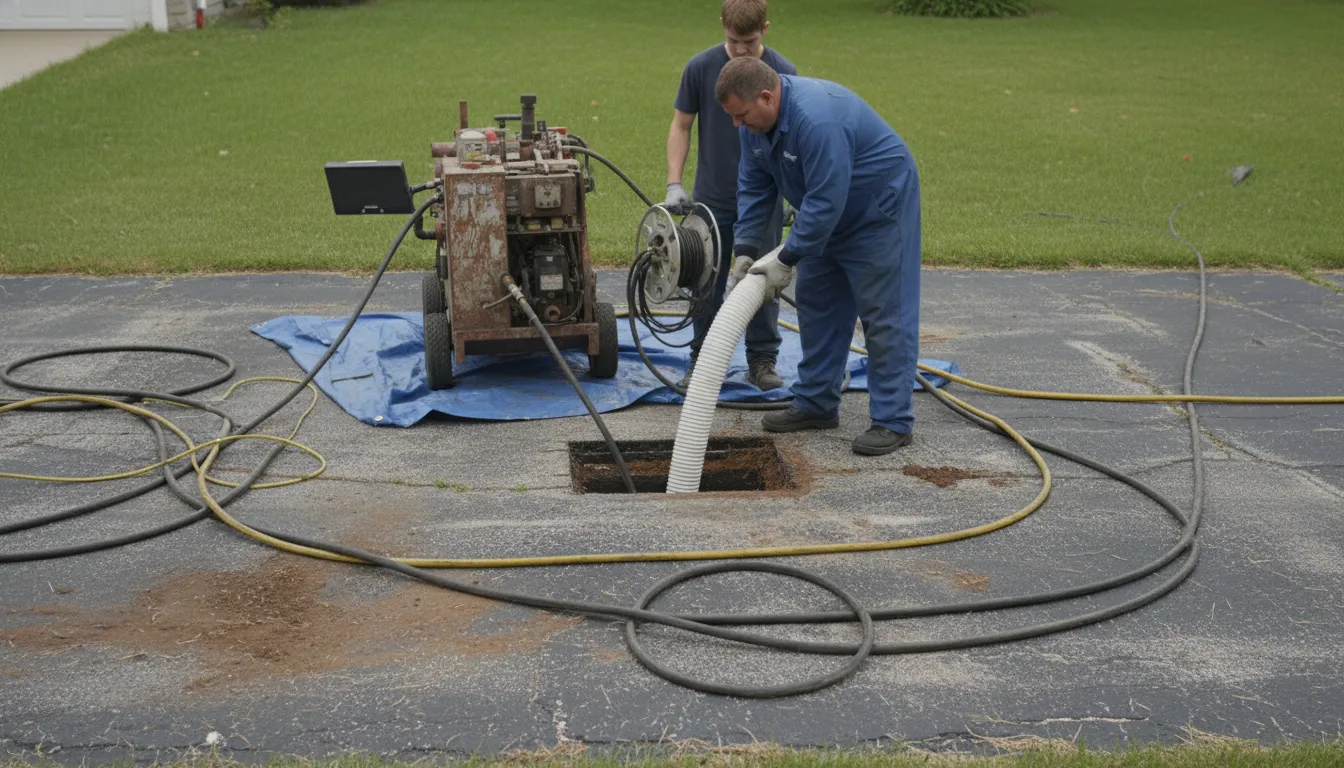
A damaged sewer line is a serious problem that can disrupt your home and threaten your property. Trenchless sewer repair offers a modern solution to fix underground pipes without the massive excavation and landscape destruction of traditional methods. This guide explains how trenchless technology works, when it's the right choice for East Brunswick homes, and what you can expect from the process, helping you connect with qualified local specialists for an efficient repair.
Arrow Sewer and Drain
165 Union Ave, Middlesex, NJ 08846
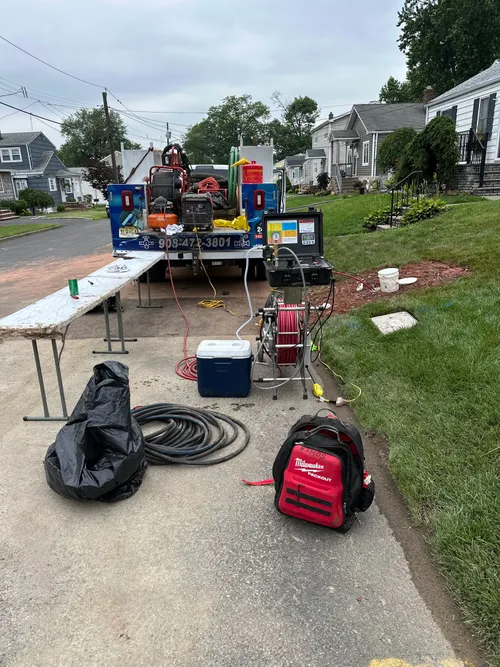
Arrow Sewer and Drain provides comprehensive plumbing and sewer services in New York, NY, with a focus on trenchless sewer repair, hydro jet drain cleaning, and emergency plumbing. Serving both residential and commercial clients, the company uses advanced technology such as sewer scopes, cured-in-place pipe (CIPP), and hydro excavation to deliver efficient, non-invasive repairs. With over 15 years of experience, Arrow Sewer and Drain offers 24/7 emergency plumbing services to address urgent issues at any time.
Freedom Plumbing Heating and Sewer Service LLC
64 Walters St, Rahway, NJ 07065
Freedom Plumbing Heating and Sewer Service LLC provides a range of plumbing and heating services in New York, NY. They handle water heater installation and repair, including tankless systems, as well as drain cleaning, hydro jetting, and sewer line repair. Their trenchless sewer repair techniques help restore sewer lines efficiently with minimal property disruption. The company serves both residential and commercial clients, offering expertise in complex plumbing issues and heating system maintenance.
Roto-Rooter Plumbing & Water Cleanup
169 Tremont Ave Unit 3, East Orange, NJ 07018
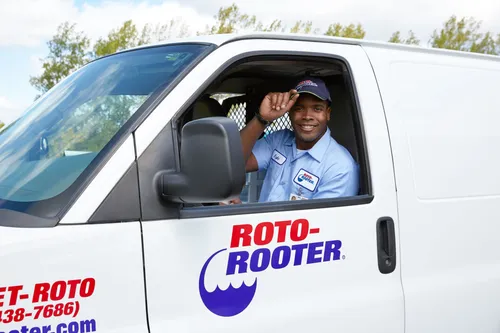
Roto-Rooter Plumbing & Water Cleanup provides a wide range of plumbing services in New York, NY, including sewer camera inspections, water heater repairs and installations, drain cleaning, hydro jetting, sewer line repair, and water softener installation. They offer 24/7 emergency plumbing services and use advanced equipment such as video camera inspections and trenchless sewer repair methods to address plumbing issues efficiently. The company serves East Orange and surrounding areas with expertise in both traditional and tankless water heaters, as well as various water filtration systems to improve water quality.
John Degrace Plumbing & Heating
267 River Rd, North Arlington, NJ 07031
John Degrace Plumbing & Heating is a family-owned plumbing and heating service provider based in New York, NY, serving northern New Jersey. With over 25 years of experience, they offer a wide range of services including sewer camera inspections, water heater repair and installation, sump pump repair, drain cleaning, hydro jetting, sewer line repair, trenchless sewer repair, leak detection, repiping, and gas line installation. The company is known for its licensed and highly trained plumbers, a large parts warehouse, and a 24/7 availability for emergency plumbing and heating needs. Their capabilities include trenchless sewer repair and comprehensive boiler services, including oil to gas conversions.
Jersey Trenchless
410 Talmage Ave unit 4, Bound Brook, NJ 08805
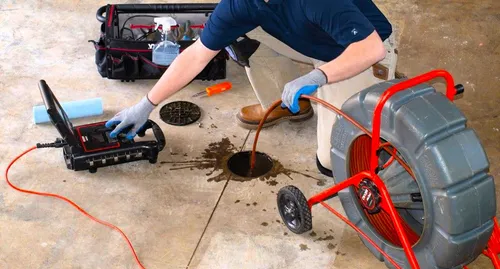
Jersey Trenchless is a sewer and drain cleaning specialist serving New York, NY, and surrounding areas. With three generations of experience, they offer services including sewer camera inspections, trenchless sewer repairs, and drain cleaning. Their expertise includes trenchless pipe relining and directional drilling, which allow for pipe repairs and replacements with minimal disruption to landscaping and property. The company provides 24-hour emergency service to address urgent sewer line issues promptly.
Understanding Trenchless Sewer Line Solutions
Often called "no-dig" sewer repair, trenchless technology encompasses two primary methods: pipe lining and pipe bursting. These innovative approaches address common underground pipe issues like root intrusion, cracks, joint failures, and corrosion by repairing or replacing the line from within. The core advantage is minimal surface disruption. Instead of digging a long, deep trench across your yard, driveway, or garden, technicians typically only need to dig two small access holes-one at the beginning and one at the end of the damaged section. This preserves your landscaping, hardscaping, and peace of mind, making it a preferred choice for many homeowners in residential neighborhoods like those in East Brunswick.
Key Problems Trenchless Repair Can Fix
Trenchless methods are highly effective for a range of common sewer line ailments:
- Root Intrusion: Tree roots seeking moisture can infiltrate pipe joints and cracks, causing blockages and damage.
- Cracks & Fractures: Aging pipes, ground movement, or freezing can lead to cracks that leak wastewater into the surrounding soil.
- Joint Leaks: Failed seals between pipe sections allow seepage and root entry.
- Corrosion: Over decades, old cast iron or clay pipes can corrode and deteriorate from the inside.
- Minor Sags or Bellies: Sections where the pipe has sunk, creating a low spot that collects debris and causes recurrent clogs.
For these issues, a trenchless repair can often restore full function and add decades of life to your sewer system without turning your property into a construction site.
When Traditional Excavation Might Still Be Necessary
While trenchless technology is versatile, there are situations where traditional, full-excavation sewer replacement is the only viable option. Understanding this distinction ensures you get the right solution for your specific problem. Excavation is typically required for 1:
- Complete Pipe Collapse: When a pipe has fully imploded or is severely crushed, there may be no viable host pipe for a liner or bursting tool to travel through.
- Severe Offsets: Major misalignments between pipe sections, often from significant ground settlement, can be too extreme for trenchless equipment to navigate.
- Complex Pipe Paths: Unusually sharp bends or inaccessible layouts might make trenchless methods impractical.
- Total Replacement in Certain Scenarios: If the existing pipe material or condition is deemed unsuitable for hosting a new liner or for the bursting process.
A professional diagnosis is crucial to determine the best path forward.
The Step-by-Step Trenchless Repair Process
A professional trenchless sewer repair follows a systematic, efficient workflow designed for accuracy and minimal disruption.
- Camera Inspection: The process always begins with a thorough video camera inspection. A specialized, waterproof camera is sent through the sewer line from a cleanout access point inside or outside your home. This allows the technician to visually diagnose the exact problem, locate its position, and assess the overall condition and length of the pipe. This critical step confirms whether trenchless repair is suitable and helps plan the job.
- Creating Access Points: Instead of a long trench, two small, strategic holes are excavated: one at the upstream access point (often near the home's foundation) and one at the downstream point (near the sewer main or cleanout). These "launch and reception" pits are just large enough for workers and equipment to perform the repair.
- The Repair Method: Lining or Bursting
- Pipe Lining (Cured-In-Place Pipe - CIPP): For repairing existing pipes, a flexible, resin-saturated liner is inverted or pulled into the old pipe 2. Once in position, it is inflated against the host pipe's walls. The resin is then cured using hot water or UV light, hardening to form a seamless, jointless "pipe within a pipe." This new lining seals all cracks and holes and resists future root intrusion and corrosion.
- Pipe Bursting (Replacement): For replacing a damaged line, a conical bursting head is pulled through the old pipe 3 4. This tool fractures the old pipe outward into the surrounding soil while simultaneously pulling a new, high-density polyethylene (HDPE) pipe into place behind it. This method completely replaces the old line with a new one of equal or larger diameter.
- Reconnection and Cleanup: Once the new liner or pipe is securely in place, all lateral connections (from sinks, toilets, etc.) are reinstated internally using a robotic cutter. The small access pits are backfilled, and the surface is restored. The entire system is then tested to ensure proper flow and function before the job is considered complete 5.
Find the perfect trenchless sewer repair companies for your needs
Get personalized recommendations and expert advice
Permits, Regulations, and Working with Professionals
In East Brunswick and throughout New Jersey, most sewer repair work-including trenchless projects-requires municipal permits 6. These permits ensure the work meets local building codes, plumbing standards, and environmental regulations. A significant benefit of hiring an established, reputable local contractor is that they typically manage the entire permit application and inspection process on your behalf 6. They understand the specific requirements of Middlesex County and the Township of East Brunswick, which helps prevent delays and ensures your repair is compliant and properly documented.
When evaluating trenchless sewer repair specialists, look for companies with specific experience in pipe lining and bursting, proper licensing, and insurance. They should be transparent about their diagnostic process, clearly explain why a particular method is recommended for your situation, and provide a detailed written estimate.
Evaluating the Cost and Value of Trenchless Repair
The investment in a trenchless sewer repair is influenced by several factors, primarily the length of the damaged section, the chosen method (lining vs. bursting), the depth and location of the pipe, and the complexity of the job. In the East Brunswick area, costs for trenchless repair typically range from $50 to $250 per linear foot 7 8.
While this per-foot cost can sometimes be higher than the excavation of the pipe itself, the total project cost often becomes more economical when you factor in restoration. Traditional digging requires extensive-and expensive-rehabilitation of your property after the pipe is fixed. This can include repaving driveways, repairing concrete walkways, and professionally restoring landscaping like sod, sprinkler systems, and gardens, which can easily add $2,000 to $8,000 or more to a project 9 10. Trenchless repair virtually eliminates these restoration costs.
Furthermore, the value extends beyond immediate savings:
- Speed: Many trenchless repairs can be completed in 1 to 2 days, with some pipe lining jobs finished in a matter of hours, minimizing inconvenience 11.
- Durability: A new CIPP liner or HDPE pipe is highly resistant to roots, corrosion, and chemical wear. These materials can have a lifespan of 50 years or more, providing a long-term solution 12.
- Property Preservation: Maintaining the integrity and beauty of your yard and hardscapes protects your property's value and curb appeal.
Frequently asked questions
Sources
Footnotes
-
New Jersey - Trenchless Today LLC. - https://trenchlesstoday.com/service-areas/new-jersey/ ↩
-
Trenchless Sewer Repair vs Traditional - https://piperestorationsolutions.com/trenchless-sewer-repair-vs-traditional/ ↩
-
Trenchless Sewer Repair in New Jersey - NJ Pipe Doctor - https://njpipedr.com/drain-sewer/trenchless-sewer/ ↩
-
Trenchless Sewer Repair Services in Newark, NJ | Gold Medal - https://www.goldmedalservice.com/plumbing/sewer-water-line/trenchless-sewer-repair/ ↩
-
ICUNJ: NJ Trenchless Sewer Line Repair & Replacement 24/7 - https://icunj.us/ ↩
-
Trenchless Sewer Repairs in North & Central NJ - https://www.arrowsewernj.com/sewer-drain/trenchless/ ↩ ↩2
-
Empower Your Decision: Decoding Trenchless Sewer Repair Costs - Pipeliner Pros - https://pipelinerpros.com/trenchless-sewer-repair-cost/ ↩
-
Sewer Line Replacement Cost: 2025 Data - NJ Pipe Doctor - https://njpipedr.com/blog/sewer-line-replacement-cost/ ↩
-
Trenchless vs. Traditional Sewer Repair - https://sewerlinesonly.com/trenchless-vs-traditional-sewer-repair-which-is-more-cost-effective-for-lakewood-homeowners/ ↩
-
Efficient Trenchless Sewer Line Repair in Northern New Jersey - https://russobrosplumbing.com/sewer/trenchless/ ↩
-
Jersey Trenchless LLC: Residential & Commercial Sewer, Drain & ... - https://www.jerseytrenchlessllc.com/ ↩
-
Trenchless Sewer Line Repairs in NJ, PA, DE : Harris - https://www.callharrisnow.com/sewer-drain/trenchless-repair/ ↩