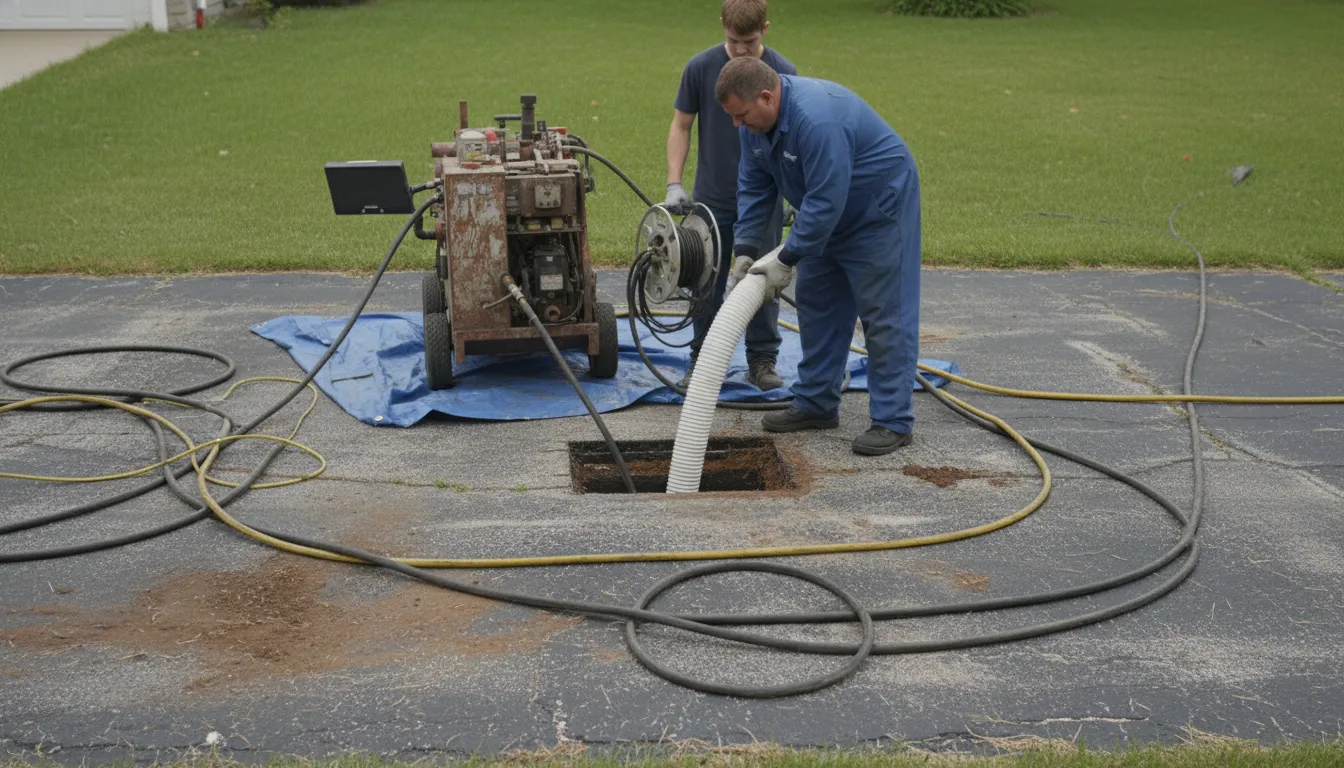
Find the Best Trenchless Sewer Repair Companies for Your Business
No obligation • Fast responses • Nationwide coverage

Why you can trust Search a Plumber
Search a Plumber is a leading United States resource for finding and evaluating professional plumbing services. Our team researches licensing, experience, and customer feedback to create unbiased, fact-driven overviews. Companies cannot pay to change ratings or placement, ensuring homeowners get trustworthy information.
Search providers near you
Top Trenchless Sewer Repair Companies in Apex, North Carolina Ranked
For homeowners in Apex dealing with a failing sewer line, the prospect of a massive, yard-destroying excavation can be daunting. Trenchless sewer repair offers a modern, minimally invasive alternative that rehabilitates your underground pipes without the need for extensive digging. This advanced method is crucial for preserving your property's landscaping, driveways, and hardscapes while addressing common issues like root intrusion and cracks. This guide will help you understand how no-dig pipe repair works, when it's the right solution, and how to connect with qualified local specialists to assess your specific situation.
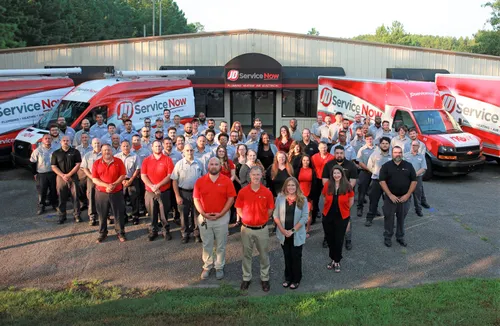
JD Service Now
4416 Bennett Memorial Rd STE 108, Durham, NC 27705
JD Service Now provides a range of home services in Durham, NC, including plumbing, heating, cooling, and electrical work. Their plumbing services cover water heater repair and installation, drain cleaning, hydro jetting, sewer line repair, trenchless sewer repair, leak detection, and repiping. The company is equipped to handle drain and sewer jobs of any size and offers trenchless pipe lining as a minimally invasive option. JD Service Now is known for its focus on integrity and customer service, serving the Durham area with a commitment to honest solutions and respect for customers' homes.
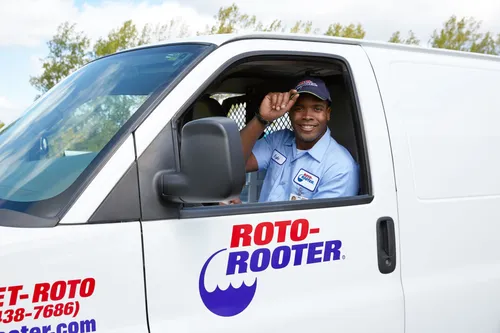
Roto-Rooter Plumbing & Water Cleanup
331 W Main St #307, Durham, NC 27701
Roto-Rooter Plumbing & Water Cleanup provides comprehensive plumbing services in Durham, NC, for both residential and commercial clients. Their offerings include drain cleaning, sewer line repair and replacement using trenchless methods, water heater repair and installation including tankless models, leak detection, gas line installation, and emergency plumbing available 24/7. The company also handles floodwater cleanup and mold remediation, addressing a wide range of plumbing needs with specialized equipment and experienced technicians. Serving Durham and surrounding counties, Roto-Rooter emphasizes adherence to local codes and environmental considerations while delivering prompt service for urgent plumbing issues.
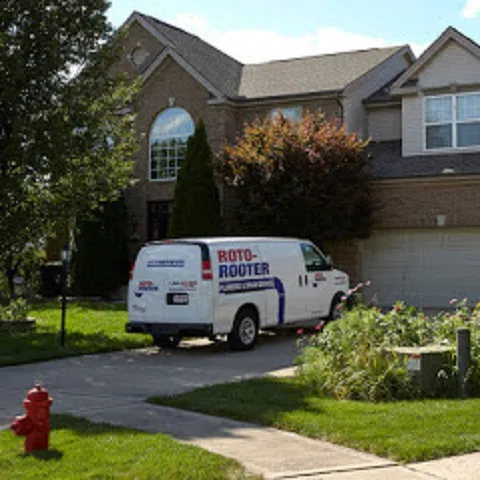
Roto-Rooter Plumbing & Water Cleanup
3329 Durham-Chapel Hill Blvd Suite 200 G, Durham, NC 27707
Roto-Rooter Plumbing & Water Cleanup provides a wide range of plumbing services in Durham, NC, including sewer camera inspections, water heater repairs and installations, drain cleaning, and sewer line repairs. They serve the Durham area with expertise in hydro jetting and trenchless sewer repair methods to minimize disruption during sewer line work. The company offers 24/7 emergency plumbing services to address urgent issues such as frozen pipes, sewer backups, and water heater problems. Roto-Rooter also installs and services water softeners and filtration systems to improve water quality for homes and businesses.
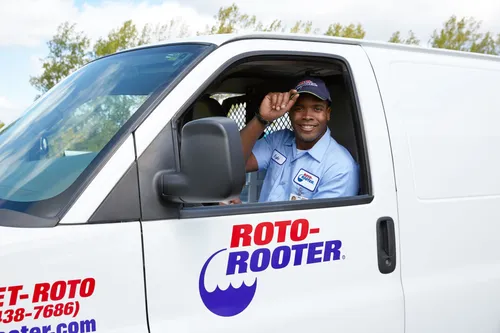
Roto-Rooter Plumbing & Water Cleanup
8820 Midway West Rd, Raleigh, NC 27617
Roto-Rooter Plumbing & Water Cleanup provides a wide range of plumbing services in Raleigh, NC, including sewer camera inspections, water heater repairs and installations, drain cleaning, and sewer line repairs. They offer 24/7 emergency plumbing service to address urgent issues such as sump pump failures and sewer backups. Their capabilities include hydro jetting and trenchless sewer repair techniques to minimize disruption during sewer line restoration. Roto-Rooter serves Raleigh and nearby areas like Wake Forest, Zebulon, and Rolesville, ensuring local expertise for the community.
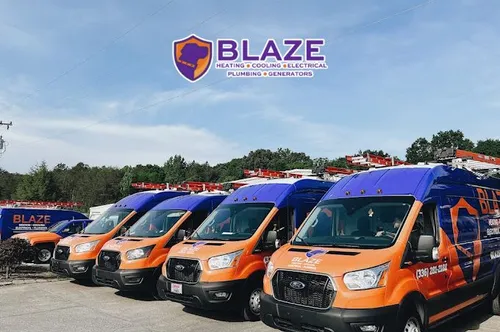
Blaze Heating Cooling Electrical Plumbing
540 Pylon Dr, Raleigh, NC 27606
Blaze Heating Cooling Electrical Plumbing provides a wide range of HVAC, electrical, and plumbing services in Raleigh, NC. Serving the Research Triangle region, they offer solutions including sewer camera inspections, water heater repairs and installations, drain cleaning, trenchless sewer line repair, leak detection, and repiping. With over 40 years of experience since 1979, Blaze is licensed and insured, ensuring professional and reliable service. They also provide 24/7 emergency availability to address urgent home system issues promptly.
What is Trenchless Sewer Repair?
Trenchless sewer repair, often called no-dig pipe repair, is a collection of techniques designed to fix or replace underground sewer lines with minimal excavation. Instead of digging a long, deep trench along the entire length of the pipe, technicians typically need only one or two small access points. The most common method used in Apex is Cured-in-Place Pipe (CIPP) lining, which involves inserting a flexible, resin-coated tube into the damaged pipe and hardening it in place to form a new, seamless pipe-within-a-pipe. This process effectively seals cracks, blocks root entry, and restores flow, often with a lifespan exceeding 50 years.
Other trenchless methods include pipe bursting, where a new pipe is pulled through the old one, simultaneously fracturing the old pipe outward. The core advantage of all these methods is the dramatic reduction in restoration work and property disruption, making them a preferred choice for many residential properties in established Apex neighborhoods.
Is Trenchless Repair Right for Your Apex Home?
Not every sewer problem can be solved with a trenchless solution. A professional diagnosis via a high-definition camera inspection is essential to determine the best course of action. Here's a general guide to when trenchless methods are suitable versus when traditional excavation may be necessary.
Ideal Candidates for Trenchless Repair (CIPP/Pipe Bursting):
- Pipe Condition: Pipes that are cracked, leaking, or have minor root intrusion but are not fully collapsed.
- Location: Pipes running under landscaped yards, gardens, patios, driveways, sidewalks, or even under structures like decks or sheds.
- Goal: Homeowners seeking to avoid the cost and mess of restoring a large excavated area.
When Traditional Excavation May Be Required:
- Severe Damage: Completely collapsed pipes or sections with severe misalignment (often called a "belly" or sag) where the pipe's critical slope needs to be re-established 1.
- Access Limitations: Situations where the existing pipe is too damaged for a liner to pass through or where multiple sharp bends complicate no-dig methods.
- Municipal Requirements: In some cases, local codes or the extent of damage from the main sewer line to the street may necessitate excavation.
Find the perfect trenchless sewer repair companies for your needs
Get personalized recommendations and expert advice
The Trenchless Repair Process: Step-by-Step
Understanding the workflow for a no-dig sewer line repair can help Apex homeowners know what to expect. Reputable local providers follow a meticulous process to ensure a long-lasting solution.
- Comprehensive Camera Inspection: The first and most critical step is a thorough video inspection. A specialized camera is sent down your sewer line to pinpoint the exact location, nature, and extent of the damage. This diagnostic tool provides the evidence needed to recommend the correct repair strategy.
- Hydro-Jetting & Pipe Preparation: Before any lining can occur, the pipe must be clean. High-pressure water jetting is used to scour the interior of the pipe, removing debris, grease, and roots. This creates a clean surface for the new liner to bond to.
- Liner Installation & Curing: For CIPP lining, a flexible felt tube saturated with a special resin is inverted or pulled into the damaged pipe. Once in position, the liner is inflated using air or water pressure, pressing it firmly against the host pipe's walls. The resin is then cured, usually using hot water or UV light, hardening it into a rigid, durable new pipe 2 3.
- Final Quality Assurance Inspection: After curing, a follow-up camera inspection is conducted. This verifies the new liner is properly installed, seamless, and provides a clear path for waste flow. You should receive a copy of this "after" video for your records 4.
- Permits and Municipal Compliance: In Apex and Wake County, sewer line repairs typically require permits from the local building authority. A qualified plumbing professional will handle pulling these permits and will coordinate for the necessary municipal inspections to ensure the work meets all safety and code requirements 5 6.
Understanding Costs for Trenchless Sewer Repair in Apex
The cost of trenchless sewer line repair is influenced by several factors specific to your property and the damage. While the upfront labor and material costs for no-dig methods are often higher than simple excavation, the overall project cost can be lower when you factor in the significant savings on landscape and hardscape restoration 7 8.
- Average Project Cost: For a typical residential lateral line in Apex, homeowners can expect a range of $$$3,500 to $$$12,000 or more for repairing a section of 20 to 30 feet of pipe 9 10.
- Cost Per Foot: A more granular way to estimate is by the linear foot, which generally falls between $$$55 and $$$250+ per foot. This wide range accounts for variables like pipe diameter, depth, and the complexity of the damage 11 12.
- Key Cost Factors:
- Length and Depth: More pipe and deeper excavations increase material and labor.
- Pipe Diameter: Larger diameter pipes require more liner material.
- Damage Severity: Extensive root damage or multiple cracks may require additional preparation.
- Accessibility: The ease of creating the necessary access pits impacts labor time.
- Liner Material: The type and quality of the resin and felt liner used can affect price and warranty.
It's important to get detailed, written estimates from multiple providers that break down these costs, including permits and inspections.
Benefits and Considerations of No-Dig Solutions
Choosing trenchless technology comes with a distinct set of advantages and a few limitations to weigh.
Primary Benefits:
- Minimal Property Disruption: Your lawn, driveway, and landscaping remain largely intact. This is often the most compelling reason for homeowners.
- Speed: Many trenchless repairs can be completed in a single day, compared to multi-day excavation and restoration projects.
- Durability: CIPP liners are resistant to corrosion and root intrusion, often coming with warranties of 50 years or more.
- Improved Flow: The new, seamless pipe interior often has a smoother surface than the old pipe, which can improve flow capacity.
Points to Consider:
- Not a Universal Fix: As noted, severely misaligned or collapsed pipes may not be candidates.
- Upfront Cost: The specialized materials and technology can make the initial quote higher than a basic dig-and-replace (before restoration costs are added).
- Pipe Diameter Reduction: CIPP lining slightly reduces the internal diameter of the pipe, though this is usually negligible with modern liners and is factored into design calculations.
Frequently asked questions
Sources
Footnotes
-
Understanding Trenchless No-Dig Pipe Repair: An Introductory Guide - https://piperestorationsolutions.com/understanding-trenchless-no-dig-pipe-repair-an-introductory-guide/ ↩
-
Trenchless Sewer Repair Raleigh NC | No-Dig Pipe Solutions ... - https://streamlineplumbinginc.com/sewer/raleigh/trenchless-sewer-line-repair/ ↩
-
Sewer Pipe Lining: What Consumers and Contractors Need to Know - https://www.mb-servicesllc.com/2024/04/22/sewer-pipe-lining-what-consumers-and-contractors-need-to-know-2/ ↩
-
Sewer Line Repair Apex: 5 Essential Tips for Homeowners - https://sewerlinerrepair.com/wake-county/sewer-line-repair-apex/ ↩
-
Trenchless Drain & Sewer Service - https://www.zoomdrain.com/drain-and-sewer-services/trenchless-drain-and-sewer/ ↩
-
The No-Dig Solution: A Guide to Trenchless Sewer Replacement - https://jollyplumbing.com/trenchless-sewer-replacement/ ↩
-
Trenchless Sewer Repair vs Traditional Method - CPI Service - https://cpiservice.com/blog/trenchless-pipe-repair-vs-traditional-method/ ↩
-
What Are The Pros and Cons of Trenchless Sewer Repair? | Southern Air - https://www.southernairnow.com/blog/what-are-the-pros-and-cons-of-trenchless-sewer-repair/ ↩
-
Empower Your Decision: Decoding Trenchless Sewer Repair Costs - Pipeliner Pros - https://pipelinerpros.com/trenchless-sewer-repair-cost/ ↩
-
The Cost of Sewer Line Replacement: What to Expect - https://dirtcheapsewer.com/the-cost-of-sewer-line-replacement/ ↩
-
Sewer Repair Cost: Trenchless Vs Traditional Methods - https://www.superbrothers.com/sewer-repair-cost-trenchless-vs-traditional-methods/ ↩
-
Trenchless Sewer Line Repair vs. Sewer Line Excavation - https://dandfplumbing.com/sewer-line-repair-vs-sewer-line-excavation/ ↩