Find the Best Trenchless Sewer Repair Companies for Your Business
No obligation • Fast responses • Nationwide coverage

Why you can trust Search a Plumber
Search a Plumber is a leading United States resource for finding and evaluating professional plumbing services. Our team researches licensing, experience, and customer feedback to create unbiased, fact-driven overviews. Companies cannot pay to change ratings or placement, ensuring homeowners get trustworthy information.
Search providers near you
Top Trenchless Sewer Repair Companies in Eagan, Minnesota Ranked
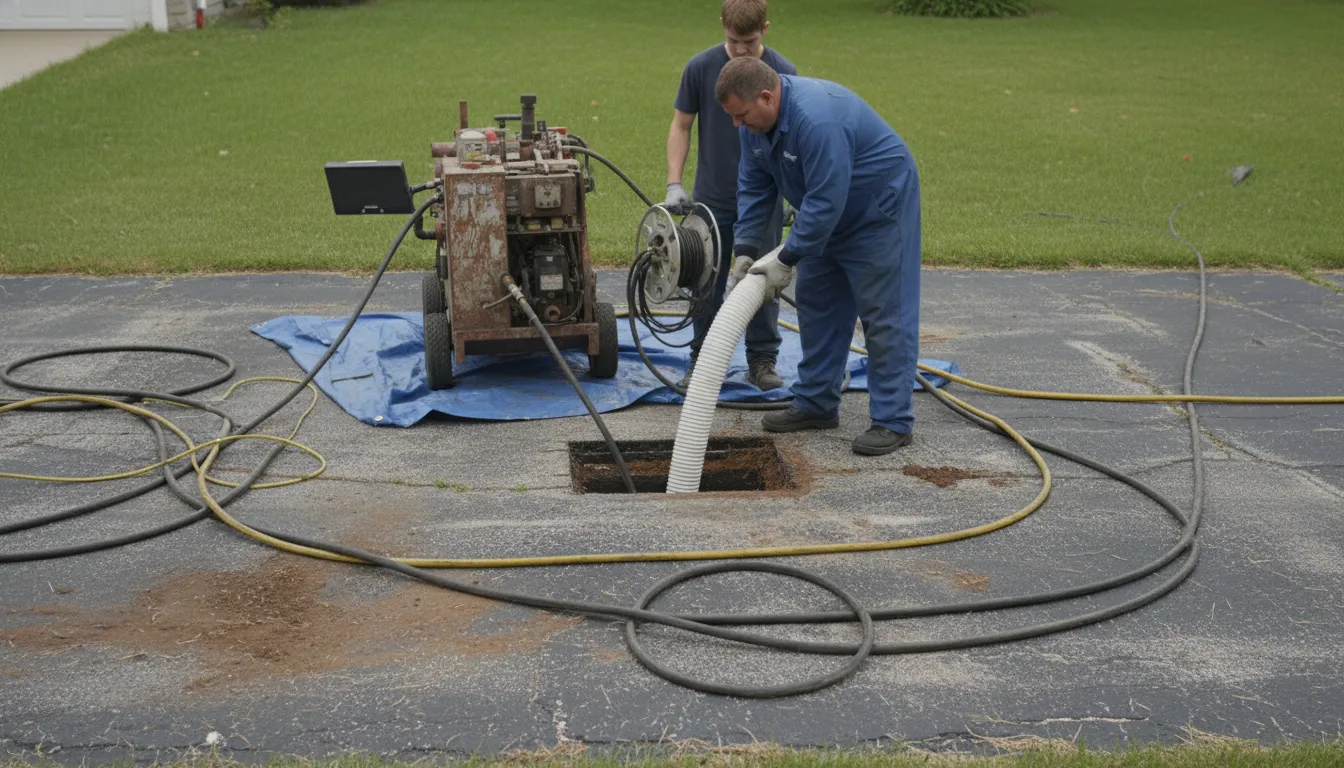
A damaged sewer line is a serious problem that can disrupt your home and threaten your property. Trenchless sewer repair offers a modern solution to fix broken pipes without the need for extensive, destructive digging across your yard. This method is crucial for Eagan homeowners as it preserves landscaping, driveways, and patios while providing a long-lasting fix. The following guide explains how trenchless technology works, when it's the right choice, and how you can find qualified local specialists to assess and resolve your sewer line issues.
Cichy's Water & Sewer
3346 Snelling Ave, Minneapolis, MN 55406
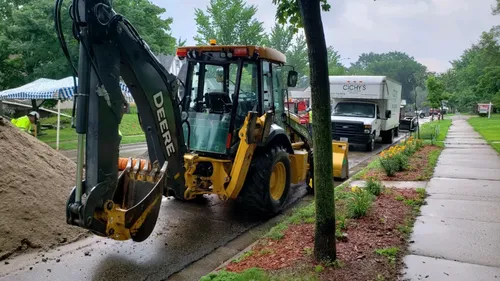
Cichy's Water & Sewer is a family-owned underground plumbing company serving St Paul, MN, and the surrounding Minneapolis area since 1989. They specialize in sewer line repair, water line replacement, and trenchless sewer repair, offering customized solutions to protect homes from underground plumbing issues. Their services include sewer video inspections, spot and trenchless sewer repairs, sewer cleaning with Picote descaling, and storm sewer line repair and installation. With over 30 years of experience, Cichy's Water & Sewer provides durable underground plumbing solutions tailored to each property.
Roto-Rooter Plumbing & Water Cleanup
1821 University Ave W #317, St Paul, MN 55104
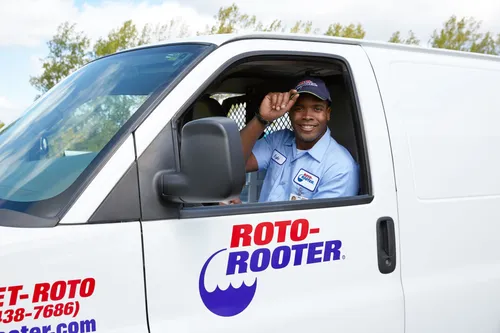
Roto-Rooter Plumbing & Water Cleanup provides a wide range of plumbing services in St. Paul, MN, including residential and commercial plumbing, drain cleaning, sewer line repair, water heater installation and repair, water softener and filtration system installation, and leak detection. They offer specialized capabilities such as video camera sewer inspections and trenchless sewer repair methods to minimize disruption during repairs. Serving the St. Paul metro area, their team is available 24/7, 365 days a year to address plumbing emergencies and routine maintenance needs.
Roto-Rooter Plumbing & Water Cleanup
6440 Flying Cloud Dr #111, Eden Prairie, MN 55344
Roto-Rooter Plumbing & Water Cleanup provides comprehensive plumbing services in Minneapolis, MN, including water heater repair and installation, sump pump repair, drain cleaning, sewer line repair, leak detection, repiping, and toilet and garbage disposal repairs. The company offers 24-hour emergency plumbing services, including after-hours and holiday availability, and specializes in trenchless sewer repair using advanced equipment. With over 85 years of experience, Roto-Rooter is equipped to handle a wide range of plumbing challenges and water damage cleanup.
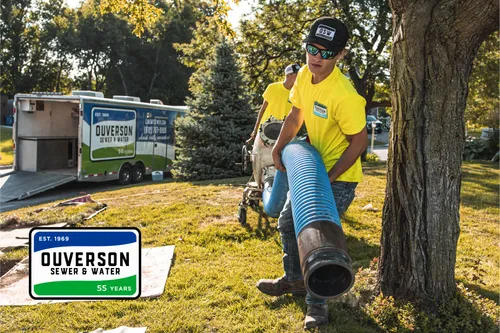
Ouverson Sewer & Water
5717 International Pkwy, New Hope, MN 55428
Ouverson Sewer & Water is a family-owned sewer line repair and trenchless sewer repair contractor serving Minneapolis, MN. Established in 1969, the company has over 55 years of experience in providing sewer repair services. Their capabilities include CIPP pipe patching, lateral CIPP lining, and wye tee lateral sealing, offering solutions that minimize disruption and leave little trace of the work done.
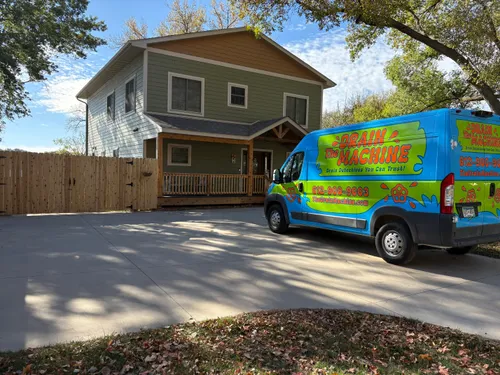
The Drain Machine
1445 17th Ave NW, New Brighton, MN 55112
The Drain Machine is a plumbing and drain service provider located in Minneapolis, MN. They offer a range of services including drain cleaning, sewer line repair, sump pump repair, water softener installation, and leak detection. The company uses advanced technology such as drain camera inspections and hydro jetting to diagnose and clear blockages efficiently. They provide both traditional pipe digging and trenchless sewer repair options depending on the severity of pipe damage. The Drain Machine serves the Minneapolis and Saint Paul area and is available 24/7 for emergency drain services.
What is Trenchless Sewer Repair?
Trenchless sewer repair, often called cured-in-place pipe (CIPP) lining or pipe bursting, is a method for rehabilitating existing underground sewer pipes. Instead of digging a long, deep trench to expose and replace the entire pipe, technicians use small access points-typically at existing cleanouts or at the beginning and end of the damaged section. Through these openings, they insert a flexible, resin-saturated liner into the old pipe or use a bursting head to fragment the old pipe while simultaneously pulling in a new, durable pipe. The result is a "pipe within a pipe" or a completely new line with minimal surface disruption.
This no-dig approach is designed to address common failures in residential sewer laterals, the pipes that carry waste from your home to the city's main sewer line under the street. For Eagan residents, this means protecting mature trees, sprinkler systems, and concrete surfaces that would otherwise be casualties of a traditional excavation.
Common Sewer Problems Trenchless Can Fix
Trenchless pipe rehabilitation is an excellent solution for a variety of common sewer line issues, particularly those where the pipe's overall alignment and structure are still somewhat intact. The most frequent problems addressed by trenchless methods in Eagan include:
- Root Intrusion: Tree roots seeking moisture can infiltrate pipe joints and cracks, causing blockages and eventual breakage.
- Cracks and Fractures: Aging pipes, ground shifting due to Minnesota's freeze-thaw cycles, or soil pressure can cause pipes to crack.
- Corrosion and Deterioration: Old cast iron or clay pipes can corrode or crumble over time, leading to leaks and reduced flow.
- Bellied or Offset Pipes: Sections of pipe can sink or shift, creating a low spot that collects waste and causes persistent clogs.
- Leaky Joints: The seals between pipe sections can fail, allowing sewage to leak into the surrounding soil.
It's important to note that trenchless methods are ideal for these types of deterioration. However, if a pipe has completely collapsed or has severe misalignment, traditional excavation may be the only viable option to replace it.
The Trenchless Repair Process: Step-by-Step
A professional trenchless sewer repair follows a systematic process to ensure a durable, code-compliant fix.
- Camera Inspection: The first and most critical step is a detailed video camera inspection. A specialized waterproof camera is snaked through the sewer line to pinpoint the exact location, nature, and extent of the damage. This diagnostic tool is essential for determining if trenchless repair is suitable and for planning the repair.
- Cleaning and Descaling: Before any repair can begin, the pipe must be thoroughly cleaned. High-pressure water jetting is used to clear out debris, grease, and root masses. For older pipes, descaling may be necessary to remove mineral buildup from the interior walls to ensure a proper bond for the liner.
- The Repair Method:
- Pipe Lining (CIPP): A flexible tube coated with a resin-saturated felt liner is inverted or pulled into the damaged pipe. Using air or water pressure, the liner is expanded to press tightly against the host pipe's walls. The resin is then cured using hot water or UV light, hardening to form a smooth, jointless, and corrosion-resistant new pipe within the old one 1.
- Pipe Bursting: This method is used when a completely new, potentially larger-diameter pipe is needed. A conical bursting head is pulled through the old pipe, fracturing it outward. Simultaneously, it pulls a new high-density polyethylene (HDPE) pipe into place behind it. This replaces the old line rather than lining it 2.
- Final Inspection and Cleanup: After the liner has cured or the new pipe is installed, a final camera inspection is conducted to verify the repair's integrity and smoothness. The access points are then sealed, and the minimal work areas are restored. The cleanup is typically swift, as there is no large trench to backfill.
Trenchless vs. Traditional Excavation: Making the Right Choice
When facing a sewer line failure, understanding the key differences between trenchless and traditional "dig-and-replace" methods will guide your decision.
Trenchless Sewer Repair (Pipe Lining/Bursting):
- Best For: Cracked pipes, root intrusion, offset joints, and general deterioration where the pipe is not fully collapsed 3 4.
- Key Advantages:
- Minimal Disruption: Preserves lawns, gardens, driveways, sidewalks, and landscaping.
- Faster Completion: Most projects can be completed in one to two days.
- Long-Lasting Solution: The new liner or pipe is highly resistant to roots and corrosion, often with a 50-year life expectancy.
- Often Cost-Effective: While the upfront repair cost can be similar, you save significantly on landscape and hardscape restoration costs 5 6.
Traditional Excavation:
- Necessary For: Severely collapsed pipes, major sags or bellies that can't be lifted, or situations where the existing pipe is too damaged to serve as a host for lining 7 8.
- Key Disadvantages:
- Major Property Damage: Requires a deep trench the full length of the repair, destroying everything above it.
- Longer Timeline: Involves digging, replacing, backfilling, and extensive restoration work.
- Higher Restoration Costs: The final bill must include the expensive task of replanting grass, repairing concrete, and restoring irrigation systems, which can push total costs much higher.
For most Eagan homeowners dealing with common sewer line issues, the trenchless approach offers a superior balance of effectiveness, convenience, and property preservation.
Find the perfect trenchless sewer repair companies for your needs
Get personalized recommendations and expert advice
Permits and Inspections in Eagan
Sewer line repairs, especially where work extends into the public right-of-way (such as under a sidewalk or street), are regulated. Reputable trenchless sewer contractors will handle the permitting process for you. In Eagan, this typically involves obtaining a Right-of-Way (ROW) permit from the city's Public Works department. The permit ensures the work meets city standards and often requires a traffic control plan if work affects a street 9.
After the repair is complete, a city inspector will usually visit to verify the work complies with local plumbing and infrastructure codes before the permit is closed. This inspection is a crucial step that protects you as a homeowner and ensures the long-term integrity of the public sewer system 10.
Understanding the Cost of Trenchless Repair
The cost of trenchless sewer line repair in Eagan varies based on the length and diameter of the pipe, the severity of the damage, the specific method used (lining vs. bursting), and the site's accessibility. However, some general ranges provide a useful benchmark.
Typical residential trenchless repairs often fall between $2,000 and $8,000 or more 11. A common way contractors price pipe lining is by the linear foot, which can range from $60 to $250 per foot depending on the factors mentioned above 12 11.
While this upfront cost may sometimes be comparable to or slightly higher than the excavation cost for the pipe alone, the true savings of trenchless repair come from avoiding landscape restoration. A traditional dig can easily incur thousands of dollars in additional costs for sod, concrete repair, and tree replacement, potentially pushing total project costs to $12,000 or more 13 14. Therefore, when evaluating bids, it's essential to consider the total project cost, including all restoration.
Finding a Qualified Trenchless Specialist in Eagan
Choosing the right contractor is the most important step in your sewer repair project. Look for a licensed, insured plumber or sewer specialist with specific, proven experience in trenchless technology. They should always begin with a video camera inspection and provide a clear, detailed quote. Ask for references, verify they will pull the necessary city permits, and ensure their work is backed by a strong warranty on both materials and labor. A trustworthy professional will clearly explain whether your situation is suitable for trenchless repair or if another method is necessary.
Frequently asked questions
Sources
Footnotes
-
Trenchless Sewer Repair: 5 Benefits of Lateral Pipe Lining | St. Paul, MN - https://paulbunyanplumbing.com/blog/trenchless-sewer-repair-5-benefits-of-lateral-pipe-lining-st-paul-mn/ ↩
-
Trenchless Sewer Repair vs. Traditional Excavation - AQUALIS - https://aqualisco.com/trenchless-sewer-repair-vs-traditional/ ↩
-
Minneapolis Trenchless Sewer Repair - https://marvelseweranddrain.com/trenchless-sewer-repair/ ↩
-
What Are The Pros and Cons of Trenchless Sewer Repair? - https://www.southernairnow.com/blog/what-are-the-pros-and-cons-of-trenchless-sewer-repair/ ↩
-
Trenchless Sewer Repair vs. Traditional Excavation - https://alphaenvironmental.net/blog/trenchless-sewer-repair-vs-traditional-excavation-which-is-better/ ↩
-
Trenchless Sewer Repair Pros And Cons - Expert Advice - https://redrocktrenchless.com/trenchless-sewer-repair-pros-and-cons/ ↩
-
Trenchless Sewer Line Repair vs. Sewer Line Excavation - https://dandfplumbing.com/sewer-line-repair-vs-sewer-line-excavation/ ↩
-
Trenchless vs. Traditional Sewer Repair - https://sewerlinesonly.com/trenchless-vs-traditional-sewer-repair-which-is-more-cost-effective-for-lakewood-homeowners/ ↩
-
Trenchless Sewer Repair in Minnesota | Marvel Sewer and Drain - https://marvelseweranddrain.com/sewer-repair/ ↩
-
Permit and Code Essentials for Trenchless Projects: What Inspectors ... - https://www.wefixdrains.com/blog/permit-and-code-essentials-for-trenchless-projects-what-inspectors-check/ ↩
-
Empower Your Decision: Decoding Trenchless Sewer Repair Costs - https://pipelinerpros.com/trenchless-sewer-repair-cost/ ↩ ↩2
-
Is Trenchless Sewer Line Repair Cheaper? - AP Plumbing - https://applumbing.com/blog/is-trenchless-sewer-line-repair-cheaper/ ↩
-
How Much Does Trenchless Sewer Line Repair Cost? - https://alphaenvironmental.net/blog/how-much-does-trenchless-sewer-repair-cost/ ↩
-
Comparing Traditional Sewer Repair Costs In Minnesota - https://redrocktrenchless.com/comparing-traditional-sewer-repair-costs-minnesota/ ↩