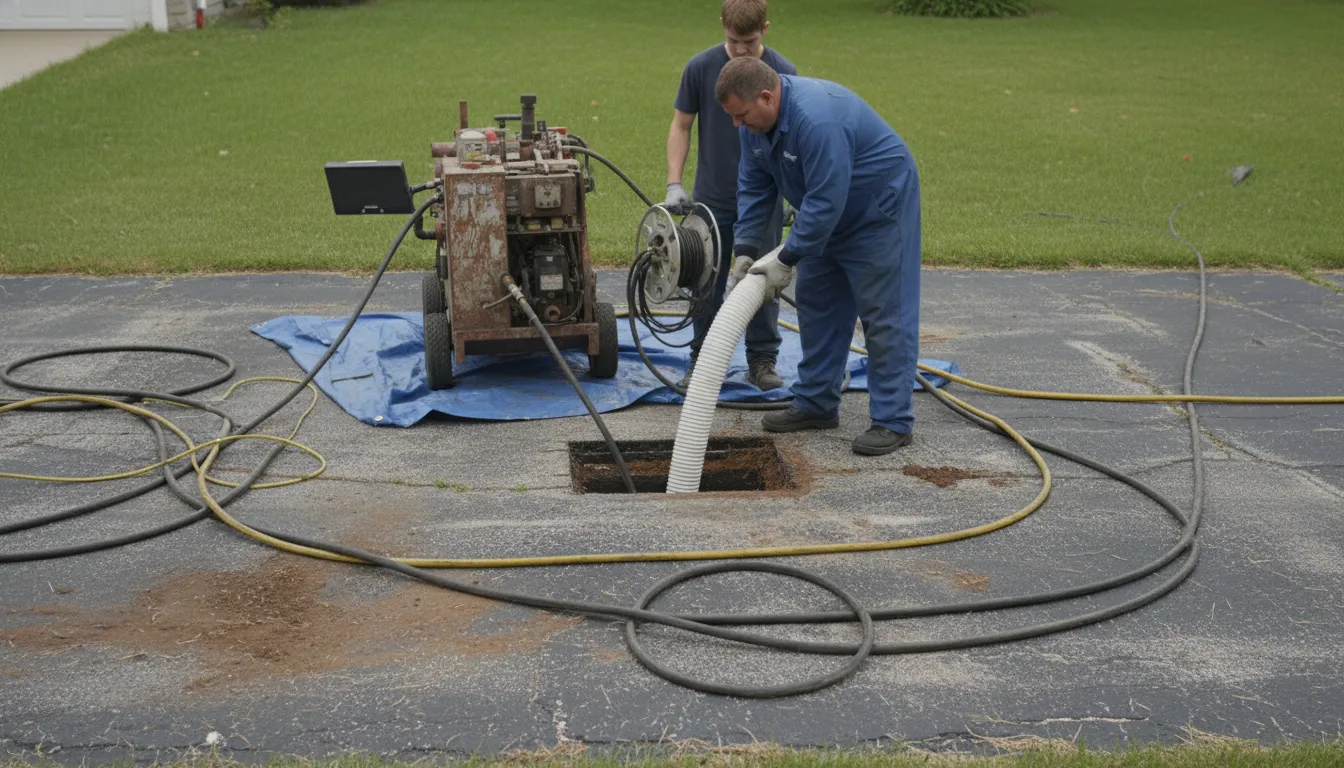
Find the Best Trenchless Sewer Repair Companies for Your Business
No obligation • Fast responses • Nationwide coverage

Why you can trust Search a Plumber
Search a Plumber is a leading United States resource for finding and evaluating professional plumbing services. Our team researches licensing, experience, and customer feedback to create unbiased, fact-driven overviews. Companies cannot pay to change ratings or placement, ensuring homeowners get trustworthy information.
Search providers near you
Top Trenchless Sewer Repair Companies in Troy, Michigan Ranked
A damaged sewer line is a serious problem for any homeowner, but the thought of a massive excavation tearing up your driveway or prized landscaping can be just as distressing. Trenchless sewer repair offers a modern solution, fixing underground pipes with minimal digging. This method is crucial for preserving your property and avoiding the extensive restoration costs of traditional digging. The following information will help you understand the process, costs, and local considerations for trenchless pipe repair in Troy, so you can make an informed decision when seeking a qualified professional.
Triton Plumbing
1307 E Maple Rd, Troy, MI 48083
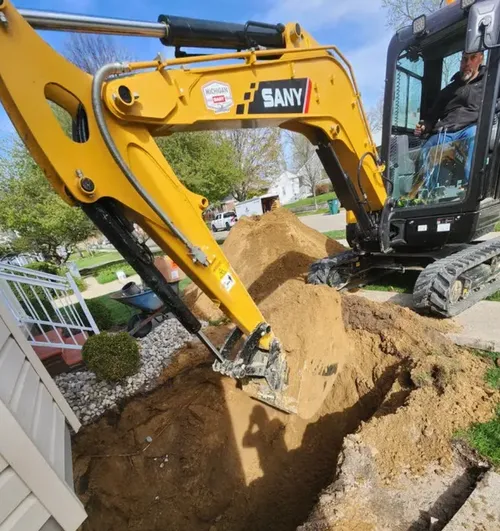
Triton Plumbing is a plumbing company serving Detroit, MI, led by a fourth-generation master plumber. They offer a range of residential and commercial plumbing services including trenchless sewer repair, sewer camera inspections, water heater installation and repair, sump pump services, drain cleaning, leak detection, and toilet repairs. Their trenchless sewer repair uses advanced technology to minimize property disruption by creating small access points for pipe repairs. Triton Plumbing also provides sump pump solutions to protect properties from flooding, especially in Oakland and Macomb County. The company emphasizes quality and integrity in their work and has experience handling complex sewer line replacements and hydro jetting services.
Bison Plumbing
25780 Ryan Rd, Warren, MI 48091
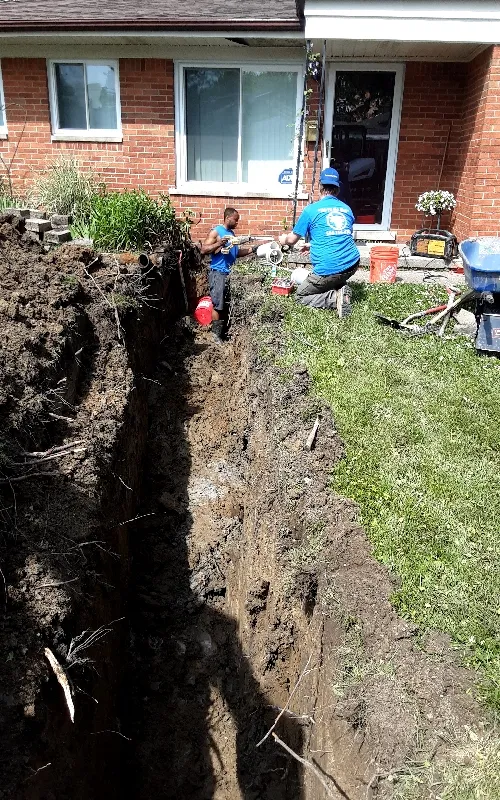
Bison Plumbing is a family-owned and operated plumbing company serving Detroit, MI, and the surrounding Metro Detroit area since 1998. They provide a wide range of commercial and residential plumbing services, including sewer camera inspections, drain cleaning, hydro jetting, trenchless sewer repair, and general plumbing repairs. Their expertise in no-dig sewer repairs, such as pipe lining and pipe patching, allows them to rehabilitate sewer and storm lines without traditional digging methods. Bison Plumbing also offers backflow testing and mechanical piping services, ensuring compliance with local codes and standards.
Delta Plumbers Windsor
Detroit, MI
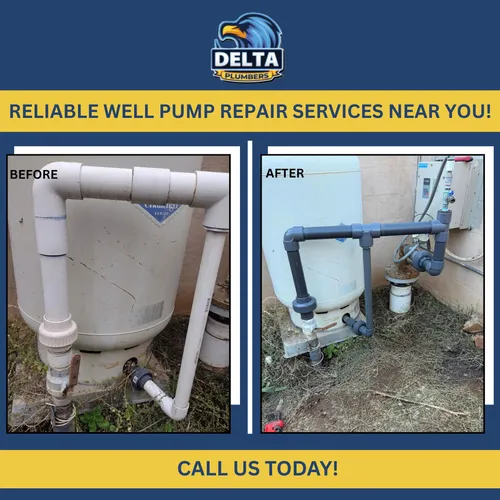
Delta Plumbers Windsor is a full-service plumbing company serving Detroit, MI, with over 17 years of experience. They provide a wide range of plumbing services including sewer camera inspections, water heater installation and repair, drain cleaning, hydro jetting, sump pump repair, and trenchless sewer line repair. Their team uses advanced technology such as video camera inspections and leak detection equipment to diagnose and fix plumbing issues efficiently. Delta Plumbers Windsor offers 24/7 emergency plumbing services to address urgent problems like burst pipes and sewer backups, ensuring reliable support any time of day or night.
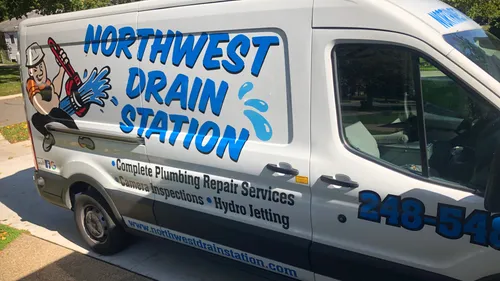
Northwest Drain Station, Inc.
311 Charlotte Ave, Royal Oak, MI 48073
Northwest Drain Station, Inc. is a plumbing and drain service company located near Detroit, MI, serving Metro Detroit and surrounding areas. They provide a range of services including sump pump repair, drain cleaning, sewer line repair, trenchless sewer repair, and garbage disposal repair. The company uses modern technology and equipment to handle both residential and commercial plumbing needs, offering a no dig-up guarantee and a one-year warranty on repairs. Established in 1993, Northwest Drain Station also offers 24/7 emergency service with a one-hour response time.
The Honest Plumbers & Drain Services of Birmingham
Detroit, MI
The Honest Plumbers & Drain Services of Birmingham is a family-owned plumbing company serving Birmingham, MI, and the surrounding Oakland County area. With over 20 years of experience, they offer a full range of plumbing services including sewer camera inspections, trenchless sewer repairs, water heater installation and repair, sump pump services, and hydro jetting. Their expertise includes advanced sewer line repairs using trenchless methods that minimize excavation and protect landscaping. The company provides 24/7 emergency plumbing services to address urgent issues promptly.
What is Trenchless Sewer Repair?
Trenchless sewer repair, often called no-dig or pipe lining, is a method for repairing or replacing underground sewer pipes without the need for large, destructive trenches. Instead, technicians use small access points-often at existing cleanouts-to insert a flexible, resin-saturated liner into the damaged pipe. This liner is then inflated and cured in place, forming a new, seamless pipe-within-a-pipe. Another common trenchless technique is pipe bursting, where a bursting head is pulled through the old pipe, fracturing it outward while simultaneously pulling in a new high-density polyethylene (HDPE) pipe.
This approach is designed to address common issues like minor cracks, leaks, corrosion, and root intrusion without disrupting your yard, driveway, sidewalks, or gardens. For homeowners in established Troy neighborhoods with mature trees and landscaping, this can be a game-changer, preserving the hardscape and landscape you've invested in.
When is Trenchless Repair the Right Choice?
Not every sewer problem is suited for a trenchless solution. Understanding the ideal scenarios will help you determine if this method is viable for your home.
Trenchless repair is typically recommended for:
- Cracked or leaking pipes: Small fractures and joint separations that are allowing water to seep out or soil to seep in.
- Root intrusion: Pipes that have been compromised by tree roots seeking moisture.
- Corroded or degraded pipes: Old cast iron or clay pipes that are thinning or breaking down but are not fully collapsed.
- Pipes under obstacles: Lines that run under driveways, patios, pools, or extensive landscaping where excavation would be prohibitively expensive and disruptive.
Traditional excavation may still be necessary for:
- Severely collapsed pipes: Where the pipe has lost its structural shape entirely.
- Major misalignment: Sections of pipe that have shifted dramatically, preventing a liner from passing through.
- Multiple severe failures: Over a long, continuous section of pipe.
- Insufficient access points: If there aren't adequate cleanouts or entry points to perform the trenchless procedure 1.
A professional diagnosis via a sewer camera inspection is the only way to know for sure which method is appropriate for your specific situation.
The Trenchless Repair Process: Step-by-Step
A professional trenchless sewer repair follows a systematic process to ensure a durable, long-lasting fix.
- Camera Inspection: The first and most critical step is a video camera inspection. A specialized waterproof camera is fed into the sewer line through a cleanout to pinpoint the exact location, nature, and extent of the damage. This confirms whether trenchless methods are suitable.
- Site Preparation & Cleaning: The existing pipe must be cleared of any blockages, roots, or debris. High-pressure water jetting is often used to scour the pipe clean, ensuring a smooth surface for the new liner to adhere to.
- Access Point Preparation: Small, strategic access pits are dug at the beginning and end of the repair section. These are typically just a few feet square, a fraction of the size of a traditional trench.
- Liner Installation or Pipe Bursting:
- For Cured-in-Place Pipe (CIPP) Lining: A flexible felt tube saturated with epoxy resin is inverted or pulled into the old pipe. It is then inflated using air or water pressure, pressing the resin against the host pipe's interior walls.
- For Pipe Bursting: A conical bursting head is attached to the new HDPE pipe and pulled through the old pipe. The head breaks the old pipe apart while the new pipe is pulled directly into its place 2.
- Curing: For the liner method, the resin must harden. This can be done with ambient cure, steam, or UV light, transforming the soft liner into a rigid, structural new pipe.
- Final Inspection & Restoration: A follow-up camera inspection verifies the new pipe is seamless and properly installed. The small access pits are then backfilled and restored, completing the job with minimal landscape impact 3 4.
Find the perfect trenchless sewer repair companies for your needs
Get personalized recommendations and expert advice
Permits and Regulations in Troy, MI
Sewer line repairs in Troy are not a DIY project and require proper permitting. Any work on a sewer lateral-the pipe that runs from your home to the city's main sewer line in the street-typically requires a permit from the City of Troy's Building Department. This process often involves coordination with the Oakland County Health Division, which oversees septic and sewer systems to ensure public health standards are met.
A licensed plumbing contractor will usually handle the permit application process. The permit ensures the work is done to current building and plumbing codes. After the repair is complete, a city or county inspector will likely need to approve the installation before the access points are fully closed up. Skipping this step can lead to fines and problems if you try to sell your home in the future.
Understanding the Cost of Trenchless Repair in Troy
The cost of trenchless sewer line repair can vary significantly based on several project-specific factors. While the upfront cost is often higher than a simple spot repair via excavation, the overall value comes from the savings on landscape and hardscape restoration.
Primary Cost Factors:
- Length of Repair: The single biggest factor. Costs are frequently calculated per linear foot.
- Pipe Diameter: Larger diameter pipes require more material.
- Type and Severity of Damage: Simple cracks cost less than sections with multiple root intrusions.
- Accessibility: Difficulty in reaching the cleanouts or repair area can add labor time.
- Chosen Method: CIPP lining and pipe bursting have different material and equipment costs 5.
Typical Cost Range: Industry data suggests trenchless sewer repair costs generally range from $135 to $285 or more per linear foot 6. For a typical residential project in Troy, total costs often fall between $2,000 and $10,000+ 7. This wide range underscores why an on-site estimate is essential.
Additional Costs to Consider:
- Camera Inspection: A necessary diagnostic step, typically costing $175 - $350 or more 8 9.
- Permit Fees: City of Troy and Oakland County permit fees can add several hundred dollars to the project cost.
- Cleanout Installation: If your home lacks a proper cleanout, one may need to be installed for access, adding to the cost.
While the initial price tag may seem steep, it's important to compare the full project cost. Traditional excavation can easily add thousands of dollars in concrete replacement, sodding, tree removal, and landscaping repair that trenchless methods avoid entirely, making trenchless a cost-effective choice in the long run for many homeowners 10 11 12.
Benefits and Limitations of the No-Dig Approach
Benefits:
- Minimal Disruption: Preserves lawns, gardens, driveways, and walkways.
- Faster Completion: Most trenchless repairs can be completed in one to two days.
- Durable Result: The new liner or pipe is often more resistant to roots and corrosion than the original.
- Less Mess: Significantly reduced dirt, debris, and restoration work.
- Increased Property Value: A new, durable sewer line is a major asset.
Potential Limitations:
- Not for All Damage: Cannot fix completely collapsed or severely misaligned pipes.
- Higher Upfront Material Cost: The specialized materials and equipment are costlier.
- Access Requirements: Requires at least two small access points, which may not exist in older homes.
- Pipe Diameter Reduction: CIPP lining slightly reduces the internal diameter of the pipe (though the smooth interior often improves flow) 13 14.
Frequently asked questions
Sources
Footnotes
-
Trenchless Sewer Line Repair vs. Sewer Line Excavation - https://dandfplumbing.com/sewer-line-repair-vs-sewer-line-excavation/ ↩
-
Empower Your Decision: Decoding Trenchless Sewer Repair Costs - https://pipelinerpros.com/trenchless-sewer-repair-cost/ ↩
-
Sewer Line Repairs in Troy & Southeast Michigan - Hoover Electric - https://www.callhoover.com/sewer-drains/sewage-repair/ ↩
-
Trenchless Sewer Repair vs Traditional - Pipe Restoration Solutions - https://piperestorationsolutions.com/trenchless-sewer-repair-vs-traditional/ ↩
-
How Much Does Trenchless Sewer Line Repair Cost? - https://alphaenvironmental.net/blog/how-much-does-trenchless-sewer-repair-cost/ ↩
-
Your Guide to Calculating Trenchless Sewer Repair Costs - https://sekisui-spr.com/blog/2021/05/17/trenchless-sewer-repair-costs/ ↩
-
Sewer & Drain Plumbing Service in Troy & Southeast Michigan - https://www.callhoover.com/sewer-drains/ ↩
-
How Much Does Trenchless Sewer Line Piping Cost? [2026 Data] - https://www.angi.com/articles/trenchless-sewer-line-replacement-cost.htm ↩
-
Trenchless Sewer Line Repair vs Traditional Methods - https://americansmasterpipe.com/trenchless-sewer-line-repair-vs-traditional-methods/ ↩
-
Trenchless vs. Traditional Sewer Repair - https://sewerlinesonly.com/trenchless-vs-traditional-sewer-repair-which-is-more-cost-effective-for-lakewood-homeowners/ ↩
-
Trenchless Sewer Repair vs. Traditional Excavation - AQUALIS - https://aqualisco.com/trenchless-sewer-repair-vs-traditional/ ↩
-
How much does it cost to repair a sewer using trenchless methods? - https://sewerpros.com/trenchless-sewer-repair-cost/ ↩
-
What Are The Pros and Cons of Trenchless Sewer Repair? | Southern Air - https://www.southernairnow.com/blog/what-are-the-pros-and-cons-of-trenchless-sewer-repair/ ↩
-
Understanding Trenchless No-Dig Pipe Repair: An Introductory Guide - https://piperestorationsolutions.com/understanding-trenchless-no-dig-pipe-repair-an-introductory-guide/ ↩