Find the Best Trenchless Sewer Repair Companies for Your Business
No obligation • Fast responses • Nationwide coverage

Why you can trust Search a Plumber
Search a Plumber is a leading United States resource for finding and evaluating professional plumbing services. Our team researches licensing, experience, and customer feedback to create unbiased, fact-driven overviews. Companies cannot pay to change ratings or placement, ensuring homeowners get trustworthy information.
Search providers near you
Top Trenchless Sewer Repair Companies in Peabody, Massachusetts Ranked
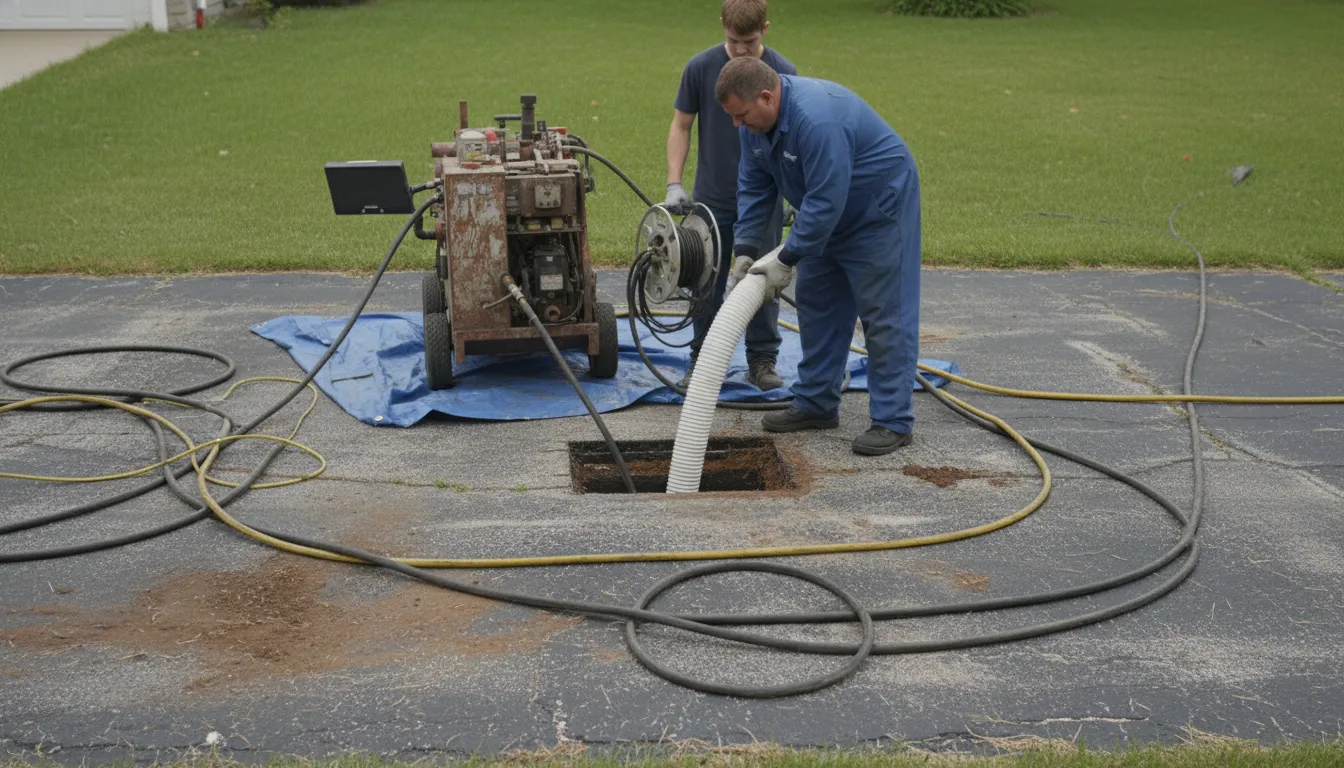
When your home's sewer line fails, the thought of a massive, yard-destroying trench can be as distressing as the problem itself. Trenchless sewer repair is a modern, minimally invasive method for fixing damaged underground pipes without extensive excavation. This advanced approach is crucial for preserving your property's landscaping, driveways, and hardscapes while restoring your plumbing system's integrity. For Peabody homeowners, understanding this technology is the first step to finding a qualified local specialist who can efficiently solve sewer issues with minimal disruption.
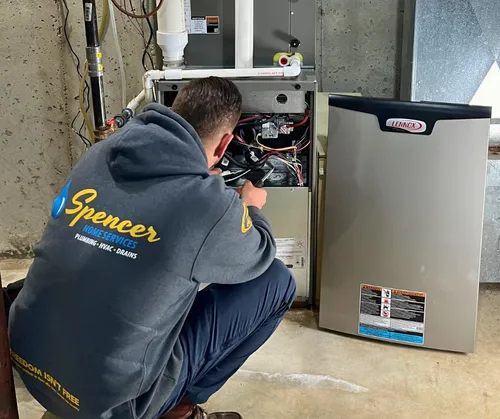
Spencer Plumbing Sewer and Drain Cleaning
67 Foster St, Peabody, MA 01960
Spencer Plumbing Sewer and Drain Cleaning is a family-owned company serving Boston, MA, and surrounding counties including Essex, Middlesex, and Suffolk. They provide residential and commercial plumbing services such as water heater repair, tankless water heater installation, drain cleaning, and trenchless sewer repair. The company has over 40 years of experience and uses the latest technology to handle a range of home system repairs and installations. They offer same-day and emergency trenchless sewer repair services to quickly address urgent plumbing needs.
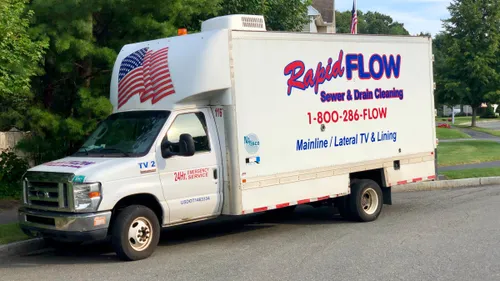
Rapid Flow Sewer & Drain Cleaning
Boston, MA
Rapid Flow Sewer & Drain Cleaning is a plumbing service provider based in Boston, MA, specializing in sewer and drain solutions for both residential and commercial properties. They offer a range of services including sewer camera inspections, drain cleaning, sewer line repairs, leak detection, and trenchless sewer repair techniques such as pipe lining. Using advanced technology and modern trenchless methods, they minimize disruption while restoring pipe functionality. The company provides 24/7 emergency services to address urgent plumbing issues promptly and offers preventive maintenance programs to extend the life of plumbing systems and prevent future problems.
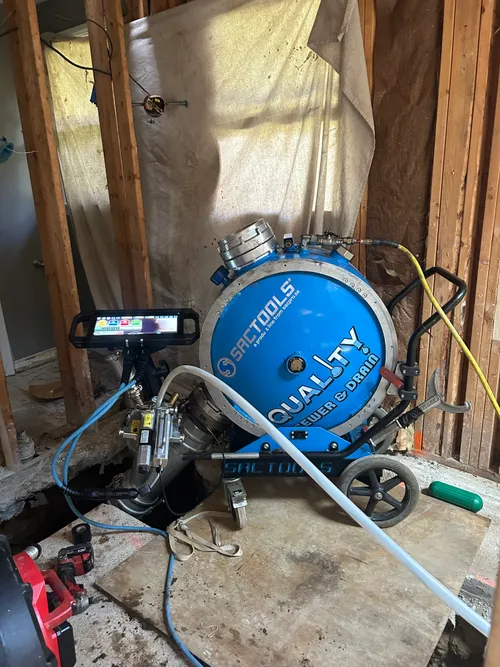
Quality Sewer & Drain, Inc
77 Walnut St Unit 5, Peabody, MA 01960
Quality Sewer & Drain, Inc is a family-owned business serving Boston, MA, and the surrounding North Shore area. They provide residential, commercial, and industrial sewer and drain services, including trenchless sewer pipe lining, hydro jetting, video drain inspections, and drain cleaning. The company specializes in trenchless pipe rehabilitation using CIPP lining and pipe patching techniques to restore sewer and drain functionality without extensive digging. With over 20 years of combined experience, Quality Sewer & Drain is certified in multiple pipe lining technologies and serves a wide range of communities in Massachusetts and parts of Southern Maine and New Hampshire.
Roto-Rooter Plumbing & Water Cleanup
175 Maple St, Stoughton, MA 02072
Roto-Rooter Plumbing & Water Cleanup provides comprehensive residential and commercial plumbing services in Boston, MA, and the surrounding areas. They specialize in sewer line inspections, repairs, and trenchless pipe replacement, as well as water heater installation and repair, drain cleaning, leak detection, and water softener installation. The company is equipped to handle emergency plumbing situations with 24/7 availability, including floodwater cleanup and mold remediation. With extensive experience servicing the local community, Roto-Rooter uses advanced technology such as hydro jetting to address tough clogs and sewer line issues efficiently.
Drain Stars
Boston, MA
Drain Stars offers a range of plumbing and drain services in Boston, MA, including water heater repair and installation, drain cleaning, toilet and garbage disposal repairs, and trenchless sewer pipe lining. With over 20 years of experience, their licensed and certified team provides emergency services available 24/7 to address urgent plumbing needs. They use advanced materials like Perma-Liner for pipe relining, allowing repairs without extensive digging.
What is Trenchless Sewer Repair?
Trenchless sewer repair, often called no-dig or pipe lining, refers to a family of techniques that rehabilitate existing sewer pipes from the inside. Instead of digging a long, deep trench to expose and replace the entire pipe, technicians create small, strategic access points. Through these openings, they deploy specialized equipment to clean, inspect, and repair the line. The two primary methods are Cured-In-Place Pipe (CIPP) lining and pipe bursting. CIPP involves inserting a resin-saturated felt liner into the old pipe, which is then inflated and cured to form a new, seamless pipe-within-a-pipe. Pipe bursting involves pulling a new pipe through the old one, simultaneously fracturing the damaged pipe outward and replacing it. Both methods effectively address common issues like cracks, corrosion, and root intrusion without the mess of traditional digging.
Signs You Might Need Trenchless Sewer Repair in Peabody
How do you know if your home is a candidate for trenchless technology? Certain symptoms indicate a compromised sewer lateral-the pipe running from your house to the city main. Look for these warning signs:
- Frequent Drain Backups: Multiple drains backing up simultaneously, especially in lower-level fixtures like basement floor drains, often point to a main line blockage or break.
- Unpleasant Odors: Persistent sewer gas smells in your yard or near drain cleanouts suggest a crack or break in the line.
- Unusual Lawn Conditions: Unexplained soggy patches, sinkholes, or areas of unusually lush grass in your yard can signal a leaking sewer pipe underground.
- Gurgling Sounds: Hearing gurgling from toilets or drains when using water elsewhere in the house indicates improper venting or a blockage in the line.
- Slow Drains: If plunging and snaking no longer resolve slow drains throughout the home, the issue may be deep in the main sewer line.
If you notice these issues, the next step is a professional video camera inspection to diagnose the exact problem and its location.
Trenchless vs. Traditional Excavation: Which is Right for Your Home?
Choosing the right repair method depends on the condition of your pipe and your property. Here's a breakdown to help you understand when trenchless is the ideal solution and when traditional excavation might be necessary.
When to Choose Trenchless Pipe Repair (CIPP or Pipe Bursting)
Trenchless methods are highly effective for most common sewer problems, particularly in a historic city like Peabody where preserving property is a priority.
- Pipe Condition: Your pipe is damaged by cracks, holes, corrosion, or root intrusion but is still largely intact and has not fully collapsed.
- Pipe Location: The damaged section runs under expensive or difficult-to-replace features like driveways, patios, sidewalks, mature landscaping, or even public right-of-ways.
- Primary Goal: You want to minimize property disruption, avoid costly restoration of hardscapes and lawns, and complete the repair much faster than with excavation 1 2 3.
When Traditional Excavation May Be Required
While trenchless is versatile, there are situations where open-cut excavation is the only viable option.
- Pipe Condition: The pipe has completely collapsed, is severely misaligned, or has experienced significant shifting that a new liner cannot navigate.
- Access Limitations: There are not sufficient access points (like cleanouts or existing pits) to deploy trenchless equipment.
- Other Issues: The pipe has an improper slope (grade) that cannot be corrected by lining alone, or there are multiple severe failures over a very long, straight section.
A professional inspection will clearly determine which method is suitable for your specific situation.
The Trenchless Sewer Repair Process: Step-by-Step
Understanding the workflow can demystify this advanced technology. Here's what a typical trenchless repair project in Peabody involves:
- Video Camera Inspection: A flexible, waterproof camera is fed into the sewer line to pinpoint the exact location, nature, and extent of the damage. This diagnostic step is essential for creating a repair plan.
- Hydro Jetting & Cleaning: High-pressure water jetting is used to scour the interior of the pipe, removing roots, grease, scale, and debris to create a clean surface for the new liner.
- Creating Access Points: One or two small pits (typically 4x4 feet or smaller) are excavated at strategic points to access the pipe. This is the only digging required.
- Lining or Bursting:
- For CIPP Lining: A flexible tube coated with resin is inverted or pulled into the old pipe. It is then inflated with air or steam, which cures the resin into a hard, durable new pipe.
- For Pipe Bursting: A bursting head is pulled through the old pipe, breaking it apart. A new, often larger-diameter HDPE pipe is simultaneously pulled into place behind it 4.
- Final Inspection & Restoration: A post-repair camera inspection ensures the new line is seamless and fully functional. The small access pits are backfilled, resulting in minimal restoration work compared to a long trench 5.
Find the perfect trenchless sewer repair companies for your needs
Get personalized recommendations and expert advice
Permits, Inspections, and Local Considerations in Peabody
Like any major plumbing work, trenchless sewer repair in Peabody is subject to local building codes and regulations. Homeowners and contractors must secure the necessary permits from the Peabody Inspectional Services Department before work begins. Permit costs can vary but are a necessary part of the project budget 6.
Furthermore, the work will require inspections. Typically, a city inspector will need to review the completed installation to ensure it meets all code requirements for materials, slope, and connections 7. The initial camera inspection report is also a critical document that informs the repair plan and may be required for the permitting process. Factoring in these administrative steps and potential fees is important when planning your project timeline and budget.
Understanding the Cost of Trenchless Repair in Peabody
The cost of trenchless sewer line repair is influenced by several factors unique to your property and the damage. While prices can vary, here is a general framework for Peabody homeowners:
- Cost Range: Trenchless repairs typically range from $135 to $250 or more per linear foot, with total project costs often falling between $2,000 and $25,000+ 8 9 10.
- Key Cost Factors:
- Length and Depth of Pipe: Longer and deeper lines require more materials and labor.
- Pipe Diameter and Material: Larger or older pipes (like clay or cast iron) may present additional challenges.
- Severity of Damage: Extensive root intrusion or multiple breaks can complicate the repair.
- Access Difficulty: The ease of creating entry and exit pits affects labor time.
- Local Permits and Fees: Peabody permit and inspection fees add to the overall cost 11.
The True Value of Trenchless Technology
It's crucial to look beyond the per-foot price. While the upfront cost for trenchless methods can be comparable to or slightly higher than excavation, the real savings are in restoration. Traditional digging requires expensive reinstatement of concrete driveways, sidewalks, patios, and professional landscaping. Trenchless repair avoids nearly all of these ancillary costs, making it a highly cost-effective choice in the long run and preserving the value and beauty of your property 12.
Maintaining Your New Trenchless Sewer Line
Once your sewer line is repaired with a trenchless method, proper maintenance will ensure its longevity. The new epoxy liner (CIPP) or HDPE pipe is highly resistant to root intrusion and corrosion. However, it's still wise to:
- Avoid flushing anything other than toilet paper and human waste.
- Be mindful of what goes down kitchen drains to prevent grease buildup.
- Consider periodic camera inspections (every few years) as part of a proactive home maintenance plan, especially if you have large trees near your sewer lateral.
Investing in a trenchless repair means investing in a durable, long-term solution for your home's plumbing infrastructure.
Frequently asked questions
Sources
Footnotes
-
Is Trenchless Sewer Repair Right For Your Home? - Mattioni Plumbing - https://www.callmattioni.com/blog/t-trenchless-sewer-repair/ ↩
-
Trenchless Pipe Repair - Peabody, MA | No-Dig Pipe ... - https://spencerhomeservice.com/plumbing/trenchless-pipe-repair/ ↩
-
Trenchless Sewer Repair: Lower Cost, Lower Impact Sewer Repair - https://www.sewerflowllc.com/2025/03/06/trenchless-sewer-repair-lower-cost-lower-impact-sewer-repair/ ↩
-
You Need To Know Facts of Trenchless Sewer Repair in ... - https://nepipe.com/need-know-facts-trenchless-sewer-repair-massachusetts/ ↩
-
TSR Sewer Services - https://trenchlesssewerpipes.com/sewer-services/ ↩
-
Trenchless Sewer Repair - https://trenchlesssewerpipes.com/trenchless-sewer-repair/ ↩
-
Sanitary Sewer Trenchless Rehabilitation -- What Every Operator Needs to Know - https://www.accesswater.org/publications/-10086056/sanitary-sewer-trenchless-rehabilitation-what-every-operator-needs-to-know ↩
-
How Much Does Trenchless Sewer Line Piping Cost? [2026 ... - https://www.angi.com/articles/trenchless-sewer-line-replacement-cost.htm ↩
-
Cost of Sewer Repair Boston, MA - https://nepipe.com/residential-services/cost-of-sewer-repair/ ↩
-
How much does it cost to repair a sewer using trenchless methods? - https://sewerpros.com/trenchless-sewer-repair-cost/ ↩
-
Trenchless Sewer Line Repair vs. Sewer Line Excavation - https://dandfplumbing.com/sewer-line-repair-vs-sewer-line-excavation/ ↩
-
Trenchless Sewer Repair vs Traditional Method - CPI Service - https://cpiservice.com/blog/trenchless-pipe-repair-vs-traditional-method/ ↩