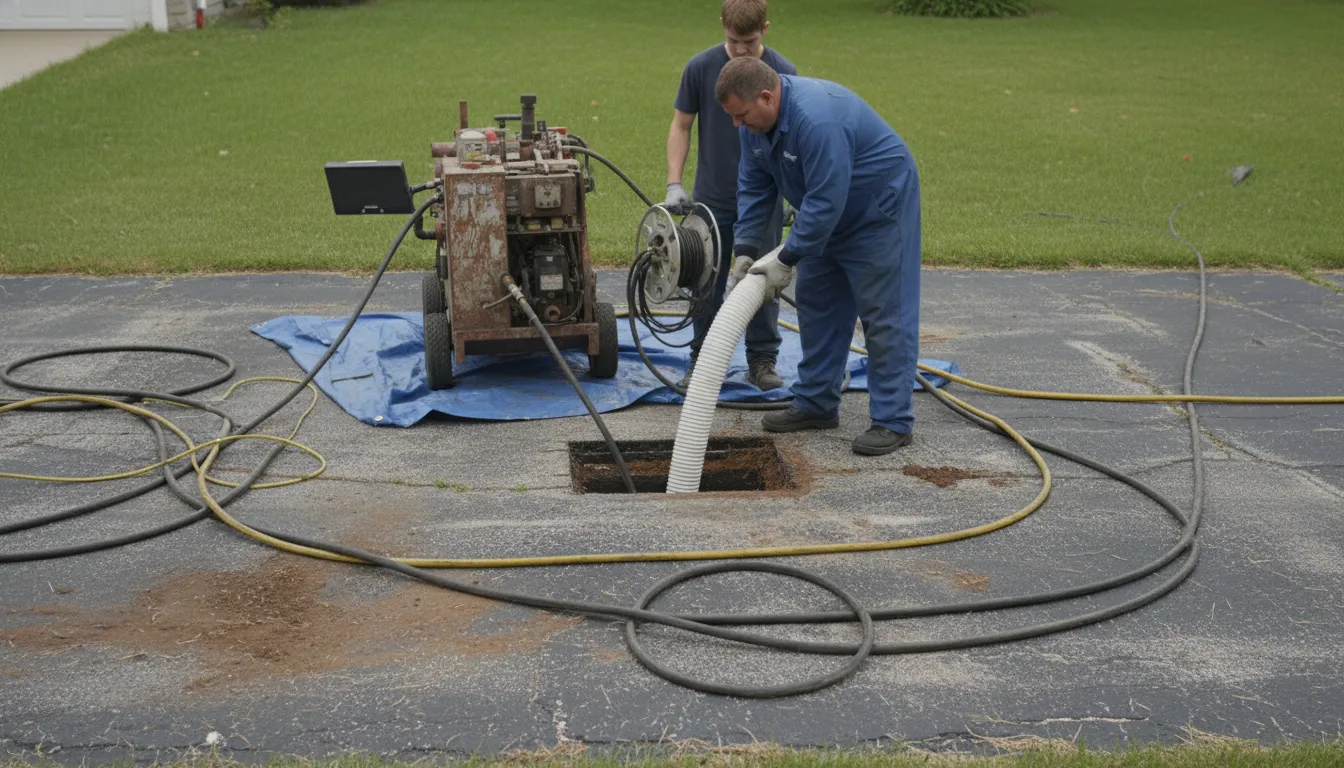
Find the Best Trenchless Sewer Repair Companies for Your Business
No obligation • Fast responses • Nationwide coverage

Why you can trust Search a Plumber
Search a Plumber is a leading United States resource for finding and evaluating professional plumbing services. Our team researches licensing, experience, and customer feedback to create unbiased, fact-driven overviews. Companies cannot pay to change ratings or placement, ensuring homeowners get trustworthy information.
Search providers near you
Top Trenchless Sewer Repair Companies in Lynn, Massachusetts Ranked
A damaged sewer line is a serious problem for any homeowner, but the thought of repairing it can be daunting due to the potential for extensive digging and property destruction. Trenchless sewer repair offers a modern solution, fixing pipes from the inside with minimal excavation. This method is crucial for preserving your property's landscape, driveway, and hardscaping while addressing the root cause of sewer issues. For Lynn residents, understanding this technology and the local professionals who specialize in it is the first step toward a less disruptive and often more cost-effective repair.
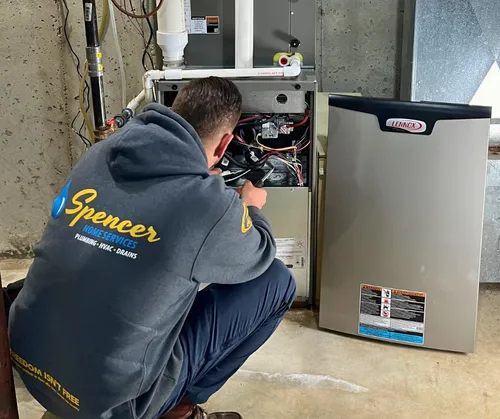
Spencer Plumbing Sewer and Drain Cleaning
67 Foster St, Peabody, MA 01960
Spencer Plumbing Sewer and Drain Cleaning is a family-owned company serving Boston, MA, and surrounding counties including Essex, Middlesex, and Suffolk. They provide residential and commercial plumbing services such as water heater repair, tankless water heater installation, drain cleaning, and trenchless sewer repair. The company has over 40 years of experience and uses the latest technology to handle a range of home system repairs and installations. They offer same-day and emergency trenchless sewer repair services to quickly address urgent plumbing needs.
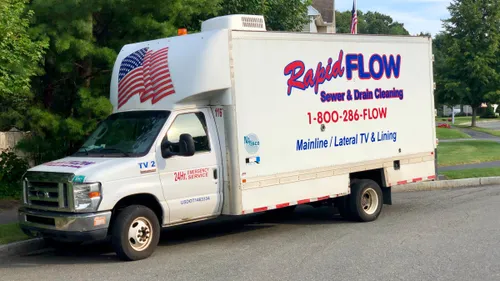
Rapid Flow Sewer & Drain Cleaning
Boston, MA
Rapid Flow Sewer & Drain Cleaning is a plumbing service provider based in Boston, MA, specializing in sewer and drain solutions for both residential and commercial properties. They offer a range of services including sewer camera inspections, drain cleaning, sewer line repairs, leak detection, and trenchless sewer repair techniques such as pipe lining. Using advanced technology and modern trenchless methods, they minimize disruption while restoring pipe functionality. The company provides 24/7 emergency services to address urgent plumbing issues promptly and offers preventive maintenance programs to extend the life of plumbing systems and prevent future problems.
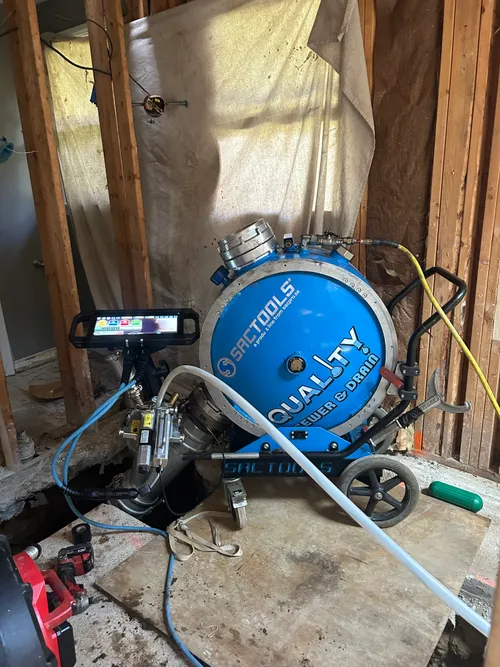
Quality Sewer & Drain, Inc
77 Walnut St Unit 5, Peabody, MA 01960
Quality Sewer & Drain, Inc is a family-owned business serving Boston, MA, and the surrounding North Shore area. They provide residential, commercial, and industrial sewer and drain services, including trenchless sewer pipe lining, hydro jetting, video drain inspections, and drain cleaning. The company specializes in trenchless pipe rehabilitation using CIPP lining and pipe patching techniques to restore sewer and drain functionality without extensive digging. With over 20 years of combined experience, Quality Sewer & Drain is certified in multiple pipe lining technologies and serves a wide range of communities in Massachusetts and parts of Southern Maine and New Hampshire.
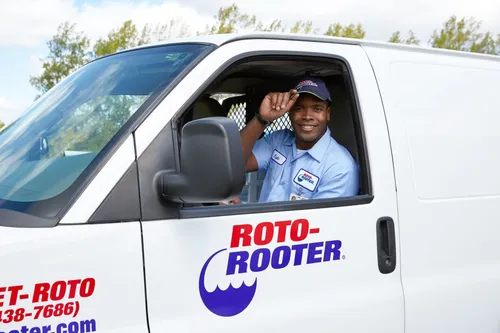
Roto-Rooter Plumbing & Water Cleanup
175 Maple St, Stoughton, MA 02072
Roto-Rooter Plumbing & Water Cleanup provides comprehensive residential and commercial plumbing services in Boston, MA, and the surrounding areas. They specialize in sewer line inspections, repairs, and trenchless pipe replacement, as well as water heater installation and repair, drain cleaning, leak detection, and water softener installation. The company is equipped to handle emergency plumbing situations with 24/7 availability, including floodwater cleanup and mold remediation. With extensive experience servicing the local community, Roto-Rooter uses advanced technology such as hydro jetting to address tough clogs and sewer line issues efficiently.
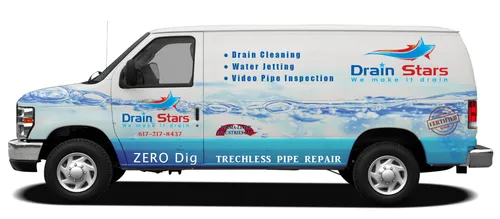
Drain Stars
Boston, MA
Drain Stars offers a range of plumbing and drain services in Boston, MA, including water heater repair and installation, drain cleaning, toilet and garbage disposal repairs, and trenchless sewer pipe lining. With over 20 years of experience, their licensed and certified team provides emergency services available 24/7 to address urgent plumbing needs. They use advanced materials like Perma-Liner for pipe relining, allowing repairs without extensive digging.
What is Trenchless Sewer Line Repair?
Trenchless sewer repair, often called cured-in-place pipe (CIPP) lining or pipe bursting, is a method for rehabilitating damaged underground pipes without the need for large, open trenches. Instead, technicians use small access points-typically at existing cleanouts or where the line begins and ends-to insert a new lining or pipe directly into the old one. This innovative approach creates a "pipe within a pipe" or replaces the old line by fracturing it outward, all while leaving your yard, driveway, and landscaping virtually untouched.
The core advantage of this no-dig technology is its minimal invasiveness. Traditional sewer line excavation can require digging a trench several feet deep and wide along the entire length of the pipe, which means tearing up lawns, gardens, patios, and even sections of driveway. Trenchless methods avoid this chaos, focusing the work on just two small holes. This not only saves your property from significant disruption but also dramatically reduces the restoration work and associated costs after the repair is complete 1.
Is Trenchless Repair Right for Your Lynn Home?
Trenchless pipe rehabilitation is an excellent option for many common sewer line problems, but it's not a universal fix. Understanding when it's applicable will help you have a more informed discussion with a local specialist.
Ideal candidates for trenchless repair include:
- Cracks and Leaks: Small fractures or holes in clay, cast iron, or Orangeburg pipes.
- Root Intrusion: Where tree roots have infiltrated pipe joints, causing blockages and damage.
- Minor Collapses or Corrosion: Sections of pipe that have begun to fail but are not completely flattened or misaligned.
- Hard-to-Reach Pipes: Lines that run under driveways, sidewalks, mature trees, gardens, or close to the home's foundation.
Situations that typically require traditional excavation:
- Severely Collapsed Pipes: If a pipe is completely flattened or has suffered a major structural failure.
- Extensive Damage: Long sections of pipe that are severely misaligned or broken into multiple pieces.
- Access Limitations: Scenarios where creating the necessary small entry and exit points for trenchless equipment is not feasible.
A professional video camera inspection is the only definitive way to determine the best approach. A specialist will feed a high-resolution camera through your line to pinpoint the exact location, nature, and extent of the damage, providing a clear recommendation for trenchless or traditional methods.
The Trenchless Repair Process: Step-by-Step
The workflow for a trenchless sewer line fix is methodical and designed for efficiency with minimal property impact.
- Comprehensive Camera Inspection: The process always begins with a detailed video inspection. This diagnostic tool maps the sewer line, identifies the type and location of damage, checks for blockages, and verifies the pipe's condition is suitable for a trenchless solution.
- Access Preparation: Based on the inspection, technicians dig two small, strategic access pits. One is at the beginning of the damaged section (often near the home's cleanout), and the other is at the end (usually near the city sewer main or a downstream cleanout). These are the only excavations required.
- The Repair Method:
- CIPP Lining: For pipes with cracks or root intrusion, a flexible tube saturated with epoxy resin is inverted or pulled into the old pipe. It is then inflated and cured using steam or UV light, hardening to form a seamless, durable new pipe lining inside the old one.
- Pipe Bursting: For pipes that need complete replacement, a conical bursting head is pulled through the old pipe. This head fractures the old pipe outward while simultaneously pulling a new, high-density polyethylene (HDPE) pipe into place behind it.
- Final Inspection and Restoration: A post-repair camera inspection confirms the new liner or pipe is properly installed and fully functional. The small access pits are then backfilled, and any minor landscaping is restored, leaving your property nearly as it was before work began.
Find the perfect trenchless sewer repair companies for your needs
Get personalized recommendations and expert advice
Permits and Regulations in Lynn, MA
In Massachusetts, sewer line work is regulated to ensure public health and environmental safety. For trenchless sewer repair in Lynn, homeowners and contractors must typically obtain the necessary permits from the Lynn Inspectional Services Department. Depending on the project's scope and connection to the public sewer main, permits or notifications from the Massachusetts Department of Environmental Protection (MassDEP) may also be required.
These permits cover the excavation (even if minimal) and the new installation. Crucially, the work will also require inspections by the city. An inspector will likely need to review the initial camera findings and the final installation before the access holes are closed. A reputable trenchless repair provider will handle the permit application process and schedule all required inspections, ensuring the work is fully compliant with local and state codes 2.
Understanding the Cost of Trenchless Repair in Lynn
The cost of trenchless sewer line replacement or lining is influenced by several factors specific to your property and the damage. While the upfront price per foot can be higher than traditional digging, the total project cost often proves more economical.
Typical Cost Range: Trenchless repair costs generally range from $100 to $250 or more per linear foot. For a standard residential repair of a 50-foot lateral, this translates to a total project cost often between $4,000 and $8,000, though simpler, shorter runs can start around $1,000 to $5,000 3 4 5 6.
Key Factors Affecting Price:
- Pipe Length and Depth: The total footage of pipe needing repair is the primary cost driver.
- Damage Type and Complexity: Severe root intrusion or multiple points of damage add to the labor and material time.
- Local Labor Rates: Costs can vary based on the operating expenses of local Massachusetts plumbing companies.
- Permit and Inspection Fees: Required city and state permits add to the project cost.
- Access Difficulty: The ease of creating the entry and exit pits can influence the quote.
Long-Term Value: The most significant financial benefit of trenchless technology is the avoidance of costly restoration. A traditional dig can easily add thousands of dollars in landscaping, concrete, and hardscape repair. By eliminating nearly all of that, the higher per-foot cost of trenchless work is frequently offset, making it a smarter long-term investment for your home 7.
Finding a Trenchless Specialist in Lynn
For Lynn homeowners considering this option, the next step is to contact local Massachusetts plumbing and pipe restoration companies that specialize in trenchless methods. Look for providers with specific experience in CIPP lining and pipe bursting, and always request a detailed, on-site assessment and written quote. A trustworthy professional will perform a camera inspection first, explain the damage clearly, and outline all costs, including permits, before any work begins 8 9 10.
Frequently asked questions
Sources
Footnotes
-
Trenchless Sewer Repair vs. Traditional Excavation - AQUALIS - https://aqualisco.com/trenchless-sewer-repair-vs-traditional/ ↩
-
Is Trenchless Sewer Repair Right For Your Home? - Mattioni Plumbing - https://www.callmattioni.com/blog/t-trenchless-sewer-repair/ ↩
-
Trenchless Sewer Line Repair vs. Sewer Line Excavation - https://dandfplumbing.com/sewer-line-repair-vs-sewer-line-excavation/ ↩
-
Empower Your Decision: Decoding Trenchless Sewer Repair Costs - Pipeliner Pros - https://pipelinerpros.com/trenchless-sewer-repair-cost/ ↩
-
Cost Benefits Of Trenchless Sewer Line Repairs For Homes & ... - https://www.fastresponseplumbingsf.com/cost-benefits-of-trenchless-sewer-line-repairs/ ↩
-
How Much Does Trenchless Sewer Line Repair Cost? - https://alphaenvironmental.net/blog/how-much-does-trenchless-sewer-repair-cost/ ↩
-
Trenchless Sewer Repair: Lower Cost, Lower Impact Sewer ... - https://www.sewerflowllc.com/2025/03/06/trenchless-sewer-repair-lower-cost-lower-impact-sewer-repair/ ↩
-
Trenchless Sewer Repair Boston, MA - New England Pipe Restoration - https://nepipe.com/residential-services/trenchless/sewer-repair/ ↩
-
What Are The Pros and Cons of Trenchless Sewer Repair? - https://www.southernairnow.com/blog/what-are-the-pros-and-cons-of-trenchless-sewer-repair/ ↩
-
Trenchless Pipe Repair Boston, MA - https://nepipe.com/service-areas/boston-ma/trenchless-pipe-repair/ ↩