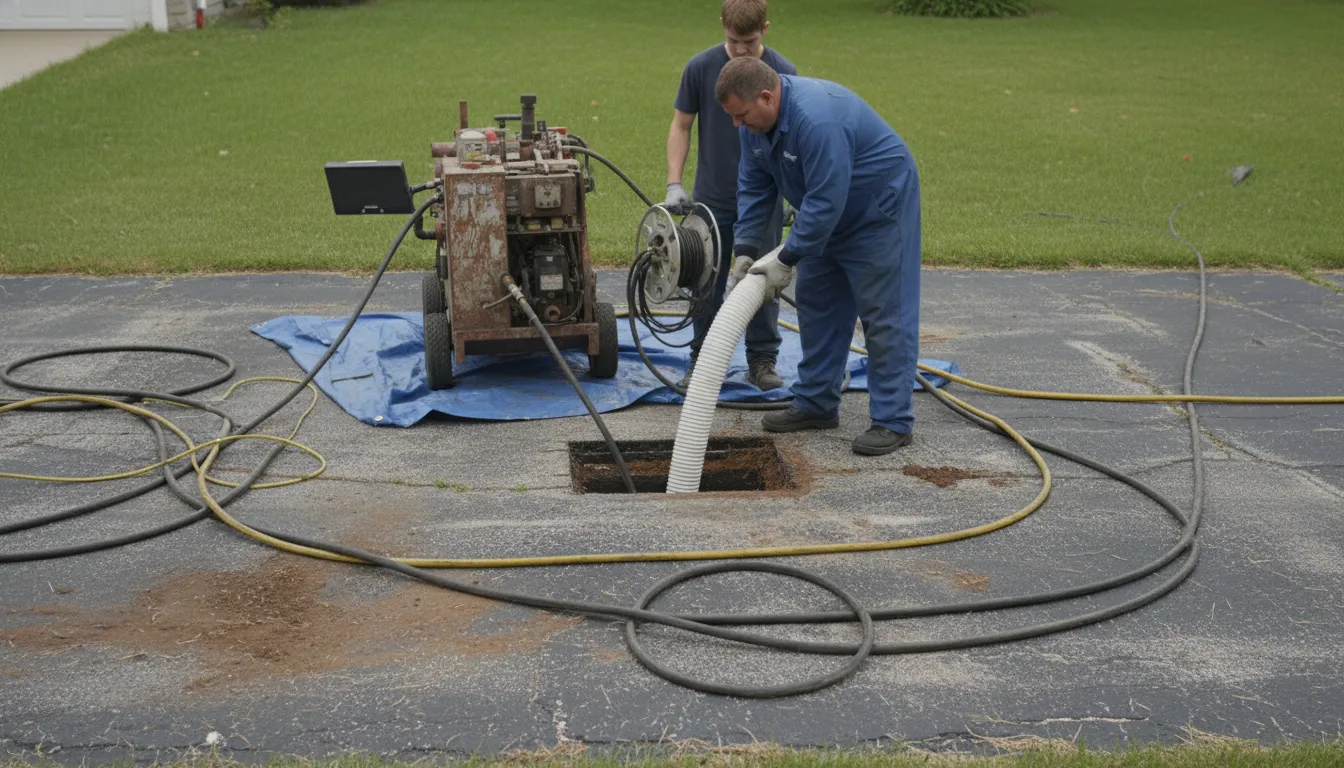
Find the Best Trenchless Sewer Repair Companies for Your Business
No obligation • Fast responses • Nationwide coverage

Why you can trust Search a Plumber
Search a Plumber is a leading United States resource for finding and evaluating professional plumbing services. Our team researches licensing, experience, and customer feedback to create unbiased, fact-driven overviews. Companies cannot pay to change ratings or placement, ensuring homeowners get trustworthy information.
Search providers near you
Top Trenchless Sewer Repair Companies in Oakland Park, Florida Ranked
A damaged sewer line is a serious problem that can disrupt your home and threaten your property. Fortunately, modern trenchless sewer repair offers a solution that fixes the pipe with minimal digging, preserving your landscaping, driveway, and peace of mind. This guide explains how trenchless pipe repair works in Oakland Park, helping you understand your options for addressing common issues like cracks, root intrusion, and leaks without the mess of traditional excavation.
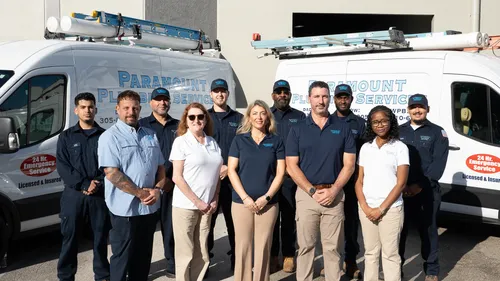
Paramount Plumbing Services
20911 Johnson St #130, Pembroke Pines, FL 33029
Paramount Plumbing Services provides a wide range of plumbing solutions in Miami, FL, including sewer camera inspections, water heater repairs and installations, drain cleaning, hydro jetting, and trenchless sewer repairs. They specialize in emergency plumbing services, offering 24/7 availability for urgent issues such as burst pipes, sewage backups, and gas leaks. Their team uses specialized equipment like submersible pumps and night vision tools to manage crises effectively. Paramount Plumbing Services also supports customers with insurance documentation and post-emergency follow-up to ensure complete restoration.
Sparky Plumbing
4839 Pembroke Rd, Hollywood, FL 33021
Sparky Plumbing provides a wide range of plumbing services in Miami, FL, serving both residential and commercial clients. Their offerings include sewer camera inspections, water heater installation and repair, drain cleaning, leak detection, repiping, gas line installation, and fixture upgrades. They specialize in trenchless sewer repair and use advanced tools for sewer line inspection and repairs to minimize disruption. Sparky Plumbing also offers 24/7 emergency plumbing services to address urgent issues at any time.

Express Trenchless Plumbing
Miami, FL
Express Trenchless Plumbing is a locally owned plumbing company serving Miami, FL, and nearby areas. They specialize in trenchless sewer and drain solutions for both residential and commercial properties. Their services include drain cleaning, sewer line repair, and advanced pipe lining using HammerHead Trenchless and Perma-Liner equipment, which minimizes property disruption. The company offers a workmanship guarantee with up to 50 years on pipe lining services, reflecting their commitment to durable repairs.
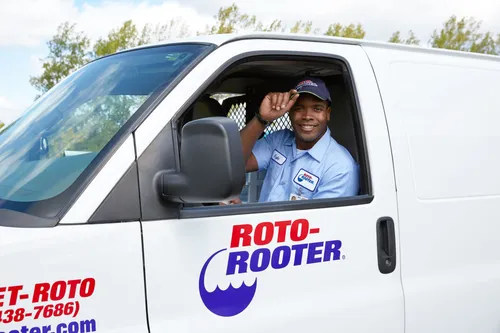
Roto-Rooter Plumbing & Water Cleanup
560 Lincoln Rd #300-6, Miami Beach, FL 33139
Roto-Rooter Plumbing & Water Cleanup provides a wide range of plumbing services in Miami, FL, including sewer camera inspections, water heater repairs and installations, drain cleaning, hydro jetting, sewer line repair, trenchless sewer repair, and water softener installation. They serve both residential and commercial clients, including hotels, retail centers, and marine industries. Their capabilities include high-pressure water jetting to clear drains and sewer lines efficiently. Roto-Rooter offers 24/7 emergency service to address urgent plumbing issues promptly.
Blueprint Plumbing, LLC (DBA-Trenchless Pipe Lining)
Miami, FL
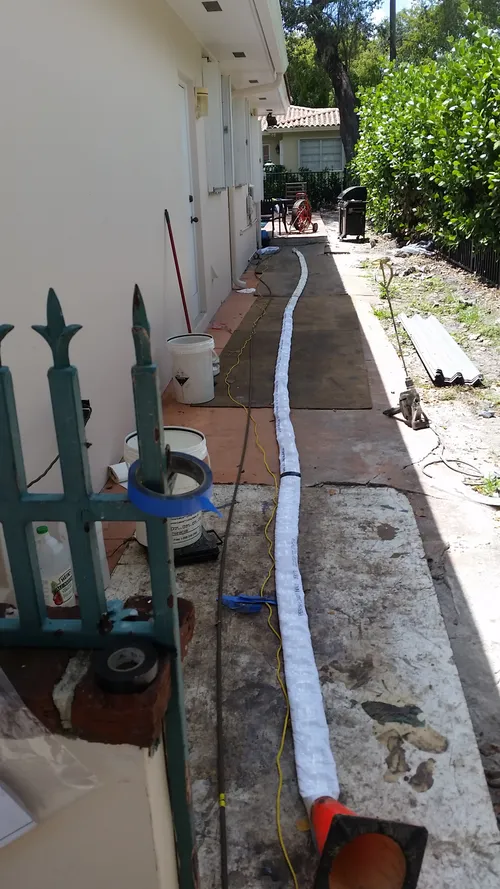
Blueprint Plumbing, LLC (DBA-Trenchless Pipe Lining) offers specialized plumbing services in Miami, FL, focusing on trenchless pipe lining to repair underground pipes without excavation. Their approach extends the life of cast iron drains for over 50 years with a quick installation process that avoids damage to floors and cabinets. The company also provides sewer camera inspection, sewer line repair, and leak detection services. With 20 years of experience, they back their work with a 50-year warranty and offer 24-hour emergency service to address urgent plumbing needs.
What is Trenchless Sewer Repair?
Trenchless sewer repair, often called trenchless pipe lining or no-dig sewer repair, is a set of advanced techniques used to rehabilitate damaged underground sewer pipes without extensive excavation. Instead of digging a long, deep trench across your yard, specialized contractors use access points to insert a new, durable pipe lining inside the old one or to burst the old pipe apart while simultaneously pulling in a new one. This approach is designed to address many common sewer line problems with significantly less disruption to your property.
The core principle is rehabilitation from the inside out. By creating a new pipe within the existing one, trenchless methods restore flow and structural integrity. This process is ideal for the clay, cast iron, or Orangeburg pipes found in many Oakland Park homes, effectively sealing cracks, blocking root intrusion, and correcting misaligned joints. The result is a seamless, jointless new pipe that is often stronger and more corrosion-resistant than the original.
Common Sewer Line Problems in Oakland Park
Understanding what can go wrong with your sewer lateral (the pipe connecting your home to the main city line) is the first step toward a solution. South Florida's unique environment contributes to specific issues.
- Root Intrusion: This is a leading cause of sewer line damage. Trees and shrubs seek moisture, and tiny roots can infiltrate pipe joints or cracks. Once inside, they expand, creating blockages and eventually breaking the pipe apart. Trenchless lining creates a seamless barrier that roots cannot penetrate.
- Cracks and Fractures: Over time, ground settling, soil pressure, and corrosion can cause pipes to crack or fracture. These breaches allow sewage to leak into the soil (inflow) and groundwater to seep into the pipe (infiltration), overloading the system.
- Pipe Corrosion and Deterioration: Older cast iron pipes can rust through, and clay tiles can crumble. Even Orangeburg pipe (a bituminous fiber conduit used mid-century) can compress and deform. Trenchless methods can rehabilitate these materials without needing to remove them entirely.
- Bellied or Sagging Pipes: A section of pipe that has sunk due to ground conditions creates a low spot where waste and solids collect, causing chronic clogs. While severe sags may require excavation, many can be addressed with trenchless solutions during a full line rehab.
- Misaligned Joints: The connections between sections of pipe can separate or shift. This misalignment creates an entry point for roots and debris, leading to blockages.
Trenchless Repair Methods: How They Work
The trenchless process is methodical, beginning with diagnosis and ending with a fully restored pipe. Here's a typical workflow for a project in Oakland Park:
- Video Camera Inspection: A high-definition, waterproof camera is snaked through the sewer line. This critical first step provides a clear, real-time view of the pipe's interior condition, pinpointing the exact location, nature, and extent of the damage. It confirms whether a no-dig solution is viable.
- Hydro-Jetting or Cleaning: Before any repair, the pipe must be thoroughly cleaned. High-pressure water jetting scours the interior walls, cutting through grease, scale, and root masses to create a clean surface for the new liner to adhere to.
- The Repair Method: Lining vs. Bursting
- Cured-in-Place Pipe (CIPP) Lining: This is the most common trenchless technique. A flexible tube saturated with a resin (like epoxy) is inverted or pulled into the damaged pipe. It is then inflated and left to cure, often using hot water or ambient temperature. Once hardened, it forms a rigid, jointless "pipe within a pipe." Robotic cutters are then used to precisely reopen any lateral connections to branch lines 1 2.
- Pipe Bursting: Used when the old pipe is too damaged to line or needs to be upsized. A conical bursting head is pulled through the old pipe, fracturing it outward into the surrounding soil. Simultaneously, a new pipe (typically HDPE) is pulled in behind the head, replacing the old line in one step.
Find the perfect trenchless sewer repair companies for your needs
Get personalized recommendations and expert advice
Trenchless vs. Traditional Excavation: Making the Right Choice
Choosing between trenchless technology and traditional dig-and-replace methods depends on the specific condition of your sewer line.
Trenchless (CIPP/Pipe Bursting) is ideal for:
- Pipes with cracks, holes, or corrosion.
- Root intrusion and joint failures.
- Pipes that are structurally sound enough to host a liner.
- Situations where minimizing surface disruption is a priority-under driveways, decks, pools, or landscaped yards.
- Projects where speed is important, as many can be completed in one to two days 3.
Traditional Excavation may be necessary for:
- Severely collapsed pipes where no clear path exists for lining or bursting.
- Pipes that have completely failed or are misaligned in multiple sections.
- Situations where the existing pipe must be removed, such as for a significant diameter increase.
- When local regulations or site conditions prevent trenchless methods 4.
A professional video inspection is essential to determine the most appropriate and cost-effective method for your Oakland Park home.
Benefits of Choosing Trenchless Repair
The advantages of trenchless sewer rehabilitation extend far beyond just avoiding a torn-up yard.
- Minimal Disruption & Property Preservation: This is the most significant benefit. There's no need to demolish concrete, destroy mature landscaping, or leave a massive trench across your property. Your daily life and your curb appeal remain largely intact.
- Faster Completion: Most trenchless sewer line repairs can be completed in a day or two, compared to the week or more often required for large-scale excavation, backfilling, and restoration.
- Long-Lasting & Durable Solution: The materials used, such as epoxy resin and HDPE, are highly resistant to corrosion, root penetration, and chemical attack. A properly installed trenchless repair can have a lifespan of 50 years or more, often exceeding the durability of the original pipe 5 6.
- Potential Cost-Effectiveness: While the per-foot cost for the repair itself can be higher, you save substantially on the "hidden costs" of excavation: landscape restoration, concrete repair, and patio or deck rebuilding. When these are factored in, trenchless often proves to be a more economical choice overall 7 8.
- Environmental Friendliness: Trenchless methods generate far less soil waste and disruption to the local ecosystem. They also reduce the carbon footprint associated with heavy equipment operation and material transport for restoration.
Understanding Costs and Permits in Oakland Park
The cost of trenchless sewer repair is typically calculated per linear foot. In the Oakland Park area, homeowners can expect a range, with costs often falling between $135 and $285+ per linear foot9 10. The final price depends on the pipe's diameter, the repair method (lining vs. bursting), the extent of damage, and site accessibility. It's important to get detailed, upfront estimates from licensed professionals.
In Broward County and Oakland Park, sewer repair work almost always requires a permit. Licensed plumbing contractors will typically handle the permit application process, which ensures the work meets all local building and plumbing codes. Permit fees can be a factor in the total project cost 11 12. Choosing a licensed and insured professional is crucial for ensuring the job is done correctly, passes inspection, and protects your home investment.
Frequently asked questions
Sources
Footnotes
-
Oakland Sewer Lateral Installation - Challenge Rooter - https://www.challengerooter.com/sewer-lateral-installation ↩
-
Oakland Trenchless Sewer Replacement - Streamline Plumbing - https://www.streamlineplumbingco.net/oakland-trenchless-sewer-replacement ↩
-
Top Oakland Park, Florida Trenchless Sewer Repair & Pipe ... - https://pipelt.com/service-areas/oakland-park/ ↩
-
Trenchless Sewer Line Repair vs. Sewer Line Excavation - https://dandfplumbing.com/sewer-line-repair-vs-sewer-line-excavation/ ↩
-
Trenchless Sewer Repair - Pipeliner Pros - https://pipelinerpros.com/lp-trenchless-sewer-repair/ ↩
-
Escape the Pipe Nightmare: Embracing Trenchless Sewer Pipe Lining - https://pipelinerpros.com/trenchless-sewer-pipe-lining/ ↩
-
How Much Does It Cost to Replace a Sewer Line in Florida? - https://www.cooltoday.com/blog/how-much-does-it-cost-to-replace-a-sewer-line-in-florida ↩
-
Trenchless vs Traditional Sewer Repair - LCS Lining Coating ... - https://liningcoatingsolutions.com/services/trenchless-vs-traditional/ ↩
-
Trenchless Pipe Repair in Florida - https://piperestorationsolutions.com/florida/service/trenchless-pipe-repair/ ↩
-
How much does it cost to repair a sewer using trenchless methods? - https://sewerpros.com/trenchless-sewer-repair-cost/ ↩
-
How Much Does Trenchless Sewer Line Piping Cost? [2026 Data] - https://www.angi.com/articles/trenchless-sewer-line-replacement-cost.htm ↩
-
Trenchless Sewer Repair in Oakland Park, FL - 24/7, Upfront Pricing - https://emergencyplumbingsfl.com/fl/oakland-park/trenchless-sewer-repair ↩