Find the Best Trenchless Sewer Repair Companies for Your Business
No obligation • Fast responses • Nationwide coverage

Why you can trust Search a Plumber
Search a Plumber is a leading United States resource for finding and evaluating professional plumbing services. Our team researches licensing, experience, and customer feedback to create unbiased, fact-driven overviews. Companies cannot pay to change ratings or placement, ensuring homeowners get trustworthy information.
Search providers near you
Top Trenchless Sewer Repair Companies in Woodland, California Ranked
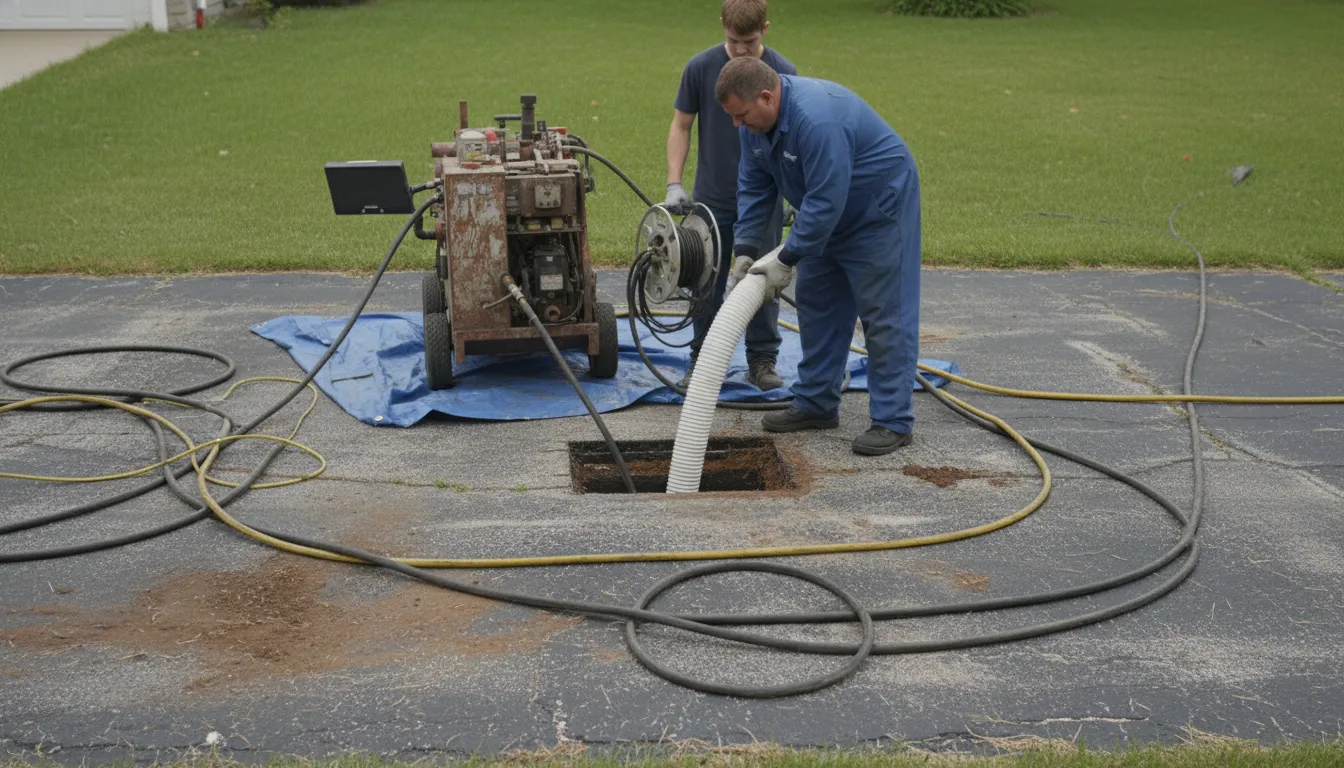
A damaged sewer line is a serious problem that can disrupt your home and threaten your property. Trenchless sewer repair is a modern method for fixing broken pipes without the need for extensive, destructive digging across your yard or under your home. This approach is crucial for preserving Woodland's landscapes, driveways, and patios while efficiently restoring your home's essential plumbing. The following guide explains how trenchless technology works, when it's the right choice, and how you can connect with experienced local professionals who specialize in these advanced solutions.
Ducks Plumbing Heating Air
Sacramento, CA
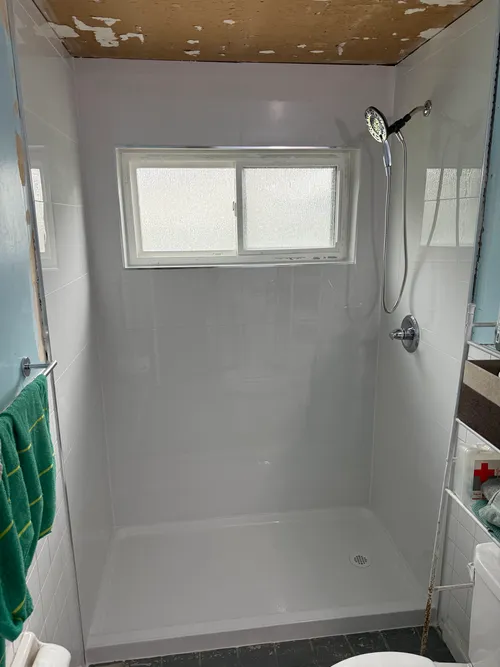
Ducks Plumbing Heating Air provides plumbing, HVAC, and bathroom remodeling services in Sacramento, CA. They serve the greater Sacramento area including Elk Grove, Roseville, Citrus Heights, Davis, and Folsom. Their plumbing services cover sewer camera inspections, water heater repairs, water softener installations, drain cleaning, hydro jetting, sewer line repairs including trenchless methods, repiping, gas line installations, and repairs for toilets and garbage disposals. The company also offers heating and air conditioning installation and repair, as well as full bathroom remodels. Ducks Plumbing Heating Air emphasizes affordable services with attention to detail for homeowners throughout the region.
The Toilet Whisperer
819 L St, Davis, CA 95616
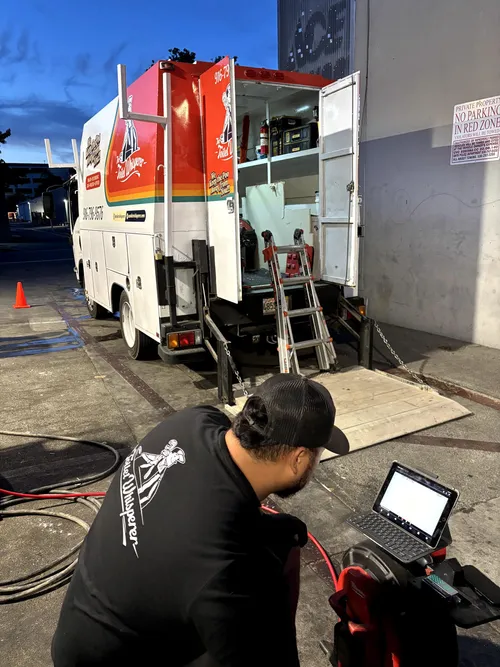
The Toilet Whisperer provides a wide range of plumbing services in Sacramento, CA, and the surrounding counties including Yolo, Solano, Placer, and Napa. Their offerings include sewer camera inspections, water heater repair and installation, drain cleaning, hydro jetting, sewer line repair with trenchless options, leak detection, gas line installation, and toilet repair. They have local expertise in building codes and environmental factors, which helps them deliver tailored plumbing solutions. The company offers 24/7 emergency plumbing services for urgent repairs and has years of experience serving the region.

A1 Plumbing & Drains
6520 44th St # 310, Sacramento, CA 95823
A1 Plumbing & Drains is a licensed plumbing company serving Sacramento, CA, and nearby areas including Elk Grove and Yuba City. They provide a wide range of plumbing services such as sewer line repair, water heater installation and repair, drain cleaning, hydro jetting, leak detection, and trenchless sewer repair. The team uses modern diagnostic tools and offers emergency plumbing services available 24/7 to address urgent issues promptly. With decades of combined experience, A1 Plumbing & Drains focuses on tailored solutions that consider Sacramento's unique plumbing challenges, including hard water and aging infrastructure, to deliver long-lasting results. They also handle necessary permits and provide warranties on their work.
Mr. Drain
6217 Ross Ave, Carmichael, CA 95608
Mr. Drain is a locally owned plumbing company serving Sacramento, CA, with over 30 years of experience. They provide comprehensive plumbing services for both residential and commercial clients, including sewer camera inspections, hydro-jetting, trenchless sewer repairs, water heater installation and repair, leak detection, and gas line installation. Their team of licensed experts uses advanced technology to deliver accurate diagnostics and lasting solutions. Mr. Drain offers 24/7 emergency plumbing services to address urgent issues such as burst pipes and sewer backups promptly.
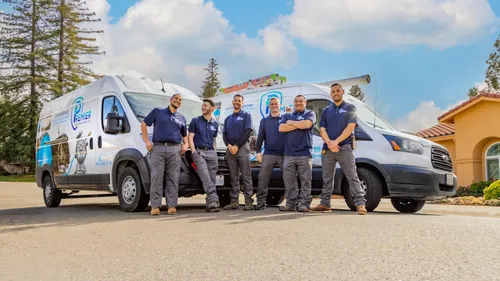
Premier Rooter and Plumbing
4878 Pasadena Ave #4, Sacramento, CA 95841
Premier Rooter and Plumbing is a licensed and certified plumbing company serving Sacramento, CA. They provide a wide range of residential and commercial plumbing services including sewer camera inspections, water heater installation and repair, drain cleaning, hydro jetting, trenchless sewer repair, leak detection, and general plumbing repairs. The company uses advanced technology such as video camera inspections and trenchless repair equipment to deliver efficient and minimally invasive solutions. Premier Rooter and Plumbing is experienced with local plumbing codes and permit requirements, ensuring compliant and professional work. They offer 24/7 emergency plumbing services to address urgent issues promptly throughout Sacramento County.
Understanding Trenchless Technology
Often called "no-dig" sewer repair, trenchless technology encompasses methods designed to rehabilitate or replace underground pipes with minimal surface disruption. Instead of a long, deep trench, work is typically conducted through two small access points: one at the beginning and one at the end of the damaged pipe section. This is a game-changer for homeowners dealing with aging clay, cast iron, or Orangeburg pipes common in many Woodland neighborhoods. The primary goal is to fix the problem from the inside out, leaving your lawn, garden, and hardscapes virtually untouched.
The Core Trenchless Methods
Two main techniques dominate the trenchless repair industry, each suited for different types of damage.
Cured-In-Place Pipe (CIPP) Lining This is a pipe-within-a-pipe solution. A flexible, resin-saturated liner is inserted into the damaged sewer pipe through an access hole. Using air or water pressure, the liner is inflated to press tightly against the host pipe's interior walls. The resin is then cured, often with hot water or UV light, hardening to form a new, seamless, and corrosion-resistant pipe inside the old one. CIPP lining is excellent for sealing cracks, holes, and joint failures, and it can also address minor root intrusion.
Pipe Bursting When a pipe is too collapsed or degraded for lining, pipe bursting is the trenchless replacement option. A conical bursting head is pulled through the old pipe, fracturing it outward into the surrounding soil. Simultaneously, a new, high-density polyethylene (HDPE) pipe is pulled in behind the head to occupy the space. This method actually replaces the old line with a new one of equal or larger diameter, improving flow capacity without excavating the entire length.
Trenchless vs. Traditional Excavation in Woodland
Choosing the right repair method depends on the condition of your sewer lateral and your property's layout.
When Trenchless is the Ideal Choice:
- For blockages, cracks, leaks, and root intrusion where the pipe is still structurally sound enough to host a liner.
- When the damaged pipe runs under driveways, sidewalks, patios, mature landscaping, or even under the home's foundation.
- For projects where minimizing property disruption, restoration costs, and project timeline are top priorities 1.
When Traditional Excavation May Be Necessary:
- For severely collapsed pipes that cannot be traversed by bursting or lining equipment.
- When a complete line replacement with a significant size increase is required and trenchless access points aren't feasible.
- In cases of extreme offset or misaligned joints that cannot be corrected internally.
While excavation is sometimes unavoidable, its costs extend beyond the repair itself. You must budget for extensive landscape restoration, concrete replacement, and potential floor repair if digging occurs under a slab, which can drive total costs significantly higher.
The Trenchless Repair Process: Step-by-Step
A professional trenchless project follows a clear, systematic approach to ensure a lasting repair.
- Camera Inspection (CCTV): The process always begins with a thorough video inspection. A specialized camera is sent through the sewer line to pinpoint the exact location, nature, and extent of the damage. This diagnostic step is critical for determining if trenchless repair is suitable and which method to use.
- Hydro-Jetting & Cleaning: Before any repair, the pipe must be clean. High-pressure water jetting scours the interior, removing debris, grease, mineral scale, and cutting through invading tree roots. This creates a clean surface for the liner to bond to or clears the path for pipe bursting 2.
- The Repair Phase: Depending on the assessment, the crew will proceed with either CIPP lining or pipe bursting. For lining, the resin tube is inverted or pulled into place and cured. For bursting, the old pipe is fractured and the new one drawn through 3.
- Final Inspection & Restoration: A post-repair camera inspection verifies the integrity and smoothness of the new pipe. The small access pits are then backfilled and compacted, with sod or concrete replaced as needed. The restoration is minimal, especially compared to a traditional trench 4.
Find the perfect trenchless sewer repair companies for your needs
Get personalized recommendations and expert advice
Permits, Inspections, and Local Compliance
In Woodland, most sewer lateral repairs, especially those connecting to the city main, require permits. Reputable local plumbing contractors typically manage this process for you. They will submit the necessary plans to the City of Woodland's Public Works or Building Department and schedule all required inspections 5. These inspections often occur before the liner is cured or after the new pipe is installed to ensure the work meets municipal codes. A trustworthy professional will handle this bureaucracy, providing you with peace of mind that the repair is compliant and legally sound.
Understanding the Cost of Trenchless Sewer Repair
The investment in a trenchless sewer repair is influenced by several key factors. While it often has a higher per-foot material cost than traditional digging, it frequently results in a lower total project cost by eliminating thousands of dollars in restoration work.
Cost Ranges in the Woodland Area:
- Trenchless Repair (CIPP or Bursting): Generally ranges from $135 to $285 or more per linear foot. Total project costs often fall between $4,000 and $13,000+, depending on length and complexity 6 7 8.
- Traditional Excavation: Can range from $6,000 to $20,000 or more. The final price can soar with the need to repair concrete, landscaping, irrigation systems, and interior flooring 9 10.
Factors Influencing Your Final Price:
- Length and Depth: The total footage of pipe needing repair is the primary cost driver.
- Type and Severity of Damage: Simple cracks are less costly than multiple breaks or severe root damage.
- Location: Pipes under a concrete slab foundation are more complex and costly to address than those under a lawn.
- Access: The ease of creating the necessary entry and exit pits impacts labor.
- Restoration: Any needed patching of hardscape or landscaping post-repair adds to the cost.
Getting multiple detailed estimates from licensed, local specialists is the best way to understand the cost for your specific situation.
The Long-Term Benefits for Woodland Homes
Choosing a trenchless solution offers advantages that last long after the repair is complete. The new pipe created by CIPP lining is jointless, preventing future root intrusion at pipe connections. Both HDPE pipe from bursting and cured-in-place liners are highly resistant to corrosion and chemical attack, offering a lifespan of 50 years or more. Furthermore, by preserving your property's integrity, you maintain its curb appeal and value. The efficiency of the process also means your daily life is disrupted for a much shorter period, often with the repair completed in a single day.
Frequently asked questions
Sources
Footnotes
-
Trenchless Sewer Repair vs. Traditional Excavation - https://alphaenvironmental.net/blog/trenchless-sewer-repair-vs-traditional-excavation-which-is-better/ ↩
-
Trenchless Sewer Line Replacement Oakland, CA - Pipe Spy - https://www.pipespy.com/services/trenchless-sewer-line-repair-replacement ↩
-
What Are The Pros and Cons of Trenchless Sewer Repair? - https://www.southernairnow.com/blog/what-are-the-pros-and-cons-of-trenchless-sewer-repair/ ↩
-
Step-by-Step: What to Expect During a Trenchless Sewer Project - https://trenchfree.com/step-by-step-what-to-expect-during-a-trenchless-sewer-project/ ↩
-
Trenchless Pipe Repair in Woodland, CA - Hall's Plumbing - https://www.hallsplumbing.net/sewer-drain/trenchless-pipe-repair/ ↩
-
Trenchless Sewer Line Repair vs. Sewer Line Excavation - https://dandfplumbing.com/sewer-line-repair-vs-sewer-line-excavation/ ↩
-
Empower Your Decision: Decoding Trenchless Sewer Repair Costs - https://pipelinerpros.com/trenchless-sewer-repair-cost/ ↩
-
How much does it cost to repair a sewer using trenchless methods? - https://sewerpros.com/trenchless-sewer-repair-cost/ ↩
-
Trenchless Sewer Repair vs. Traditional Methods in the Bay ... - https://total-uc.com/trenchless-vs-traditional-sewer-repair/ ↩
-
What Trenchless Sewer Repair Costs & What Impacts the Price - https://www.sunsethc.com/what-trenchless-sewer-repair-really-costs-and-what-impacts-the-price/ ↩